Can Spray Foam Insulation Improve the Performance of Hard-to-Insulate Areas in Lake Worth Beach, FL Homes?
Quick answer: Yes, in most homes it can. Spray foam insulation for Lake Worth Beach, FL homeowners expands into tight…


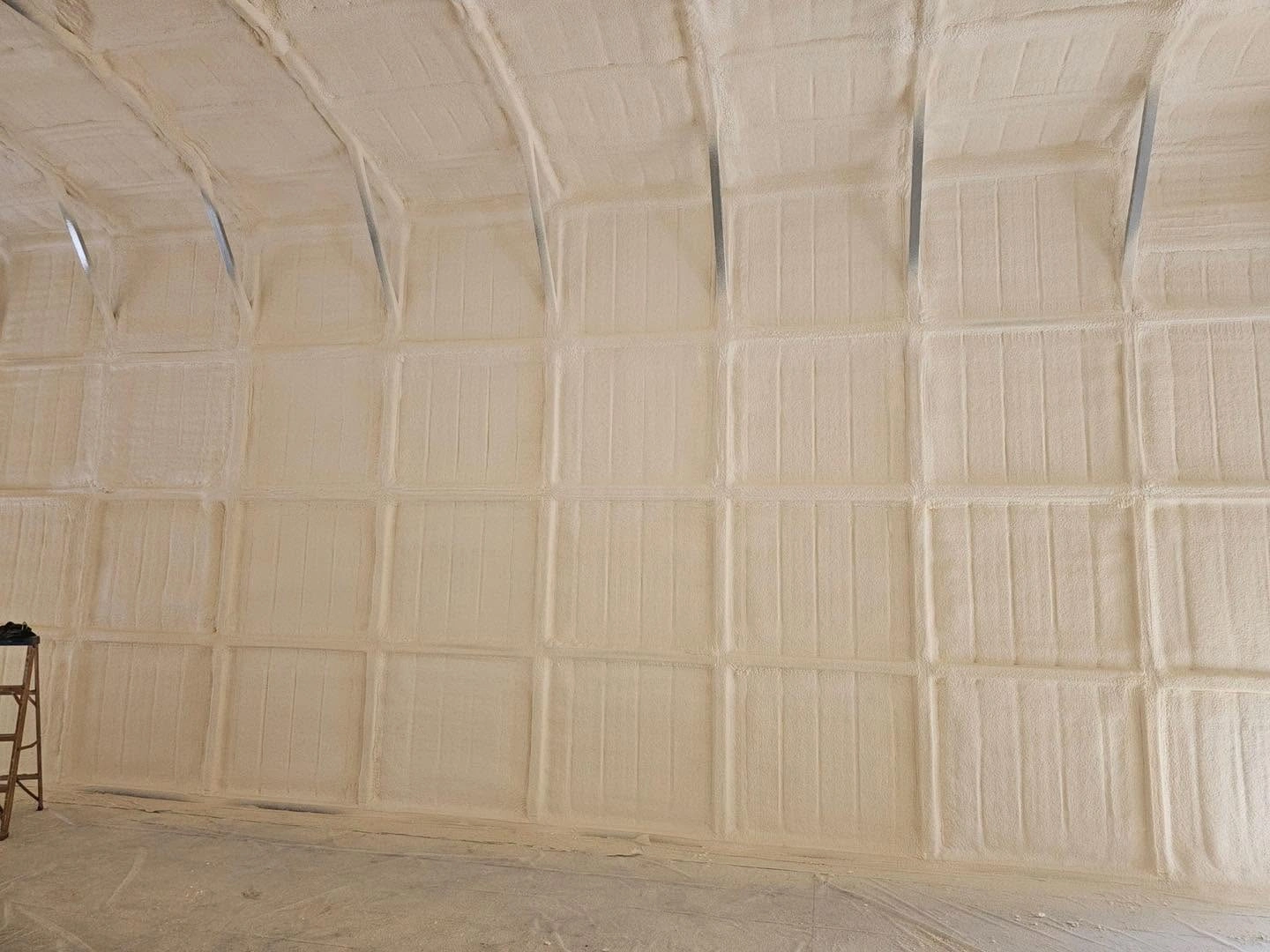
Yes, closed-cell spray foam insulation is worth the higher upfront cost for most Jupiter, FL homeowners. With typical projects ranging from $2,000 to $25,000 and an average around $8,000, closed-cell spray foam delivers an R-value of R-7 per inch, nearly double that of open-cell foam at R-3.8 per inch. In a climate zone where Palm Beach County sits squarely in IECC Climate Zone 1 and requires a minimum ceiling insulation of R-30, closed-cell foam reaches that benchmark in roughly 4.5 inches versus the 8 inches open-cell would need to achieve the same thermal resistance. When you factor in Jupiter’s year-round humidity and coastal exposure, closed-cell spray foam also functions as both an air barrier and a vapor retarder at just 1.5 inches of thickness, something open-cell foam cannot do at any depth. These closed-cell spray foam advantages make it a strong option for properties needing superior moisture control and insulation performance.
The distinction between these two spray foam types comes down to cell structure. According to Johns Manville’s technical comparison, closed-cell foam forms sealed pockets that do not rupture during expansion, creating a dense material rated at 2 pounds per cubic foot. Open-cell foam forms ruptured bubbles, leaving a lighter, porous structure at just 0.5 pounds per cubic foot. This structural difference drives every meaningful performance gap between the two products.
| Property | Closed-Cell Spray Foam | Open-Cell Spray Foam |
|---|---|---|
| R-value per inch | R-7 | R-3.8 |
| Density | 2.0 lb/ft3 | 0.5 lb/ft3 |
| Vapor retarder | Yes, at 1.5 inches or greater | No, at any thickness |
| Air barrier | Yes, at 1 inch or greater | Yes, at 3.75 inches or greater |
| Moisture absorption | Does not absorb moisture | Can absorb and hold moisture |
| Expansion ratio | 30 to 35x original volume | 100 to 120x original volume |
| Sound dampening | Moderate | Better acoustic absorption |
For Jupiter homeowners, the vapor retarder capability of closed-cell foam matters more than most people realize. When humid outdoor air meets a cooler air-conditioned interior surface, condensation forms. Inside porous insulation like fiberglass or open cell foam, that trapped moisture leads to mold growth, R-value degradation, and wood rot over time. Closed-cell spray foam does not absorb moisture, so it maintains its thermal performance and structural integrity even in a coastal environment with salt-laden air.
Jupiter falls within IECC Climate Zone 1 (Very Hot and Humid), the most demanding cooling-dominated climate zone in the continental United States. The Florida Building Code, Energy Conservation, 8th Edition (2023) requires a minimum ceiling insulation R-value of R-30 for all homes in this zone. For wood-frame walls, the code mandates at least R-13 cavity insulation.
Florida’s energy code also requires a continuous air barrier throughout the building’s thermal envelope, with every penetration and gap sealed before insulation goes in. Recessed lights, plumbing vents, electrical boxes, and HVAC chases all need airtight sealing. ENERGY STAR notes that air leakage accounts for 25 to 40 percent of the energy used for heating and cooling in a typical home. Closed-cell spray foam addresses both the insulation requirement and the air sealing mandate in a single application, which is not something fiberglass batts, blown-in cellulose, or open-cell foam can claim at thinner profiles.
Based on our project data across the Jupiter area (33458 and 33478), here is what homeowners can expect when comparing spray foam options:
| Insulation Type | Typical Low | Typical Average | Typical High |
|---|---|---|---|
| Closed-cell spray foam | $2,000 | $8,000 | $25,000 |
| Open-cell spray foam | $1,500 | $5,000 | $15,000 |
The raw material cost is the single biggest factor affecting spray foam pricing. For closed-cell projects specifically, larger square footage, greater target thickness or R-value, difficult access to the area being insulated, and removal of existing insulation all drive costs higher. Projects where our crew has clear, easy access to the space being insulated tend to fall on the lower end of the range. Investing in the best closed-cell spray foam in Jupiter, FL also means balancing upfront costs with long-term energy performance and moisture protection.
The following examples represent typical projects we encounter in the Jupiter area:
| Project Type | Location | Approximate Size | Typical Investment |
|---|---|---|---|
| New construction attic, closed-cell | Jupiter, FL 33458 | 1,800 sq ft | $7,200 |
| Retrofit attic, closed-cell over existing | Jupiter, FL 33478 | 2,200 sq ft | $8,800 |
| Open cell new build wall cavities | Jupiter, FL 33458 | 3,200 sq ft wall area | $5,000 |
| Commercial building closed-cell roof deck | Jupiter, FL 33478 | 4,500 sq ft | $18,000 |
| Small retrofit pole barn | Jupiter, FL 33458 | 1,200 sq ft | $2,800 |
Every spray foam installation is unique. The variables below have the most impact on where a given project falls within the investment range:
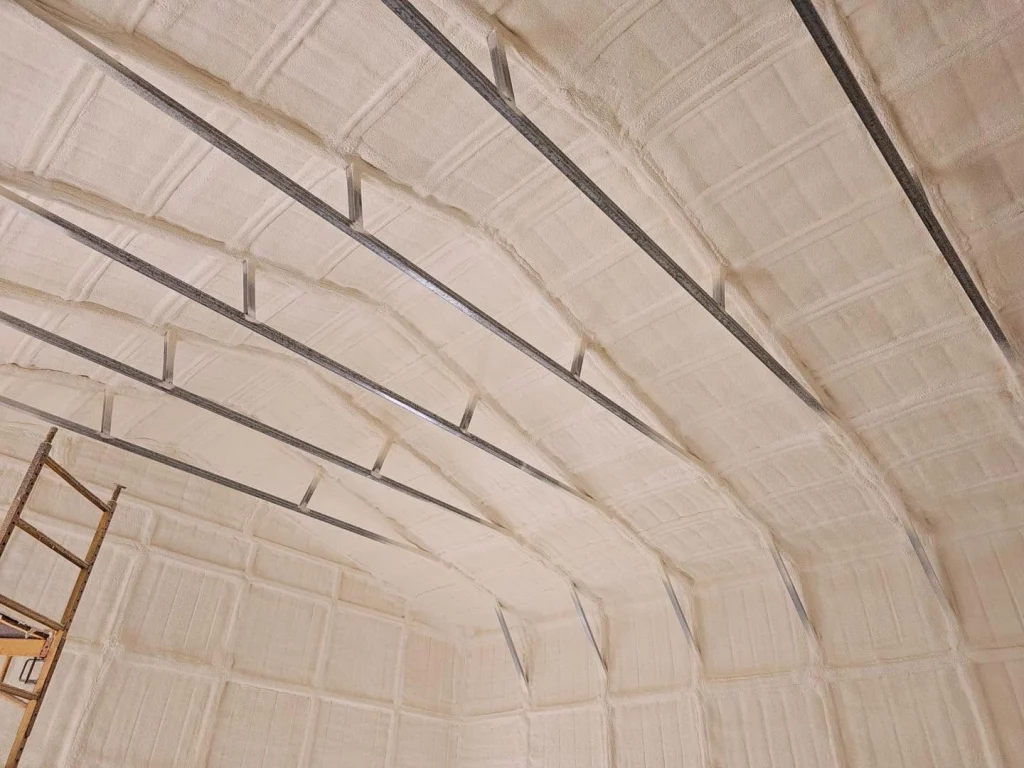
The upfront difference between closed-cell and open-cell spray foam looks meaningful on paper. But framing the decision around initial price alone ignores what happens when a Jupiter home is insulated with a material that cannot stop moisture vapor. In a climate where summer humidity regularly reaches 85 to 95 percent, porous insulation allows warm, moist air to migrate into wall cavities and attic spaces. That trapped moisture condenses on cooler surfaces, leading to mold growth, wood rot, and a measurable loss in R-value as the insulation degrades. A material that costs less on day one but loses thermal performance and invites structural damage over the next decade is not the cheaper option.
Closed-cell spray foam eliminates that moisture pathway. It seals the building envelope, blocks vapor drive, and maintains its R-value for the life of the home. In Jupiter’s climate, that is not a luxury upgrade. It is the insulation choice that actually does the job the Florida building code and coastal conditions demand.
At All In OverHall, we specialize in closed-cell and open-cell spray foam insulation for homes and commercial buildings across Jupiter, FL. Our team evaluates your building’s specific needs, access conditions, and climate exposure to recommend the right foam type and thickness for your project. Every estimate is based on an actual assessment of your space, not a generic formula.
Request a Quote | Schedule an Insulation Assessment
Reach us at [email protected] or call (561) 406-3835 to get started. We serve Jupiter and the surrounding 33458 and 33478 zip codes with licensed, experienced insulation professionals who understand exactly what Florida’s heat and humidity demand from your building envelope.
Properly installed closed-cell spray foam is a permanent insulation solution that does not settle, degrade, or absorb moisture. It maintains its R-value and air-sealing properties for the life of the building.
Closed-cell foam adds structural rigidity to wall and roof assemblies because of its high density and adhesive properties, which can help the building resist wind-driven forces. It is not a replacement for hurricane-rated construction, but it contributes to overall assembly strength.
By sealing air leaks and adding high R-value insulation, spray foam reduces the load on your HVAC system. ENERGY STAR estimates that sealing air leaks and adding insulation can provide up to 10% savings on annual energy bills, with the greatest impact in cooling-dominated climates like Jupiter’s.
Spray foam does produce an odor during and immediately after installation due to the chemical reaction. Proper ventilation during curing and selecting a qualified installer who follows manufacturer guidelines eliminates lingering concerns. This is one of the most common questions we hear from homeowners before they commit to a project.
It depends on the amount of clearance available. We evaluate every retrofit project on site, and in some cases where vaulted ceilings or very tight attic spaces limit access, we may recommend alternative approaches. We are upfront about feasibility during the initial assessment.