What Happens When Old Insulation Stops Performing Properly in Your Home in Jupiter, FL?
Richard Hall
October 14th, 2026
When old insulation stops performing, more attic heat reaches your living space. Your AC runs longer, bills climb, and rooms under the attic stay warm. Wet, flattened or pest-soiled insulation can also hold moisture and odors. If the material is damaged, insulation removal Jupiter, FL followed by new insulation usually fixes the problem. Another layer on top usually doesn’t.
TL;DR
Insulation fails when it gets wet, packed down, disturbed by pests, or was too thin to begin with.
In Jupiter’s heat and humidity, failing attic insulation shows up as high cooling bills, hot rooms and musty smells.
Clean, dry insulation that’s just thin can often be topped up. Wet, moldy or rodent-soiled material should come out.
Pebbly vermiculite should stay untouched until it’s tested for asbestos.
An inspection tells you whether you need removal, a top-up, or nothing at all.
What It Means When Old Insulation Stops Performing
Insulation works by trapping still air. Its R-value, the rating for how well it slows heat, depends on the material keeping its full depth and staying dry. Once that changes, the number on the original label no longer matches what’s in your attic.
Most old insulation Jupiter, FL homeowners call us about has failed in one of these ways:
Compression: stored boxes, foot traffic and years of settling flatten it.
Moisture: roof leaks or AC condensate soak it, and wet insulation slows heat poorly.
Pest damage: rodents tunnel through it and leave droppings, urine and nests.
Gaps: cable installers and HVAC techs push it aside and never put it back.
Too little from the start: older homes were often built with less than today’s targets.
What Happens Inside Your Home When It Fails
In South Florida, the attic is the main source of heat gain most of the year. On a summer afternoon, the space above your ceiling gets much hotter than outdoors, and failing insulation lets that heat move down into your rooms.
Your AC Works Harder
More heat through the ceiling means longer run times. You may notice higher summer bills, an AC that rarely cycles off, and bedrooms that stay warm into the evening. That extra run time also adds wear to the equipment.
Moisture and Mold Can Take Hold
Wet insulation dries slowly in a humid attic. Damp material sitting against framing and drywall can feed mold and leave stains or a musty smell. For example, a small roof leak after a summer storm can soak a patch of insulation that nobody sees for months.
Pests Treat It Like Bedding
Loose, aging insulation is easy for rodents to burrow into. Once droppings and urine soak in, the smell and contamination stay even after the animals are gone. Trapping alone doesn’t clean the attic.
Indoor Air Can Suffer
Dusty, contaminated insulation sits right above light fixtures, ceiling gaps and air returns. Air leaks can pull that dust and odor down into the house.
Why Jupiter’s Climate Wears Insulation Out Faster
Age alone rarely ruins insulation. Dry, undisturbed fiberglass can last for decades. Our weather is what speeds up the damage.
Jupiter’s long humid season, summer storms and hurricane season all raise the odds of roof leaks and attic moisture. Old home insulation Jupiter, FL buyers inherit is also often thinner or patchier than current guidance. A Florida Solar Energy Center review prepared for the state notes that the 2021 IECC moved Palm Beach County into Climate Zone 1, which is the zone used to pick attic insulation targets here.
How Do You Know It’s Time for Insulation Removal?
A few quick checks tell you a lot before you call anyone. If you see any of these, insulation removal Jupiter, FL homeowners put off tends to get more expensive, because the cause keeps spreading.
What You See
What It Usually Means
Insulation level with or below ceiling joists
Too thin
Flat, clumped or bare spots
Compressed or disturbed
Water stains or dark patches
Leak, possible mold
Droppings, tunnels, urine odor
Rodent contamination
Rising summer bills, hot rooms upstairs
Heat coming through the ceiling
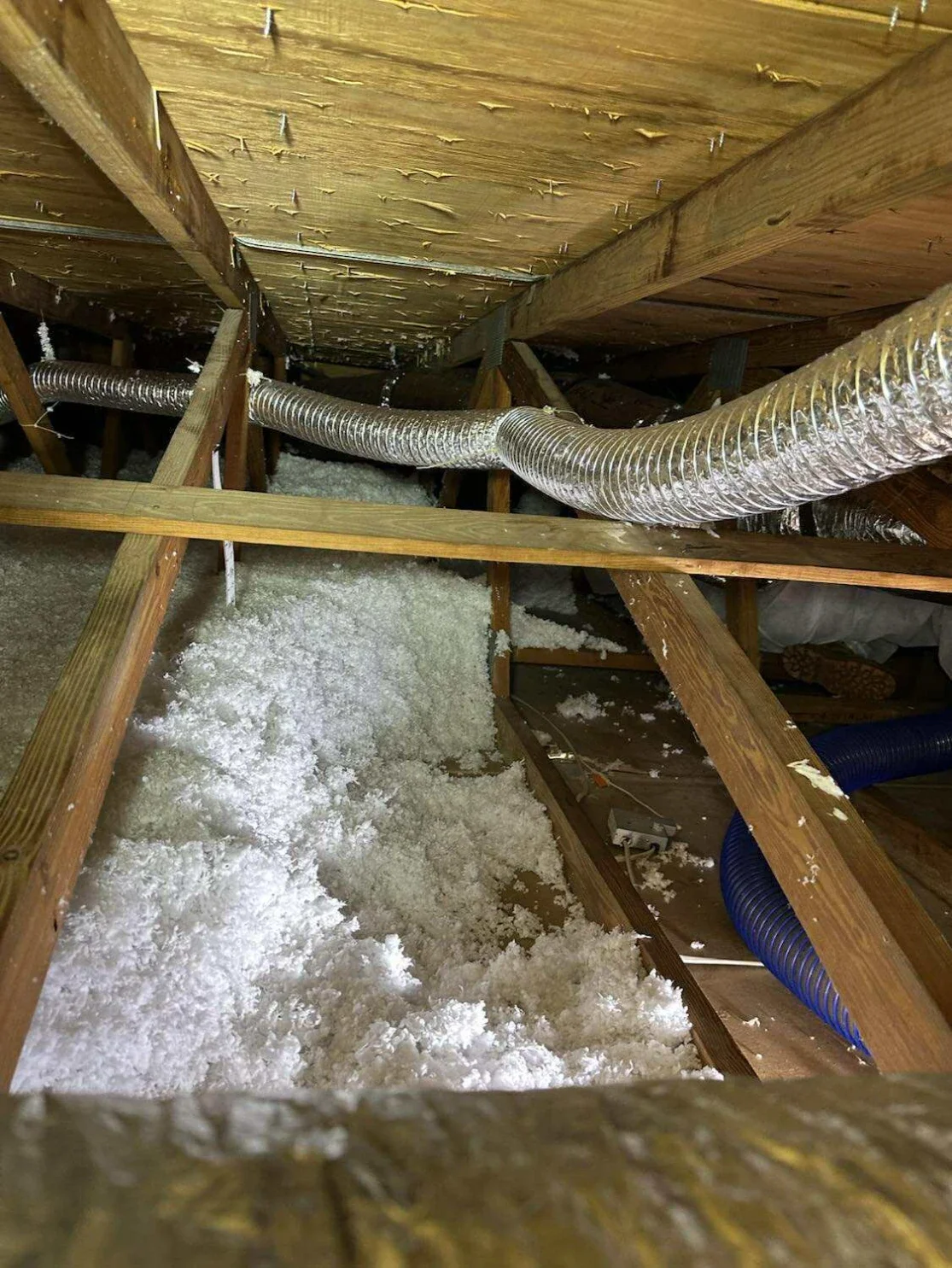
ENERGY STAR says that if your insulation sits level with or below the attic floor joists, you probably need more, that thin spots near the eaves are common, and that an uninsulated attic in Zone 1 calls for R-30 to R-49.
What Happens When Old Insulation Stops Performing Properly in Your Home in Jupiter, FL? 4
Can You Add New Insulation Over the Old?
Sometimes, yes. Removal isn’t always needed, and we’d rather tell you that up front. The condition of the existing material decides it.
Condition
Top Up?
Remove First?
Dry, clean, just thin
Yes
No
Wet or water-stained
No
Yes, after the leak is fixed
Moldy
No
Yes
Rodent droppings or nests
No
Yes, plus cleanup and sealing entry points
Vermiculite
No
Test first
When old insulation becomes wet, moldy, or contaminated, adding another layer will not solve the underlying problem. This guide to replacing old insulation can help homeowners understand the process and choose an appropriate solution.
Don’t Touch Vermiculite Until It’s Tested
Vermiculite looks like light, pebble-like granules, often gray-brown or gold. Some of it contains asbestos, and you can’t tell by looking.
The U.S. EPA advises leaving suspected asbestos material alone, not sampling it yourself, and having removal done only by trained and accredited asbestos professionals. If we spot it during an inspection, we stop work and point you toward testing before anything gets disturbed.
What an Old Insulation Removal Jupiter, FL Job Looks Like
A proper job fixes the cause before anything new goes in. Here’s the usual order:
Inspect: check depth, moisture, pest signs, roof leaks and material type.
Fix the cause: repair leaks and close rodent entry points, or the new insulation fails too.
Protect the house: cover floors and the attic access path.
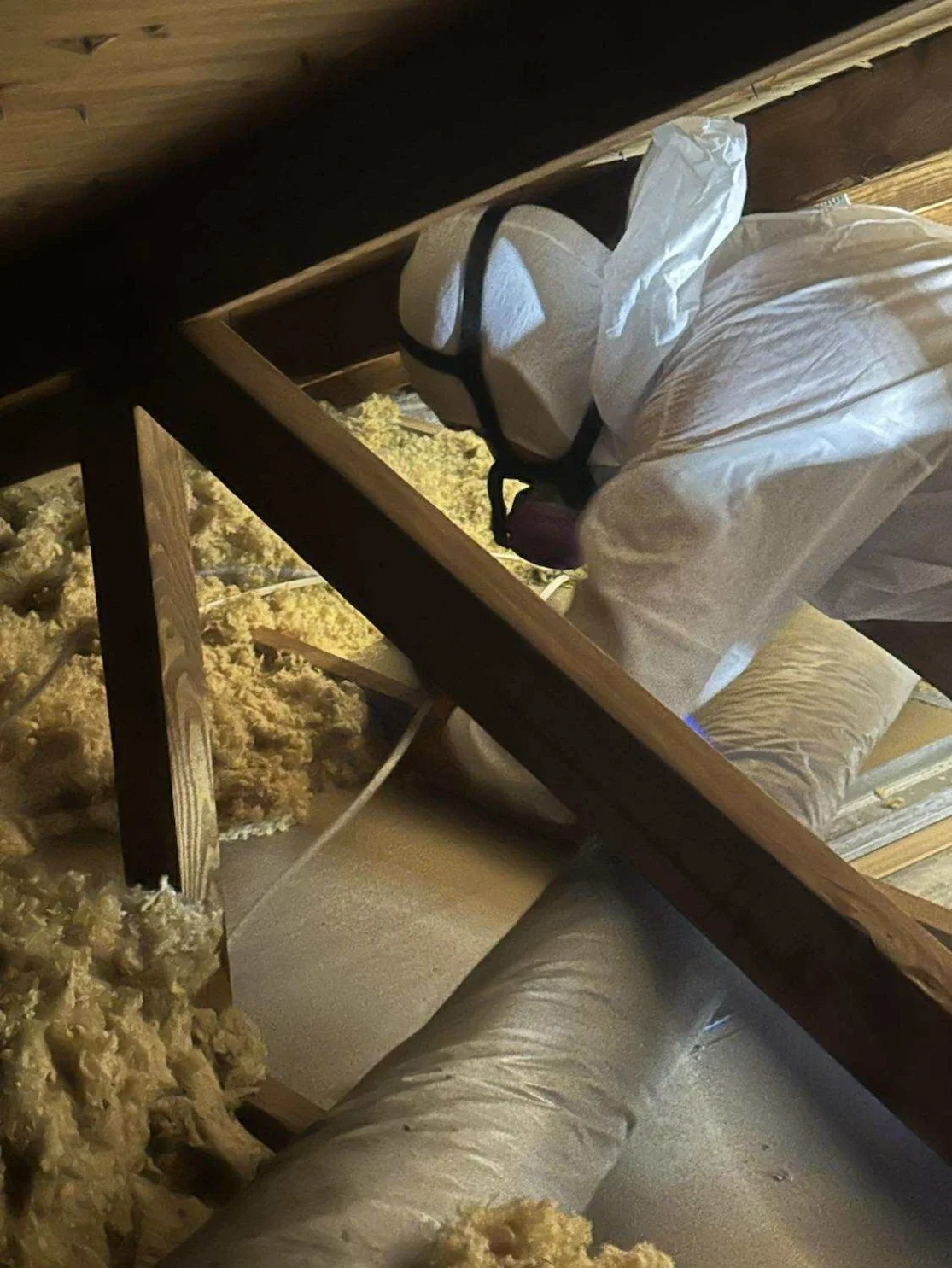
Remove: loose-fill is typically vacuumed into bags, and batts are rolled and bagged.
Clean and seal: clear debris and droppings, then seal gaps around lights, pipes and wiring.
We couldn’t find reliable published pricing for Jupiter, so treat any online number as a rough guess. Your price depends on attic size, how much material comes out, batts versus blown-in, contamination level, how tight the attic is, repairs needed, and the new insulation you pick. Ask for a written quote after an in-person inspection.
Get a Straight Answer on Your Attic
If your bills are up, rooms feel hot, or you’ve had a leak or rodents, an inspection settles whether you need insulation removal, a simple top-up, or nothing at all. All In OverHall serves homeowners in Jupiter, FL and offers free quotes. Call (561) 406-3835 or email [email protected] to request your free quote.
FAQs
These are common questions homeowners ask about failing attic insulation.
How Often Should Attic Insulation Be Replaced?
There’s no fixed schedule. Condition matters more than age, so check it after any roof leak, major storm or pest problem.
How Do I Measure My Insulation’s R-Value?
Measure the depth with a ruler and multiply. ENERGY STAR’s rough factors are about 2.5 per inch for loose fiberglass, 3.7 for cellulose and 3.2 for fiberglass batts.
Can I Remove Old Insulation Myself?
Cleaning fiberglass can be a DIY job, but it’s hot, itchy, and messy work. Skip DIY for vermiculite or rodent-soiled material, since droppings can carry disease and suspected asbestos needs a pro.
How Long Does Insulation Removal Take?
Removal plus new insulation often takes one to two days for a typical attic. Size, access, and contamination can stretch that.
I’m Richard Hall, founder of ALL IN OVERHALL in Jupiter, FL, established in 2022. I focus on clear communication, quality workmanship, and insulation solutions that improve comfort and energy efficiency.