What Factors Determine Whether Old Insulation Can Stay or Should Be Professionally Removed in Wellington, FL?
Richard Hall
October 14th, 2026
Old insulation in a Wellington attic can usually stay if it’s dry, clean, evenly spread, and not vermiculite. However, professional insulation removal services are needed when it’s been wet, holds rodent droppings, smells, is crushed flat, or when you’re switching to spray foam at the roofline. An insulation inspection tells you which side of that line your attic is on.
TL;DR
Condition decides whether insulation stays. Age alone doesn’t.
Wet, moldy, smoke-damaged, or rodent-soiled insulation should be removed, not buried under new material.
Pebble-like gray-brown or silver-gold fill may be vermiculite. Don’t touch it.
Clean, dry insulation that’s too thin can often be topped off instead of replaced.
Palm Beach County’s climate zone sets your R-value target, so measure depth before deciding.
What Counts as “Old Insulation” in a Wellington Home?
“Old” is about condition, not birthday. A 20-year-old batt that stayed dry may still work fine, while a five-year-old blown-in layer under a leaking roof vent may be ruined.
The old insulation Wellington, FL attics hold has to survive long, hot summers, high humidity, and storm season. That’s hard on any material, but it doesn’t mean every attic needs a full tear-out. Old insulation typically retains some R-value, so leaving it and adding new insulation on top is a common recommendation. If a company suggests removal when your current insulation shows no damage, ask plenty of questions to find out whether removal is truly required.
Key Factors That Decide Whether Old Insulation Can Stay
A good insulation inspection in Wellington, FL, homeowners can rely on checks six things. If any of the first four turn up, removal is usually the right call.
Water Damage and Roof Leaks
Wet insulation loses performance and can grow mold. Whenever insulation has gotten wet, that section should be removed, the area dried, and new insulation installed. In Wellington, a small roof leak after a summer storm can soak one corner for months before a ceiling stain shows up. Homeowners who need insulation removal in Wellington, FL should address the moisture source first to prevent the same problem from damaging the replacement material.
Rodents, Droppings and Nesting
Rats and roof rats love loose-fill insulation. The problem is what they leave behind. The CDC warns against vacuuming or sweeping rodent urine, droppings, or nesting materials, and says to soak them with a bleach solution or an EPA-registered disinfectant for about 5 minutes first. That’s hard to do across a whole attic of fluffy insulation, which is why soiled insulation usually gets removed rather than cleaned. Seal the entry points first, or the problem comes right back.
Possible Vermiculite (Asbestos Risk)
Vermiculite is the one case where you should stop and leave things alone. According to the EPA, it’s a pebble-like, pour-in product, usually gray-brown or silver-gold, and a mine in Libby, Montana, supplied over 70 percent of U.S. vermiculite from 1919 to 1990 while being contaminated with asbestos. The EPA advises homeowners to assume it contains asbestos, leave it undisturbed, never remove it themselves, and hire a professional asbestos contractor before any work that would disturb it. A regular insulation crew isn’t the right fit for this one.
Compression, Gaps and Odors
Insulation that gets trampled by contractors or crushed under storage loses R-value, and lingering odors coming from the attic are another sign it’s time for removal and replacement. Look for flattened walkways around the air handler, bare spots near the eaves, and boxes sitting directly on the insulation.
Depth Compared to the Target R-Value
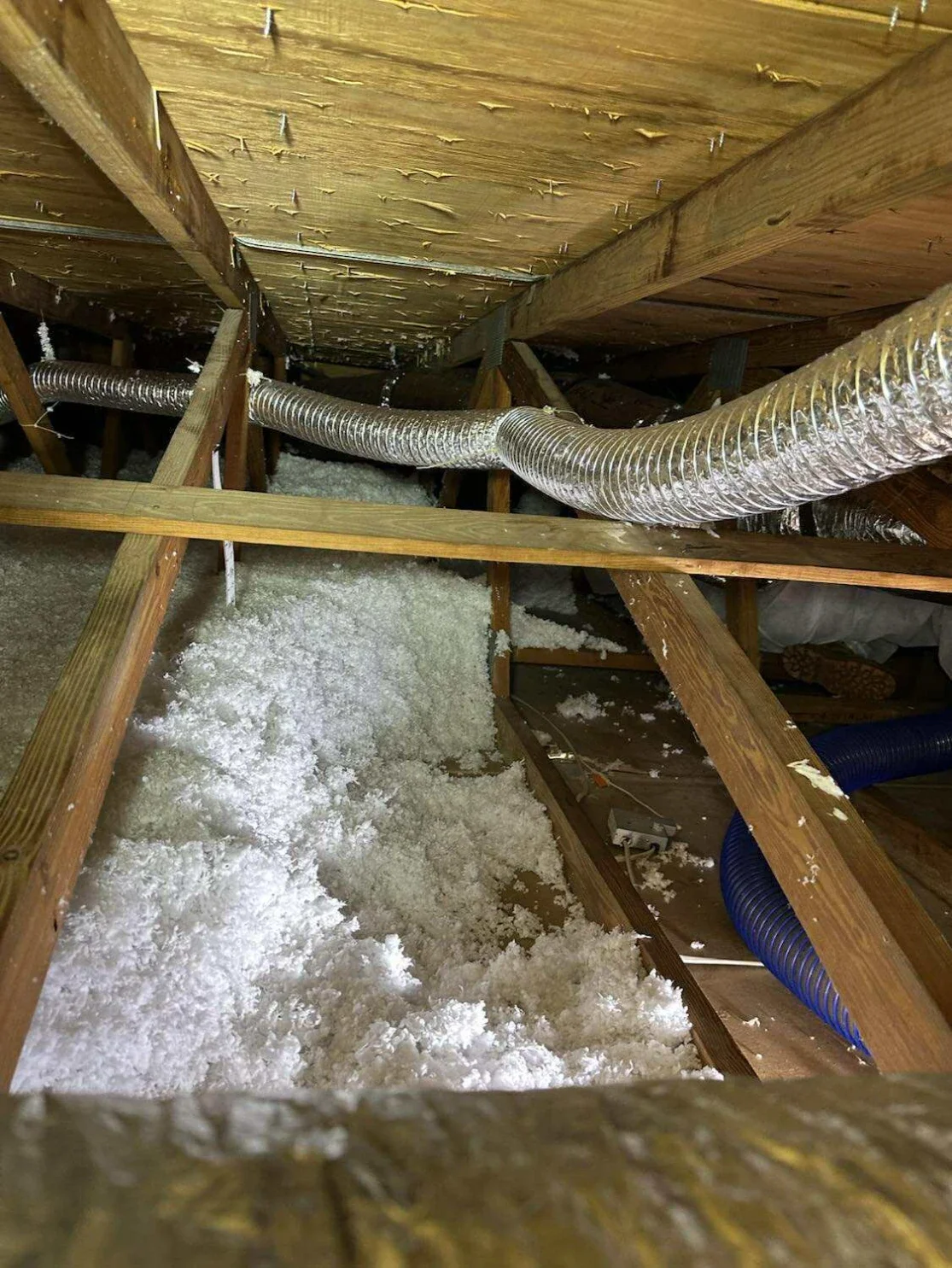
Clean insulation that’s simply too thin is the easiest case. You can often add more on top. Under the current Florida Building Code, Palm Beach County is listed in climate zone 1A. For zone 1, ENERGY STAR recommends R30 for an uninsulated attic and adding R25 if you already have 3 to 4 inches.
One heads-up: older maps put Palm Beach in a different zone. The 2012 IECC listed Palm Beach County as zone 2A, where ENERGY STAR’s targets are higher. The Florida Building Code energy chapter is the more current authority here, so zone 1 targets apply to most Wellington homes today.
What You’re Planning Next
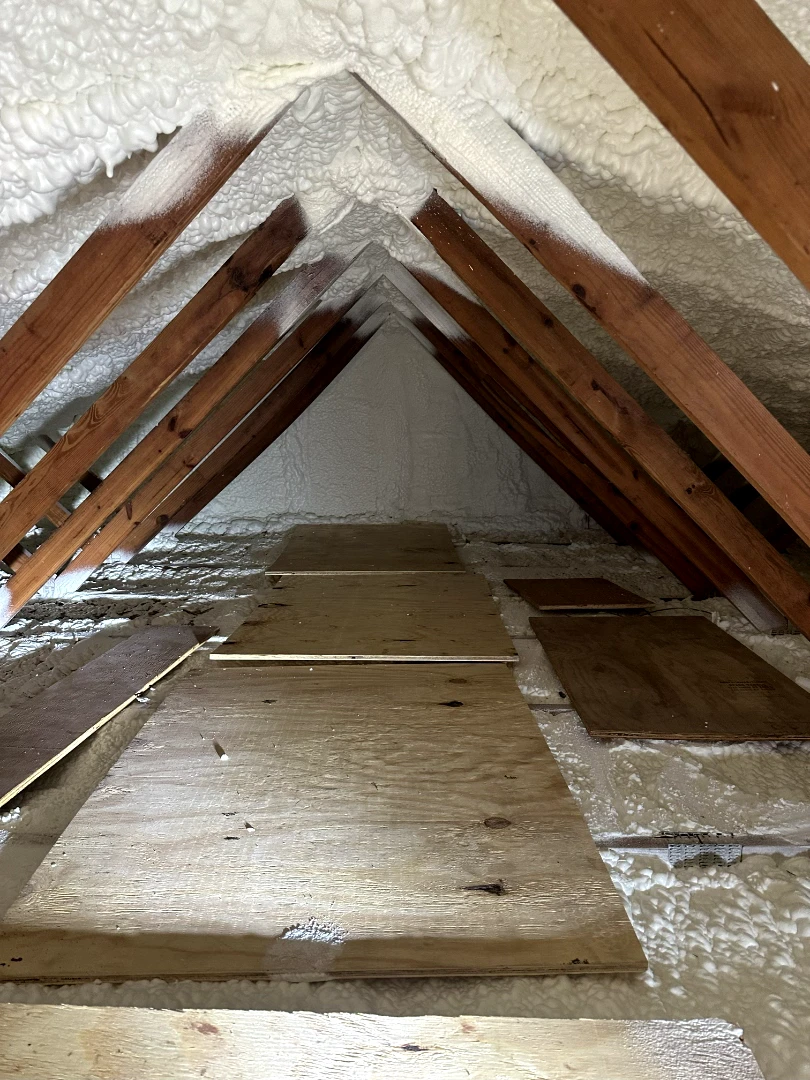
Your upgrade plan can force the decision. If you’re moving insulation to the roof deck with spray foam, the old floor insulation often has to go. One building-science writer notes that leaving it can block air sealing at transitions, keep debris inside what becomes conditioned space, and that some efficiency programs require its removal.
Keep or Remove: Quick Comparison
This table sums up the usual call. Your inspection may still find something that changes it.
Attic Condition
Usual Call
Dry, clean, even, just thin
Keep and top off
Wet or water-stained section
Remove that area
Droppings, nests, urine odor
Remove and sanitize
Fire or smoke damage
Remove
Crushed or full of gaps
Remove or rebalance
Possible vermiculite
Don’t touch; call an asbestos pro
Switching to roofline spray foam
Usually remove
What Factors Determine Whether Old Insulation Can Stay or Should Be Professionally Removed in Wellington, FL? 4
Why Is DIY Insulation Removal a Bad Fit for Most Homes?
Pulling insulation looks simple until you’re in a Wellington attic in July. Heat, dust, and tight framing turn a weekend project into a real safety risk. Understanding the proper removal process can help homeowners recognize why this work often requires professional equipment and safety precautions.
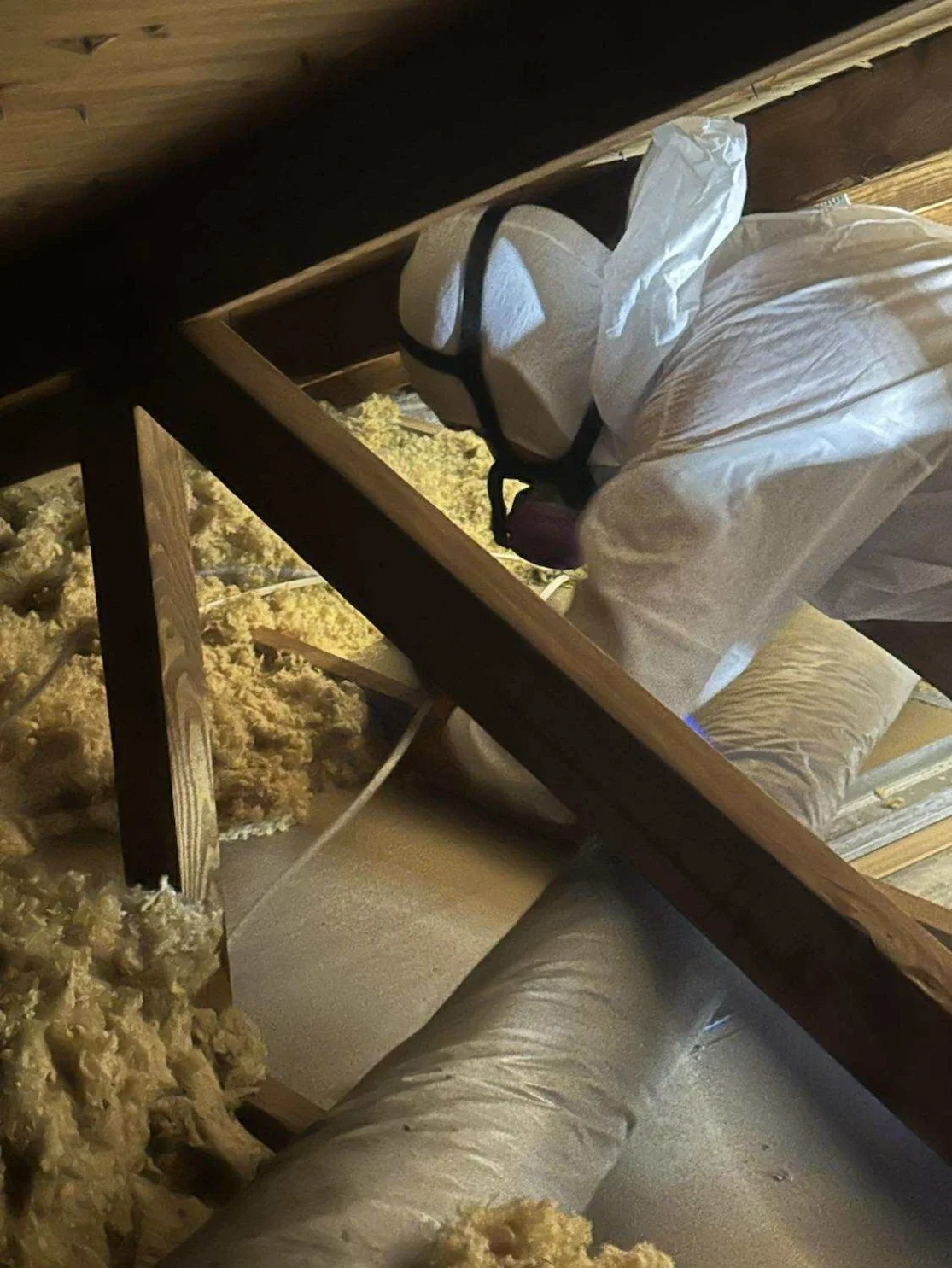
A shop vac can’t handle the volume, and sweeping soiled material spreads exactly the dust the CDC warns about. Many Florida homes also have ductwork and the air handler in the attic, so one wrong step can crush a duct or put a foot through drywall. That’s where professional insulation removal crews earn their fee: high-powered removal vacuums, bagged waste, protective gear, and a cleaned attic floor ready for new material.
Simple Pre-Inspection Checklist
You can gather useful clues from the attic hatch without walking across the joists.
Note any ceiling stains or past roof repairs.
Look for droppings, chewed wiring, or nest material.
Check for pebble-like gray or gold fill. If you see it, close the hatch.
Measure depth at a spot you can reach safely with a ruler.
Write down any musty or urine-like smells.
List upcoming plans, such as a roof replacement or spray foam.
Talk to All In OverHall About Your Attic
If you’re unsure whether your insulation can stay, a quick look usually settles it. All In OverHall handles insulation removal homeowners need after leaks, pests, or upgrades, and can talk you through insulation replacement Wellington, FL options when topping off won’t cut it. If you suspect damage, ask about old insulation removal scheduling. Every quote is free, so you’ll know your options before spending a dime.
I’m Richard Hall, founder of ALL IN OVERHALL in Jupiter, FL, established in 2022. I focus on clear communication, quality workmanship, and insulation solutions that improve comfort and energy efficiency.