Can Spray Foam Insulation Improve the Performance of Hard-to-Insulate Areas in Lake Worth Beach, FL Homes?
Quick answer: Yes, in most homes it can. Spray foam insulation for Lake Worth Beach, FL homeowners expands into tight…


Quick answer: Yes, in most homes it can. Spray foam insulation for Lake Worth Beach, FL homeowners expands into tight roof edges, odd-shaped cavities, and gaps around ducts and wiring that batts and loose fill often miss, and it seals air leaks in the same step. Results depend on the right foam type, a dry and sound roof deck, and a careful installer.
TL;DR
Lake Worth Beach homes fight heat and humidity most of the year. A code review by the Florida Solar Energy Center notes that the 2021 energy code moved Palm Beach County into Climate Zone 1, the hottest zone. That means attics bake and AC systems run long hours.
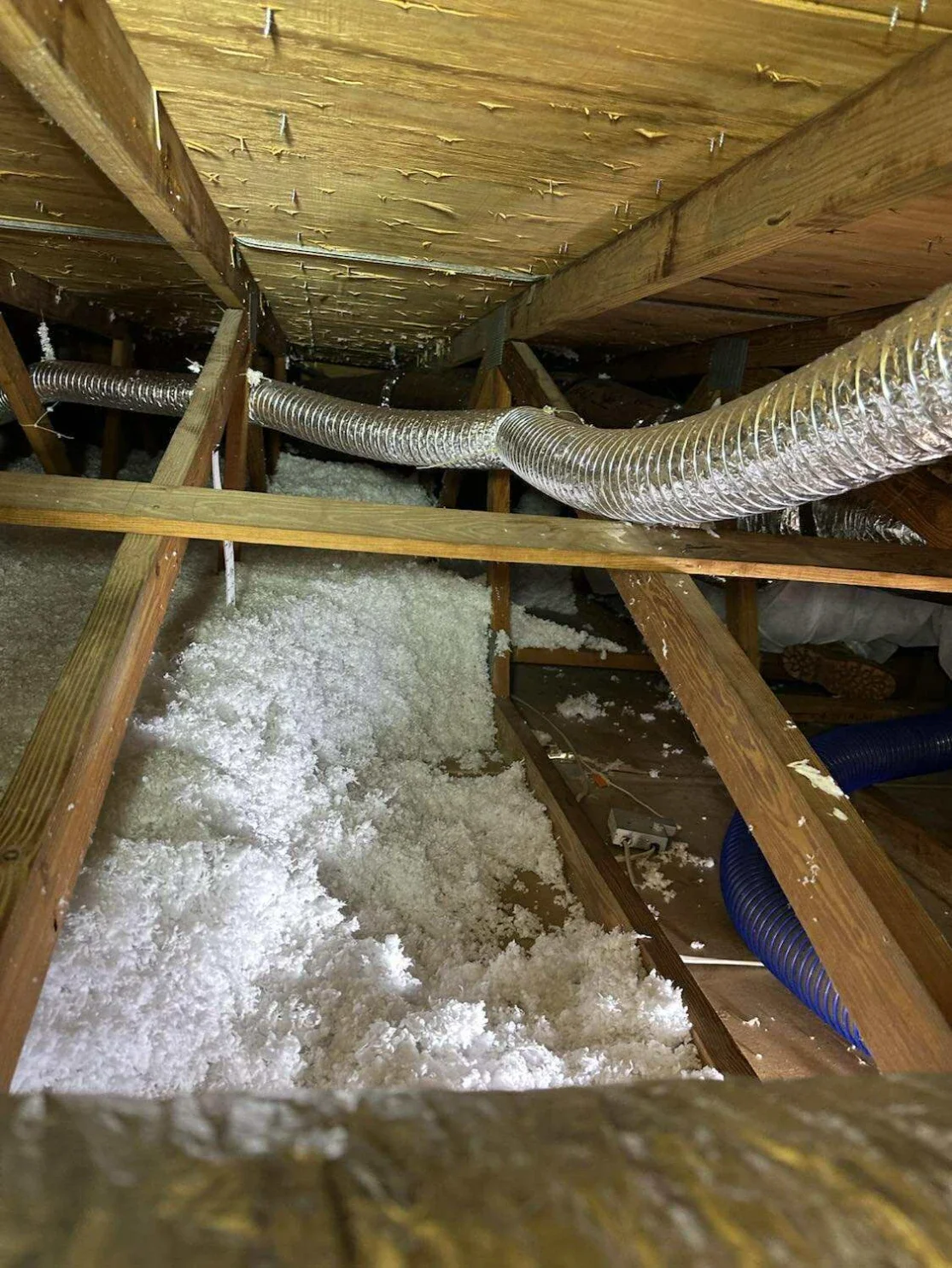
Problem spots share three traits: little room to work, odd shapes, and lots of holes for pipes, wires, and ducts. A batt can’t wrap around a duct boot, and loose fill can’t stick to a sloped roof deck. The spray foam energy guide explains how spray foam can seal these hard-to-reach areas. The gaps left behind let hot, damp attic air into your living space, which pushes up cooling bills and leaves rooms feeling sticky.
Spray foam for hard-to-insulate areas: Lake Worth Beach, FL homes usually target the spots below. Each one is tricky for a different reason, so the fix changes from area to area.
| Area | Why It’s Hard | What Foam Does |
|---|---|---|
| Roof edges and eaves | Very low clearance | Sprayed by wand from a distance |
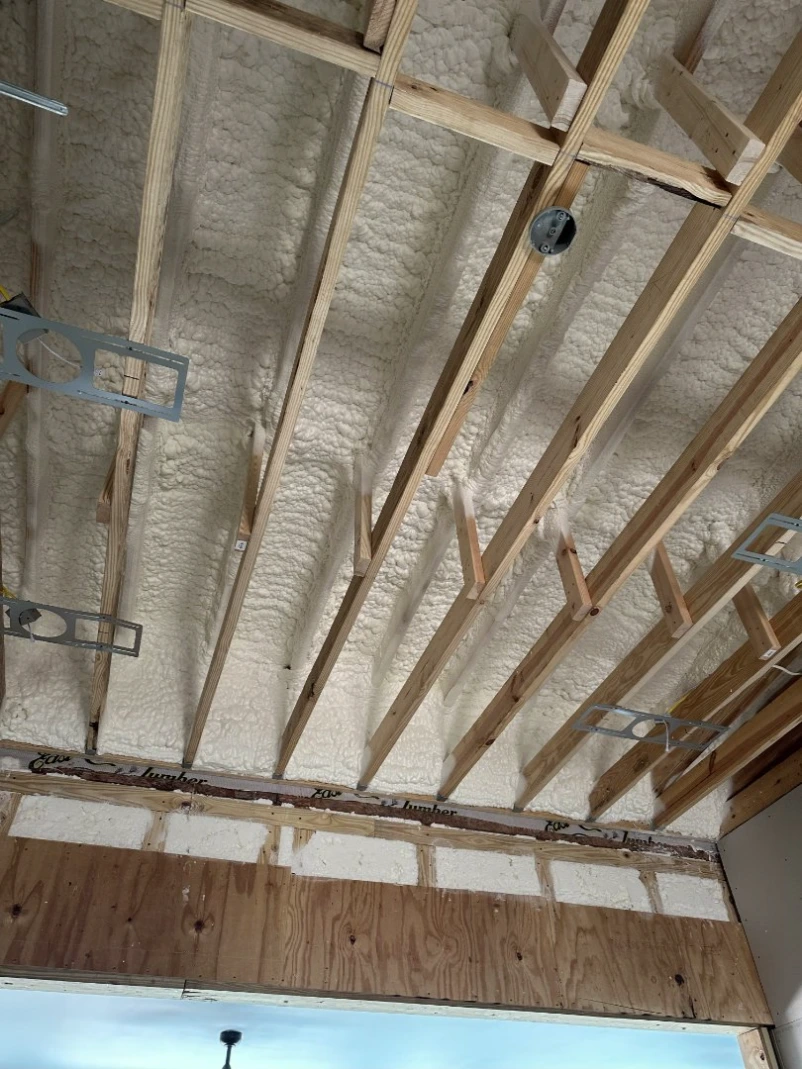
| Vaulted ceilings | Shallow rafter bays | Seals and insulates in one pass |
| Ducts and air handler | Boots and pipes break up batts | Wraps around obstructions |
| Top plates and attic joints | Small, scattered gaps | Fills cracks that leak attic air |
| Bonus room over garage | Mixed framing and wiring | Fills the cavity and air seals |
| Window and door frames | Narrow gaps | Low-expansion foam closes leaks |
Spray foam goes on as a liquid, expands, then hardens in place. According to Energy.gov’s guide to insulation types, foamed-in-place insulation can fill even the smallest cavities and create an effective air barrier, and it suits finished areas, irregularly shaped areas, and spaces around obstructions. That’s the main reason it beats batts in cramped corners.
It also does two jobs at once. Energy.gov advises sealing air leaks before insulating, and notes that foam’s air barrier can remove some separate weatherizing tasks like caulking and taping joints. Residential spray foam insulation combines insulation and air sealing, helping reduce the number of separate steps and the labor needed in spaces that are hard to reach in the first place.
Picking the wrong type is a common mistake. Closed-cell foam has a higher R-value and stronger resistance to moisture and air leakage, but it is denser and costs more. Open-cell is lighter and cheaper but shouldn’t be used below ground, where it could absorb water.
Building-science forum experts often stress that open-cell under a roof deck works best when the attic is designed as conditioned space. Treat that as practical advice to discuss with your installer, not a rule.
Foam solves a lot, but not everything. Here’s where we’d steer you toward something else or add a step first.
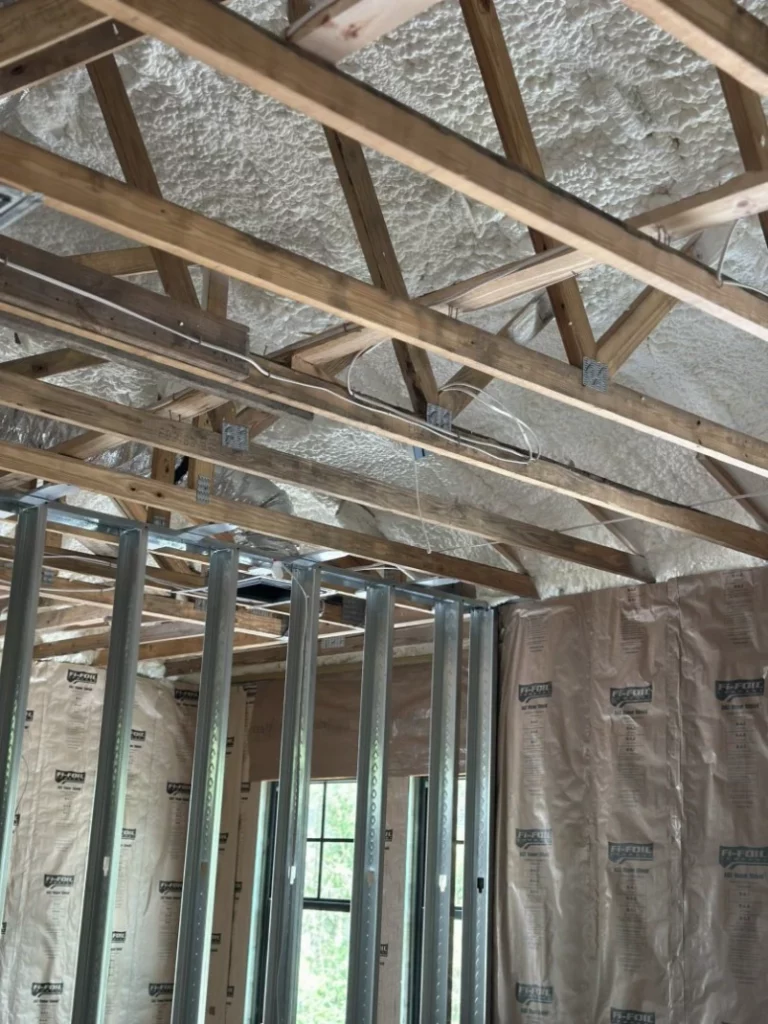
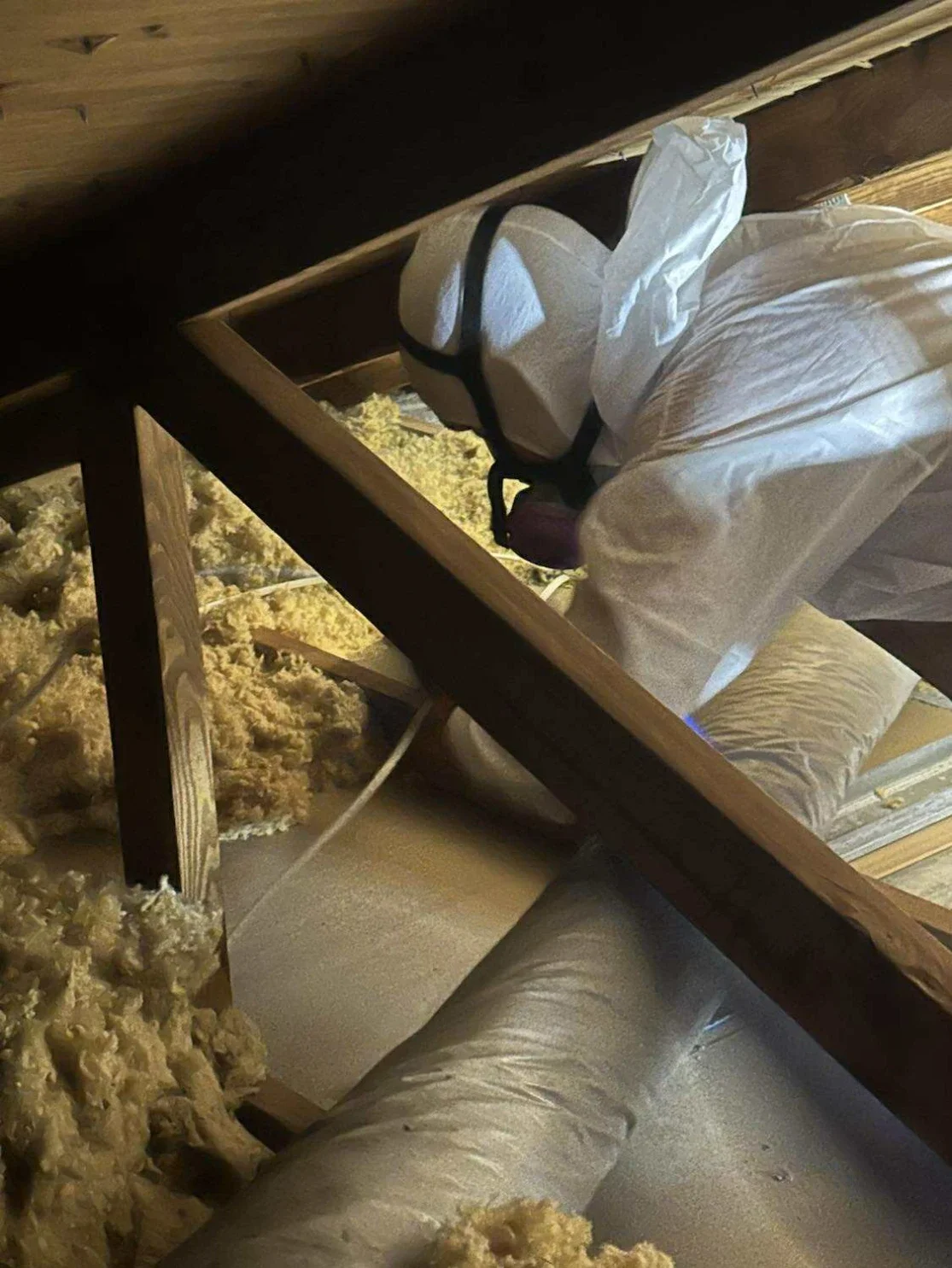
A typical spray foam insulation installation in Lake Worth Beach, FL, job follows a clear order. Knowing it helps you plan time away from home.
The EPA’s spray foam safety tips say occupants shouldn’t re-enter until the manufacturer’s re-occupancy steps are met, and correctly applied, fully cured foam is generally considered fairly inert. Re-entry time depends on the product formulation and other factors that affect curing, so ask for the exact number before work starts.
A good spray foam insulation contractor Lake Worth Beach, FL homeowners can trust should answer these questions without hesitation. If a spray foam insulation company Lake Worth Beach, FL residents call can’t explain its plan, keep looking.
If certain rooms stay hot, your AC never seems to catch up, or your attic has corners nobody can reach, those spots are worth a closer look. All In OverHall offers spray foam insulation services Lake Worth Beach, FL homeowners can use to target those hard-to-insulate areas without guesswork. We’ll look at the space, explain your foam options plainly, and give you a free quote.
Call (561) 406-3835 or email [email protected] to set up your free quote in Lake Worth Beach, FL.
Yes. Foam can be sprayed onto exposed roof decks, attic framing and other open areas in finished homes. Closed wall cavities are harder and may need injection foam or a different product.
Usually not directly. Foam needs a clean, dry surface to bond, so old batts or loose fill in the way are often removed first, especially if they’re dirty or damp.
It depends on the space. Closed-cell suits shallow bays and moisture-prone spots, while open-cell often works for large roof decks when the attic is designed as conditioned space.
Small jobs, like a few eaves or duct areas, can often be done in a day. Whole roof decks take longer, plus the curing time the product requires before you return.
Correctly applied foam that has fully cured is generally considered fairly inert. The main exposure risk comes during spraying and curing, which is why the home should be empty then.