Can Spray Foam Insulation Improve the Performance of Hard-to-Insulate Areas in Lake Worth Beach, FL Homes?
Quick answer: Yes, in most homes it can. Spray foam insulation for Lake Worth Beach, FL homeowners expands into tight…



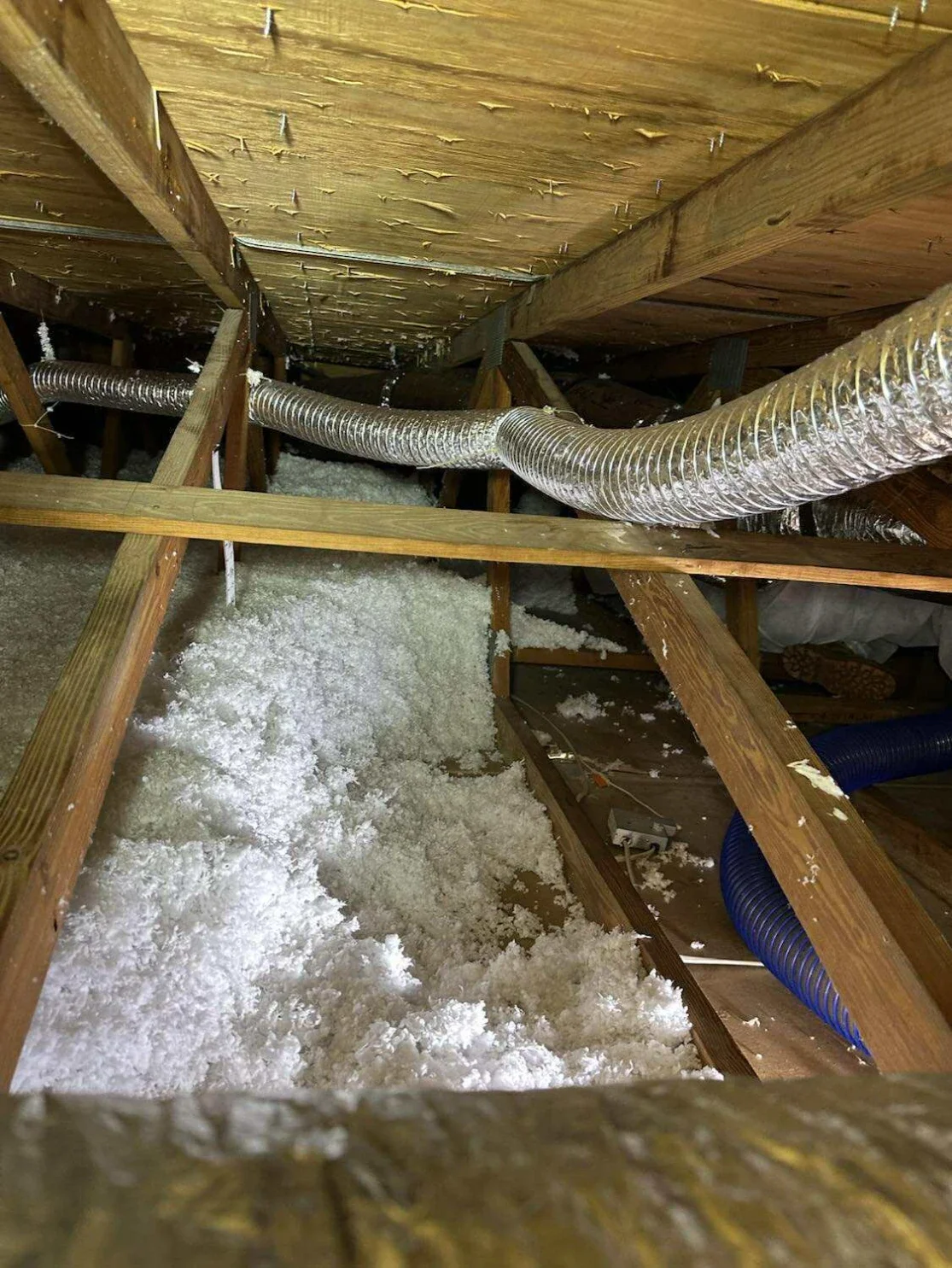
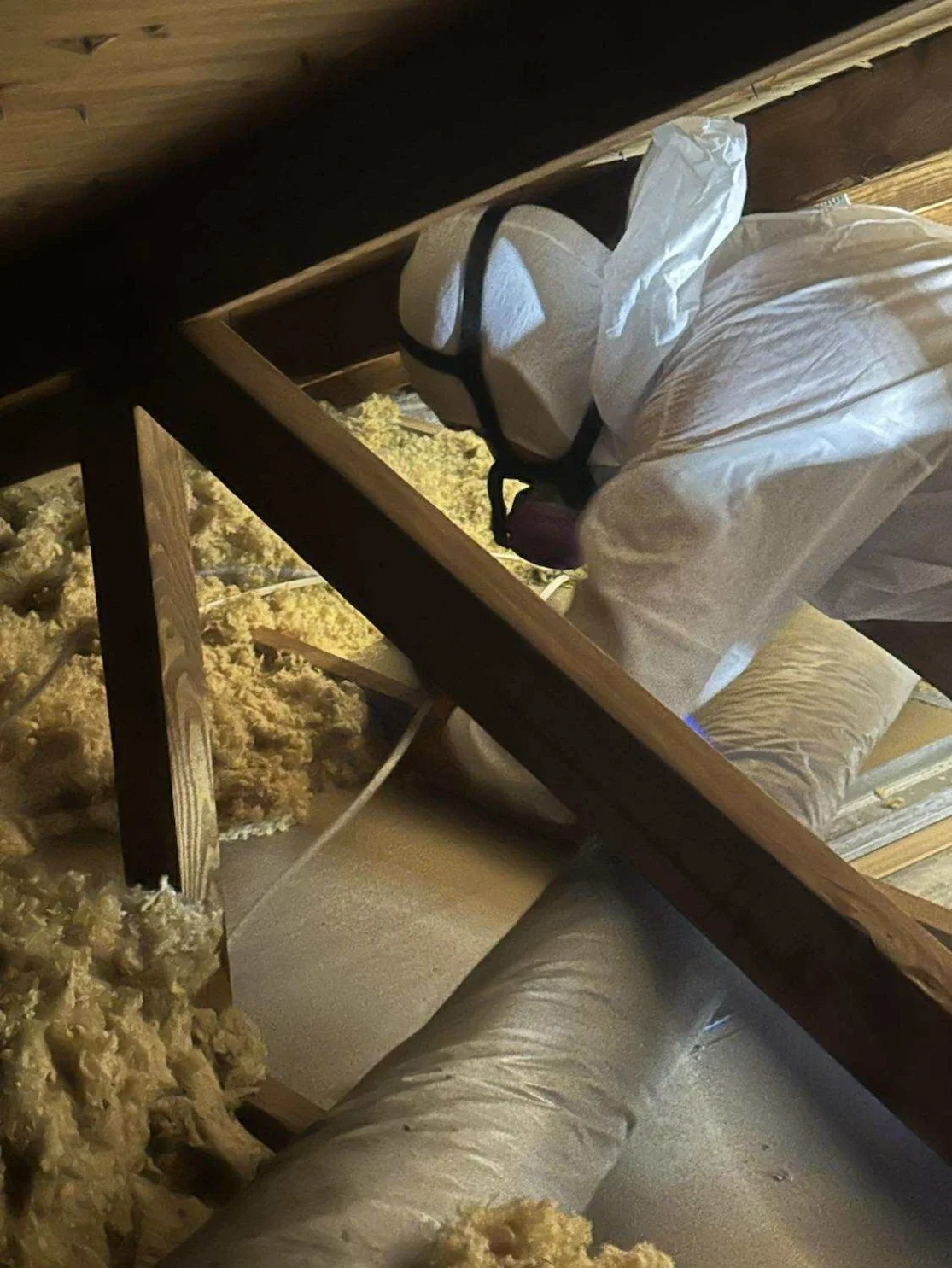
Old insulation in Jupiter, FL stops protecting your home because South Florida’s tropical climate slowly breaks the material down from the inside out. Jupiter sits in a tropical rainforest climate zone, with a hot, wet season running May through October, humid summers, and brief daily thundershowers- conditions that force insulation to fight heat, moisture, and airborne humidity nearly year-round. Our insulation replacement guide explains what homeowners should consider when aging insulation can no longer perform effectively. Over time, that exposure settles loose-fill material, compresses batts, saturates fibers, and strips R-value from foam, so the thermal barrier your home relied on decades ago simply is not there anymore. The right fix depends on the material in place, its age, how much moisture it has absorbed, and how the attic is vented, because fiberglass batts, blown cellulose, spray foam, and radiant barriers each fail in different ways and each call for a different response.
Jupiter is the northernmost town in Palm Beach County, jutting into the Atlantic Ocean farther than any other point on the Florida coast. The town has a tropical rainforest climate (Köppen Af): warm to hot most of the year, extremely rare frost, humid summers, a mild, dry winter from November through April, and a hot, wet summer from May through October with common daily thundershowers (Wikipedia – Jupiter, Florida).
That combination is uniquely punishing for three reasons:
The US standard recommendation of at least R-38 for attics assumes insulation performing as installed. In Jupiter, aging materials often deliver far less than their rated value long before anyone notices.
Most insulation works by trapping pockets of still air, and water conducts heat far better than air. Research summarized in building science references shows that changing humidity from 0% to 90-95% increased thermal conductivity by 2% for rockwool and up to 45% for lightweight cellular materials, with polyurethane gaining roughly 5% as humidity climbed from 1% to 100% (Wikipedia – Building insulation). When moisture has already saturated or contaminated the material, professional insulation removal services may be necessary before new insulation is installed. Trapped moisture also creates thermal bridges, rots framing, and feeds mold and bacterial growth, so wet insulation damages more than your energy bill.
Dry loose-fill cellulose, one of the most common retrofit materials of past decades, settles as much as 13% to 20% after installation (Wikipedia – Cellulose insulation). As it compacts vertically, gaps open across the attic floor and around framing, letting heat pass through uninsulated channels.
A compressed fiberglass batt loses R-value even though its R-value per inch rises, so stuffing or squashing batts reduces total performance. Adding a second layer on top of an old one compresses the first layer, which is why a “top-off” does not simply double your protection (Wikipedia – R-value (insulation)).
Closed-cell foams are expanded with gases that slowly diffuse out and get replaced by ordinary air, permanently lowering the effective R-value. US Army research on long-term degradation found closed-cell spray polyurethane lost 27.5% of its initial R-value and aerogels lost 15%, while fiberglass and extruded polystyrene retained over 97% (Wikipedia – R-value (insulation)). Air infiltration makes all of this worse by allowing convective heat transfer and condensation inside assemblies.
Radiant barriers, popular in Florida attics, reflect radiant heat only when their foil surface stays clean and faces an open air space. Dust accumulation on a barrier laid over attic insulation can reduce its reflectivity by nearly half (Wikipedia – Radiant barrier). A film of dirt or moisture also changes emissivity and quietly erodes performance (Wikipedia – Building insulation).
| Insulation Type | How It Degrades in Jupiter’s Climate | Warning Signs |
|---|---|---|
| Fiberglass batts | Compress under added layers, absorb moisture, get displaced by wind, pests, or service work | Flattened or thin spots, gaps at edges, discolored batts |
| Loose-fill cellulose | Settles 13-20%, leaving voids; absorbs storm moisture | Mounded or drifted piles, uneven depth, musty odor |
| Closed-cell spray foam | Slow blowing agent loss, up to 27.5% R-value decline in aging tests | Shrinkage or separation at edges, rising summer runtime |
| Open-cell spray foam | Softer structure, lower R per inch, more vapor-open in humid conditions | Drafty rooms, higher humidity indoors |
| Radiant barrier | Dust film cuts reflectivity by up to half over time | Visible dust layer on downward-facing foil |

We base project pricing on the scope of work, and here are the typical ranges we see for homes in and around Jupiter. You can also See Our Location to learn more about the area we serve, where most homes we service run between 1,500 and 4,000 square feet:
| Service | Typical Low | Typical Average | Typical High |
|---|---|---|---|
| Attic insulation | $1,500 | $5,000 | $15,000 |
| Insulation removal and replacement | $1,500 | $3,000 | $7,500 |
| Open cell spray foam | $1,500 | $5,000 | $15,000 |
| Closed cell spray foam | $2,000 | $8,000 | $25,000 |
Pricing climbs with larger square footage, greater thickness or higher target R-value, difficult access, and when old insulation must be removed first. Easier access to the work area lowers the price, and material price changes can shift quotes.
| Your Situation | Recommended Approach | Why It Works |
|---|---|---|
| Older home with original batts, 20+ years old | Full insulation removal and replacement | Removes compressed, possibly moist material and resets depth to modern R-value targets |
| Settled loose-fill with uneven coverage | Remove and replace, or bring depth back up evenly | Eliminates voids created by 13-20% settling |
| Storm or roof leak history | Inspection, then removal of any wet material | Saturated insulation loses R-value and invites mold |
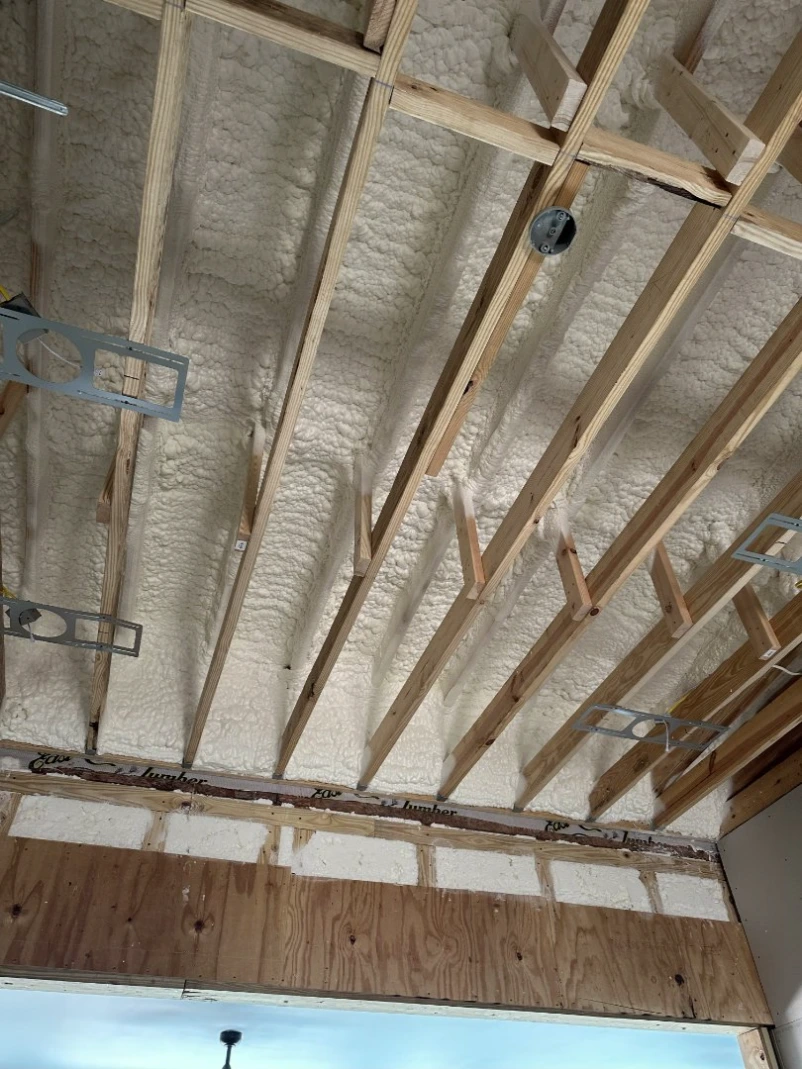
| Hot attic with ductwork overhead | Closed-cell spray foam at the roofline, or radiant barrier paired with bulk insulation | Hot-climate studies show radiant barriers trim cooling costs 5-10% in warm, sunny regions |
| New construction or major retrofit | Spray foam air sealing plus insulation | Sealing the envelope matters most in hot, humid air-conditioned homes |
Old insulation in Jupiter does not fail overnight; it fades, settles, and soaks until your AC absorbs the difference. At All In OverHall, our team diagnoses exactly how your attic insulation has aged, removes what cannot be saved, and installs the right material for a coastal tropical climate. Email us at [email protected] or call (561) 406-3835 to get started.
The sooner degraded insulation is replaced, the sooner every summer bill starts shrinking.
Lab aging tests show fiberglass and extruded polystyrene retain over 97% of their R-value, but real-world humidity, settling, and compression typically degrade performance much sooner. A professional attic inspection tells you where yours stands.
Yes, if the existing material is dry, evenly distributed, and free of mold. Keep in mind that a second layer compresses the first, so it must be planned carefully, and any wet or contaminated insulation must be removed first.
Settling, moisture absorption, compression, and dust on reflective surfaces all reduce effective R-value without changing how the attic looks from the hatch. The insulation may be present but no longer performing.
It does. Published research shows high humidity can raise the thermal conductivity of common insulation materials by anywhere from 2% to 45%, and trapped moisture adds mold risk on top of the energy loss.
Closed-cell foam runs about R-5.5 to R-6.5 per inch and resists moisture, while open-cell runs about R-3.6 per inch, costs less, and works well for interior cavities. Closed-cell is usually the better fit for humid coastal applications.