Can Spray Foam Insulation Improve the Performance of Hard-to-Insulate Areas in Lake Worth Beach, FL Homes?
Quick answer: Yes, in most homes it can. Spray foam insulation for Lake Worth Beach, FL homeowners expands into tight…



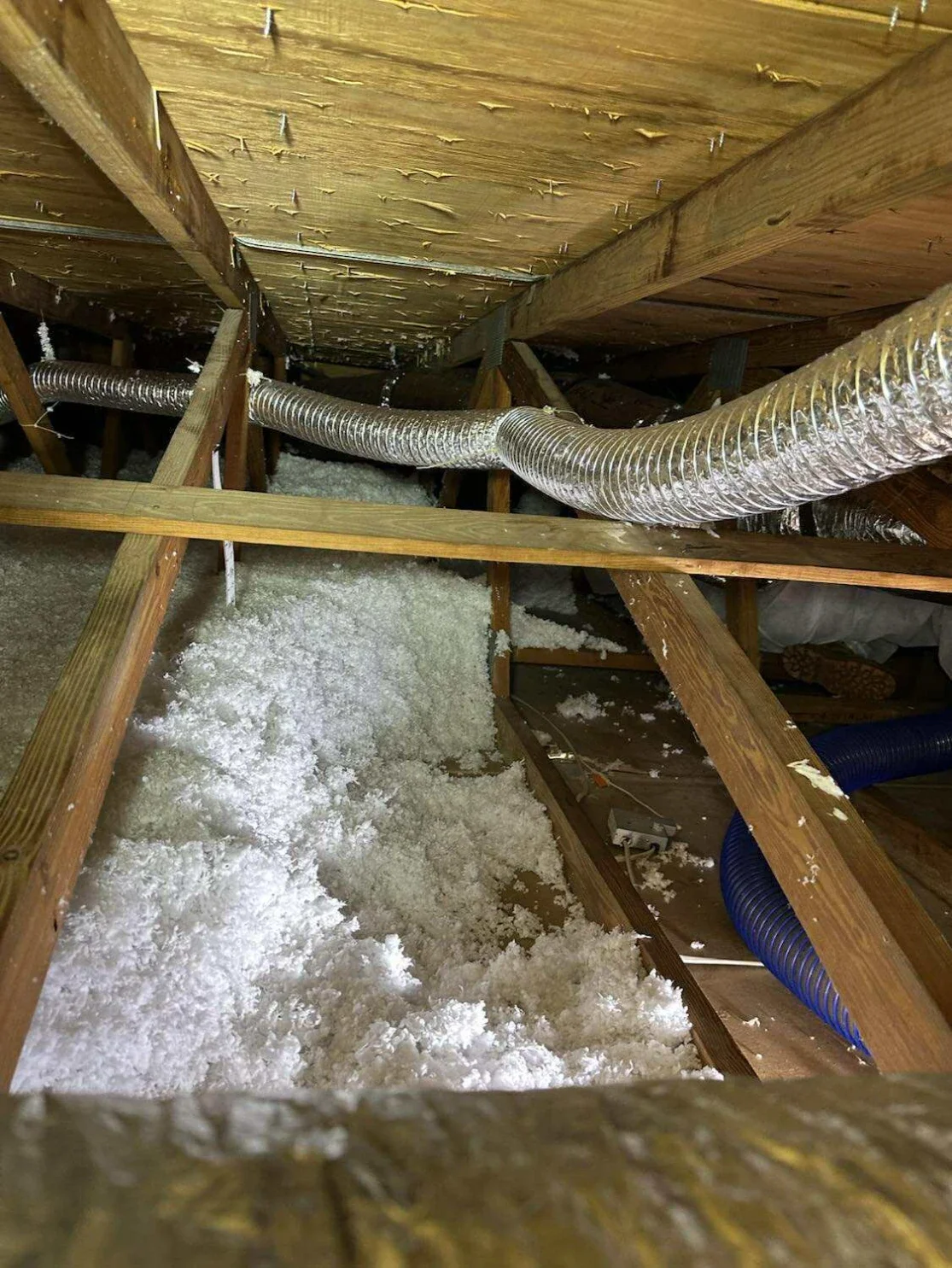
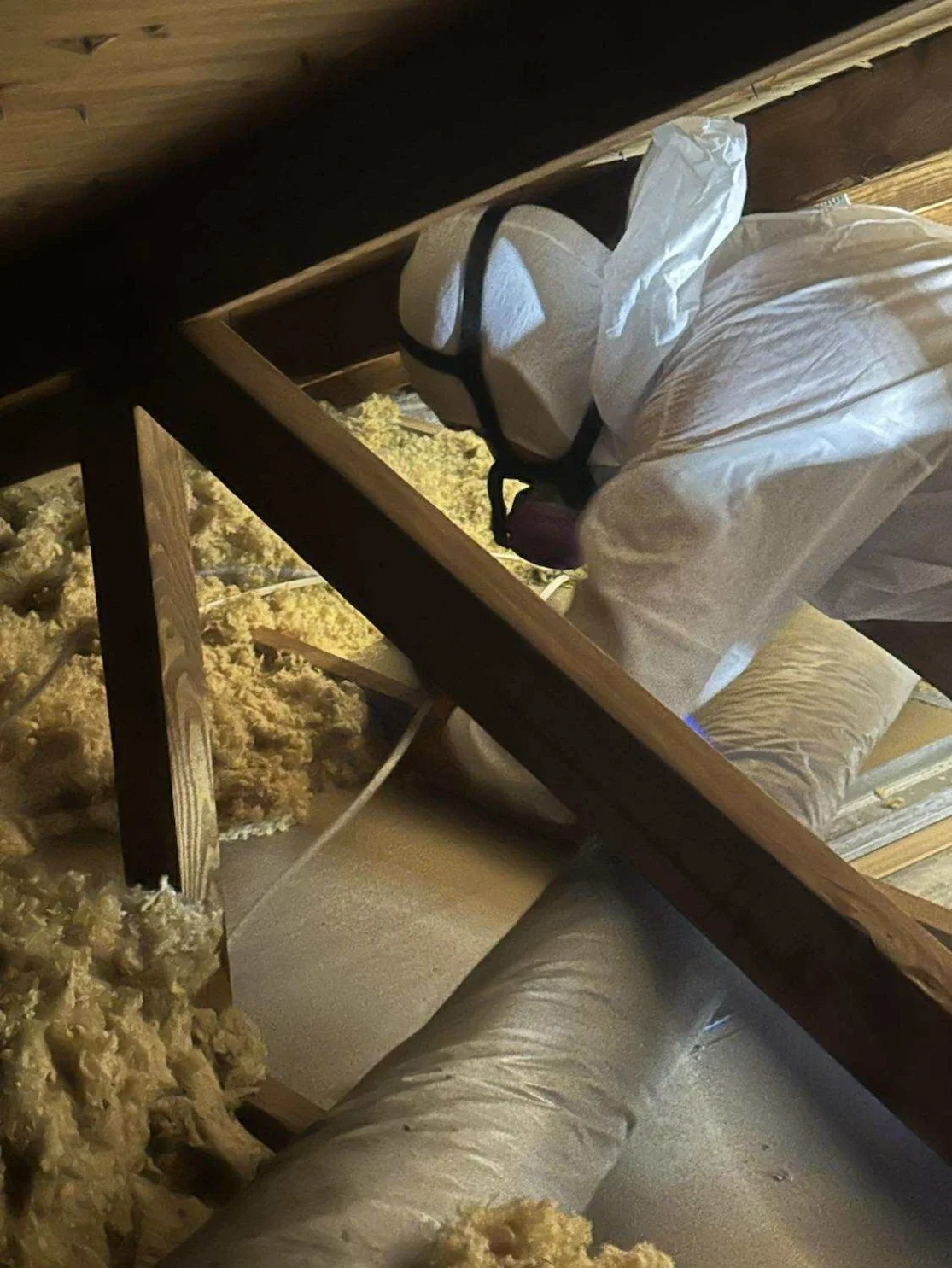
Insulation replacement removes material that is wet, compressed, pest-contaminated, or simply too thin to perform, then installs new insulation sized to your climate zone. For homeowners in hot, humid markets like our Jupiter, Florida service area (ZIP codes 33478 and 33458), the right strategy depends on the condition of what is already in your attic, your access, and your budget: full professional insulation removal and replacement when existing material is damaged, a top-up when it is merely thin, and open cell or closed cell spray foam when air sealing matters as much as R-value. Done correctly, insulation replacement cuts cooling loads, stabilizes room temperatures, and clears hidden contamination out of your building envelope.
Bulk insulation works by trapping still air in millions of tiny pockets. Anything that collapses, saturates, or displaces those pockets destroys performance, and it happens in predictable ways. Long-term exposure testing found that fiberglass and extruded polystyrene retain over 97% of their initial R-value, while moisture absorption and loss of blowing agent can reduce closed-cell polyurethane performance by up to 27.5% (Wikipedia – R-value (insulation)).
Moisture is doubly destructive: wet insulation conducts heat instead of resisting it, and damp cavities feed mold. Building damage reports attribute roughly 12.7% to 14% of documented building damage to mold problems linked to insufficient thermal protection (Wikipedia – Building insulation). Add pest nesting, off-gassing from aging products, and thermal bridging across studs and joists, and an attic that performed well in 1995 may be quietly costing you money every month.
| Symptom in Your Home | What It Usually Means | Recommended Action |
|---|---|---|
| Energy bills climbing with no rate change | Settled, thin, or displaced insulation | Measure attic depth against zone targets |
| One room always hotter or colder than the rest | Voids, gaps, or compressed batts | Inspection and targeted replacement |
| Musty smell coming from the attic | Moisture and possible mold in the fill | Full removal and replacement |
| Droppings or nesting material in the attic | Pest contamination | Remove, sanitize cavity, re-insulate |
| Water stains on insulation after storms | Roof or envelope leak | Repair the leak, then replace insulation |
| Uneven attic surface with visible low spots | Settling and compaction | Level and rebuild to target R-value |
If two or more of these apply, the existing material is doing less than you are paying for.
| Replacement Option | Typical R-Value Per Inch | Best For | Key Advantages | Limitations |
|---|---|---|---|---|
| Closed-cell spray foam | 5.5 to 6.5 | Roof decks, crawl spaces, metal buildings | Highest R per inch, resists moisture, adds rigidity | Highest material cost |
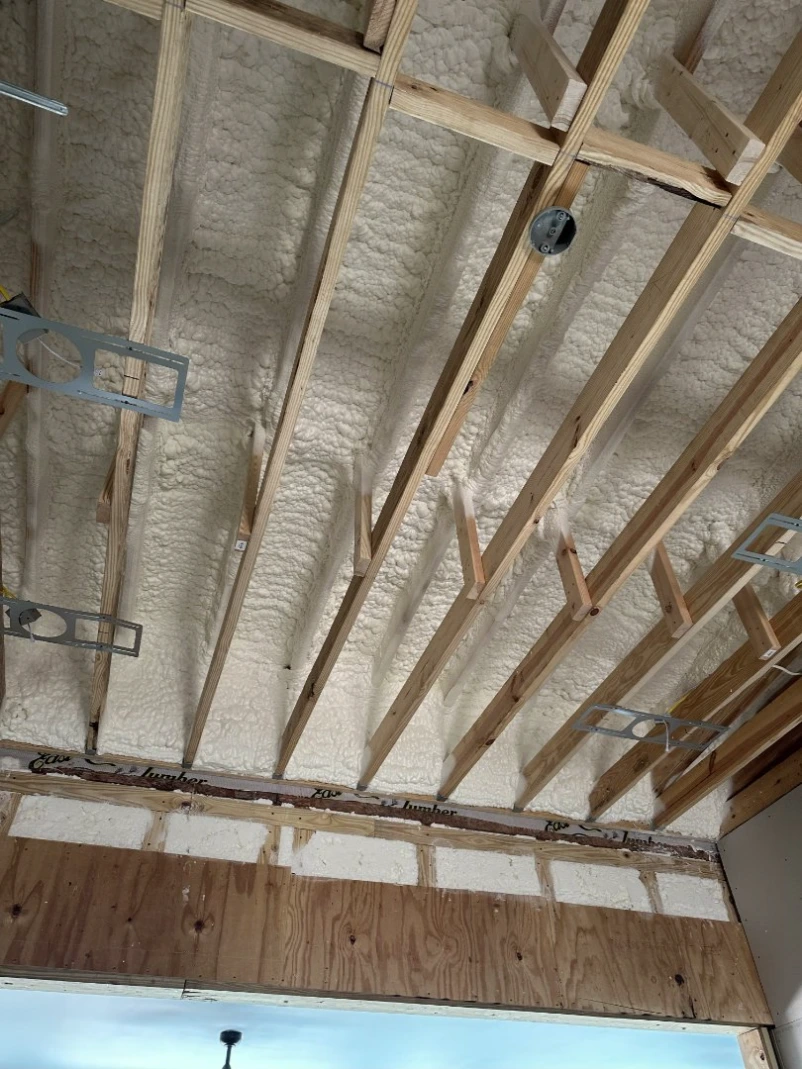
| Open-cell spray foam | 3.6 to 3.8 | Attics and interior walls | Expands into gaps, air seals, dampens sound | Lower R per inch, best kept indoors |
| Attic insulation (batts and blown fill) | 3.1 to 4.3 batts, 3 to 3.8 blown | Budget top-ups and full attic rebuilds | Proven, fast, cost-effective | Settles over time, needs air sealing first |
| Insulation removal and replacement | Varies by new material | Damaged, wet, or contaminated cavities | Restores full cavity performance | Adds removal time and disposal work |
The material comparison matters because performance gaps are real: fiberglass batts deliver R-3.1 to 4.3 per inch while closed-cell polyurethane reaches 5.5 to 6.5 (Wikipedia – R-value (insulation)). At the required minimum thickness, closed-cell foam acts as both a vapor barrier and an air barrier, while open-cell needs 5.5 inches or more to block air movement (Wikipedia – Spray foam).
For target levels, ENERGY STAR guidance based on the 2021 IECC recommends R-49 when retrofitting an uninsulated Zone 2 attic and R-38 when 3 to 4 inches already exist (ENERGY STAR – Recommended Home Insulation R-Values).

The figures below reflect our typical project pricing across the services we install. Homeowners should also consider potential insulation upgrade energy savings when comparing the upfront investment with long-term energy performance.
| Service | Typical Low | Typical Average | Typical High |
|---|---|---|---|
| Insulation removal and replacement | $1,500 | $3,000 | $7,500 |
| Attic insulation | $1,500 | $5,000 | $15,000 |
| Open-cell spray foam | $1,500 | $5,000 | $15,000 |
| Closed-cell spray foam | $2,000 | $8,000 | $25,000 |
| Pole barn insulation | $2,000 | $10,000 | $20,000 |
What moves your number:
Our minimum project size is 400 square feet, and insulation upgrades may also qualify for up to $1,200 in federal tax credits.
| Property Situation | Recommended Approach | Why It Works |
|---|---|---|
| Older Jupiter-area home with original fill | Full insulation removal and replacement | Clears decades of dust and contamination, resets R-value |
| Attic with 3 to 4 inches of dry, even fill | Top up attic insulation toward R-38 | Hits Zone 2 performance without removal cost |
| Crawl space or humid cavity | Closed-cell spray foam | Blocks moisture and air movement in one application |
| Pole barn or metal building | Pole barn insulation | Controls radiant heat gain and condensation drip |
| New construction or major remodel | Open or closed cell spray foam | Air seals the entire envelope at framing stage |

Old, wet, or pest-damaged insulation works against you every month you run your AC through it. At All In OverHall, our team handles complete insulation removal and replacement, attic insulation upgrades, and open-cell and closed-cell spray foam across the Jupiter, Florida area, including ZIP codes 33478 and 33458. We measure what you have, explain your options in plain language, and price the job based on real square footage and access.
Reach our team at (561) 406-3835 or [email protected]. Every month of delay is money leaking through your ceiling, so let’s fix the envelope, not just the symptom.
Add more only when existing insulation is dry, evenly distributed, and pest-free. If it is wet, moldy, compacted, or contaminated, removal and replacement is the only option that restores full performance.
Closed-cell delivers higher R-value per inch and resists moisture, making it the pick for roofs, crawl spaces, and humid cavities. Open-cell costs less, expands to fill gaps, and performs well in attics and interior walls.
Timeline depends on square footage, access, and whether old insulation must be removed first. Our team provides a written schedule before work begins so you can plan around it.
Freshly applied foam emits gas while curing and is inert once cured. Proper ventilation and occupancy timing are part of our standard installation practice.
EPA estimates average savings of 15% on heating and cooling costs from air sealing plus insulation, and federal tax credits of up to $1,200 may offset part of your project.