What Factors Determine Attic Insulation Installation Costs?
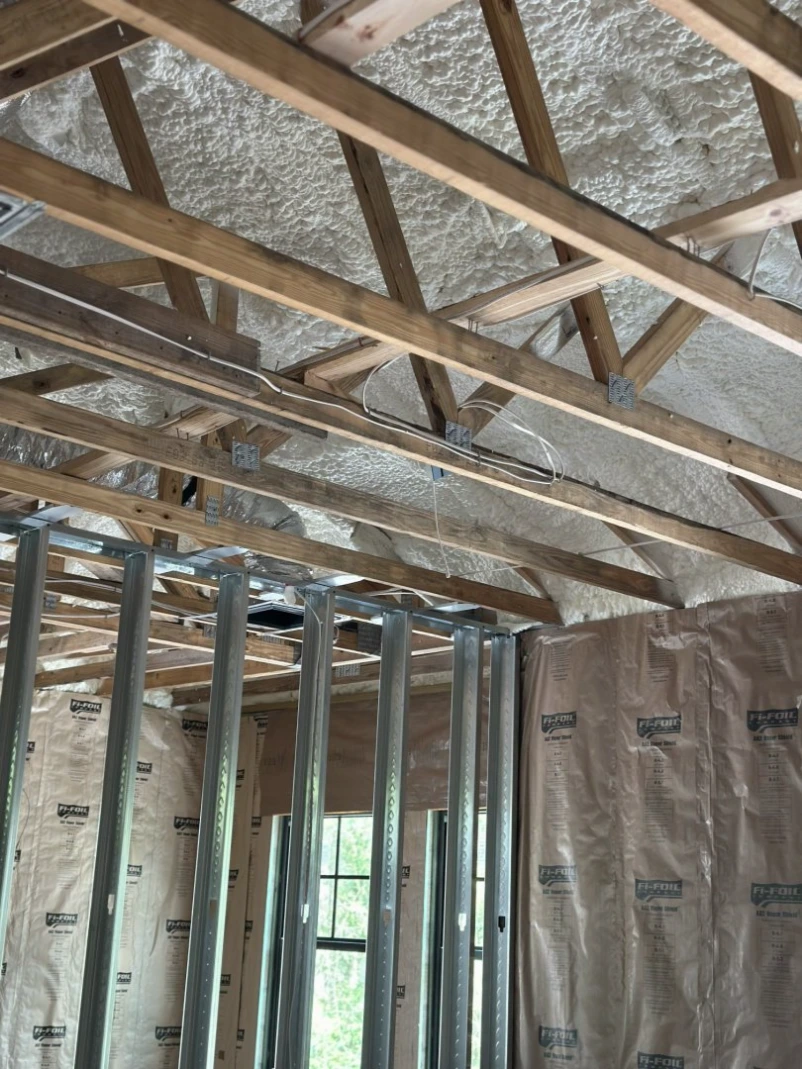
The cost of attic insulation installation depends on five main factors: attic size, insulation material, the R-value your climate requires,…


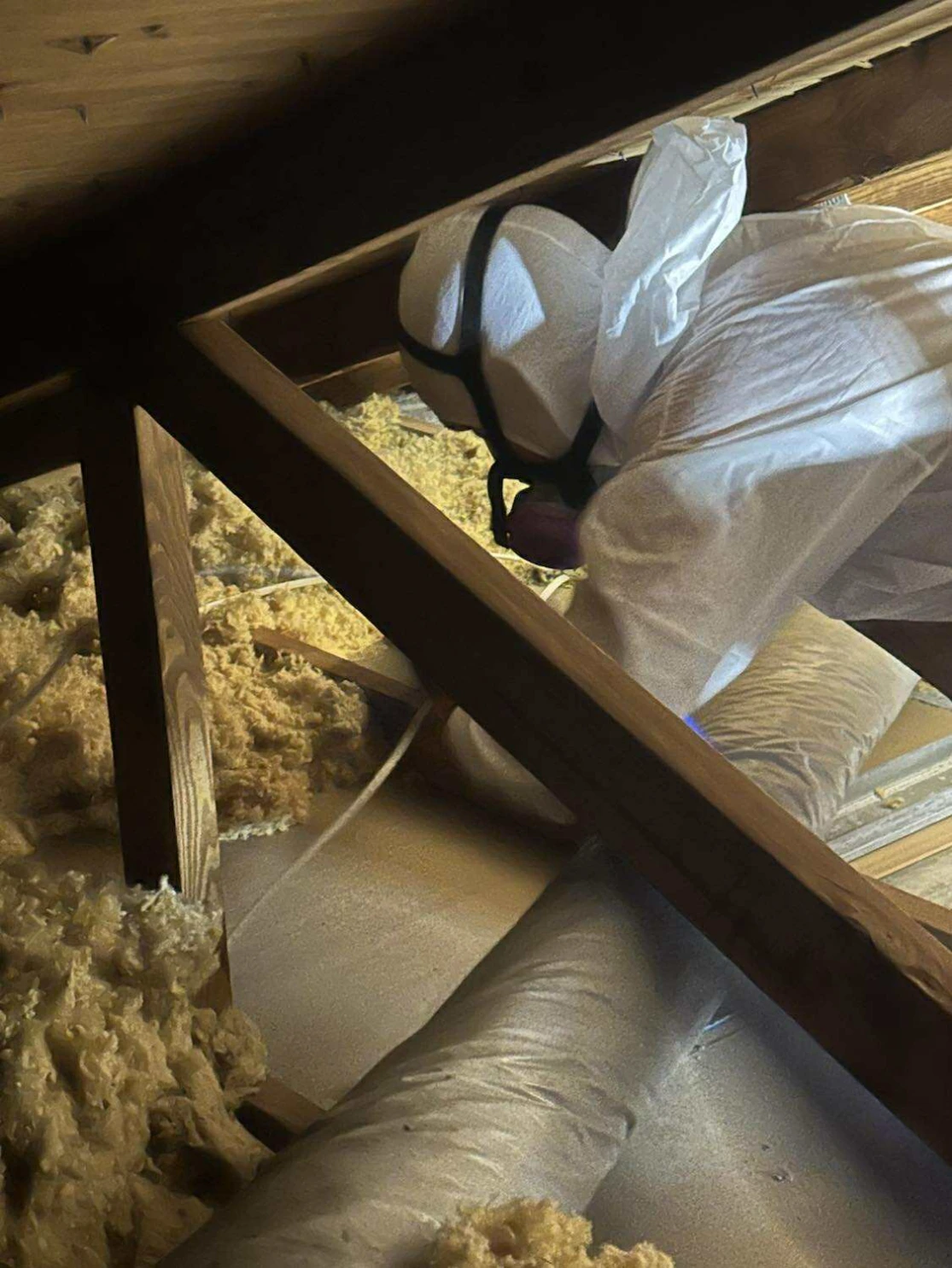
Jupiter, FL homeowners are proactively considering Insulation Removal Guide resources when degraded, moisture-compromised insulation affects their attics and crawl spaces. South Florida’s relentless heat and humidity can contribute to moisture buildup and reduce the effectiveness of older insulation materials. Rather than waiting for visible deterioration or persistent musty odors to appear, residents in the 33478 and 33458 ZIP codes can treat insulation removal as an important part of property maintenance. Removing compromised material and preparing the space for modern, moisture-resistant insulation can help protect the structure and improve overall insulation performance.
Jupiter sits in a humid subtropical climate zone where summer temperatures regularly exceed 90 degrees Fahrenheit and relative humidity stays elevated for months at a time. According to NOAA’s U.S. Climate Normals data, South Florida experiences among the highest annual precipitation and dew point averages in the continental United States. That combination creates a constant vapor pressure that pushes moisture into every building cavity, especially unconditioned attic spaces, making insulation removal services an important consideration when moisture has compromised existing insulation.
When warm, humid air enters an attic and meets cooler surfaces like the underside of a roof deck, condensation forms. Old fiberglass batts and blown cellulose sit directly in this moisture path. These materials are porous and absorbent, meaning they soak up condensation and humidity like a sponge. Once saturated, they hold that moisture against wood framing, creating an ideal environment for mold colonization. The Wikipedia article on building insulation notes that wet insulation loses thermal performance and can actually form thermal bridges that create additional condensation cycles, compounding the problem over time.
Unlike homes in drier regions, Jupiter homes do not get seasonal “dry-outs.” The humidity never drops enough to let old insulation fully dry. This means moisture accumulates progressively, year after year, until the insulation becomes a persistent source of dampness rather than a thermal barrier.
The health consequences of living with mold-contaminated insulation are well documented. The CDC’s mold health research reports that people who spend time in damp buildings experience respiratory symptoms, worsening asthma, hypersensitivity pneumonitis, allergic rhinitis, and respiratory infections at significantly higher rates than those in dry environments.
The Wikipedia article on mold and human health summarizes findings from multiple epidemiological studies: the five most common indoor mold genera are Cladosporium, Penicillium, Aspergillus, Alternaria, and Trichoderma. All five thrive in the warm, damp conditions found in moisture-damaged attic insulation. When HVAC systems draw air through contaminated attic spaces, mold spores and fragments get distributed throughout the home’s living areas.
Children, older adults, and anyone with asthma, allergies, or a weakened immune system faces the greatest risk. The WHO guidelines note that as many as 21% of asthma cases may be attributable to mold exposure, making this a public health concern, not just a home maintenance issue.
Not all insulation materials handle moisture the same way. Understanding the failure modes of the most common types found in older Jupiter homes explains why removal becomes necessary.
| Insulation Type | How It Handles Moisture | Failure Mode in Humid Climates | Mold Risk |
|---|---|---|---|
| Fiberglass Batts | Absorbs moisture into air pockets, loses R-value when wet | Sagging, compression, water pooling in lower sections | High, organic dust binds with moisture |
| Blown Cellulose | Highly absorbent, retains water for extended periods | Compaction, settling, can promote wood rot in contact areas | Very high, paper-based material feeds mold |
| Rock Wool / Mineral Wool | Better moisture resistance than fiberglass, but still absorbs | Can hold moisture against framing members | Moderate |
| Old Spray Foam (degraded) | May separate from substrate, creating gaps | Cracking and delamination allow moisture intrusion behind foam | Moderate to high if gaps form |
The common thread across all these materials is that once they have been exposed to chronic moisture, simply drying them out is not enough. Mold spores have already colonized the material, and the physical structure of the insulation has been compromised. Cleaning mold from porous fiberglass or cellulose is not practical, which is why insulation removal costs should be considered when determining the most appropriate replacement approach.
Most insulation materials last 15 to 20 years under ideal conditions. In Jupiter’s climate, that timeline shortens considerably. Our team evaluates several indicators when assessing whether removal is necessary:
If any of these indicators are present, adding new insulation on top of the old material is not the answer. Layering fresh insulation over contaminated material can trap moisture and mold underneath, creating a more serious problem. Full removal followed by replacement is the proper approach to address both the underlying issue and building performance. Before starting the project, homeowners can also review an insulation removal cost estimate to understand the potential investment involved in professional removal and replacement.
The process of removing old insulation, addressing any underlying moisture issues, and installing new material is typically completed in one to two days for a standard 1,500 to 2,500 square foot home. Our crew follows a systematic approach:
The cost for insulation removal and replacement varies based on the square footage and accessibility of the space. Homes with difficult access, such as low-slope roofs or tight attic hatches, require additional labor and equipment.
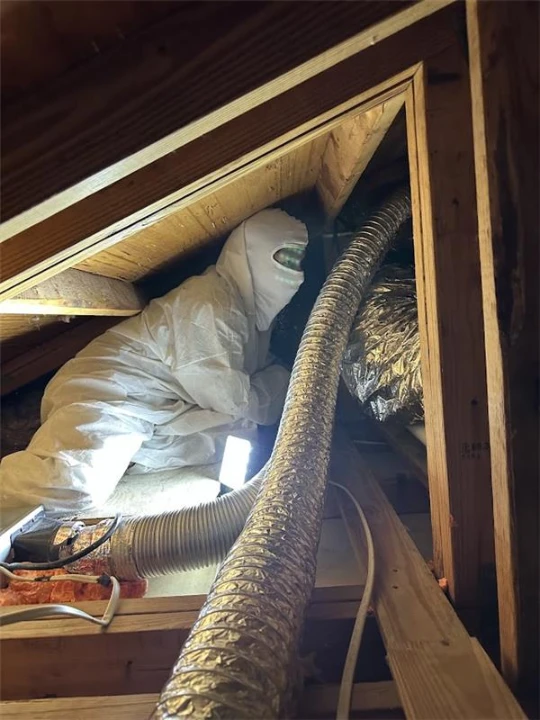
After removing compromised insulation, the replacement material matters as much as the removal itself. In a hot, humid climate like Jupiter’s, the ideal insulation needs to provide thermal resistance, resist moisture absorption, and create an effective air barrier.
| Homeowner Priority | Best Replacement Option | Why It Works |
|---|---|---|
| Maximum moisture protection | Closed-cell spray foam | Creates a sealed barrier, does not absorb water, adds structural strength |
| Budget-conscious with good moisture resistance | Open-cell spray foam | Lower material cost, still provides air sealing, handles humidity well |
| Traditional retrofit with improved materials | New fiberglass with proper vapor barrier | Familiar material, improved installation standards, requires correct ventilation |
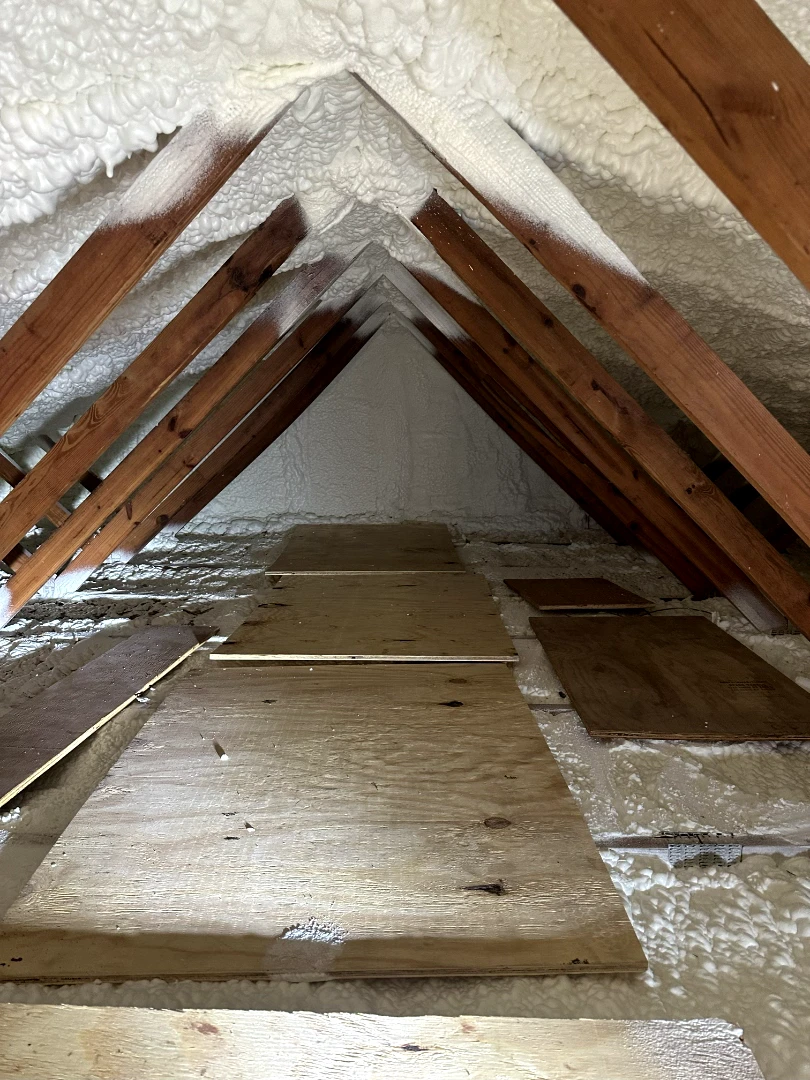
Our most common recommendation for Jupiter homeowners is spray foam insulation. Unlike fiberglass or cellulose, spray foam does not absorb or retain moisture. It adheres directly to the roof deck and framing, sealing out the humid air that causes condensation in the first place. This eliminates the moisture cycle that led to the original insulation’s failure.
Choosing a contractor for insulation removal and replacement is not the same as hiring someone for a standard insulation install. The removal process requires specific equipment, contamination protocols, and knowledge of building science. Look for a team that provides a thorough inspection before quoting, explains exactly why removal is necessary rather than assuming it, addresses the underlying moisture source rather than just replacing material, offers clear timelines and communicates throughout the process, and local customer feedback can also help you evaluate how contractors have handled similar projects. These indicators suggest the contractor understands the relationship between moisture, mold, and insulation, rather than treating insulation as a simple material swap.
At All In OverHall, we help Jupiter homeowners protect their homes and their health by identifying and replacing insulation that has been compromised by South Florida’s relentless humidity. Our team inspects your attic or crawl space, identifies moisture and mold issues, and provides a clear recommendation for removal and replacement with modern, moisture-resistant materials. Call us at (561) 406-3835 or email [email protected] to get started.
Persistent musty odors, water stains on ceilings, and worsening allergy symptoms in the household are common signs that mold may be growing in attic insulation, even without direct visual confirmation.
Installing new insulation over moisture-damaged material traps the problem underneath and can accelerate mold growth, so full removal of the contaminated insulation is necessary before any replacement.
Most standard residential projects in the 1,500 to 2,500 square foot range are completed within one to two days, depending on attic accessibility and the extent of the existing contamination.
Removing mold-contaminated insulation eliminates a major source of airborne spores, and most homeowners notice a significant reduction in musty odors and allergy symptoms shortly after the project is completed.
Spray foam insulation is the most effective choice for this climate because it creates an air seal, resists moisture absorption, and eliminates the condensation cycle that degrades traditional insulation materials.