What Factors Determine Attic Insulation Installation Costs?
The cost of attic insulation installation depends on five main factors: attic size, insulation material, the R-value your climate requires,…

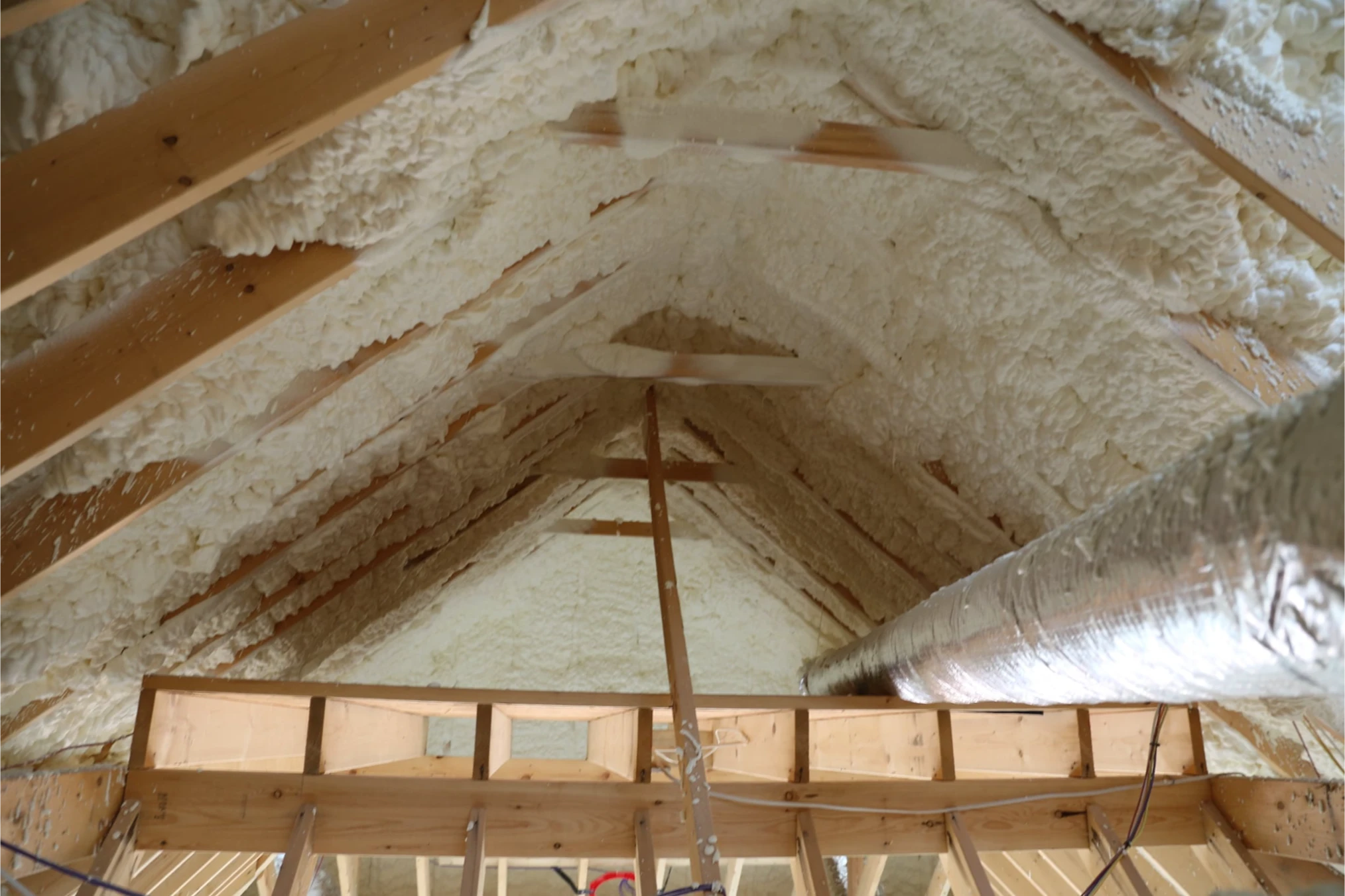
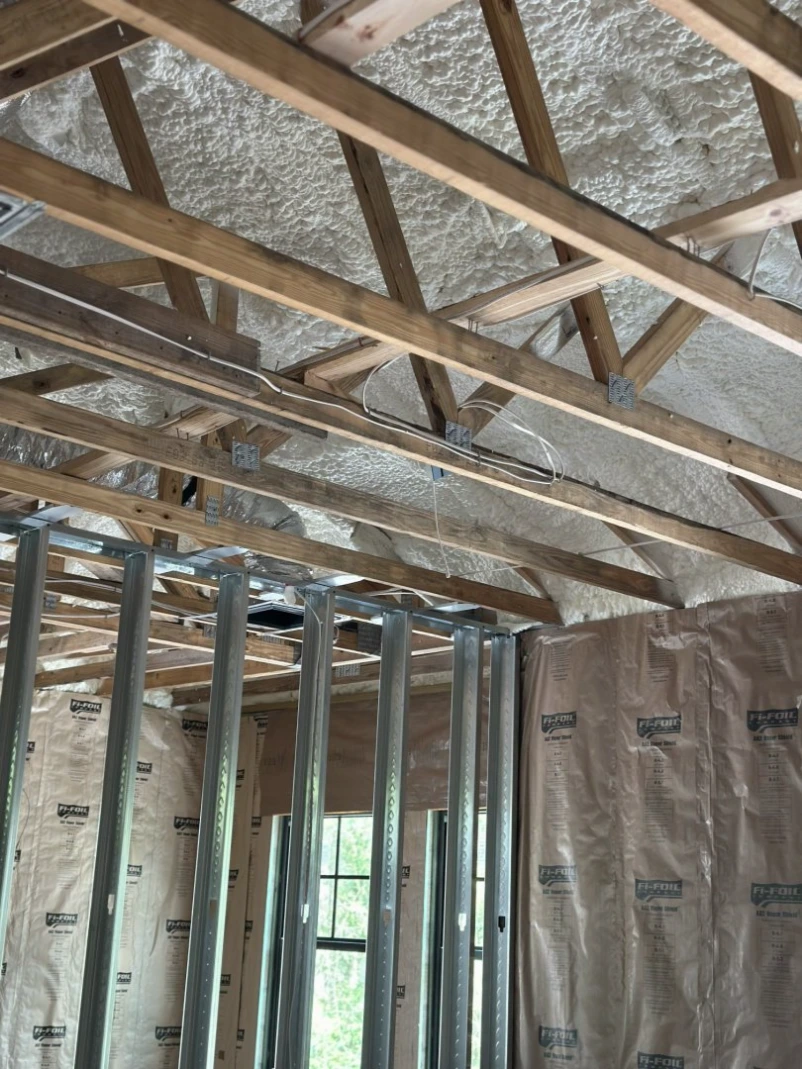
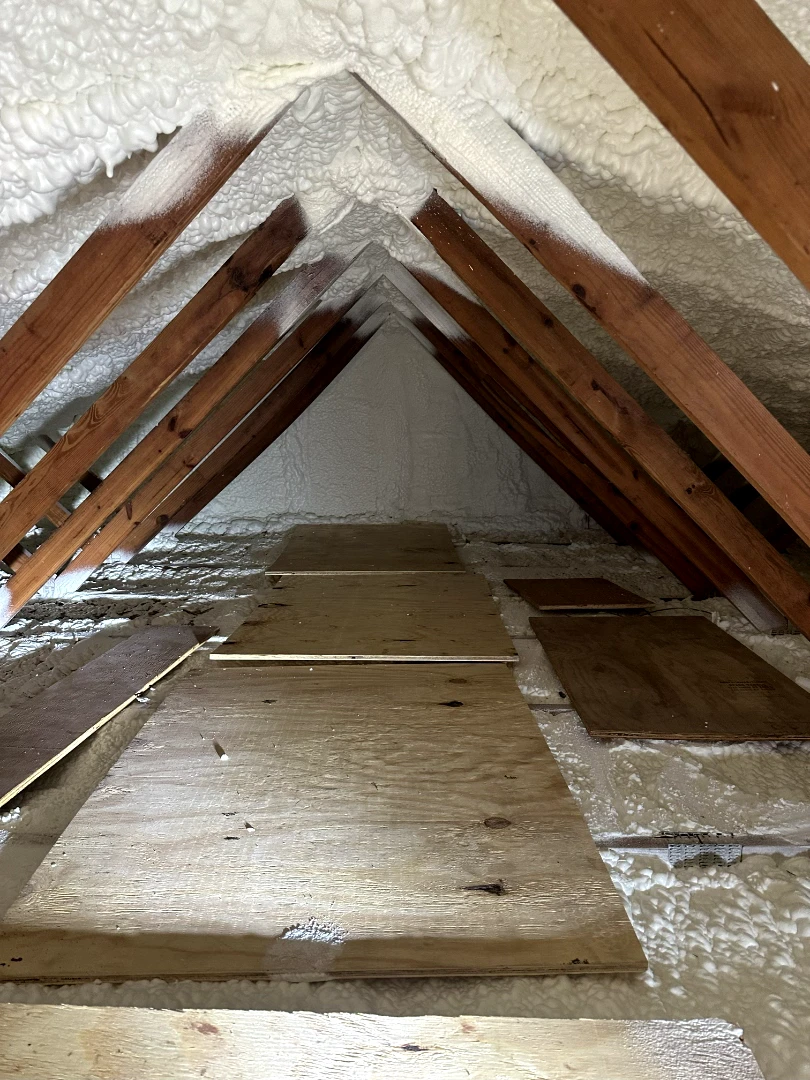
Attic insulation upgrades cost between $1,500 and $5,000 on average for most residential homes in 2026. This price typically includes the removal of old materials, professional air sealing, and the installation of new blown-in cellulose or fiberglass to meet modern R-value standards. Most homeowners see a full return on this investment through lower monthly utility bills and increased property value within three to five years.
We understand that managing home efficiency is a priority for modern families. Our team has analyzed current market trends to provide this attic insulation guide on maximizing your home comfort. By following the latest data from Energy Star, we ensure that your insulation project meets the highest efficiency benchmarks for the upcoming year.
The total expense for replacing insulation depends heavily on the square footage of your attic and the depth of material required. In 2026, labor rates have shifted to reflect higher demand for energy-efficient retrofitting.
Removing old, contaminated, or settled insulation adds cost per square foot to the project. While it is tempting to layer new material over old, starting with a clean slate allows for proper air sealing. Data from Forbes Home indicates that labor accounts for nearly 60 percent of the total project cost in high-demand urban areas.
Choosing the right material is the most significant factor in determining your long-term financial recovery. Blown-in cellulose currently offers the best payoff for most homeowners. It provides a higher R-value per inch than traditional fiberglass batts and fills small gaps more effectively. This material consists of recycled paper treated with fire retardants, making it an eco-friendly choice for our attic insulation services.
Bonus Tip: Always check for local utility rebates before selecting your material. Many energy providers offer higher incentives for cellulose or spray foam compared to standard fiberglass.
Spray foam insulation offers the highest thermal resistance but comes with a higher upfront price tag. While the initial cost is double that of cellulose, the airtight seal it creates can reduce heating and cooling costs by up to 15 percent. Properly insulated and sealed attics save an average of 11 percent on total energy costs.
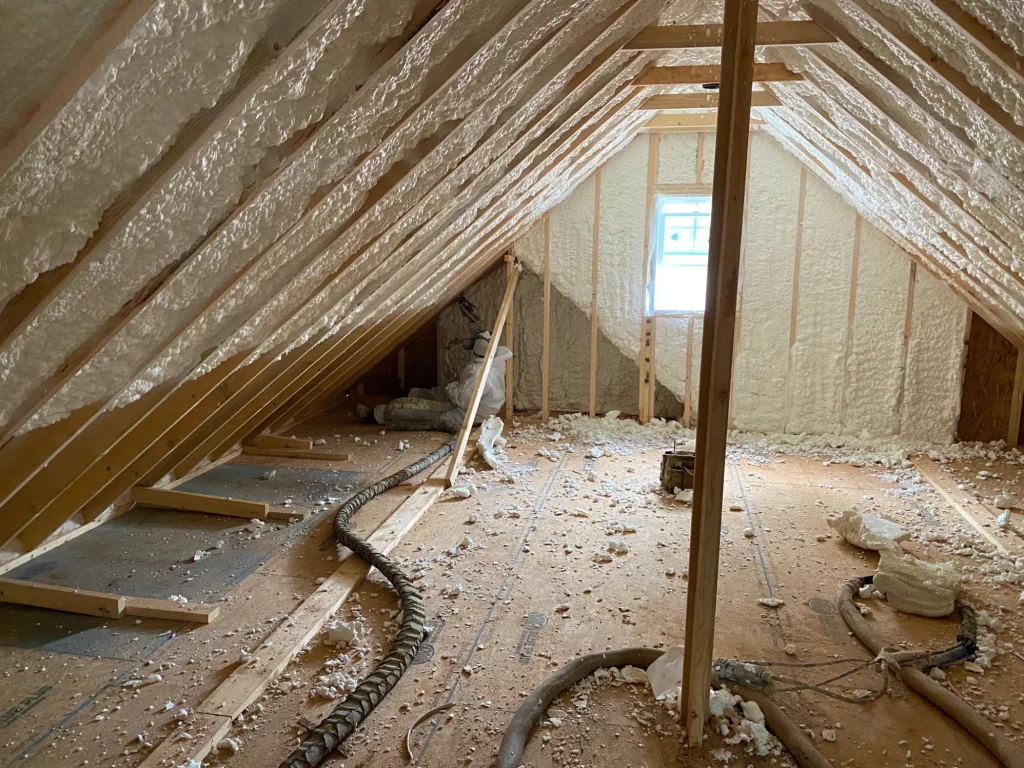
Air sealing is a separate but vital process that involves closing gaps where air leaks between your living space and the attic. This process uses spray foam, caulk, and weather stripping around plumbing stacks, wiring holes, and attic hatches.
Without air sealing, new insulation cannot perform at its rated capacity. Heat will simply bypass the insulation through the gaps in the ceiling. A study by Building America shows that air leakage can account for nearly 40 percent of a building’s heat loss. Combining air sealing with your insulation upgrade is the only way to guarantee the projected energy savings.
| Material Type | Cost Per Sq. Ft. | R-Value Per Inch | Lifespan |
|---|---|---|---|
| Blown-in Fiberglass | $1.50 – $2.20 | 2.2 – 2.7 | 25-30 Years |
| Blown-in Cellulose | $1.80 – $2.60 | 3.2 – 3.8 | 20-30 Years |
| Open Cell Spray Foam | $3.50 – $5.00 | 3.5 – 3.7 | 50+ Years |
| Closed Cell Spray Foam | $4.50 – $7.00 | 6.0 – 7.0 | 50+ Years |
The local climate dictates how much insulation you need. Homes in northern regions require higher R-values, often reaching R-60, while southern homes may only need R-38. Check the updated International Code Council for the 2026 standards in your specific zip code.
Adding more insulation can sometimes block soffit vents. You must ensure that your attic continues to breathe to prevent moisture buildup and ice dams. Proper ventilation works with insulation to keep your roof deck cool in the summer and dry in the winter.
Some older plaster ceilings cannot support the weight of heavy rockwool or dense-packed cellulose. We recommend inspecting your ceiling joists before choosing a heavy-fill material. This is a critical step in achieving attic insulation money savings without causing structural damage.
If you plan on converting your attic into a living space later, your insulation strategy will change. You would move the thermal boundary from the floor of the attic to the roof rafters.
The return on investment for attic upgrades is currently one of the highest in the home improvement sector. Homeowners can often recoup 80 to 100 percent of the cost upon the sale of the home. In 2026, buyers are increasingly looking for energy-efficient features and low monthly operating costs.
Beyond the sale price, the immediate reduction in monthly bills provides a steady cash flow. The Inflation Reduction Act provides tax credits for energy-efficient home improvements. This can cover up to 30 percent of the project cost, capped at $1,200 annually. This federal incentive significantly lowers the break-even point for your investment.
Bonus Tip: Combine your attic project with a smart thermostat installation. This allows you to monitor exactly how much less your HVAC system runs after the insulation is installed.
A successful upgrade starts with a professional energy audit. We suggest using a blower door test to identify the exact locations of air leaks. Once the leaks are mapped, the old insulation should be vacuumed out if it shows signs of mold, moisture, or rodent activity.
After the attic is clean and sealed, the new material is blown in to the desired depth. It is vital to install baffles at the eaves to keep the wind from moving the insulation away from the edges. Finally, ensure the attic access door is insulated and weatherstripped. This is often the most neglected part of the thermal envelope.
We provide comprehensive attic services designed to lower your energy bills and increase your comfort. Our team handles everything from old material removal to precision air sealing and high-density insulation installation. We focus on delivering measurable results that align with the latest 2026 efficiency standards. Our experts at All In Overhall are ready to help you navigate the available tax credits and utility rebates to ensure you get the best possible price.
Contact us today at (561) 406-3835or email us at [email protected] to schedule your consultation and receive a free quote on your project. We look forward to helping you save money and improve your home value.
High-quality attic insulation prevents hot attic air from radiating through your ceiling into your living space. This significantly reduces the workload on your air conditioning unit during summer months.
Most professional attic insulation upgrades take one full day to complete. This includes the preparation of the work area, air sealing, and blowing in the material for standard-sized homes.
You can add new insulation over old material if it is dry and free of mold. However, you miss the opportunity to air seal the attic floor, which reduces efficiency.
Materials like cellulose and stone wool are excellent at dampening sound. Upgrading your insulation can create a much quieter indoor environment by blocking external noise from entering through the roof.
Modern cellulose is treated with borate for fire resistance. Professional grade fiberglass is naturally non-combustible. These materials help slow the spread of fire rather than acting as a fuel source.