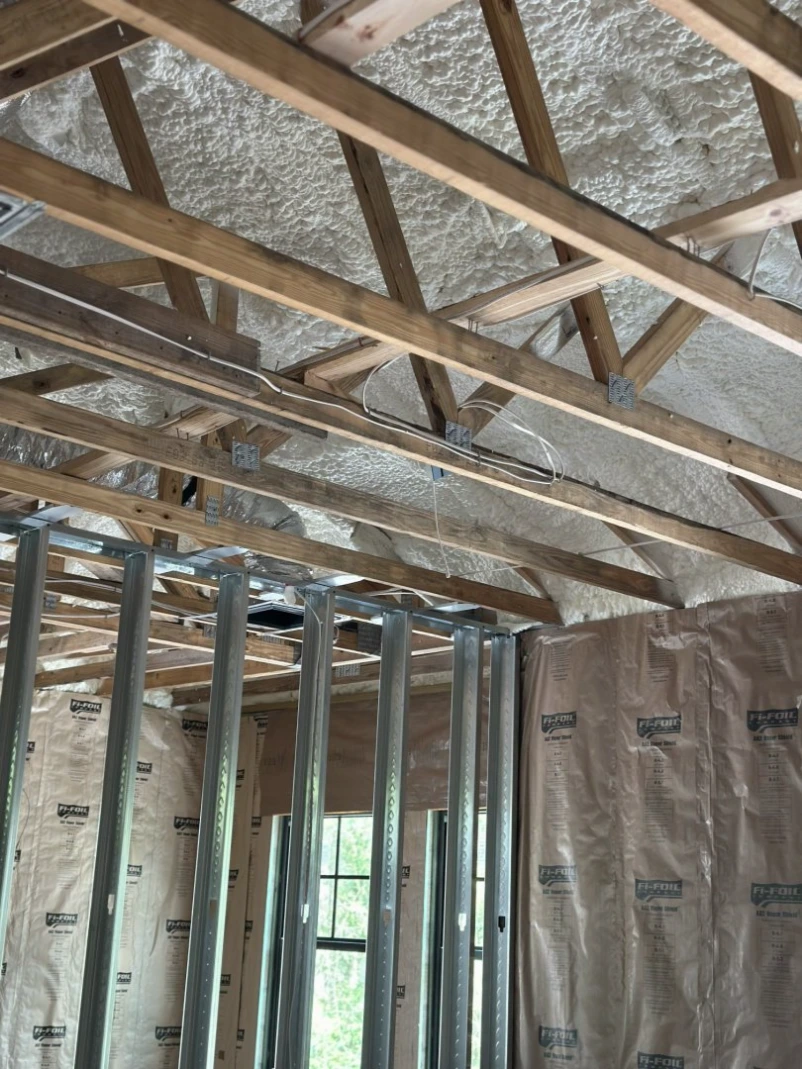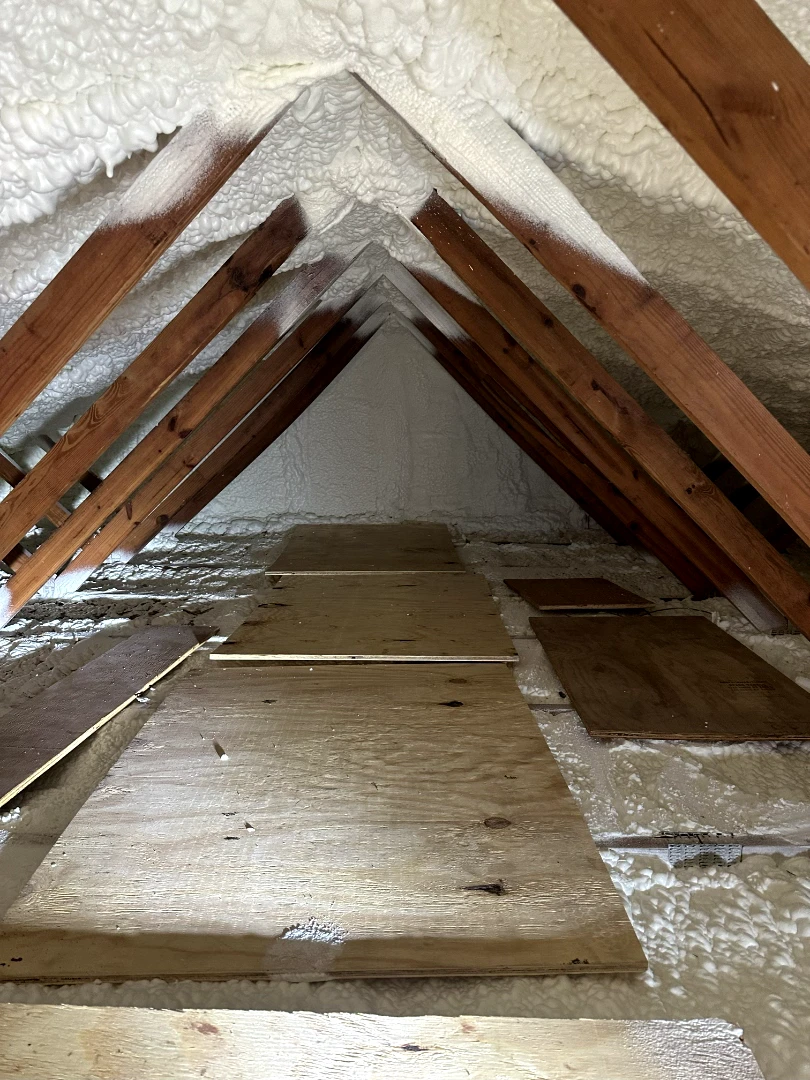
What Factors Determine Attic Insulation Installation Costs?
The cost of attic insulation installation depends on five main factors: attic size, insulation material, the R-value your climate requires,…

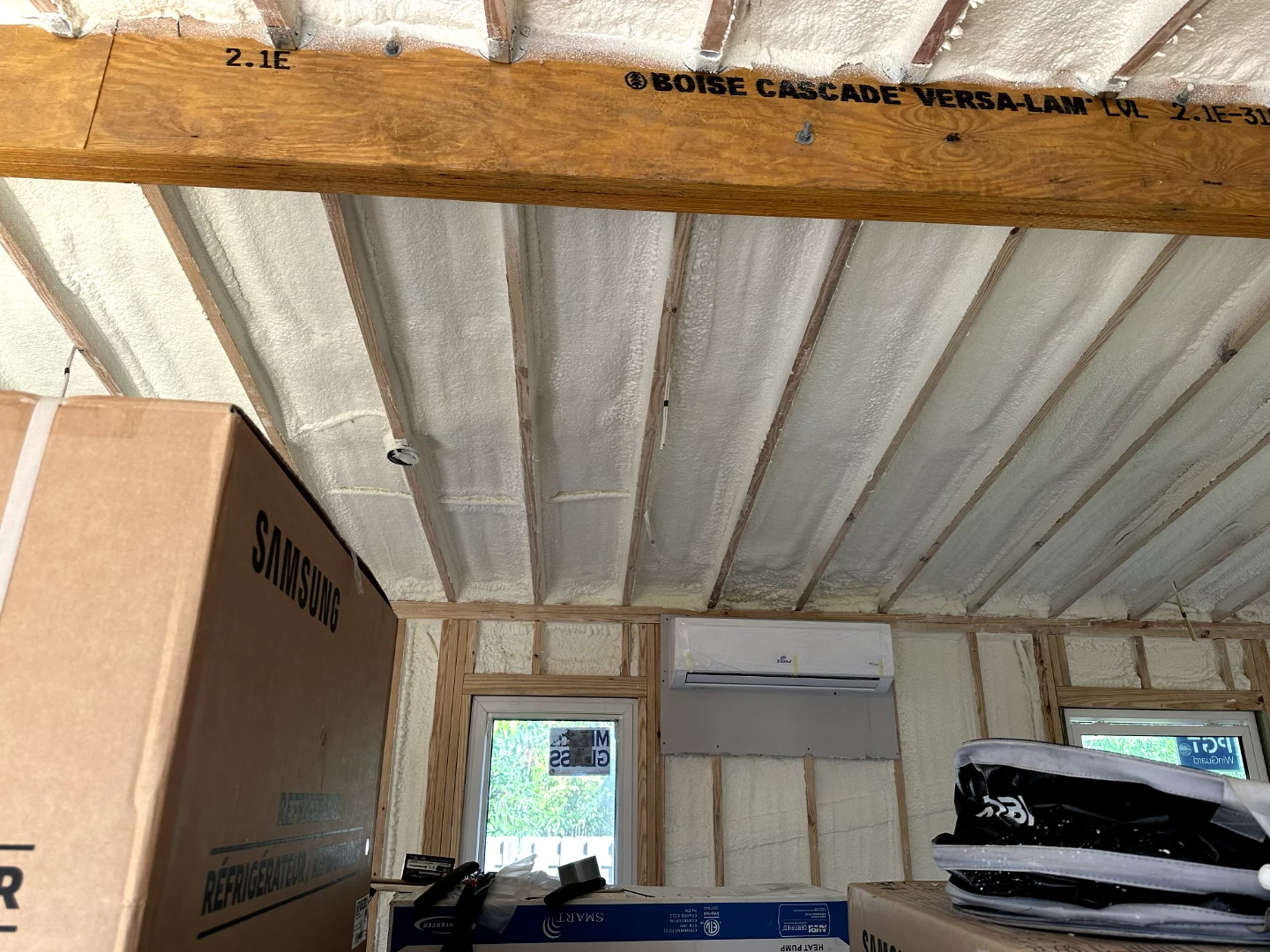
New insulation delivers one of the strongest returns on investment of any home improvement project, often paying for itself through energy savings alone within a few years while also increasing your home’s appraised value. According to national data compiled from multiple housing studies, adding attic insulation has returned more than 100% of its cost in added home value, making it one of the few upgrades that actually earns money at resale. The exact ROI depends on your climate zone, the type of insulation you choose, the condition of your existing insulation, and how long you plan to stay in the home, as outlined in this insulation application guide.
The return on investment for new insulation comes from two separate streams that work together: energy cost savings you accumulate month after month, and increased home appraisal value you realize when it is time to sell or refinance. Understanding both helps you make a smart decision about which type of insulation to install and how much to invest.
The U.S. Environmental Protection Agency estimates that homeowners who air seal their homes and add insulation in attics, floors over crawl spaces, and accessible basement rim joists can save an average of 15% on heating and cooling costs, or 11% on total energy costs. These are not theoretical numbers. They come from energy modeling based on thousands of real homes across all U.S. climate zones.
The U.S. Department of Energy confirms that insulation works by slowing the three types of heat flow: conduction, convection, and radiation. Higher R-values mean greater resistance to heat transfer, and installing more insulation increases that R-value proportionally. The result is a home that stays warmer in winter and cooler in summer with less effort from your HVAC system.
Savings vary by where you live. The ENERGY STAR methodology breaks it down by climate zone:
| Climate Zone | Region | Total Energy Savings | Heating & Cooling Savings |
|---|---|---|---|
| Zone 8 | Far North | 16% | 18% |
| Zone 6-7 | North | 14-15% | 18-19% |
| Zone 4-5 | Mid-Atlantic / Midwest | 12-13% | 16-20% |
| Zone 3 | South | 8% | 14% |
| Zone 1-2 | Deep South | 5-6% | 7-9% |
When Remodeling Magazine added attic insulation to its annual Cost vs. Value report, it became the only project on the list to return more than 100% of its cost. The Insulation Institute reports that fiberglass attic insulation topped the national list at 117% ROI, meaning homeowners recouped more than they spent in added property value alone, not even counting energy savings.
RMI found an even stronger 166% return in its analysis of the same data, based on an estimated average project cost of $1,268 and a resale value increase of $1,482 within 12 months of completion. Attic insulation had positive value relative to cost in 60 out of 100 major metro markets studied, with the strongest returns in New England, the Pacific Northwest, and the West South Central region.
Beyond individual projects, broader research shows that energy-efficient homes with documented insulation upgrades sell for 2% to 6% more than comparable properties without those upgrades.
Not all insulation delivers the same return. The type you choose depends on your home’s construction, your budget, and the specific problem you are trying to solve. Here is how the main categories compare:
| Insulation Type | Typical Average Investment | Best Application | Key Advantage |
|---|---|---|---|
| Closed Cell Spray Foam | $8,000 average | Walls, crawl spaces, and metal buildings | Highest R-value per inch, acts as an air barrier |
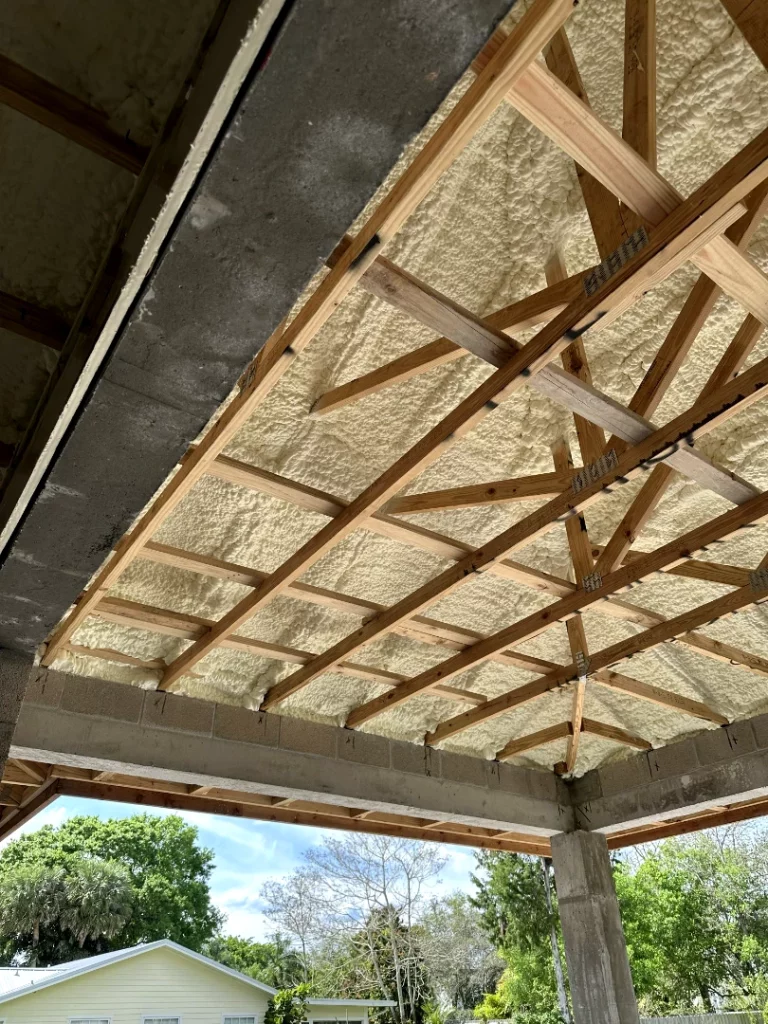
| Open Cell Spray Foam | $5,000 average | Attics, wall cavities | Sound-dampening, flexible, lower cost |
| Attic Insulation | $5,000 average | Uninsulated or under-insulated attics | Fastest ROI, most documented value increase |
| Insulation Removal and Replacement | $3,000 average | Damaged, contaminated, or settled insulation | Addresses mold, pest damage, and poor performance |
| Pole Barn Insulation | $10,000 average | Agricultural and outbuildings | Temperature control for livestock, workshops, and storage |
Several variables determine how much value and savings you will see from a specific insulation project.
| Your Situation | Recommended Approach | Why |
|---|---|---|
| Planning to sell within 2 years | Attic insulation upgrade | Fastest documented ROI, visible in energy bills and inspection reports |
| Living in an older home (pre-1990) | Full assessment: attic + air sealing | Most older homes are significantly under-insulated by modern standards |
| High humidity or moisture issues | Closed cell spray foam | Acts as both insulation and vapor barrier, prevents condensation |
| Noisy neighborhood or near a road | Open cell spray foam | Superior sound dampening alongside thermal performance |
| Buying new construction | Verify R-values meet current code | Many builders install minimum code insulation, which may be below optimal levels |
You will know your insulation investment is paying off when your heating and cooling systems run less frequently, your energy bills drop noticeably within the first full season, rooms that were previously too hot or too cold feel consistent with the rest of the house, and your energy audit shows measurable improvement in air leakage and thermal performance. A well-insulated home also tends to have fewer moisture problems, better indoor air quality, and more consistent temperatures throughout different rooms, as explained in how insulation prevents energy loss.
Our team at All In OverHall specializes in helping homeowners across the 33478 area and surrounding communities make smart insulation investments that deliver real, measurable returns. Whether you need an attic insulation upgrade, spray foam for a new construction project, or a full insulation removal and replacement, our professionals bring the expertise and attention to detail that ensures every dollar you invest works hard for you. We take the time to assess your home’s specific needs, explain your options clearly, and deliver results you can feel in your comfort and see in your energy bills.
Request a Quote | Schedule an Energy Assessment
Call us at (561) 406-3835 or email [email protected] to get started. Your home’s comfort and value are too important to leave to guesswork.
Most insulation projects pay for themselves within 3 to 6 years through energy savings alone, and even faster when you factor in the added appraisal value at resale.
Yes. National studies show attic insulation returns 117% to 166% of its cost in added home value, making it one of the few improvements that more than pays for itself at resale.
Attic insulation has the most documented data supporting strong returns. Spray foam offers higher performance per inch but at a higher upfront cost, making the ROI timeline slightly longer.
Appraisers factor in energy efficiency when they see documented upgrades, lower utility bills, or energy audit results. Keep all installation records and R-value documentation to support your appraisal.
Yes. Insulation is one of the few upgrades that can increase your sale price by more than it costs, and buyers increasingly prioritize energy efficiency in their purchasing decisions.