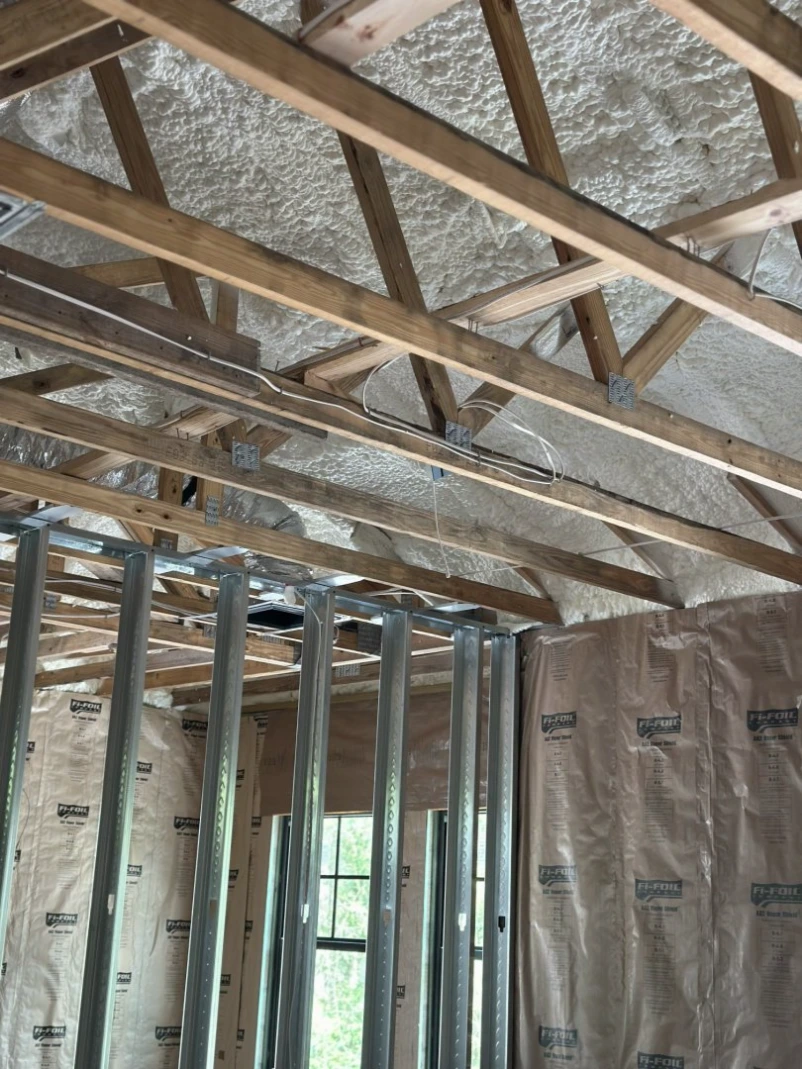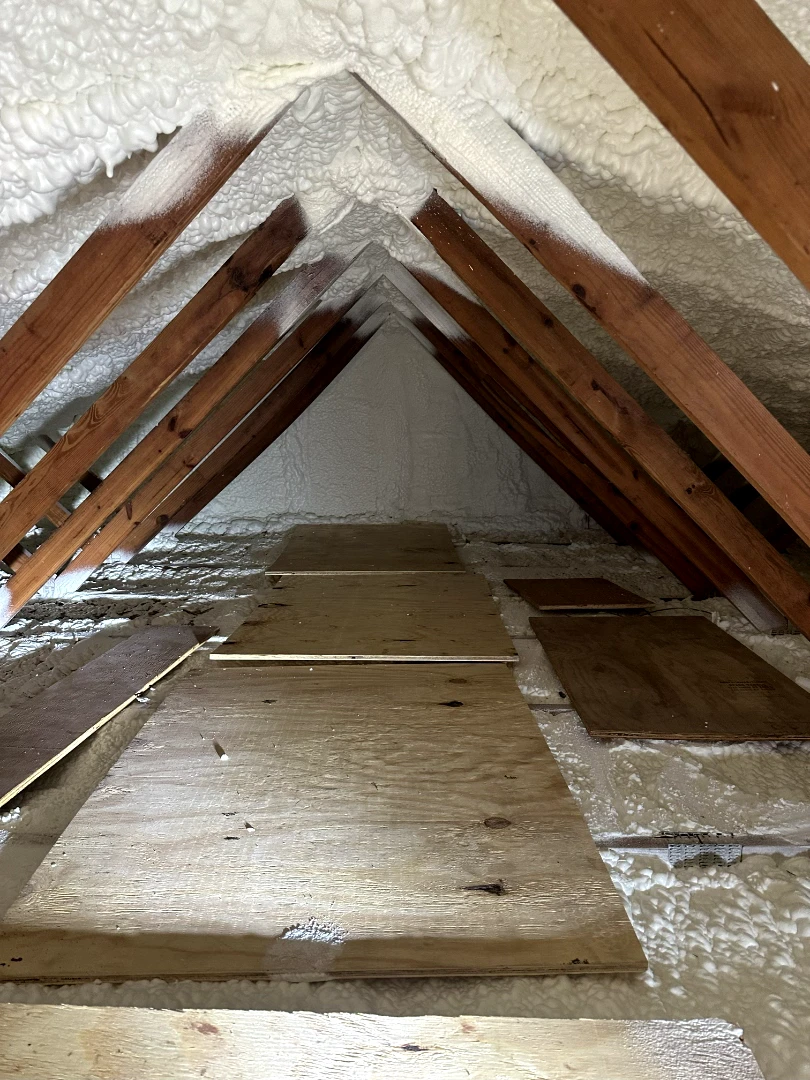
What Factors Determine Attic Insulation Installation Costs?
The cost of attic insulation installation depends on five main factors: attic size, insulation material, the R-value your climate requires,…

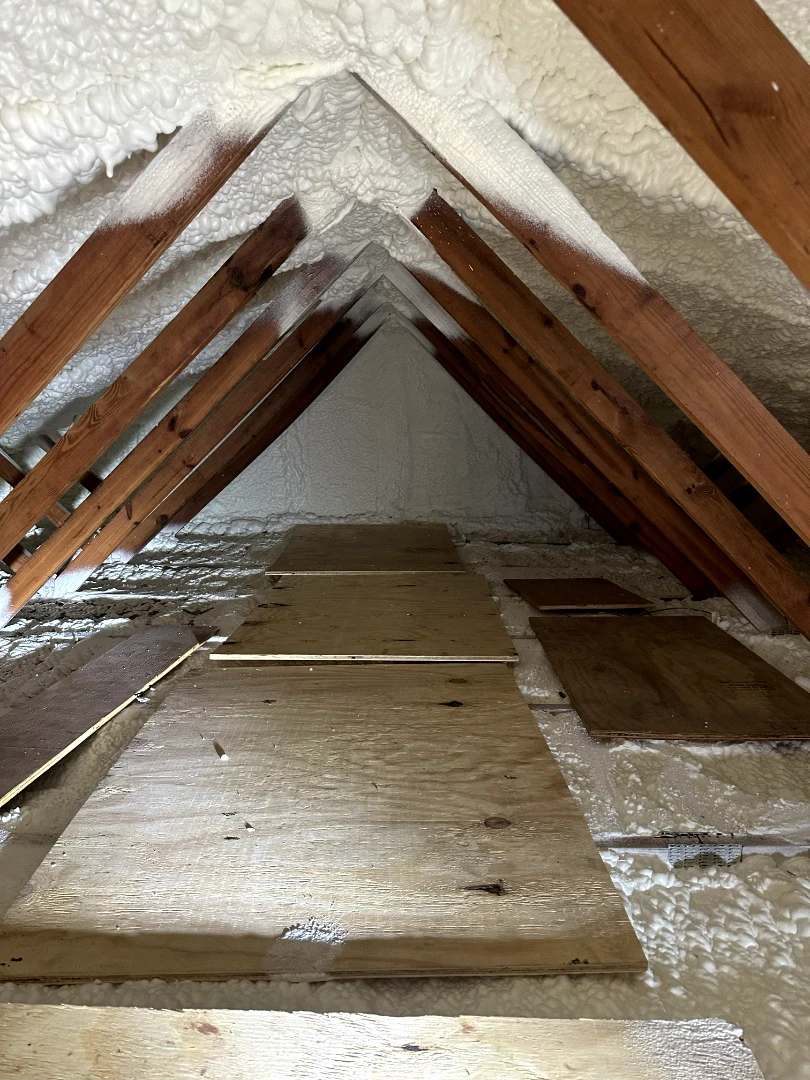
In most Delray Beach homes, attic insulation pays for itself within 3 to 7 years through reduced cooling costs, depending on your attic’s current condition, the insulation material chosen, and your household energy usage. Delray Beach sits in Florida Climate Zone 1, where the EPA’s ENERGY STAR program estimates that air sealing and adding attic insulation saves homeowners about 5% on total energy bills and 7% on heating and cooling costs. While those percentages may seem modest on their own, Florida homes have exceptionally high cooling loads. According to the U.S. Energy Information Administration, 27% of all energy consumed in Florida homes goes directly to air conditioning, more than four times the national average. When you combine that high baseline demand with proper attic insulation, the dollar savings add up fast enough to recover your investment well within a decade, and in many cases much sooner. A comprehensive attic insulation resource can help homeowners understand how to maximize those long-term savings.
Attic insulation is the single most impactful location to insulate in any home, and this is especially true in Delray Beach. The University of Florida’s energy education program confirms that more heat per square foot travels through your ceiling than any other structural surface in a house. In our climate, that means an under-insulated attic allows relentless radiant heat from the sun-baked roof to push directly into your living space, forcing your air conditioning system to run longer and harder than necessary.
Florida homes face a unique energy profile. Unlike northern states, where both heating and cooling contribute to energy costs, Delray Beach homeowners spend the overwhelming majority of their energy dollars on cooling. With air conditioning accounting for more than a quarter of all household energy use statewide, even modest percentage improvements translate to meaningful dollar savings month after month. Investing in attic insulation upgrades that reduce energy costs can deliver substantial long-term savings and improved indoor comfort.
The Florida Building Code places Delray Beach and all of Palm Beach County in Climate Zone 1, which requires a minimum of R-30 attic insulation. However, meeting the code minimum is not the same as optimizing for energy savings. Many older homes in the Delray Beach area were built with far less insulation than current standards require, and some have degraded or compressed insulation that performs well below its original rated value.
The concept behind the payback period is straightforward. According to Penn State University’s energy conservation program, payback equals the cost of insulation divided by the annual energy savings it generates. The lower your installation cost and the higher your annual savings, the faster you break even.
Here is how that formula works in practice for a Delray Beach home:
| Scenario | Current Insulation | Upgrade Cost | Est. Annual Savings | Payback Period |
|---|---|---|---|---|
| Older home, little to no insulation | R-10 or less | $5,000 | $700 – $900 | 5.6 – 7.1 years |
| Moderate upgrade, some existing insulation | R-19 | $3,500 | $500 – $700 | 5.0 – 7.0 years |
| Top off existing insulation to R-38 | R-25 | $2,000 | $300 – $450 | 4.4 – 6.7 years |
| Full removal and replacement with spray foam | Old/compressed | $8,000 | $900 – $1,200 | 6.7 – 8.9 years |
These estimates assume a typical Delray Beach home running central air conditioning through South Florida’s extended cooling season. Homes with higher energy bills, larger square footage, or vaulted ceilings that lack insulation will see different results. The key takeaway is that every scenario shows a payback well within the lifespan of the insulation itself, which typically lasts 30 to 80 years, depending on the material.
Several variables determine exactly how quickly your attic insulation investment pays for itself in the Delray Beach market.
Current insulation condition. Homes with little or no existing attic insulation will see the most dramatic savings. If your attic currently has just a few inches of old fiberglass that has settled or been compressed over decades, your payback period will be shorter than someone who already has R-25 and is simply adding a top-off layer.
Air sealing quality. Insulation alone is not enough. Gaps around recessed lights, plumbing stacks, ductwork penetrations, and attic hatches allow conditioned air to escape regardless of how much insulation sits above the ceiling. The EPA’s savings estimates specifically assume both air sealing and insulation work are performed together. Skipping the air sealing step can reduce your savings by a significant margin.
HVAC ductwork location. If your air conditioning ducts run through the attic, which is common in many Florida homes, attic insulation becomes even more valuable. Ducts in an uninsulated or poorly insulated attic lose cooled air to the surrounding heat before it ever reaches your rooms, forcing your system to overwork. Upgrading attic insulation around and above those ducts captures savings from two directions at once.
Material selection. Different insulation types offer different R-values per inch, which affects both performance and project cost. Here is how common options compare:
| Insulation Type | R-Value Per Inch | Typical Installation | Best For |
|---|---|---|---|
| Blown-in fiberglass | 2.2 – 4.0 | Loose fill over attic floor | Standard attic upgrades, accessible spaces |
| Blown-in cellulose | 3.0 – 3.7 | Loose fill over attic floor | Eco-friendly option, good air sealing |
| Open cell spray foam | 3.6 – 3.8 | Sprayed on rafters or attic floor | Unvented attic assemblies, irregular spaces |
| Closed cell spray foam | 5.8 – 6.8 | Sprayed on rafters or attic floor | Maximum R-value per inch, moisture barrier |
The right material depends on your attic configuration, budget, and goals. Our team evaluates each attic individually and recommends the option that delivers the best balance of performance and payback speed.
Energy bill reductions are the primary way attic insulation pays for itself, but they are not the only financial benefit. Fiberglass blown-in attic insulation has been shown to deliver some of the strongest resale returns of any home improvement project. When a home goes on the market, a properly insulated attic signals to buyers that the home is energy-efficient and well-maintained, which can help justify a higher asking price. Many homeowners choose spray foam insulation in Delray Beach, FL as part of a long-term strategy to maximize efficiency and property value.
Insulation also extends the life of your HVAC system. When your air conditioning unit runs less frequently and under less strain, it experiences fewer breakdowns, requires less frequent maintenance, and may last years longer before needing replacement. For Delray Beach homeowners running AC nearly year-round, that secondary benefit alone can represent substantial long-term savings.
Indoor comfort improvements are harder to quantify but genuinely valuable. Rooms that once felt hot and stuffy in the afternoon become consistently comfortable. Temperature differences between floors disappear. Humidity control improves because your AC system can cycle off more often, allowing it to dehumidify effectively rather than running continuously.
Not every Delray Beach home benefits equally from the same approach. Here is what we recommend based on common situations we encounter:
| Home Situation | Recommended Approach | Key Reason |
|---|---|---|
| Pre-1980s home with thin/missing insulation | Full attic insulation upgrade, blown-in material | Largest savings potential, shortest payback |
| 1990s-2000s home with moderate existing insulation | Top-off existing layer + air sealing | Good incremental savings, lower project cost |
| Home with ductwork in the attic | Insulation upgrade + duct sealing | Dual benefit from protecting duct efficiency |
| Vaulted or cathedral ceilings with no attic access | Spray foam application on the roof deck | Only viable method for limited-access spaces |
| New construction or recent renovation | Closed-cell spray foam on rafters | Maximum efficiency from day one |
Choosing the right team for your attic insulation project directly affects both the quality of the installation and how quickly you see returns. Here are the indicators that you are working with a qualified professional:
Our professionals evaluate every attic on its own merits. We measure what is currently in place, identify where conditioned air is escaping, and recommend only the work that will deliver the strongest return on your investment.
Every attic is different, and the fastest way to know exactly how quickly insulation will pay for itself in your home is to have our team take a look. At ALL IN OVERHALL, we provide honest assessments and clear pricing so you can make confident decisions about your energy investment. Reach out to us at (561) 406-3835 or email [email protected] to get started.
Request a Quote | Schedule an Attic Assessment
We have been helping Delray Beach homeowners improve comfort and reduce energy costs with professional insulation installations. Let us show you exactly what your attic needs and how fast the savings begin.
Delray Beach is in Palm Beach County, which falls under Florida Climate Zone 1. The Florida Building Code requires a minimum of R-30 attic insulation in this zone.
Indirectly, yes. When your attic insulation reduces the cooling load on your AC system, the system cycles off more often and can dehumidify more effectively, leading to better indoor humidity control.
Most attic insulation materials last 30 to 80 years, depending on the type. Fiberglass and cellulose can last 30 to 50 years, while spray foam can last 80 years or more when properly installed.
Not always. If your existing insulation is dry, uncompressed, and free of mold or pests, we can often blow new material directly over it. Removal is only necessary when the old insulation is damaged or when switching to spray foam.
While DIY blown-in insulation kits exist, professional installation ensures correct R-value coverage, proper air sealing, and code compliance. Improperly installed insulation with gaps or compression can lose 30% or more of its effective performance.