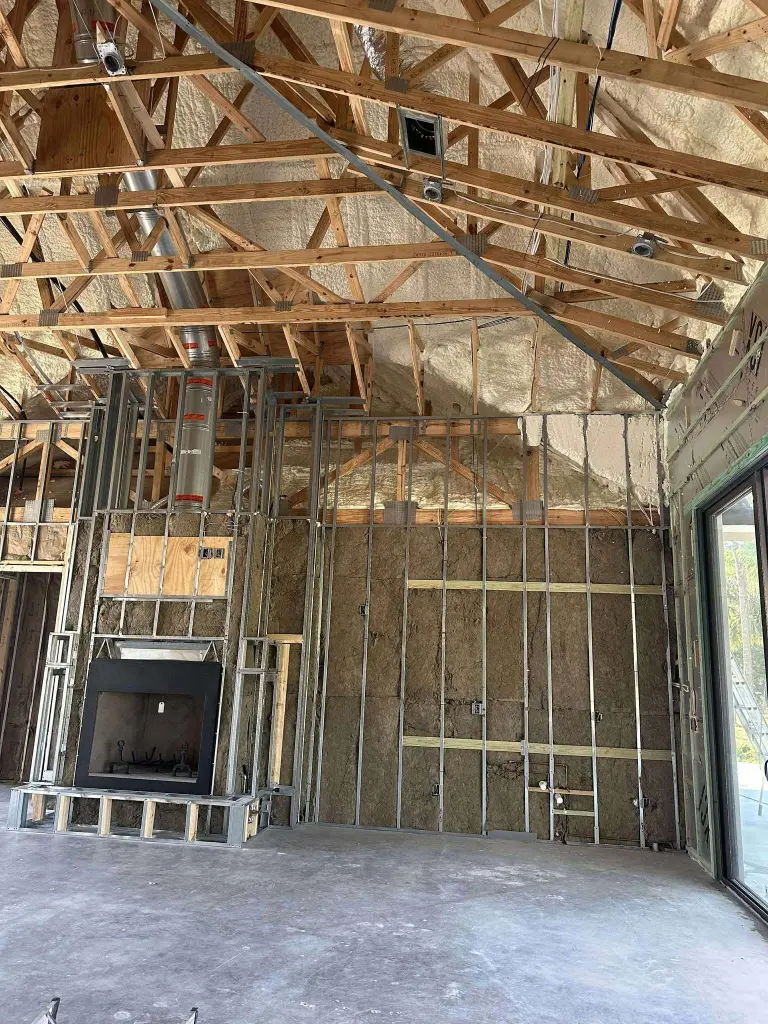
Why Does Old Insulation in Jupiter, FL Stop Protecting Your Home Effectively Over Time?
Old insulation in Jupiter, FL stops protecting your home because South Florida’s tropical climate slowly breaks the material down from…


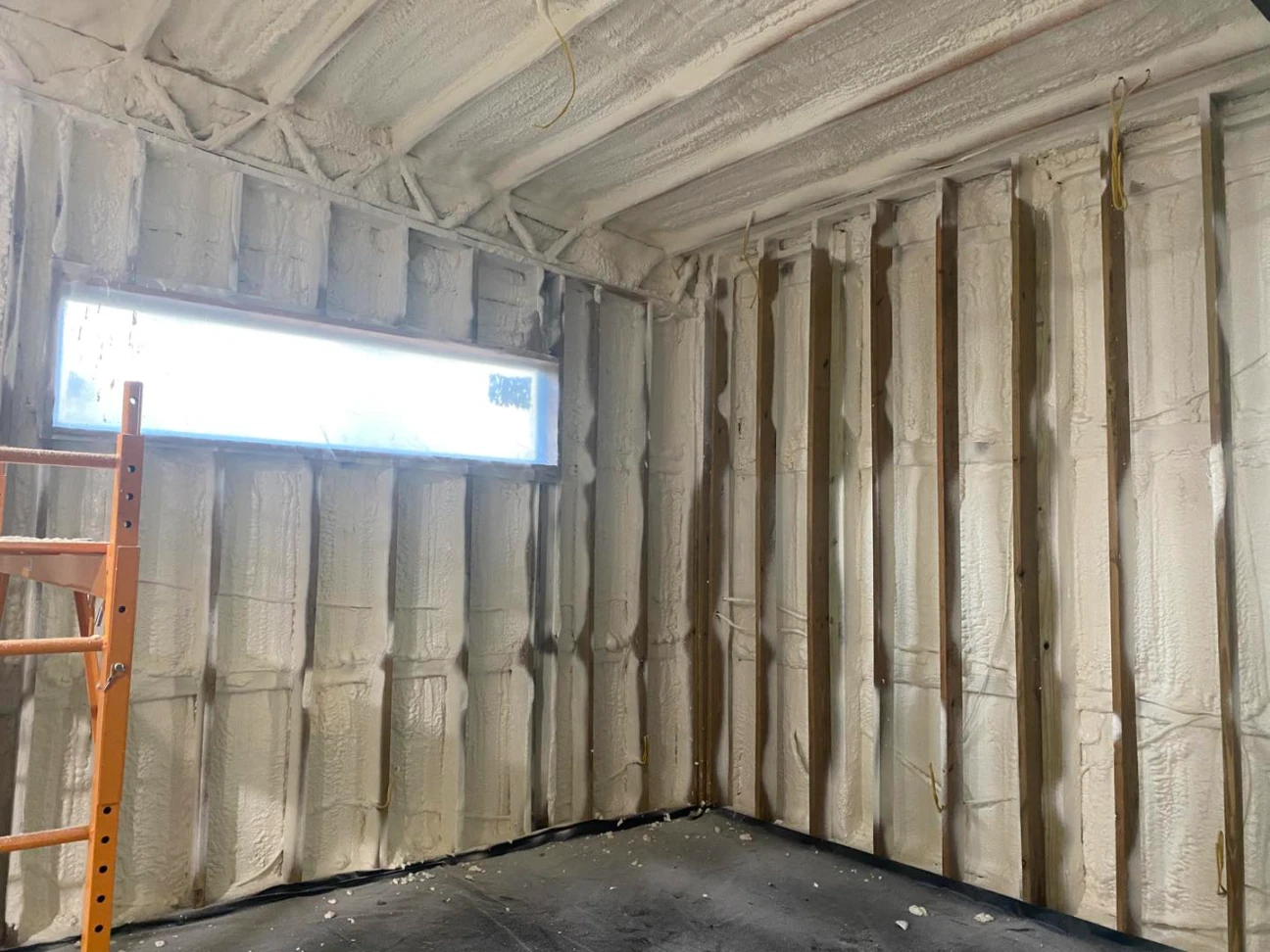
The spray foam insulation installation process in Jupiter, FL involves several distinct phases: an initial site assessment and material selection, thorough preparation including containment and ventilation setup, the actual foam application by trained professionals in full protective equipment, a curing and expansion period, a quality inspection, and final cleanup before re-occupancy. The entire process typically takes one to two days for an average-sized home, but the right approach depends on whether you need open-cell or closed-cell foam, the areas being insulated, and your home’s specific conditions. Jupiter’s hot, humid climate makes proper material selection and moisture management especially important, and understanding each phase helps you prepare your home and family for a smooth, safe installation. Following a spray foam energy guide can also help you maximize long-term energy efficiency and insulation performance after installation.
Understanding what happens at each stage of the process removes the uncertainty many homeowners feel before their first insulation project. Here is the typical sequence our team follows on residential projects in the Jupiter area.
Before any foam is sprayed, our technicians evaluate your home to determine the right approach. This assessment covers the areas to be insulated, the current condition of existing insulation, access points, and any moisture issues that need to be addressed first. For Jupiter’s hot-humid climate, we pay close attention to exterior drainage planes and bulk water management, as moisture loading from the exterior is a primary concern according to the Department of Energy’s Building America research on spray foam applications. This evaluation also helps determine whether spray foam or fiberglass batts are the better fit for your home’s insulation needs.
During this phase, we discuss whether open-cell or closed-cell foam suits your project and walk you through the product literature and safety data sheets. The EPA recommends that homeowners obtain copies of product literature and become informed of potential health effects and safe handling procedures before installation begins.
Preparation day involves setting up containment barriers, protecting surfaces, and establishing ventilation. Our crew removes any old insulation if replacement is needed, seals off the work area with plastic sheeting to isolate it from the rest of the home, and runs fans to manage airflow. EPA guidelines require contractors to isolate the work site to prevent vapors from spreading and to ventilate the work area throughout the process.
This is also when we confirm that all building occupants, including pets, have vacated. The U.S. Consumer Product Safety Commission advises that residents should vacate the premises during installation and for at least 24 hours after application.
The application itself is the most time-sensitive part of the process. Two chemical components, Side A (isocyanates) and Side B (polyol resin with catalysts, blowing agents, flame retardants, and surfactants), are mixed at the tip of a spray gun and applied to the target surfaces according to Wikipedia’s technical overview of spray foam chemistry. The foam expands and adheres on contact, filling gaps, cracks, and voids that traditional insulation materials cannot reach.
For closed-cell foam, our applicators spray in passes of 2 to 3 inches, allowing cooling time between layers as specified by the manufacturer. Open-cell foam can be applied to full thickness in a single pass, typically up to 10 inches. Our crew wears full personal protective equipment throughout, including respirators, chemical-resistant gloves, and protective clothing.
After spraying, the foam continues to expand and cure. The curing rate depends on product formulation, temperature, humidity, and the thickness of the application. The EPA notes that unpredictable or uncontrolled curing rates can increase exposure risks, so managing temperature and area conditions during this phase is essential for safe installation.
In Jupiter’s warm climate, higher temperatures generally accelerate curing, but high humidity can introduce variability. Some manufacturers recommend 24 hours before unprotected re-entry and re-occupancy, though this varies by product.
Once cured, our technicians trim any excess foam to create clean edges and then conduct a thorough inspection to verify complete coverage, proper thickness, and adhesion quality. We clean the work site to remove all dust and particles that may contain residual chemicals. Only after thorough cleaning and adequate ventilation do we clear the home for re-occupancy.
Building Science Corporation’s residential spray foam guide emphasizes that spray foam provides continuity of the water control, air control, vapor control, and thermal control layers necessary for effective environmental separation in walls, roofs, and foundations when properly installed.
Choosing between open-cell and closed-cell spray foam is one of the most important decisions in the process. Each type has distinct physical properties and performance characteristics that make it better suited for specific applications.
| Property | Open-Cell Foam | Closed-Cell Foam |
|---|---|---|
| Density | 0.5 lb/cu ft | 2.0 lb/cu ft |
| R-Value per Inch | R-3.6 | R-6.1 |
| Vapor Permeance | Moisture permeable (5-10 perms at 5″) | Vapor retarder (less than 1 perm at 2″) |
| Water Absorption | Can absorb and hold water | Hydrophobic, will not absorb water |
| Expansion Ratio | Up to 150x liquid volume | 35-50x liquid volume |
| Application Pass | Full thickness in single pass (up to 10″) | 2-3 inches per pass, multiple layers |
| Sound Dampening | Excellent (high NRC rating) | Moderate |
| Structural Support | None | Adds racking strength to walls and roof |
Attics and cathedral ceilings: Closed-cell is the preferred option in Jupiter’s hot-humid climate. It provides the vapor control needed to prevent condensation on the roof deck and keeps ductwork within the conditioned space, eliminating the thermal penalty of vented unconditioned attics. Open-cell is acceptable but requires careful moisture management.
Wall cavities: Closed-cell is preferred for hot-humid climates because it serves as a redundant moisture control layer and delivers superior R-value per inch. Open cell is acceptable but requires well-planned exterior drainage planes and bulk water management.
Crawlspaces and band joists: Closed-cell is strongly recommended for both vented and conditioned crawlspaces. Open cell should not be used in below-grade or high-moisture environments because its moisture-permeable nature makes it incompatible with foundation applications.
Interior partitions and sound control: Open cell is an effective choice here. Its higher sound transmission class (STC) and noise reduction coefficient (NRC) ratings make it well suited for home offices, media rooms, and shared walls.
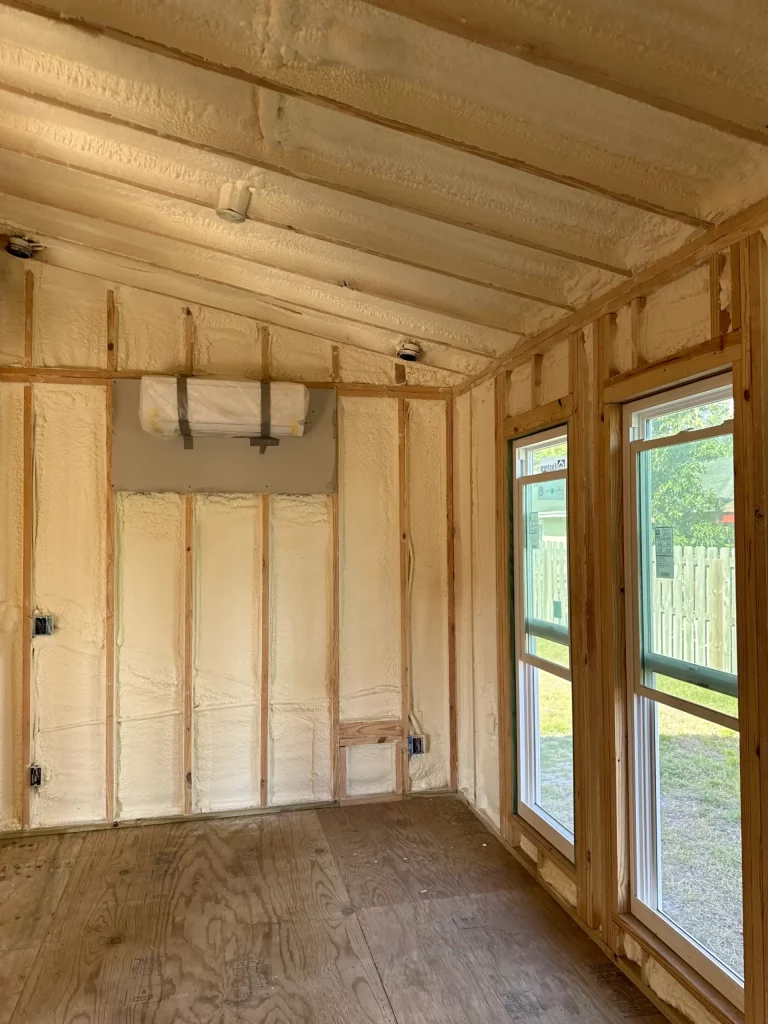
Safety is the most critical aspect of spray foam installation. The chemicals involved, particularly isocyanates in Side A, are powerful irritants that can cause asthma, lung damage, skin and eye irritation, and respiratory problems when mishandled. Here is what every homeowner needs to understand:
Vacate the premises: The EPA, CPSC, and NIOSH all agree that building occupants must leave during installation. The CPSC’s health and safety fact sheet recommends residents vacate for at least 24 hours after application. Children, elderly individuals, and anyone with respiratory conditions, asthma, or skin sensitivities should be especially cautious.
Ask your contractor these questions before work begins:
Post-installation: If you notice continuing odors or experience respiratory symptoms after re-occupancy, contact your contractor immediately. If concerns are not resolved, the CPSC recommends filing a report on SaferProducts.gov and considering an independent indoor air quality assessment.
Project costs depend on the type of foam, the square footage being insulated, the thickness required, access difficulty, and whether old insulation must be removed. Here is a general reference for our service area:
| Service | Typical Low | Typical Average | Typical High |
|---|---|---|---|
| Closed-Cell Spray Foam | $2,000 | $8,000 | $25,000 |
| Open Cell Spray Foam | $1,500 | $5,000 | $15,000 |
| Attic Insulation | $1,500 | $5,000 | $15,000 |
| Insulation Removal and Replacement | $1,500 | $3,000 | $7,500 |
| Pole Barn Insulation | $2,000 | $10,000 | $20,000 |
Larger square footage and greater thickness or higher R-value requirements tend to increase pricing, while easier access to the area being insulated helps keep costs lower. Material and product costs are the single biggest factor affecting pricing across all project types.
Choosing a qualified installer directly affects the safety and performance of your insulation. Look for these indicators:
Our team at ALL IN OVERHALL has the training, experience, and local knowledge to handle spray foam insulation projects of all sizes throughout the Jupiter area. We guide homeowners through every step of the process, from the initial assessment and product selection through safe installation and cleanup. Reach out to us today to discuss your project and get started with a plan tailored to your home.
Request a Quote | Schedule a Consultation
Call us at (561) 406-3835 or email [email protected] to get your project started with a team you can trust.
Most residential projects in the Jupiter area are completed in one to two days, depending on the scope of work and the areas being insulated. The actual spraying typically takes a few hours, while curing and cleanup extend the timeline.
No. The EPA and CPSC both recommend that all occupants, including pets, vacate the premises during spraying and for at least 24 hours afterward to avoid exposure to chemical vapors and particulates.
Closed-cell spray foam is generally the better choice for hot-humid climates like Jupiter’s because it acts as a vapor retarder, resists moisture absorption, and provides higher R-value per inch in a thinner application.
Some homeowners notice an odor during and immediately after curing. Lingering odors after the re-occupancy period should be reported to your contractor, as they may indicate an issue with curing or ventilation.
Homes with poor air sealing, high energy bills, inadequate existing insulation, or moisture issues in attics and crawlspaces are strong candidates. A professional assessment will determine the best approach for your specific situation.