What Factors Determine Attic Insulation Installation Costs?
The cost of attic insulation installation depends on five main factors: attic size, insulation material, the R-value your climate requires,…

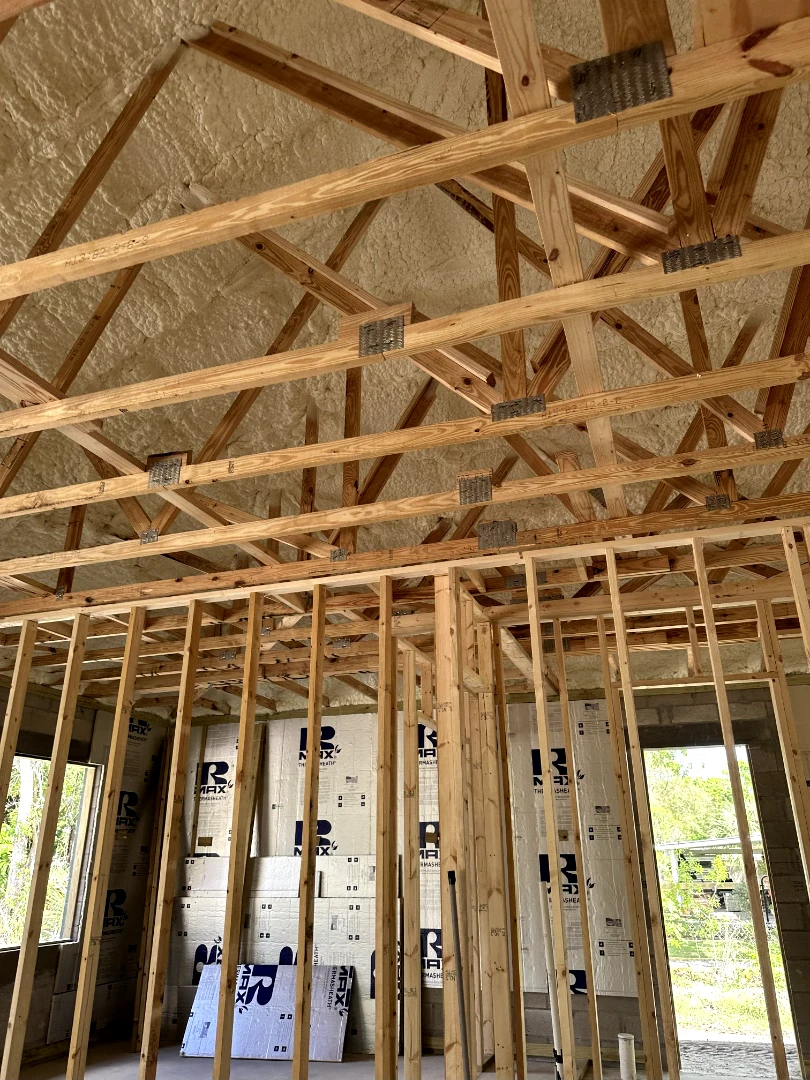
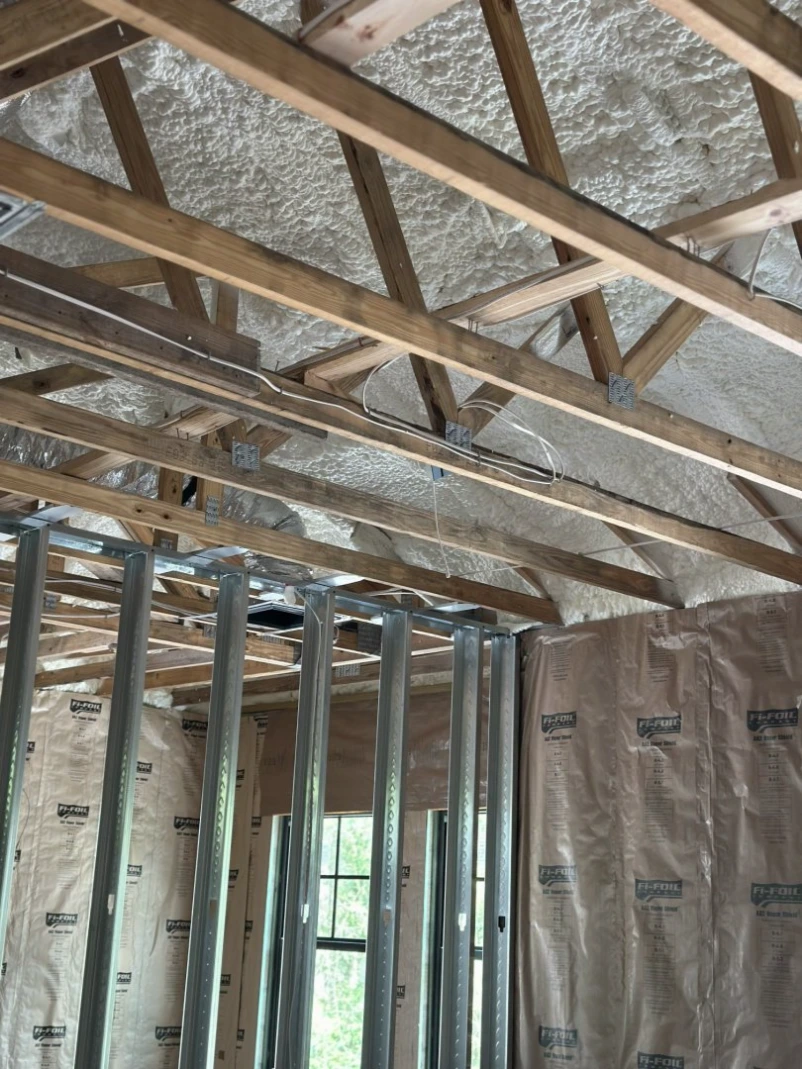
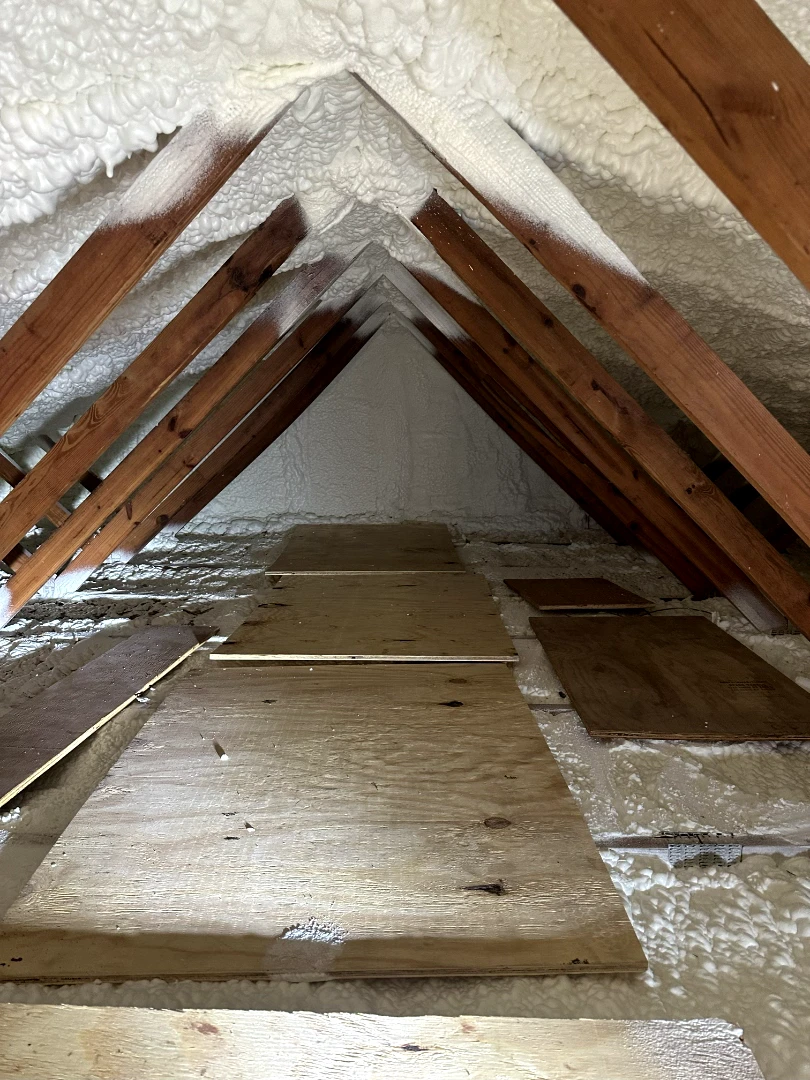
Attic insulation typically saves homeowners between 10% and 20% on heating and cooling costs each year, according to the U.S. Department of Energy and EPA data. For the average American household, that translates to meaningful annual savings that compound over time. The EPA’s ENERGY STAR program estimates that air sealing and insulating key areas like the attic, crawl spaces, and basement rim joists can cut 15% off heating and cooling expenses, or roughly 11% off total energy costs on a national average basis. Homes in northern climate zones see even greater returns, with total energy savings reaching up to 16% annually. Here in South Florida, where our service area around Jupiter falls in Climate Zone 2, the savings trend toward the lower end of the range but still add up fast when you factor in year-round air conditioning demand, as explained in this attic insulation guide.
Heat moves from warm areas to cold areas, and your attic is the primary escape route. In summer, the sun bakes your roof and that heat radiates down into your living space. In winter, warm air from your heating system rises and escapes through an under-insulated attic. Your HVAC system then works harder and longer to maintain comfortable temperatures, which drives up your utility bills.
Proper attic insulation creates a thermal barrier that slows this heat transfer. When combined with air sealing, which plugs the gaps and cracks where conditioned air literally leaks out, the effect is powerful enough to reduce the workload on your HVAC system by a noticeable margin. According to the ENERGY STAR Seal and Insulate program, the EPA found that if you added up all the leaks, holes, and gaps in a typical home, it would be equivalent to having a window open every single day of the year.
Not all homes benefit equally from attic insulation. Your climate zone is one of the biggest factors in determining how much you will save. The ENERGY STAR Methodology for Estimated Energy Savings provides a detailed breakdown based on energy modeling of typical U.S. homes:
| Climate Zone | Region | Total Energy Savings | Heating and Cooling Savings Only |
|---|---|---|---|
| CZ 8 | North (AK) | 16% | 18% |
| CZ 7 | North | 15% | 19% |
| CZ 6 | North | 14% | 18% |
| CZ 5 | North | 12% | 16% |
| CZ 4 | Mixed | 12% | 17% |
| CZ 3 | South | 8% | 14% |
| CZ 2 | South (FL) | 6% | 9% |
| CZ 1 | South (HI) | 5% | 7% |
| National Average | All | 11% | 15% |
For homeowners in our South Florida service area (Climate Zone 2), the estimated total energy savings come in around 6%, with heating and cooling savings specifically around 9%. While that may sound modest compared to northern states, remember that Florida homes run air conditioning virtually year-round. A smaller percentage of a much larger annual cooling bill can still represent significant dollar savings.
Several variables determine how much attic insulation will save you personally:
Based on our project data at All In OverHall, here is what homeowners can expect to invest in attic insulation:
| Investment Level | Typical Range | Best For |
|---|---|---|
| Low end | Starting around $1,500 | Small attics, basic blown-in insulation, straightforward access |
| Average project | Around $5,000 | Standard residential attic, full coverage with quality materials |
| High end | Up to $15,000 | Large or complex attics, spray foam applications, removal of old insulation |
The biggest pricing factors are the material you choose, the square footage of the attic, the thickness and R-value required, and whether old insulation needs to be removed first. Difficult access to the attic space can also increase labor time.
Here is a simple way to estimate your own annual savings:
For example, a homeowner in our Jupiter, FL service area with a $250 monthly energy bill would have a $3,000 annual energy cost. At 6% total energy savings (Climate Zone 2), that is approximately $180 per year. At 9% on heating and cooling specifically, the savings could be higher depending on what portion of the bill goes to HVAC, which is why proper planning is important when reviewing attic insulation cost in Jupiter, FL.
The U.S. Department of Energy’s Guide to Home Insulation notes that savings of up to 20% on heating and cooling costs are achievable with the right insulation strategy. Homes in more extreme climates or with badly degraded existing insulation can see results at the higher end of the range.
| Home Type | Location | Existing Insulation | Annual Energy Bill | Estimated Annual Savings |
|---|---|---|---|---|
| 1,800 sq ft ranch | Jupiter, FL | Minimal (R-11) | $3,200 | $192 to $288 |
| 2,200 sq ft two-story | Palm Beach County, FL | Moderate (R-19) | $3,800 | $190 to $304 |
| 2,500 sq ft single-family | Martin County, FL | None | $4,200 | $252 to $378 |
| 1,500 sq ft condo-townhome | Stuart, FL | Degraded/settled | $2,800 | $168 to $252 |
| 3,500 sq ft new construction | Palm Beach Gardens, FL | Code minimum (R-30) | $5,000 | $100 to $200 |
These are estimates based on EPA climate zone data. Actual savings vary based on the factors listed earlier.
This project is right for you if:
This project may not be the best priority if:
Every month you delay an attic insulation upgrade is another month your HVAC system works harder than it needs to. That extra strain does not just cost you in energy bills. It also shortens the lifespan of your heating and cooling equipment, which is one of the most expensive systems in your home to replace. A system running 15 to 20% more than necessary will accumulate wear and tear faster, leading to earlier repairs and replacement.
The ENERGY STAR “Rule Your Attic” program emphasizes that with current energy prices, there has never been a better time to invest in sealing and insulating your attic. When you factor in the cumulative energy savings, improved comfort, reduced HVAC wear, and potential increase in home resale value, the return on a properly executed attic insulation project is substantial.
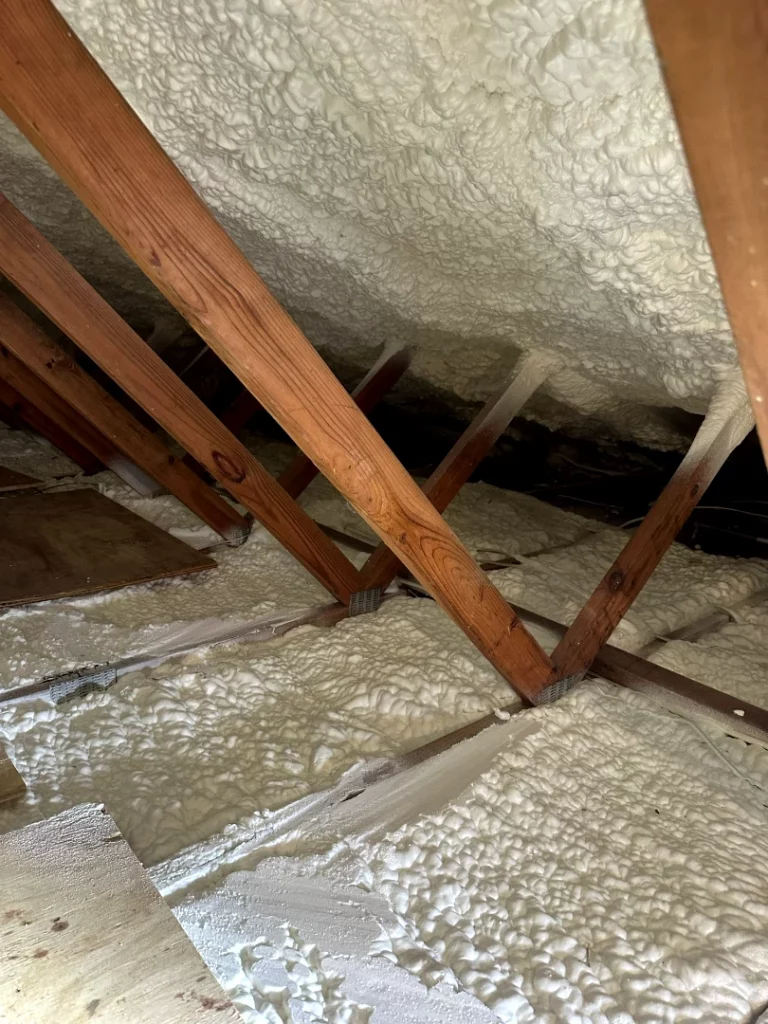
Our team at All In OverHall specializes in attic insulation, spray foam applications, and insulation removal and replacement for homes throughout the Jupiter and Palm Beach County area. We work on projects ranging from small 400-square-foot spaces to full residential attics across homes from 1,500 to over 4,000 square feet. Whether you need a quick insulation top-up or a complete spray foam installation, our experienced crew delivers quality results backed by real building science knowledge.
Request a quote by calling us at (561) 406-3835 or emailing [email protected]. You can also schedule an attic assessment with our team to find out exactly how much insulation your home needs and what kind of savings you can expect.
Stop paying for conditioned air that escapes through your attic. Let our professionals show you the difference proper insulation makes.
Look into your attic with a ruler. If the insulation is level with or below the top of the ceiling joists, you need more. The EPA recommends at least R-38 for most southern homes, which is roughly 10 to 14 inches of fiberglass or cellulose, depending on the material.
Spray foam (both open cell and closed cell) provides the highest R-value per inch and also acts as an air barrier. However, the best choice depends on your attic configuration, budget, and goals. Our team evaluates each home individually before making a recommendation.
Payback periods range from 3 to 8 years, depending on your climate zone, current insulation levels, and energy costs. In South Florida, where air conditioning runs nearly year-round, homeowners tend to see returns on the faster end of that range.
It helps in both seasons. In summer, insulation blocks radiant heat from your roof from entering your living space. In winter, it prevents warm indoor air from escaping through the attic. Homes in hot climates like Florida benefit significantly from reduced cooling loads.
DIY installation is possible with blanket batts or rolled fiberglass, but achieving proper air sealing and consistent coverage without gaps or compression requires professional skill. Spray foam always requires professional installation due to specialized equipment and safety requirements.