What Factors Determine Attic Insulation Installation Costs?
The cost of attic insulation installation depends on five main factors: attic size, insulation material, the R-value your climate requires,…


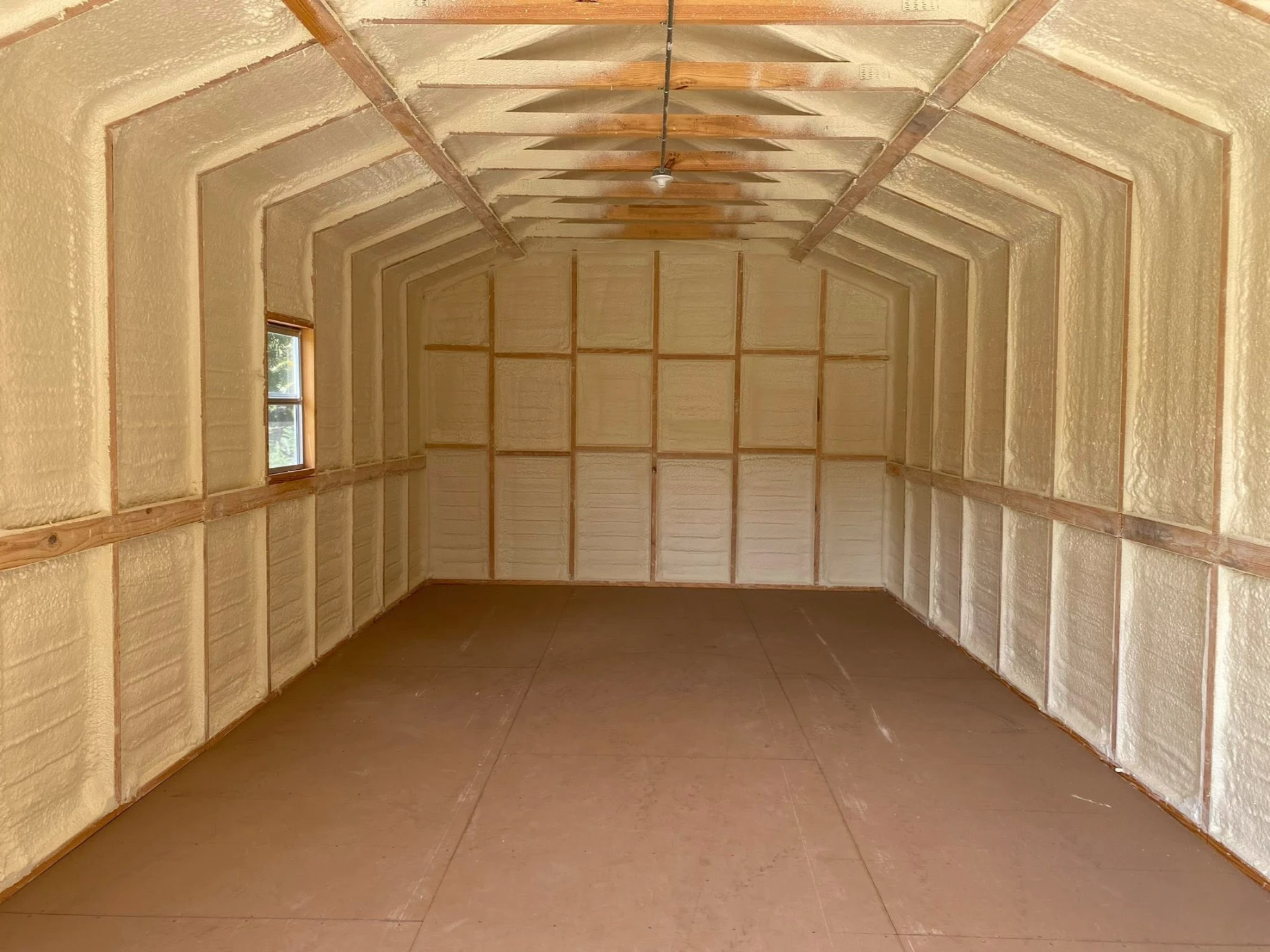
Spray foam insulation is one of the most effective solutions for drafty and poorly sealed homes in Boynton Beach, but whether it is the right choice depends on your home’s specific conditions, the areas that need sealing, and your budget. The Spray Foam Energy Guide provides additional information on how spray foam can improve energy performance through insulation and air sealing. Boynton Beach sits in Palm Beach County, which falls within IECC Climate Zone 2A (hot-humid). In this climate, the priority is keeping hot, humid outdoor air from infiltrating your living space, making spray foam’s ability to insulate and air-seal simultaneously a strong option for homes with persistent drafts and air leakage problems.
Homes in Boynton Beach face a specific combination of heat and humidity that makes air sealing critical. According to the DOE’s climate region guide, Palm Beach County is classified as hot-humid, meaning the area receives significant annual precipitation and experiences sustained high wet-bulb temperatures. In this environment, every gap in your building envelope lets in not just heat but moisture-laden air that forces your AC to work harder and creates conditions favorable for mold growth.
The DOE Insulation Fact Sheet notes that heating and cooling account for 50 to 70% of the energy used in the average American home, and that inadequate insulation and air leakage are the leading causes of energy waste. The fact sheet also emphasizes that air leaks between the living space and attics, crawlspaces, and wall cavities are often much greater than the obvious leaks around windows and doors. For Boynton Beach homeowners running air conditioning nearly year-round, those hidden leaks carry a high ongoing cost.
Studies referenced by Wikipedia note that the US Department of Energy found 40% of a home’s energy is lost through air infiltration via walls, windows, and doorways, and that buildings treated with spray foam insulation can perform up to 50% better than those with traditional insulation products.
Not all spray foam is the same, and the type you choose should match the problem you are solving. Both types expand on contact to fill gaps and cracks, but they differ in density, R-value, and moisture resistance.
| Feature | Open Cell Spray Foam | Closed Cell Spray Foam |
|---|---|---|
| R-value per inch | ~3.8 | 5.1 to 6.0 |
| Density | Low (half-pound) | Medium (two-pound) |
| Air barrier | Yes, at 5.5 inches or more | Yes, at a minimum thickness of 50 mm |
| Vapor barrier | No | Yes |
| Best application | Wall cavities, attics with sufficient depth | Crawlspaces, rim joists, exterior walls |
| Moisture resistance | Allows vapor permeability | Blocks moisture |
| Sound dampening | Better due to sponge-like structure | Less, but still effective |
For a drafty home in Boynton Beach, the decision hinges on where the leaks are and what you need to stop. If your primary problem is humid air infiltrating through the attic floor, walls, and around ductwork, a spray foam contractor in Boynton Beach can help determine whether closed-cell foam is appropriate for areas where higher R-value and moisture control are priorities. If you need to fill large, accessible wall cavities and want sound reduction along with air sealing, open-cell foam covers more area at a lower material cost.
Traditional insulation like fiberglass batts or blown-in cellulose slows conductive heat transfer, but it does not stop air movement through gaps, around studs, or at penetration points. Residential Spray Foam Insulation provides additional guidance on how spray foam addresses these air-sealing limitations. The DOE Insulation Fact Sheet makes a clear distinction: the ability of insulation to limit air movement within the cavity it occupies should not be confused with air sealing. Insulation in a wall cavity will not stop air leaking between the foundation and sill plate or around a window frame.
Spray foam addresses this gap by expanding 30 to 60 times its liquid volume to fill cracks, crevices, and voids on contact, as described in the Spray Foam Wikipedia entry. This expansion creates a custom airtight seal that blocks all three forms of heat transfer: conductive, convective, and radiant. For homes with chronic drafts, this means the foam does not just slow heat flow; it physically stops the air currents that carry heat and moisture through the building envelope.
In Boynton Beach’s climate, blocking convective heat transfer is particularly important because the stack effect and wind-driven pressure push hot, humid air through every available gap. Spray foam applied to attics, crawlspaces, and rim joists eliminates those pathways.
Spray foam is an effective insulation product, but it requires proper installation and safety protocols. The EPA classifies spray polyurethane foam as a highly effective insulation and air sealant, while also warning that exposure to isocyanates and other SPF chemicals during and after installation can cause asthma, lung damage, skin and eye irritation, and respiratory problems. A local insulation contractor can help ensure the material is installed according to manufacturer requirements, proper safety protocols, and applicable building standards.
The CPSC recommends that homeowners vacate the premises during and for at least 24 hours after installation. The CPSC also advises homeowners to discuss re-occupancy times, ventilation plans, and product specifics with their contractor before work begins, and to verify that the contractor has appropriate training and insurance.
Once fully cured, spray foam is inert and non-toxic. The key is ensuring the installation team follows proper protocols and that you do not re-enter the home until the manufacturer’s re-occupancy procedures have been satisfied.
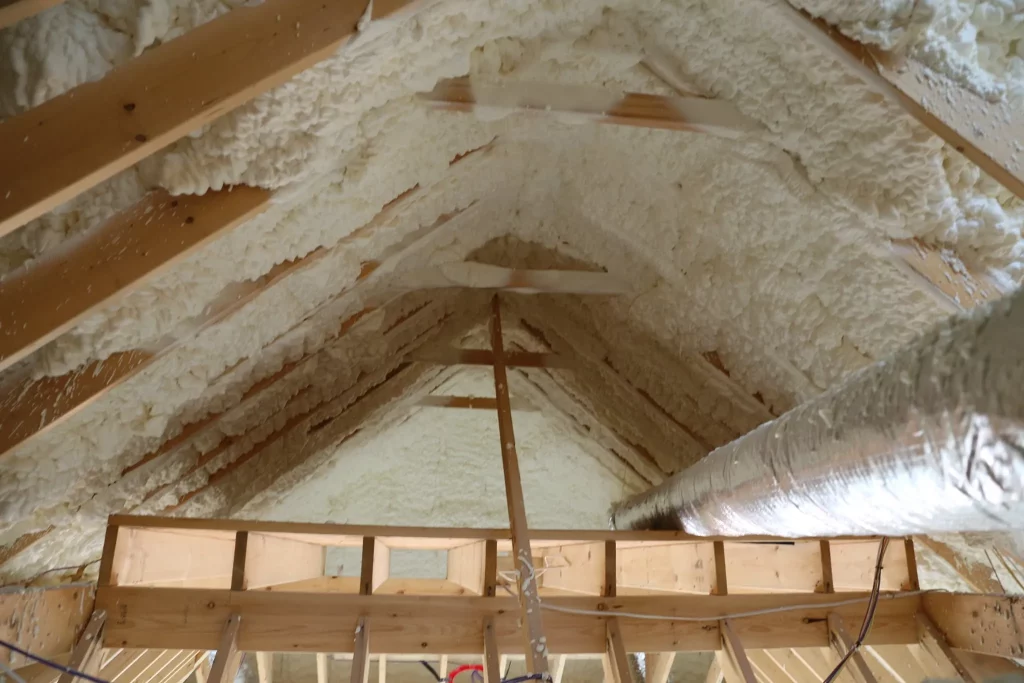
Not every Boynton Beach home needs the same approach. Here is how spray foam aligns with different situations:
| Home Scenario | Recommended Foam Type | Primary Benefit |
|---|---|---|
| Older block home with no wall insulation | Open cell (walls) + closed cell (attic) | Seals decades of air leakage, reduces AC runtime |
| 1980s-2000s tract home with fiberglass attic | Closed cell over existing or removal and replacement | Blocks duct and penetration air leaks in attic floor |
| New construction | Closed cell (envelope) | Starts with a tight building envelope from day one |
| Home with vaulted ceilings, limited attic access | Consult for feasibility | Some retrofits with limited access may not be candidates |
| Crawlspace with moisture issues | Closed cell on crawlspace walls | Acts as vapor barrier and air barrier combined |
Choosing the right installer matters as much as choosing the right material. Look for these indicators:
All In OverHall serves Boynton Beach homeowners with professional spray foam insulation tailored to South Florida’s hot-humid climate. Whether you are dealing with persistent drafts, high cooling bills, or moisture concerns, our team evaluates your home’s specific needs and recommends the right approach. Reach out to us at [email protected] or call (561) 406-3835 to get started.
Most residential projects are completed in one day, though larger homes or complex retrofits may require additional time.
Yes, by sealing air leaks that let humid outdoor air infiltrate, spray foam reduces the moisture load your AC system must handle.
Odors during curing are normal. The CPSC recommends vacating for at least 24 hours, and you should contact your contractor if odors or symptoms persist after re-entry.
Yes, our team can access wall cavities through small drilled holes for certain applications, though the approach depends on your home’s construction.
Homes treated with spray foam insulation often qualify for federal and state tax deductions, according to Wikipedia’s reference to Energy Star programs. Check current IRS guidelines for the latest eligibility requirements.