What Factors Determine Attic Insulation Installation Costs?
The cost of attic insulation installation depends on five main factors: attic size, insulation material, the R-value your climate requires,…

Quality insulation works by slowing the three ways heat moves through your home: conduction, convection, and radiation, which is especially important in Boynton Beach’s humid subtropical climate, where summers are long, hot, and muggy and winters are mild but still cool enough to feel uncomfortable without proper thermal protection. Insulation Guide explains how different insulation approaches can support better thermal performance and energy efficiency. According to the Department of Energy, on average, you can save up to 20% on heating and cooling costs by adding insulation to attics, floors, crawl spaces, and by reducing unwanted air leaks. For Boynton Beach homes, the right insulation strategy depends on the age of your home, existing insulation levels, whether you need air sealing, and which areas of the building envelope are most vulnerable to heat gain and loss.
Boynton Beach falls within a humid subtropical climate zone, characterized by long, hot summers with frequent convective thundershowers and mild winters. Summer temperatures regularly reach the upper 80s to low 90s with humidity levels that make the air feel even warmer. Even during mild winter stretches, indoor comfort depends on maintaining a consistent temperature without overworking your HVAC system.
In Florida, the primary challenge is heat flowing from the warm outdoors into your air-conditioned living spaces. The DOE’s Building Science Education program explains that creating a complete thermal envelope through a combination of insulation and air sealing is the best way to prevent unwanted heat transfer. Without that envelope, your air conditioner runs longer cycles to compensate for constant heat gain, leading to uneven temperatures from room to room and higher energy use.
Boynton Beach is in Palm Beach County, which the Florida Building Code places in Climate Zone 1. The ENERGY STAR recommended R-values for Zone 1 specify R-30 for an uninsulated attic and R-25 if you already have 3 to 4 inches of existing insulation. Meeting or exceeding these levels is the foundation of year-round comfort.
Understanding the three mechanisms of heat transfer helps explain why insulation alone is not always enough.
Conduction is the transfer of heat through solid materials like your ceiling drywall, wall studs, and roof decking. This is where R-value matters most. Higher R-value insulation slows conductive heat flow more effectively.
Convection is heat carried by moving air. Gaps around light fixtures, plumbing penetrations, and attic hatches allow conditioned air to escape and unconditioned air to enter. Insulation does not seal these gaps, which is why air sealing is a separate and necessary step.
Radiation is heat transfer across open spaces, primarily from the sun beating down on your roof. Radiant heat passes through standard insulation, which is why some Boynton Beach homeowners also consider radiant barriers in addition to bulk insulation.
| Heat Transfer Type | What Happens in Your Home | Best Solution |
|---|---|---|
| Conduction | Heat moves through your ceiling, walls, and floor | High R-value insulation (fiberglass, cellulose, spray foam) |
| Convection | Air leaks around penetrations carry heat and humidity | Air sealing before insulating |
| Radiation | Solar heat enters through the roof | Radiant barriers, reflective insulation |
Not all insulation materials perform the same way. The table below compares the most common options for Boynton Beach homes:
| Insulation Type | R-Value Per Inch | Air Sealing Ability | Best Application in Boynton Beach |
|---|---|---|---|
| Fiberglass (batts/loose fill) | 2.2 to 4.0 | Low | Attic floor, accessible wall cavities |
| Cellulose (blown-in) | 3.0 to 3.7 | Low to moderate | Attic floor top-up over existing insulation |
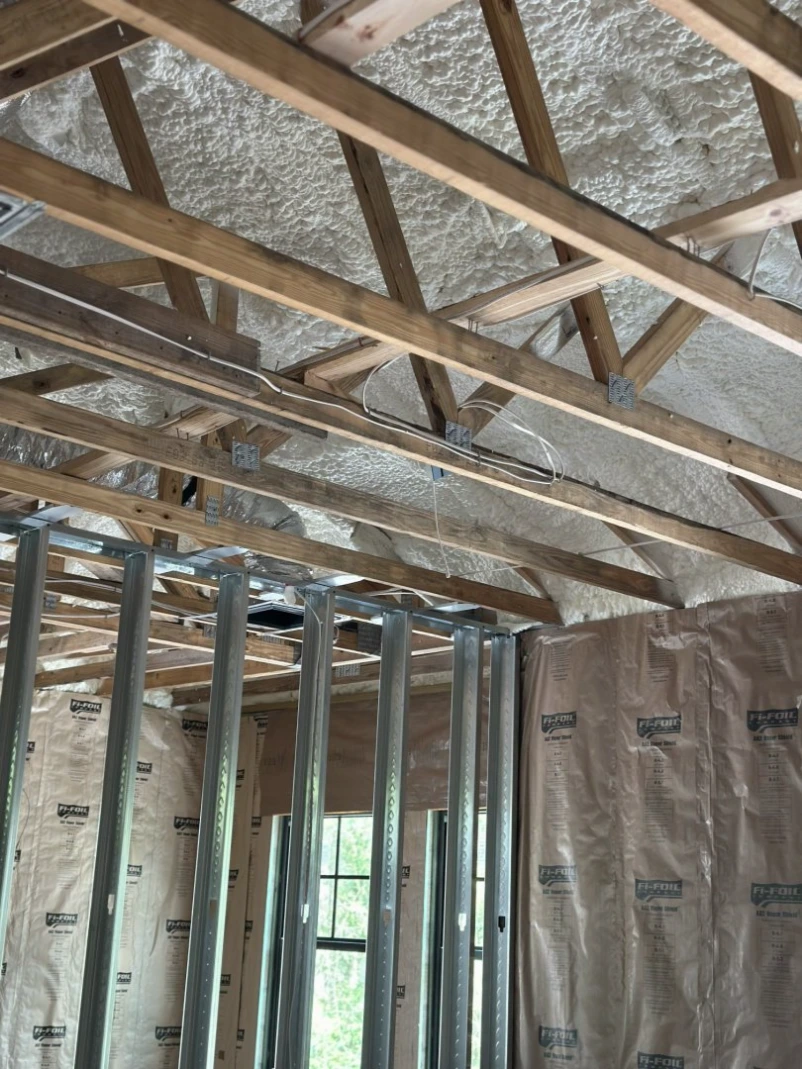
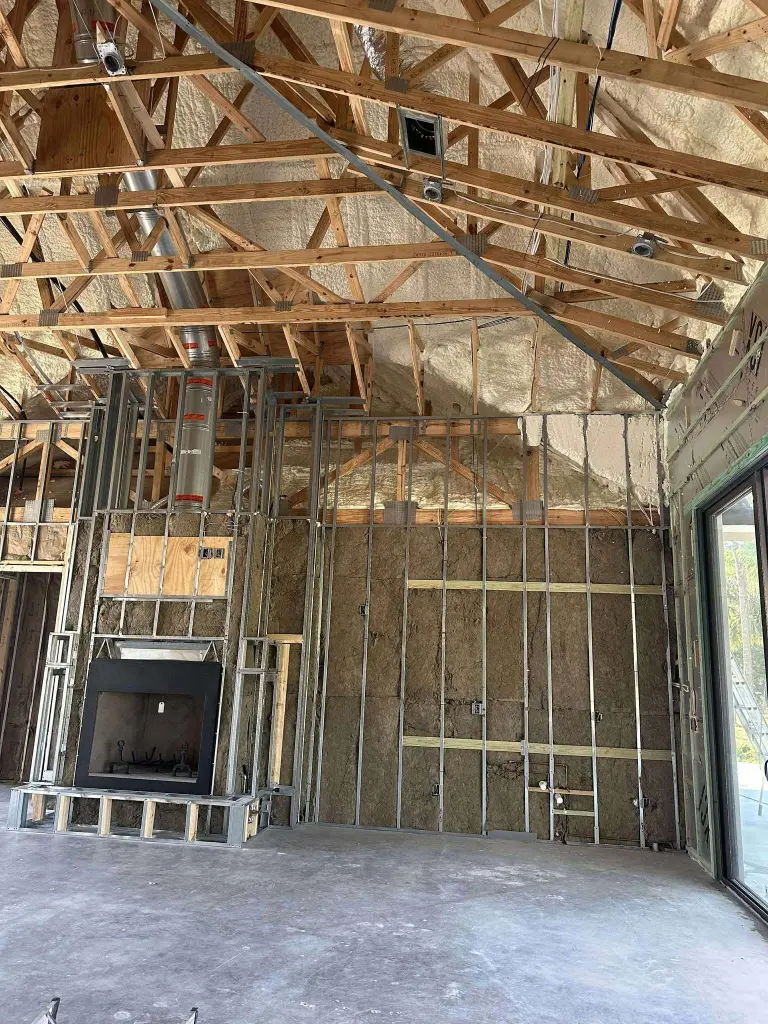
| Open-cell spray foam | 3.6 to 3.8 | High | Wall cavities, cathedral ceilings, hard-to-reach areas |
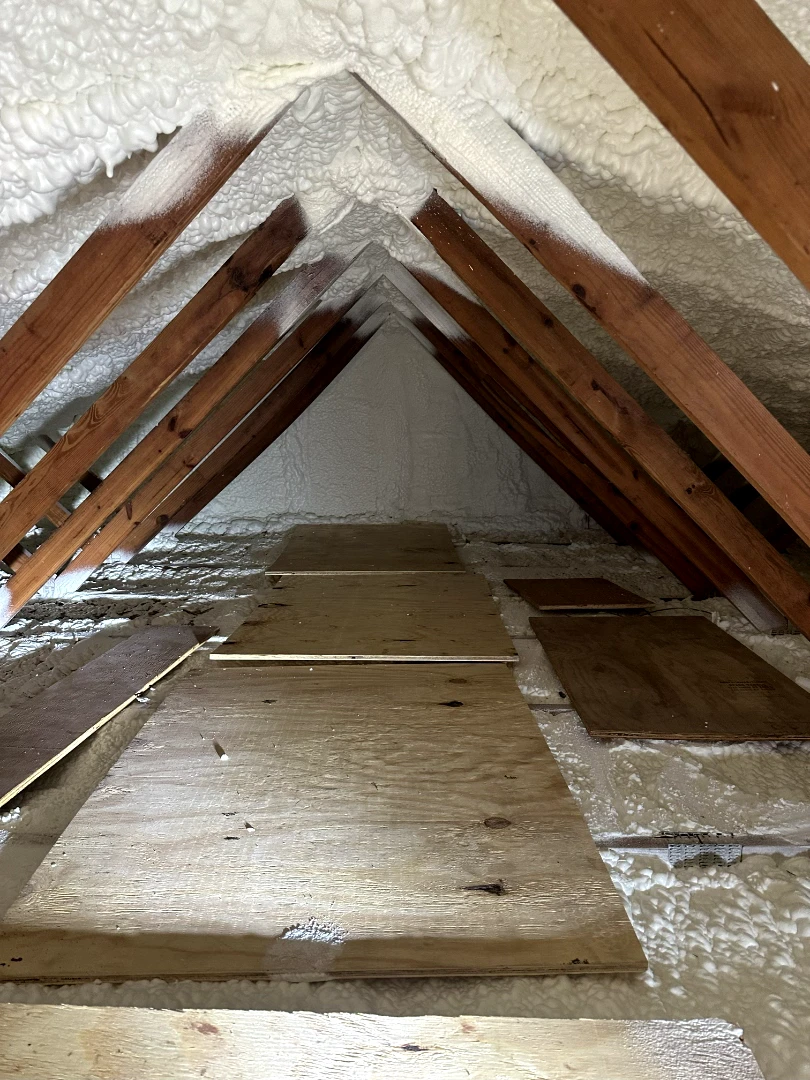
| Closed-cell spray foam | 5.8 to 6.8 | Very high | Attic roof deck (unvented attics), crawlspaces, moisture-prone areas |
Spray foam stands out in Florida’s climate because it doubles as an air barrier. Closed-cell spray foam also acts as a vapor retarder, which helps control moisture infiltration, a serious concern when outdoor humidity stays above 70% for months at a time.
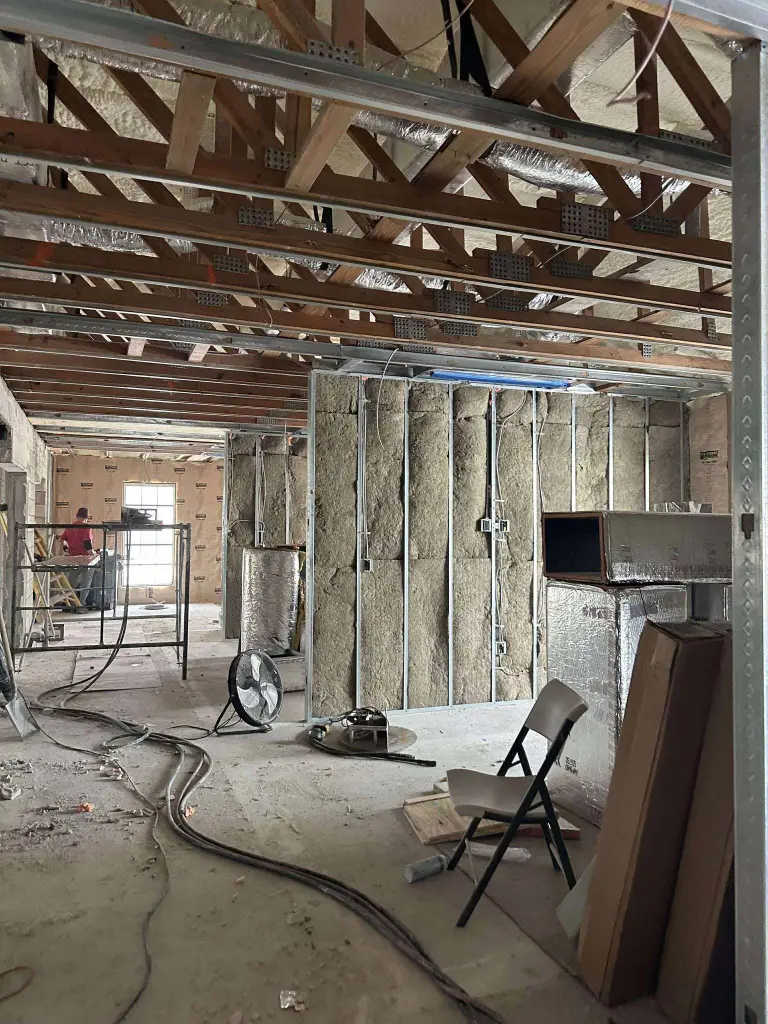
The University of Florida’s weatherization guide identifies the attic as the most important location and best return on investment for Florida homeowners. More heat per square foot travels through your ceiling than any other structural surface in the house. Home insulation services can help homeowners assess attic insulation levels and determine whether additional insulation is appropriate. If your attic has less than R-19 of insulation, you will almost certainly benefit from adding more.
For existing Boynton Beach homes, the priority order looks like this:
The DOE’s Insulation Fact Sheet stresses that air leaks carry both moisture and energy, usually in the direction you do not want. In Boynton Beach, that means hot, humid outdoor air sneaking into your air-conditioned living spaces through gaps around electrical boxes, plumbing penetrations, and where walls meet ceilings.
Common air leakage paths that undermine insulation performance include:
Air sealing should happen before or at the same time as insulation installation. Adding insulation over air leaks without sealing them first hides the problem and reduces expected savings.
Boynton Beach’s humidity creates a challenge that goes beyond temperature. When moist outdoor air enters your home through leaks, it can condense on cooler indoor surfaces, creating conditions for mold growth and structural damage. An insulation contractor in Boynton Beach can help identify insulation and air-sealing weaknesses that allow moisture to enter the building envelope. The DOE notes that wet insulation does not work well and that insulation is part of a building envelope system where all parts must work together to keep moisture out.
Closed-cell spray foam offers a distinct advantage here because it resists moisture infiltration while providing high R-value per inch. A local spray foam contractor can help determine the appropriate application for moisture control while ensuring attic insulation and ventilation components are properly coordinated. In homes with vented attics, ensuring that attic ventilation is not blocked by insulation is also essential. Baffles or rafter vents should be installed to keep soffit vents clear while allowing insulation to cover the attic floor.
| Home Situation | Recommended Approach | Key Considerations |
|---|---|---|
| Older home (pre-1990), under-insulated attic | Blown-in fiberglass or cellulose over existing insulation, combined with thorough air sealing | Verify knob-and-tube wiring is not present before insulating closed cavities |
| Newer home with adequate attic insulation, comfort complaints | Air sealing audit, duct leakage testing, wall insulation evaluation | Check ductwork and HVAC system before adding more insulation |
| New construction | Spray foam at roof deck for unvented attic, or R-38+ at attic floor with continuous air barrier | Unvented attic design keeps ductwork inside conditioned space |
| Home with vaulted or cathedral ceilings | Closed-cell spray foam applied to roof decking | Space is limited, so high R-value per inch matters |
All In OverHall provides professional insulation services for Boynton Beach homeowners, including closed cell spray foam, open cell spray foam, attic insulation, insulation removal and replacement, and pole barn insulation. Our team evaluates your home’s specific needs, from air sealing to R-value targets, and recommends the right approach for your situation. Contact us at [email protected] or call (561) 406-3835 to get started.
The Florida Building Code requires a minimum of R-30 for attics in Climate Zone 1, which includes Palm Beach County. Best practice for new construction suggests R-30 to R-38.
Spray foam provides both thermal resistance and an air seal in one step, which is valuable in humid climates. It costs more per R-value than blown-in options but eliminates the need for separate air sealing work.
Yes, as long as the existing insulation is dry, undamaged, and does not contain a vapor barrier between layers. A professional should evaluate the condition first.
Air leaks around penetrations, duct leakage in the attic, and inadequate wall insulation can all undermine good attic insulation. An air sealing audit and duct inspection usually identify the culprit.
A: Most insulation materials last 50 years or more when properly installed and kept dry. Fiberglass and cellulose can settle over time, slightly reducing effective R-value, while spray foam maintains its shape and performance.