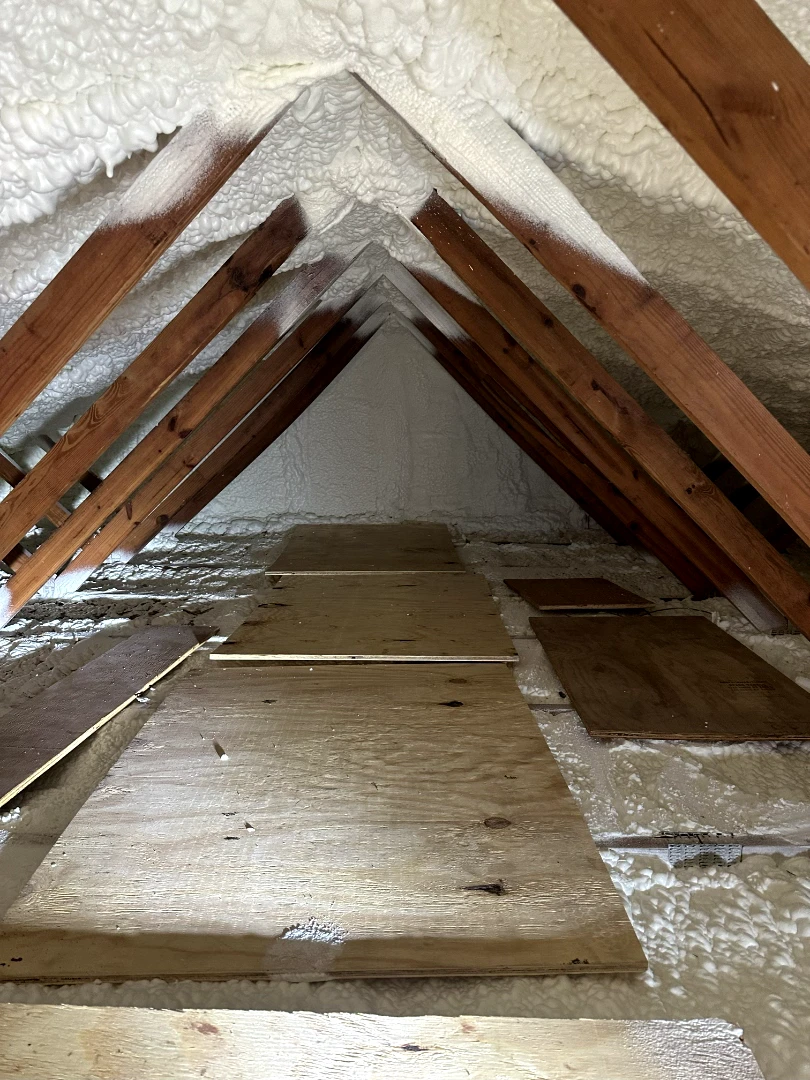
What Your Open-Cell Spray Foam Insulation Warranty Covers and What Voids It
Richard Hall
January 19th, 2026
A standard open-cell spray foam insulation warranty covers product defects and thermal performance for the lifetime of the building, while installer workmanship guarantees cover application errors. Your coverage can be voided by unaddressed roof leaks, unauthorized DIY modifications, or failing to register the installation online within the manufacturer’s deadline. All In Overhall helps owners secure these protections by delivering professional, certified installations.
While a manufacturer warranty guarantees the physical material itself, a separate workmanship warranty from your installer covers the application process. Knowing the distinction between these agreements prevents costly coverage gaps down the road. Read carefully to let you know exactly what to look for, how long coverage remains active, and the unexpected actions that can completely invalidate your protection.
Understanding Your Spray Foam Insulation Warranty
When insulating spaces, the terms of your protection often carry specific requirements regarding roof deck applications and ventilation. According to the Asphalt Roofing Manufacturers Association, improper ventilation can trap excessive heat, which some shingle manufacturers claim might impact roof longevity. However, a properly executed insulation warranty ensures that the foam itself remains fully backed, even in unvented roof designs.
Bonus Tip: Always verify if your shingle manufacturer permits open-cell spray foam on the underside of the roof deck. While modern shingles are designed to withstand high temperatures, keeping a written approval on file protects both of your valuable warranties.
What Your Open-Cell Spray Foam Insulation Warranty Covers and What Voids It 4
What Is the Warranty on Polyurethane Expanding Foam?
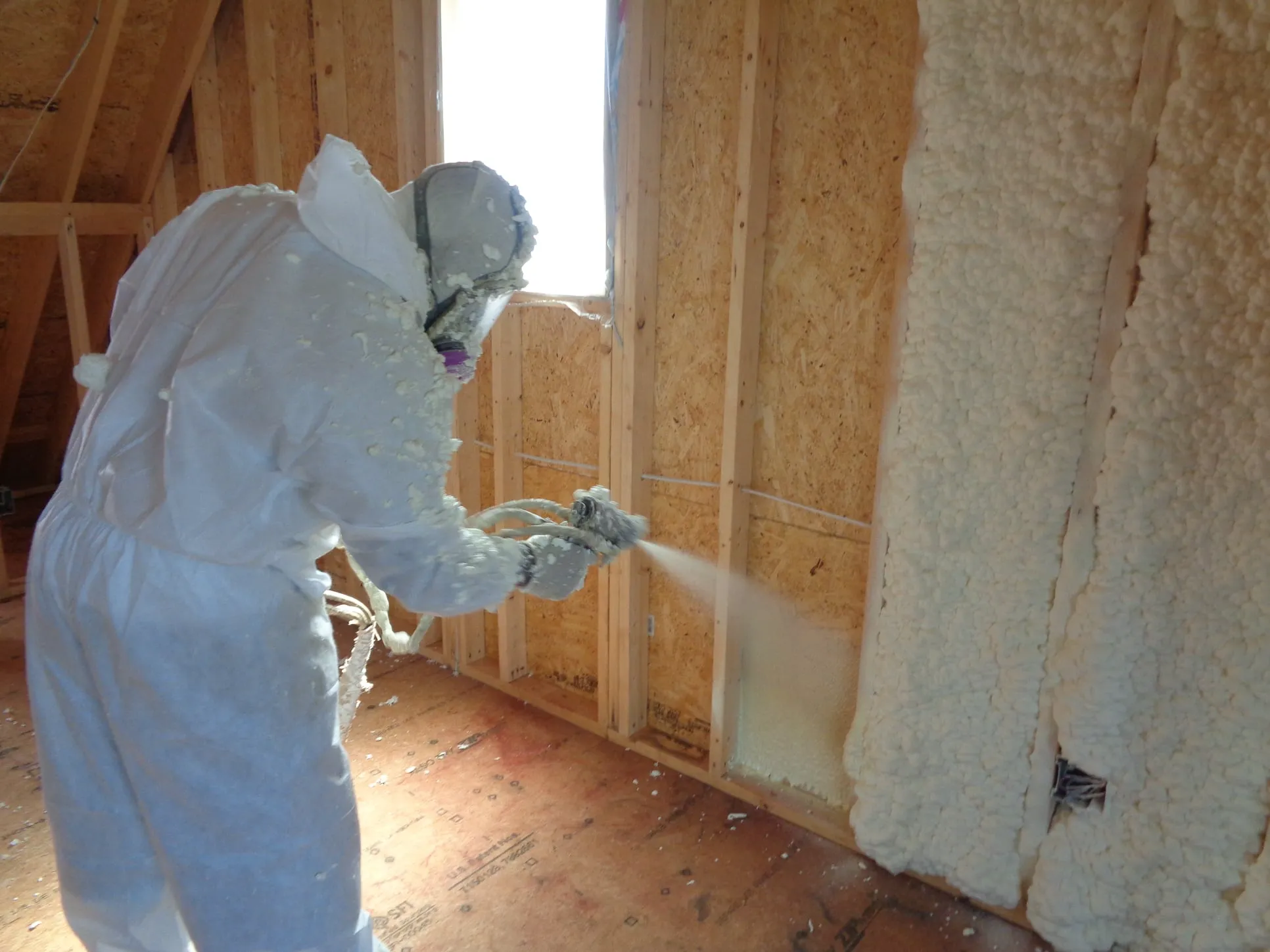
When exploring thermal upgrades, property owners frequently ask what the warranty is on polyurethane expanding foam products. Most premium manufacturers provide a limited lifetime warranty that guarantees the foam will not shrink, sag, or degrade over time. This means the chemical composition is engineered to maintain its stated R-value for as long as you own the property.
However, this lifetime guarantee depends heavily on precise chemical mixing. If the two main components, polyurethane and isocyanate, are not combined at the correct temperature and ratio, the foam can fail. A report from the Spray Polyurethane Foam Alliance indicates that certified professional application is the single most important factor in securing a valid manufacturer warranty.
Bonus Tip: Make sure your installer provides a copy of the manufacturer product data sheets and batch numbers upon project completion. You will need these specific details to officially register your product warranty online.
Common Terms Found in a Standard Insulation Warranty
A standard insulation warranty is typically divided into two distinct parts. The manufacturer warranty covers the raw materials, ensuring they meet chemical specifications. The workmanship warranty, which we provide, covers the physical labor and application errors.
Key Differences Between Material and Labor Guarantees
Feature
Manufacturer Material Warranty
Contractor Workmanship Warranty
What It Covers
Chemical defects, shrinking, sagging, degradation
Off-ratio spraying, missed spots, bad adhesion, clean-up issues
Average Duration
Lifetime of the structure (often non-transferable)
Typically 1 to 10 years (depends on the contractor)
Who Honors It
The chemical manufacturer
The local installation company
Key Requirement
Authorized installer registration
Direct agreement with the local service provider
As a leading insulation specialist, we ensure our work meets the rigorous criteria required to keep both of these protections fully intact. This dual layer of protection ensures you are never left paying out of pocket for any application errors.
What Can Unexpectedly Void Your Spray Foam Warranty
Even the most comprehensive spray foam warranty can be completely invalidated by common property modifications or environmental changes. Understanding these pitfalls helps you protect your investment over the long haul.
Common factors that void your coverage include:
Water Damage and Roof Leaks: If a roof leak goes unaddressed, moisture can pool behind the foam, leading to wood rot. Manufacturers will not cover foam damaged by structural water intrusion.
DIY Modifications: Cutting into the foam to run new electrical wires or plumbing without professional resealing can void the material warranty.
Improper Ventilation: In certain building designs, failing to maintain correct humidity levels can cause moisture buildup, which compromises the foam’s adhesion.
Pre-Installation Decisions to Keep Warranties Valid
Before you sign a contract for any insulation upgrade, you need to evaluate several key factors to ensure your long-term protection. Planning ahead prevents unexpected warranty disputes later.
First, check the transferability of the agreement. Some manufacturer warranties only apply to the original purchaser, while others can be transferred to a new owner within a specific window, usually thirty days after a property sale. This transferability can add significant resale value to your property.
Second, understand the registration process. Many manufacturers require you to register your installation online within ten to thirty days of completion. Failing to submit this paperwork on time can void your coverage completely, leaving you with no recourse if the material fails.
Why Workmanship Guarantees Matter
Choosing a fully licensed and insured team for open-cell insulation like All In Overhall guarantees that your installation meets all manufacturer specifications. Since chemical ratios must be exact, using calibrated equipment is the only way to ensure the foam cures correctly and maintains its thermal barrier.
Bonus Tip: Always request a written workmanship agreement that explicitly details how long the installation company covers labor defects. A reliable contractor will stand behind their work with a multi-year labor guarantee.
According to data from the U.S. Department of Energy, sealing air leaks and adding proper insulation can save homeowners up to fifteen percent on heating and cooling costs. Maximizing these savings depends heavily on ensuring your insulation remains fully functional and protected under warranty.
Protecting Your Long-Term Insulation Investment
Securing a robust warranty involves more than just buying premium materials. It requires a combination of high-grade products, certified professional application, and proactive property maintenance. By understanding what your coverage includes and avoiding activities that invalidate it, you can enjoy a more comfortable, energy-efficient property for decades. Take the time to evaluate your specific property goals and verify your coverage details before starting your next project.
Get Started with a Free Inspection
All In Overhall provides premium solutions tailored to your property’s unique thermal needs. We combine top-tier materials with precision installation to ensure your project qualifies for maximum warranty protection.
Contact us today at (561) 406-3835 or email [email protected] to request your free quote and discuss your project with our experts.
Frequently Asked Questions
Can I transfer my warranty to the next property buyer?
Yes, many manufacturers allow a one-time warranty transfer to the next owner if you submit the transfer request and required paperwork within thirty days of the property sale.
Does my insurance cover spray foam damage?
Standard insurance typically covers sudden accidental damage like fire, but it will not cover wear, product defects, or installation failures, which rely solely on your product warranty.
Does open-cell spray foam void roof shingle warranties?
No, most major shingle manufacturers do not void warranties for unvented attics, provided the roof deck temperature stays within their specified structural guidelines during normal use.
What paperwork do I need to file a warranty claim?
You must provide your original purchase invoice, proof of online warranty registration, the contractor’s installation receipt, and photos of the defective insulation areas.
Are chemical odors covered under the product warranty?
Material warranties cover physical defects, while lingering chemical odors caused by improper mixing or ventilation are covered under our professional installer workmanship warranty.
I’m Richard Hall, founder of ALL IN OVERHALL in Jupiter, FL, established in 2022. I focus on clear communication, quality workmanship, and insulation solutions that improve comfort and energy efficiency.