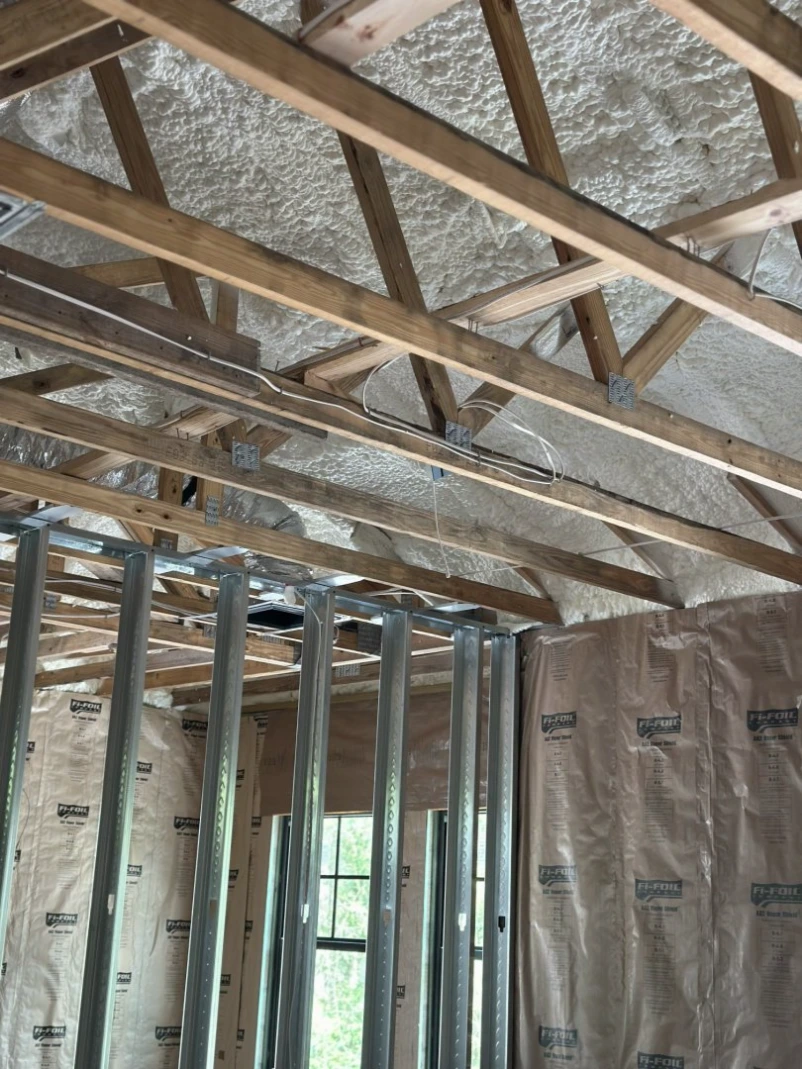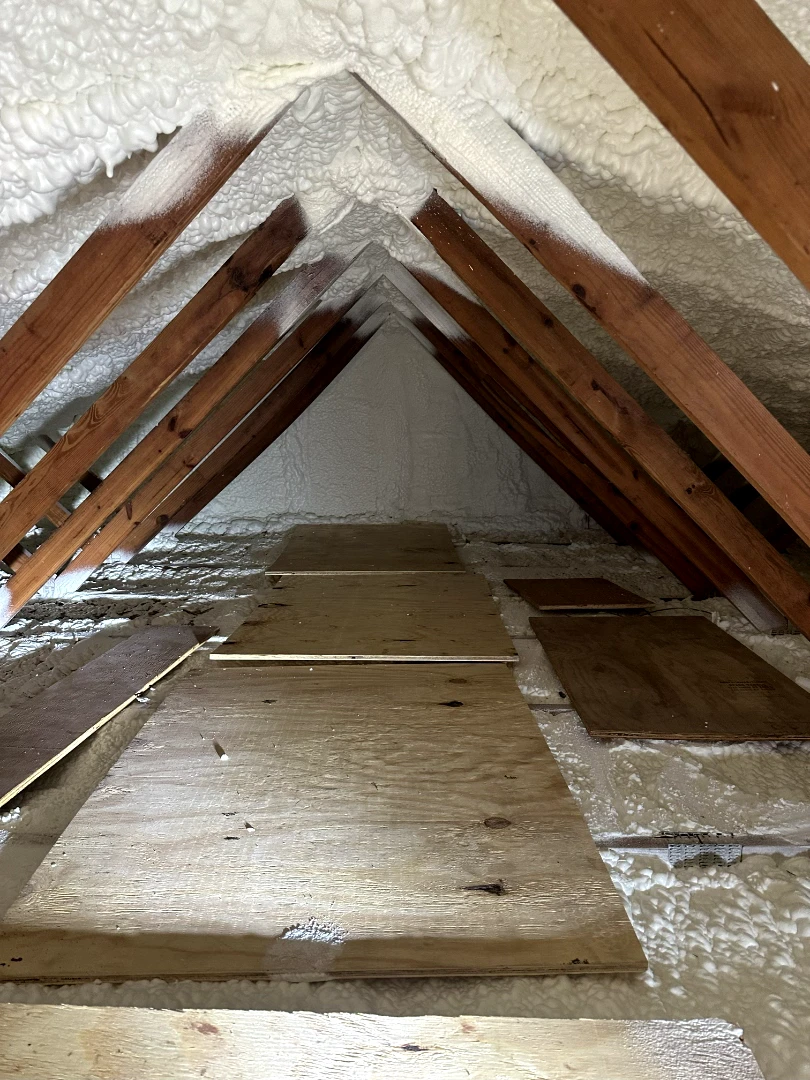
What Factors Determine Attic Insulation Installation Costs?
The cost of attic insulation installation depends on five main factors: attic size, insulation material, the R-value your climate requires,…


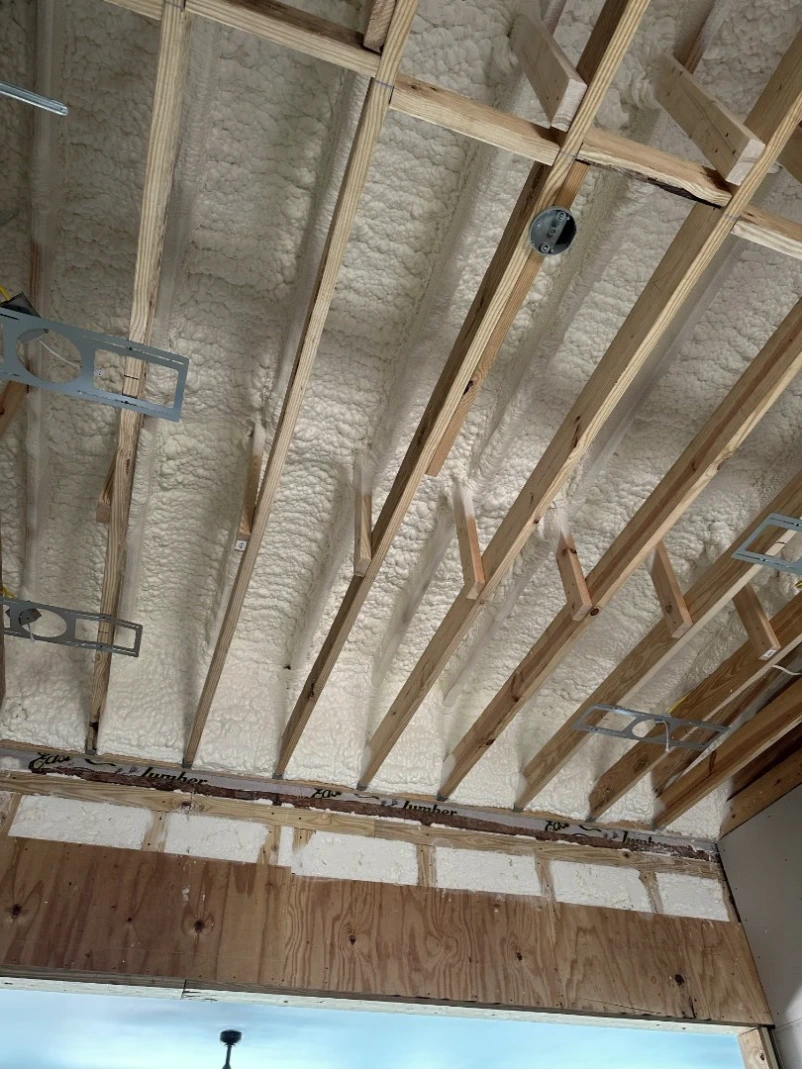
Upgrading insulation in your Jupiter, FL home delivers long-term energy cost savings by reducing the amount of heat that enters your living space during Florida’s extended cooling season, which means your HVAC system runs less frequently and consumes less electricity. According to the U.S. Department of Energy, homeowners can save up to 20% on heating and cooling costs by adding insulation to attics, floors, crawl spaces, and accessible basement rim joists, while also reducing unwanted air leaks DOE Guide to Home Insulation. For a typical Jupiter home running air conditioning nearly year-round, those savings compound monthly and continue for decades, since quality insulation materials last 20 to 80 years, depending on the type. The payback period for most insulation upgrades falls between 5 and 10 years, according to the DOE, meaning the investment pays for itself and then continues generating net savings for the remaining lifespan of the material. DOE Energy Efficient Home Improvement Credit.
Jupiter, Florida falls within IECC Climate Zone 2A, classified as Hot and Humid. This matters because building energy codes, insulation R-value requirements, and savings potential all depend on your climate zone DOE Insulation. In our area, the cooling load dominates. Your air conditioning system works harder and longer than heating systems in northern states, and every bit of heat that makes it through your attic, walls, and crawl spaces adds directly to that cooling burden.
Florida’s Energy Conservation Code requires specific minimum R-values for different parts of your home. Ceilings in uninsulated attics need at least R-30 to R-49, wood-frame walls require R-13 or R-0 plus R-10 continuous insulation, and floors over unconditioned spaces need R-13. Many older Jupiter homes were built before these stricter codes took effect, which means they may have settled, compressed, or entirely missing insulation that no longer meets current standards. Understanding the cost of insulation replacement in Jupiter, FL, helps homeowners evaluate whether upgrading to current standards is a worthwhile investment.
The combination of high outdoor temperatures, relentless humidity, and frequent afternoon sun beating down on roofs makes the attic a primary source of heat gain. Without adequate attic insulation and proper ventilation, attic temperatures can exceed 150 degrees Fahrenheit on a summer afternoon in Jupiter. That heat radiates downward through the ceiling into your living space, forcing your AC to compensate.
Thermal insulation works by providing resistance to heat flow through three mechanisms: conduction, convection, and radiation. The DOE explains that heat flows from warmer areas to cooler areas until there is no longer a temperature difference. In a Jupiter summer, that means heat constantly pushes from the hot exterior and attic into your air-conditioned interior. Insulation slows that transfer by trapping small pockets of air (or other gases) within its structure, dramatically reducing conductive and convective heat flow.
The effectiveness of insulation is measured by its R-value. Higher R-values indicate greater resistance to heat flow. When you upgrade from old, settled fiberglass with an effective R-value of R-15 in your attic to a new spray foam application achieving R-38 or higher, you are significantly increasing the thermal barrier between your living space and the brutal Florida heat outside. This is why many homeowners consider insulation replacement for homes in North Palm Beach, FL, when looking to improve comfort and energy efficiency.
Air sealing works hand in hand with insulation. The EPA estimates through energy modeling that a knowledgeable contractor can achieve a 25% reduction in total air infiltration by sealing leaks throughout the house, then adding insulation to meet current code requirements, according to the ENERGY STAR Methodology. In Jupiter’s humid climate, reducing air infiltration also means less moisture entering your home, which reduces the load on your AC system to dehumidify as well as cool.
Not all regions see the same percentage of savings from insulation upgrades. The EPA’s energy modeling data breaks down estimated savings by climate zone, and the results for Florida are specific and data-driven:
| Location | Climate Zone | Estimated Total Energy Bill Savings | Heating and Cooling Only Savings |
|---|---|---|---|
| South Florida (CZ 1) | Zone 1 | 5% | 7% |
| Jupiter area (CZ 2) | Zone 2 | 6% | 9% |
| Central Florida (CZ 3) | Zone 3 | 8% | 14% |
| National Average | All zones | 11% | 15% |
Source: ENERGY STAR Methodology for Estimated Energy Savings
The percentage appears lower in southern zones because heating and cooling represent a smaller portion of total energy use compared to northern homes that endure harsh winters. However, in Jupiter, air conditioning runs for 8 to 10 months per year, so even a 9% reduction on heating and cooling translates into meaningful dollar savings when your monthly electric bills already run high from cooling demand alone.
Our team works across the Jupiter area, including zip codes 33478 and 33458, on homes ranging from 1,500 to over 4,000 square feet. The following table outlines our primary insulation services and typical project price ranges based on actual jobs we have completed:
| Service | Typical Low | Typical Average | Typical High |
|---|---|---|---|
| Closed-cell spray foam | $2,000 | $8,000 | $25,000 |
| Open cell spray foam | $1,500 | $5,000 | $15,000 |
| Insulation removal and replacement | $1,500 | $3,000 | $7,500 |
| Pole barn insulation | $2,000 | $10,000 | $20,000 |
| Attic insulation | $1,500 | $5,000 | $15,000 |
These ranges reflect the variety of project types we handle, from smaller attic top-ups on 1,500 square foot homes to full spray foam applications on large custom builds. Material and product cost is the single biggest factor that affects pricing, followed by the square footage being treated. Projects with larger square footage and greater thickness or higher R-value requirements will land in the higher portion of these ranges. On the other hand, good access to the area being insulated and straightforward layouts help keep costs lower.
Every insulation project is unique, and several variables determine where your specific job falls within the pricing ranges above:
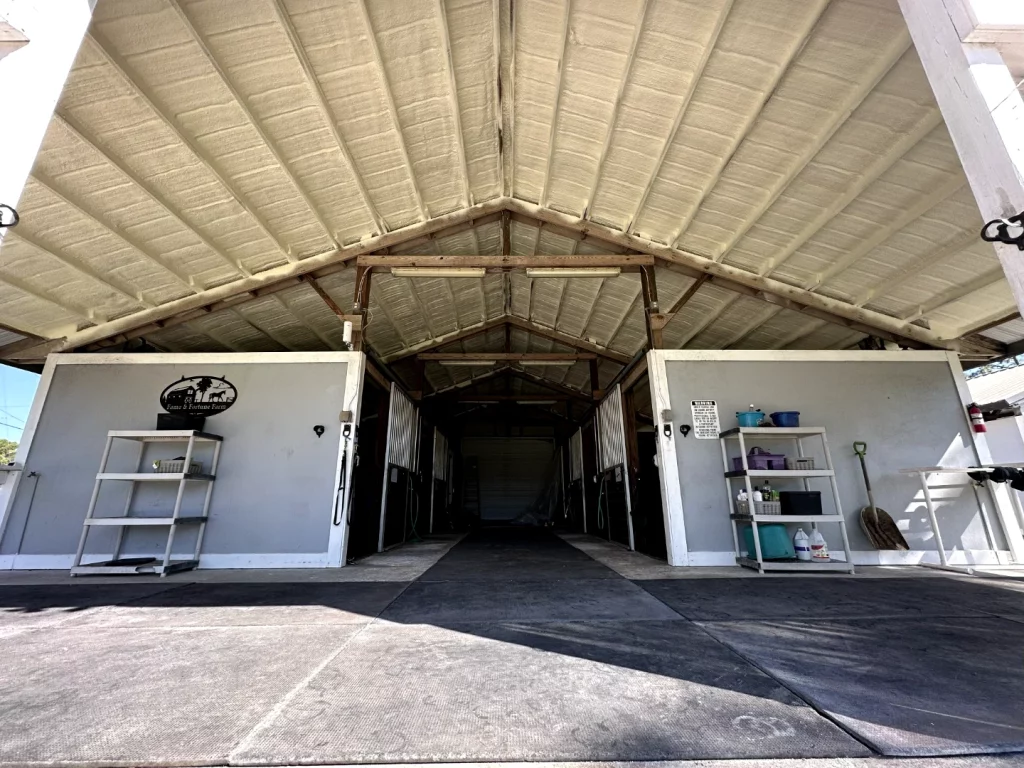
Here are examples of insulation projects we encounter regularly in the Jupiter area:
| Home Type | Location | Project Scope | Typical Price Range |
|---|---|---|---|
| 1990s single-family home | Jupiter, 33458 | Attic insulation upgrade from R-15 to R-38 | $1,500 to $5,000 |
| New construction custom build | Jupiter, 33478 | Full closed cell spray foam on walls and attic | $8,000 to $25,000 |
| Older retrofit with vaulted ceilings | Jupiter, 33478 | Open cell spray foam in cathedral ceiling cavities | $5,000 to $15,000 |
| Agricultural storage building | Jupiter area | Pole barn insulation for climate control | $2,000 to $20,000 |
| Home with damaged existing insulation | Jupiter, 33458 | Insulation removal and replacement in the attic | $1,500 to $7,500 |
Every month you wait to upgrade insufficient insulation, your HVAC system works overtime fighting a losing battle against Florida heat. The 9% savings on heating and cooling costs available in Climate Zone 2 are money you are currently spending that could stay in your pocket. Over 20 years, that adds up to thousands of dollars in unnecessary energy costs, all while your AC system experiences extra wear and shortens its operational lifespan. For Jupiter homeowners, the question is not whether insulation pays for itself; it is how quickly you want to stop overpaying on your electric bill.
ALL IN OVERHALL provides professional insulation services for homeowners in Jupiter, FL, and the surrounding area. Our team specializes in closed-cell spray foam, open-cell spray foam, attic insulation, insulation removal and replacement, and pole barn insulation. We work with both new construction and retrofit projects, and we take the time to recommend the right material and R-value for your specific home and climate conditions. Reach out to us at [email protected] or call (561) 406-3835 to discuss your project.
Request a Quote | Schedule an Insulation Assessment
Spray foam insulation is a permanent building material that does not settle, sag, or degrade over time. When properly installed, it maintains its R-value and air sealing properties for the life of the building.
Yes, insulation combined with proper air sealing reduces the amount of warm, humid outdoor air that infiltrates your living space. Less moisture entering your home means your AC system does not have to work as hard to dehumidify.
Once spray foam has fully cured, which typically takes 24 to 72 hours, depending on the product, it is chemically inert and safe. The off-gassing concern applies only during and immediately after the installation process.
Many homes built before 2010 have insulation that has settled or compressed below its original R-value. A professional assessment can measure your current insulation levels and identify whether an upgrade would meet current Florida building code requirements.
Yes, insulation resists heat flow in both directions. It keeps heat out during summer and retains warmth inside during cooler months, so your home benefits year-round regardless of the season.