What Factors Determine Attic Insulation Installation Costs?
The cost of attic insulation installation depends on five main factors: attic size, insulation material, the R-value your climate requires,…

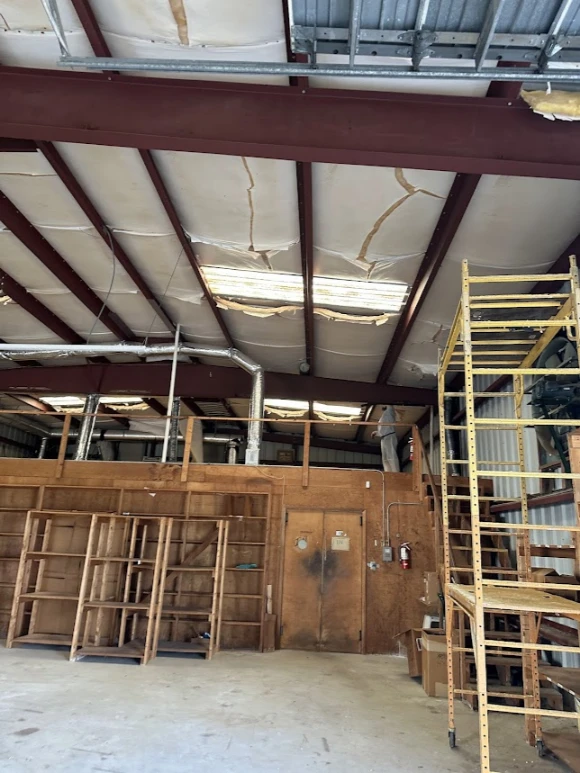
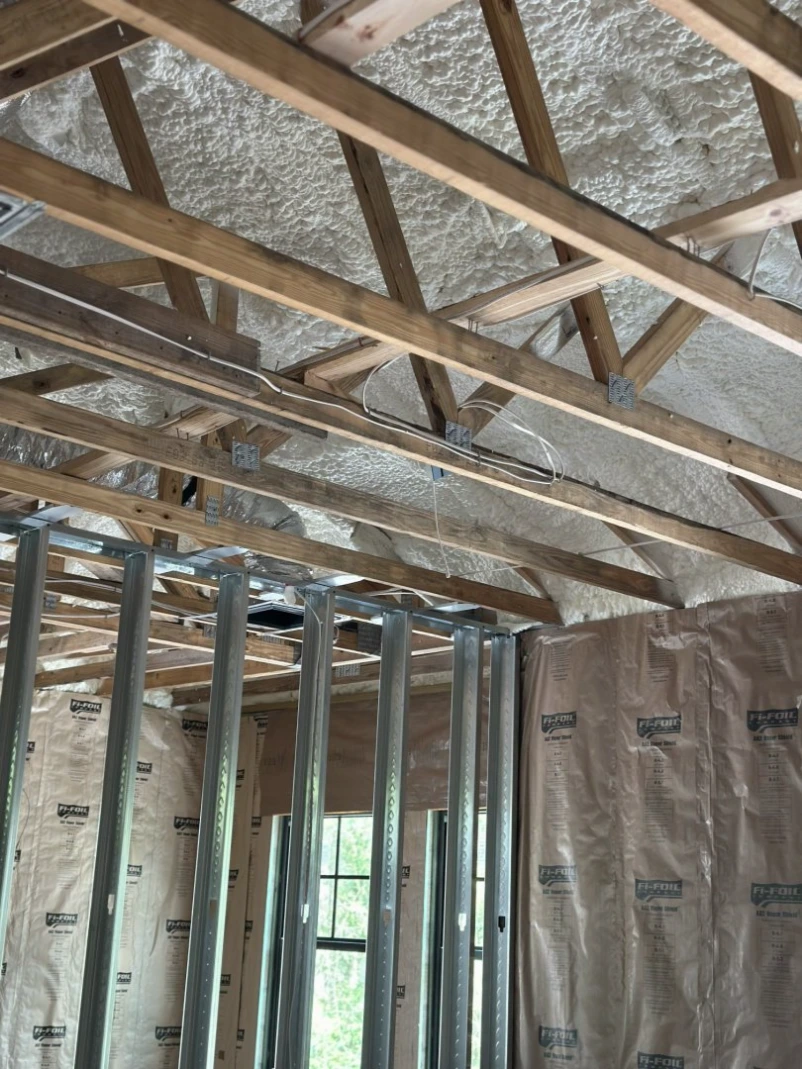
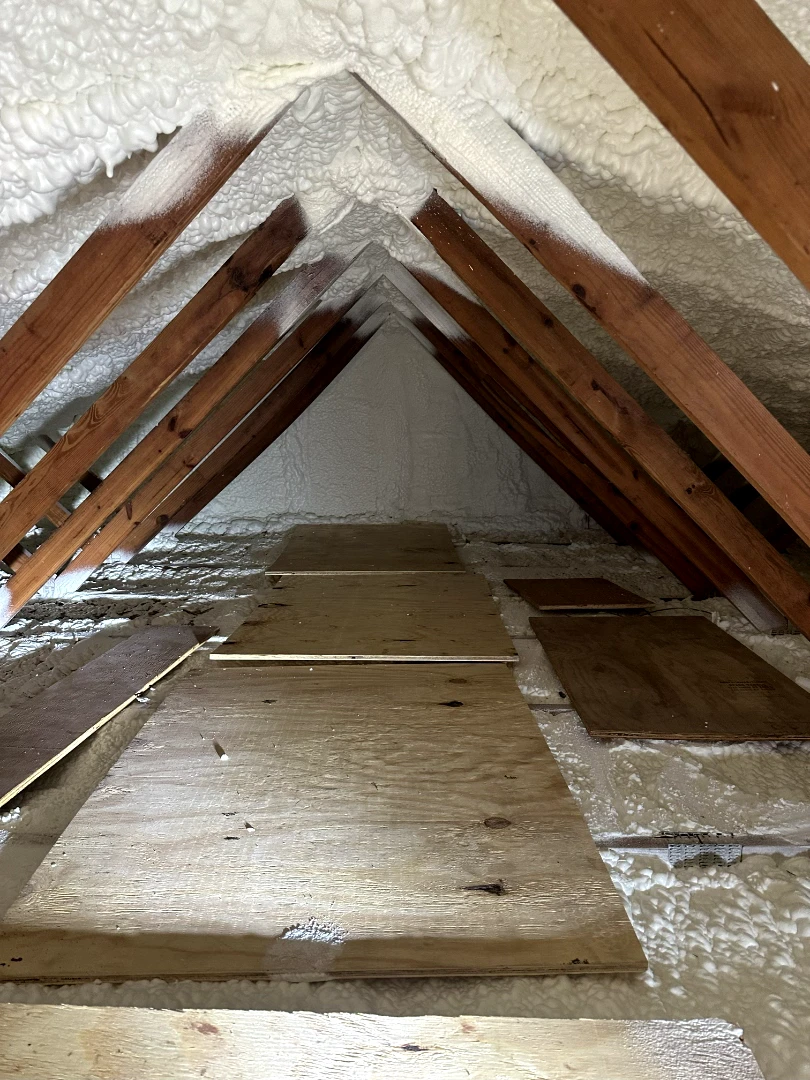
Insulation replacement becomes the right solution for older homes in North Palm Beach, FL, when the existing insulation has degraded below current building code requirements, sustained moisture or mold damage, been compressed or displaced over decades of use, or when the home experiences persistent comfort issues like hot spots, high humidity, and rising energy bills. North Palm Beach sits in Palm Beach County, which the Florida Building Code classifies as Climate Zone 1 (hot and humid), requiring a minimum R-30 for attic insulation. Homes built before 2000 frequently contain only R-11 to R-19, falling well short of modern standards and making replacement the most effective path to genuine energy savings and indoor comfort.
North Palm Beach has a housing stock that includes many homes built between the 1950s and 1980s, a period when Florida had far less stringent insulation requirements. These homes were constructed at a time when air conditioning was becoming standard, but energy efficiency was not a priority. Many of these properties were originally built with no insulation at all, or with thin fiberglass batts that have since settled, compressed, or absorbed moisture from Florida’s relentless humidity.
The climate in this area compounds the problem. North Palm Beach experiences average summer temperatures above 90 degrees Fahrenheit with humidity levels regularly exceeding 70%. This combination drives constant heat gain through the roof and walls, and any weakness in the thermal envelope directly translates to higher cooling costs and indoor discomfort. According to the University of Florida’s My Florida Home Energy program, more heat per square foot travels through the ceiling than any other structure in a house, making the attic the single most important area to insulate properly.
Older homes in this region also tend to have original single-pane windows, minimal duct insulation, and poor air sealing around penetrations like recessed lights, plumbing stacks, and electrical conduit. These gaps allow conditioned air to escape and humid outside air to infiltrate, which further degrades the performance of whatever insulation remains in place.
Not every insulation problem requires tearing out the old material, but several clear indicators suggest that adding new insulation on top of degraded material will not deliver results. Here are the most common signs that replacement, rather than layering, is the right approach.
Florida’s humidity is relentless. When moisture enters the attic through roof leaks, condensation, or inadequate ventilation, fiberglass and cellulose insulation absorb and hold that water. Wet insulation loses most of its R-value and creates conditions for mold growth. According to the Insulation Institute’s research on mold in hot and humid climates, mold not only deteriorates building materials but also poses a direct health threat to occupants. If you see dark staining on insulation batts, smell a persistent musty odor, or notice water stains on the ceiling below the attic, the insulation must be fully removed and replaced, not simply covered over.
Fiberglass batts and blown-in insulation are prone to settling over time. A batt that started at R-19 may compress to the equivalent of R-10 or less after decades under stored items, foot traffic, or simply gravity. Blown-in cellulose can settle by 15 to 20% over its lifespan. Compressed insulation cannot be “fluffed back up.” Once the air pockets within the material collapse, the thermal resistance is permanently reduced. The only way to restore rated performance is to remove the compromised material and install fresh insulation at the proper density.
Older homes in North Palm Beach frequently deal with rodents, insects, and other pests that nest in attic insulation. Rodent droppings, urine-soaked insulation, chewed wiring, and insect damage all create both health hazards and fire risks. Contaminated insulation should never be left in place. Our team removes all affected material, sanitizes the space, seals entry points, and reinstalls clean insulation to code.
If some rooms in the house stay noticeably warmer than others, or if certain areas near the ceiling feel hot to the touch, the insulation has likely failed in those zones. Gaps, voids, and thin spots in old insulation create paths for heat to pour into the living space. According to the U.S. Department of Energy, insulation rated by its R-value measures resistance to heat flow, but that rating only holds if the material is continuous and properly installed. Patchy or degraded insulation in older homes almost always warrants full replacement for uniform coverage.
Understanding what the code actually requires helps homeowners make informed decisions about replacement. The table below shows current requirements alongside what older homes typically have in place.
| Area | Current Code (Climate Zone 1) | Typical Older Home (Pre-2000) | Gap |
|---|---|---|---|
| Attic Floor | R-30 minimum | R-11 to R-19 | 37% to 63% under-insulated |
| Cathedral Ceilings | R-30 minimum | R-11 to R-19 | Same as attic |
| Exterior Walls | R-13 minimum | R-0 to R-11 | Often completely uninsulated |
| Floors Over Unconditioned Space | R-13 minimum | R-0 to R-7 | Frequently no insulation |
As shown in ENERGY STAR’s recommended R-values for existing homes, adding R-30 to an uninsulated attic in Climate Zone 1 is the baseline recommendation, and upgrading from 3 to 4 inches of existing insulation to R-25 is the minimum for homes that already have some material. Many North Palm Beach homes fall into the latter category, but because the existing insulation is often damaged, compressed, or contaminated, removal and replacement achieve better long-term results than simply layering new material on top of compromised material.
Choosing the right replacement insulation matters as much as the decision to replace it. Not all insulation performs equally in South Florida’s conditions. The table below compares the most common options.
| Insulation Type | R-Value per Inch | Air Barrier | Moisture Barrier | Best Application |
|---|---|---|---|---|
| Closed-Cell Spray Foam | 5.8 – 6.8 | Yes | Yes | Attic roof deck, crawlspaces, walls |
| Open-Cell Spray Foam | 3.6 – 3.8 | Yes | No | Wall cavities, sound dampening |
| Blown-In Cellulose | 3.0 – 3.7 | No (dense-pack can help) | No | Attic floors, existing wall cavities |
| Fiberglass Batts | 2.2 – 4.0 | No | No | Standard wall cavities, attic floors |
| Fiberglass Loose-Fill | 2.2 – 4.0 | No | No | Attic floors, hard-to-reach areas |
| Rigid Foam Board (XPS) | 5.0 | Varies | Yes | Exterior wall sheathing, rim joists |
For North Palm Beach homes, closed-cell spray foam applied to the underside of the roof deck creates an unvented attic assembly, which the Florida Building Code permits under specific conditions. This approach seals the attic from humid outside air, eliminates the need for traditional attic ventilation, and protects ductwork and HVAC equipment from extreme temperatures. It costs more upfront than blown-in insulation but delivers superior moisture control and air sealing in one step.
Blown-in cellulose or fiberglass remains a practical and cost-effective choice for attic floor applications where the attic is vented, and homeowners want to meet the R-30 minimum without the higher cost of spray foam. Our professionals assess each home’s specific conditions and recommend the approach that delivers the best return on investment.
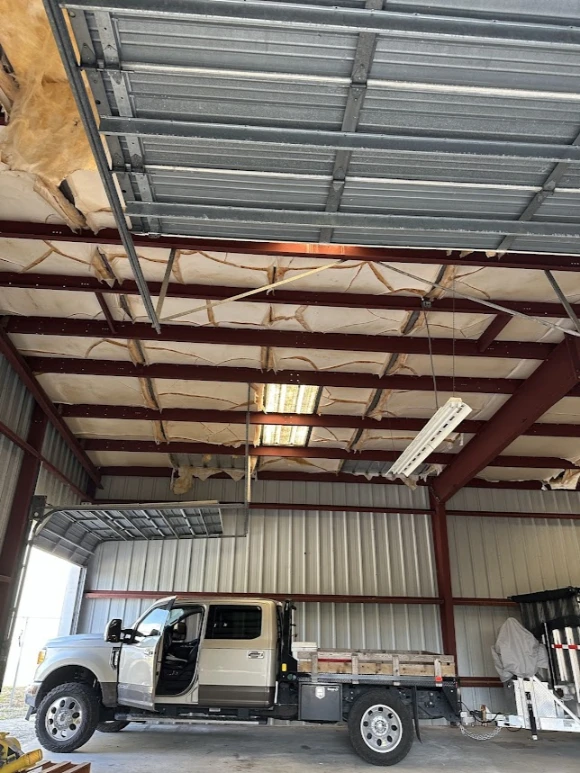
These examples reflect common situations our team encounters when evaluating older homes in the North Palm Beach area.
| Scenario | Home Type | Problem | Solution | Outcome |
|---|---|---|---|---|
| 1960s CBS ranch home | Concrete block, flat roof | No attic insulation, ductwork in unconditioned attic space, summer cooling bills over $450/month | Removed old degraded batts, applied closed-cell spray foam to roof deck (R-30) | 35% reduction in cooling costs, even temperatures throughout the home |
| 1970s single-family residence | Wood frame, pitched roof | Original R-11 fiberglass batts compressed to approximately R-7, visible rodent nesting and droppings | Full removal and sanitization, blew-in cellulose to R-38 on attic floor | Eliminated hot spots, rodent issue resolved, monthly savings of $120 |
| 1985 lakefront home | Wood frame, cathedral ceilings | Condensation staining on ceilings, musty odor, R-19 batts in cathedral ceilings with no air sealing | Removed damaged batts, installed closed-cell spray foam in cathedral ceiling cavities | Mold risk eliminated, AC run time reduced by 25% |
| 1990s two-story residence | Wood frame, vented attic | Blown-in fiberglass had settled from 10 inches to approximately 5 inches, inconsistent temperatures between floors | Removed settled insulation, re-applied blown-in fiberglass to R-30 with air sealing at penetrations | Second floor temperatures matched first floor, energy use dropped 18% |
| 1970s home with recent roof replacement | Wood frame, gable roof | Homeowner added new roofing but left original R-13 attic insulation in place, still experiencing high bills | Removed old batts, upgraded to R-38 with blown-in cellulose, sealed all attic floor penetrations | Met current code, qualified for utility rebate, 22% energy reduction |
Several variables determine how effective an insulation replacement will be in a hot-humid climate. Understanding these factors helps homeowners set realistic expectations and avoid common missteps.
Attic ventilation compatibility. If the existing attic is a vented assembly, the replacement insulation must be compatible with that ventilation strategy. Mixing vented and unvented approaches without proper design can cause moisture problems. Our team evaluates the existing ventilation and recommends either maintaining a vented attic with blown-in insulation on the floor or converting to an unvented assembly with spray foam on the roof deck.
Ductwork location. Homes with HVAC ductwork running through the attic benefit significantly from either moving ducts into conditioned space or converting the attic to a conditioned (unvented) space with spray foam. Leaving leaky, uninsulated ducts in a hot attic wastes 15 to 20% of cooling energy even with adequate attic floor insulation.
Air sealing before insulating. Insulation without air sealing is like wearing a winter coat with the zipper open. Gaps around recessed lights, plumbing vents, electrical boxes, and the attic hatch allow conditioned air to escape around the insulation. The DOE’s Clean Energy Manufacturing Initiative emphasizes that combining air sealing with insulation upgrades delivers the greatest energy savings and can qualify homeowners for federal tax credits.
Existing moisture damage extent. If moisture has compromised the roof decking, framing, or drywall, those repairs must happen before new insulation is installed. Putting clean insulation over rotting wood or moldy surfaces does not solve the underlying problem and can actually trap moisture, making conditions worse.
Insulation density and installation quality. Blown-in insulation must be installed at the correct density to achieve its rated R-value. Fiberglass batts must fit snugly within cavities without gaps, voids, or compression. Studies cited by the University of Florida show that improper installation can reduce thermal envelope performance by 30% or more. This is why professional installation matters, especially in replacement projects where the substrate may be uneven or damaged.
Replacing degraded insulation in an older North Palm Beach home delivers returns across multiple dimensions. The most immediate benefit is lower monthly energy bills. Most homeowners in hot-humid climates see a 15 to 30% reduction in cooling costs after upgrading inadequate insulation to proper levels, particularly when combined with air sealing.
Beyond direct energy savings, proper insulation extends the life of HVAC equipment by reducing run times. A system that runs less frequently experiences fewer breakdowns and lasts longer. Homeowners also gain improved indoor air quality because properly sealed and insulated attics prevent humid outside air from carrying pollutants, allergens, and mold spores into the living space.
Property value increases as well. Energy-efficient homes command higher prices and sell faster in the South Florida market. An insulation replacement that brings the home up to current code is a verifiable improvement that appraisers and buyers recognize.
Deciding whether to replace your home’s insulation requires a thorough understanding of what is currently in place, what condition it is in, and what your home actually needs to perform well in North Palm Beach’s demanding climate. Our professionals at ALL IN OVERHALL evaluate every factor, from moisture damage and pest contamination to air sealing needs and ductwork condition, before recommending a specific solution. We do not push unnecessary replacement. If your existing insulation can be supplemented rather than removed, we will tell you. When full replacement is the right call, we handle every step from safe removal and sanitization to expert reinstallation that meets or exceeds current Florida Building Code requirements.
Call us at (561) 406-3835 or email [email protected] to get started. We serve homeowners throughout North Palm Beach and the surrounding communities with honest assessments and quality workmanship.
If your home was built before 2000 and you have not upgraded the attic insulation, it likely contains R-11 to R-19 fiberglass batts, which fall short of the current R-30 minimum for Palm Beach County’s Climate Zone 1. A professional inspection can measure the existing material’s actual R-value.
No. If the existing insulation is wet, moldy, compressed, or contaminated by pests, it must be fully removed before new material is installed. Layering over degraded insulation traps moisture, reduces the effectiveness of the new material, and can create health hazards.
Closed-cell spray foam provides the highest R-value per inch, acts as both an air barrier and a moisture barrier, and is particularly effective in North Palm Beach, where humidity control is critical. It costs more upfront than blown-in insulation but delivers superior long-term performance and moisture protection.
Most single-family attic insulation replacements take one to two days, including removal of old material, any necessary cleanup or sanitization, air sealing, and installation of new insulation. Homes with significant damage or pest remediation needs may take longer.
Yes. The federal Energy Efficient Home Improvement Credit covers insulation and air sealing projects, and local utilities like Florida Power and Light frequently offer rebates for energy efficiency upgrades. Our team helps identify every available incentive for your specific project.