What Factors Determine Attic Insulation Installation Costs?
The cost of attic insulation installation depends on five main factors: attic size, insulation material, the R-value your climate requires,…


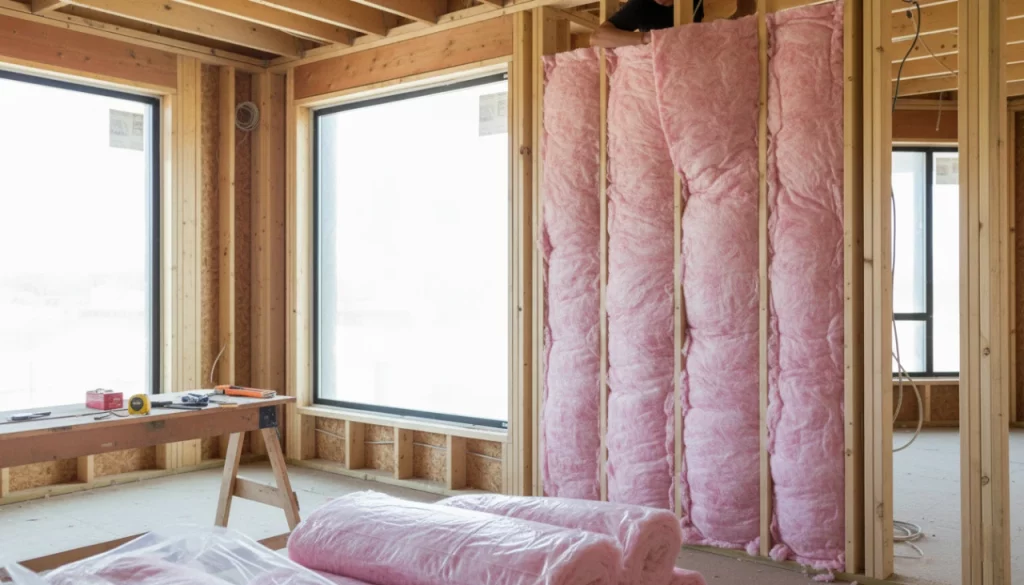
Replacing degraded or insufficient insulation is one of the most effective ways to cut energy costs and restore indoor comfort in Sewall’s Point homes. Our team sees this every day in Martin County, where hot, humid summers and persistent moisture exposure cause older insulation to break down faster than most homeowners realize. When insulation settles, absorbs water, or was never installed to the right R-value standards, your HVAC system works overtime to compensate. The right replacement strategy, whether it is spray foam, blown-in material, or a full insulation removal and replacement, depends on your home’s age, construction type, and specific problem areas. A detailed spray foam energy efficiency guide can help homeowners understand which insulation approach delivers the greatest long-term savings.
Sewall’s Point has a humid subtropical climate with summers that are long, hot, and oppressive. Average July highs reach 90 degrees, and the area receives roughly 60 inches of rain per year, with humidity regularly hitting oppressive levels from April through November. This combination of heat and moisture is precisely what causes insulation to fail over time. These same environmental conditions are why many facilities rely on the benefits of industrial spray foam insulation to improve moisture control and long-term building performance.
Building insulation works by creating tiny air pockets within materials like fiberglass, cellulose, or spray foam that slow heat transfer. When those materials absorb moisture, the trapped air is replaced by water, which conducts heat far more efficiently. The result is a dramatic drop in thermal performance. According to research cited in Wikipedia’s building insulation entry, humidity increases from 0% to 95% can raise the thermal conductivity of certain insulation materials by up to 45%.
In a coastal community like Sewall’s Point, older homes built decades ago often still contain their original insulation, which may have been compressed, settled, or water-damaged during storms. Many of these homes were built before modern Florida Building Code requirements took effect, meaning the insulation was never adequate by today’s standards to begin with.
Understanding how heat moves through your home helps explain why replacement works so well. The University of Florida’s My Florida Home Energy program explains that heat transfers through three mechanisms, and insulation targets each one differently:
Conduction is the transfer of heat through direct contact with solid materials like your ceiling, walls, and roof. In summer, outdoor heat conducts inward through the roof deck, across the attic air space, and through your ceiling into your air-conditioned living space. Higher R-value insulation directly resists this conductive flow.
Convection occurs when air carries heat. Warm air rises and pushes against the ceiling, finding gaps around recessed lights, attic hatches, and plumbing penetrations. If the insulation is missing, compressed, or discontinuous at these points, convective loops allow heat to bypass the insulation entirely. Studies show that an improperly installed thermal envelope can reduce overall performance by 30% or more. Working with a spray foam contractor in Sewall’s Point, FL, helps ensure the building envelope is properly sealed and performs as intended.
Radiation is heat that travels in a straight line from any warm surface to cooler surfaces. A hot roof radiates heat downward onto attic surfaces and ductwork. Radiant barriers can help in hot climates, but bulk insulation remains the primary defense.
In Sewall’s Point, all three mechanisms work against your comfort simultaneously for much of the year.
The Florida Building Code divides the state into two climate zones. Martin County, where Sewall’s Point is located, falls within Climate Zone 2, which requires a minimum R-38 attic insulation. For homes that already have some existing insulation, ENERGY STAR recommends adding insulation to achieve R-38, and up to R-49 for maximum energy savings.
| Location | Florida Code Minimum | ENERGY STAR Recommended | Performance Impact if Below Minimum |
|---|---|---|---|
| Attic (uninsulated) | R-38 | R-49 | HVAC runs 15-30% harder in the summer months |
| Attic (with existing insulation) | Add to R-38 | Add to R-49 | Gaps allow convective heat loss |
| Walls | R-13 | R-13 to R-15 | Thermal bridging at studs reduces the effective R-value |
| Floors over unconditioned space | R-13 | R-19 | Cold floors in winter, heat gain in summer |
Most older homes in our area that we inspect have attic insulation measuring between R-11 and R-19, well below code. The Department of Energy’s guidance on insulation types notes that spray foam, blown-in cellulose, and fiberglass can all meet these targets, but the material must be installed at the correct depth and density to achieve the rated performance.
Insulation problems extend beyond energy bills. The EPA’s guide on mold and moisture makes clear that mold cannot grow without moisture, and deteriorating insulation is a frequent contributor to moisture problems in Florida attics. When insulation becomes damp from roof leaks, condensation, or high ambient humidity, it creates an environment where mold spores thrive.
The EPA’s remodeling and indoor air quality resources further explain that improper insulation use can lead to condensation and mold growth, not just energy waste. This means a failing insulation system can simultaneously drive up your utility bills and degrade the air your family breathes.
Signs that your insulation may be contributing to moisture and health issues include:
The right replacement strategy depends on the condition of your existing insulation, your budget, and whether air sealing is also needed.
| Service | Best For | What It Solves |
|---|---|---|
| Closed cell spray foam | Attics, crawl spaces, walls where moisture intrusion is a concern | Air sealing + insulation in one step, highest R-value per inch |
| Open cell spray foam | Wall cavities, attics with adequate ventilation | Fills irregular spaces, provides air barrier at lower material cost |
| Insulation removal and replacement | Homes with water-damaged, compressed, or rodent-contaminated existing insulation | Full reset to proper R-value, addresses hidden mold and pests |
| Attic insulation (blown-in) | Attics with easy access and no existing damage | Cost-effective upgrade when existing insulation is still viable |
Our team typically recommends full insulation removal and replacement for homes with visible water damage, pest activity, or insulation that has compressed below functional levels. For homes where the existing material is still dry and intact, adding blown-in insulation over the top to reach code may be sufficient.
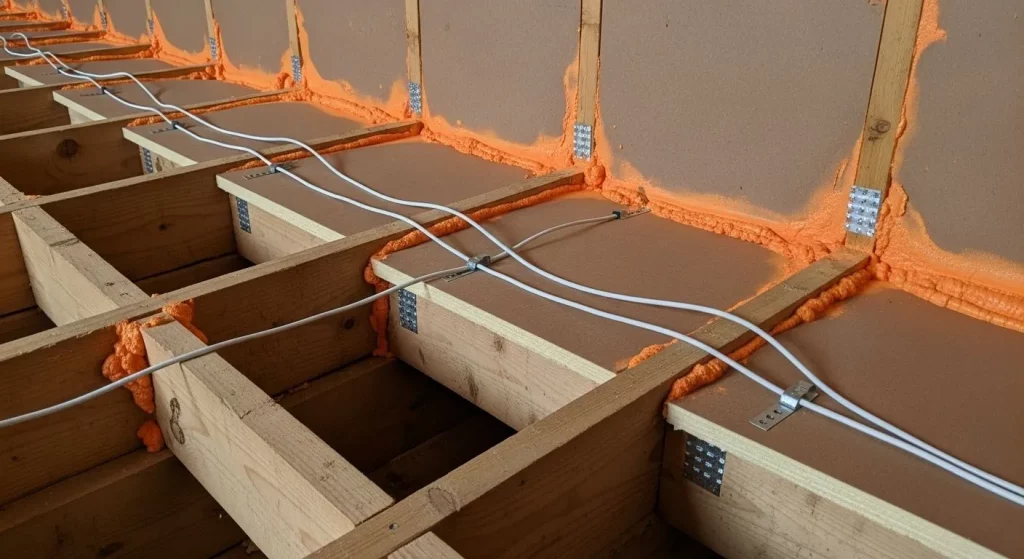
Adding insulation without addressing air leaks is like wearing a thick coat with the zipper open. Warm air still escapes through gaps around recessed lighting, plumbing stacks, HVAC register boots, and chimney chases. In Florida’s hot climate, that means your expensive air-conditioned air leaks into the attic while hot attic air infiltrates your living space.
Our professionals seal these penetrations with appropriate materials before any new insulation goes down. This combined approach ensures that the insulation performs at its rated R-value rather than losing effectiveness to bypass air movement.
A thorough inspection should cover the attic, walls, and any accessible floor cavities. We look at insulation type, depth, condition, and moisture levels. We also check for air leaks around penetrations, assess ductwork condition, and evaluate whether your current setup meets Martin County building code requirements.
ALL IN OVERHALL serves homeowners across Sewall’s Point and the surrounding Martin County area with professional insulation replacement designed to address the specific challenges of Florida’s hot, humid climate. Our team evaluates your home’s current insulation condition, identifies problem areas, and recommends the right combination of materials and air sealing to restore comfort and reduce energy waste. Whether your attic needs a full insulation removal and replacement or a targeted spray foam application, we handle every step from assessment to completion. Reach out to us at [email protected] or call (561) 406-3835 to discuss your project.
Request a Quote | Schedule an Attic Assessment
If your existing insulation shows signs of water damage, mold, pest activity, or has compressed below functional depth, full replacement is necessary. Adding new material over damaged insulation traps moisture and mold underneath.
Martin County is in Florida Climate Zone 2, which requires a minimum R-38 for attic insulation per the Florida Building Code. ENERGY STAR recommends R-38 to R-49, depending on whether your attic currently has existing insulation.
Humidity causes insulation materials to absorb moisture, which increases thermal conductivity and reduces R-value. In a coastal area like Sewall’s Point with 60 inches of annual rainfall and oppressive summer humidity, this degradation happens faster than in drier climates.
Replacing old, damp insulation removes a breeding ground for mold and mildew. When combined with proper air sealing, new insulation prevents humid attic air and contaminants from infiltrating your living spaces.
Air leaks around recessed lights, plumbing penetrations, and ductwork allow conditioned air to escape and unconditioned air to enter, bypassing your insulation entirely. Sealing these gaps ensures the new insulation performs at its rated R-value.