When Should You Consider Upgrading Your Home to Professional Spray Foam Insulation?
Consider a spray foam insulation upgrade when your energy bills climb, rooms feel drafty or uneven, or your attic insulation…

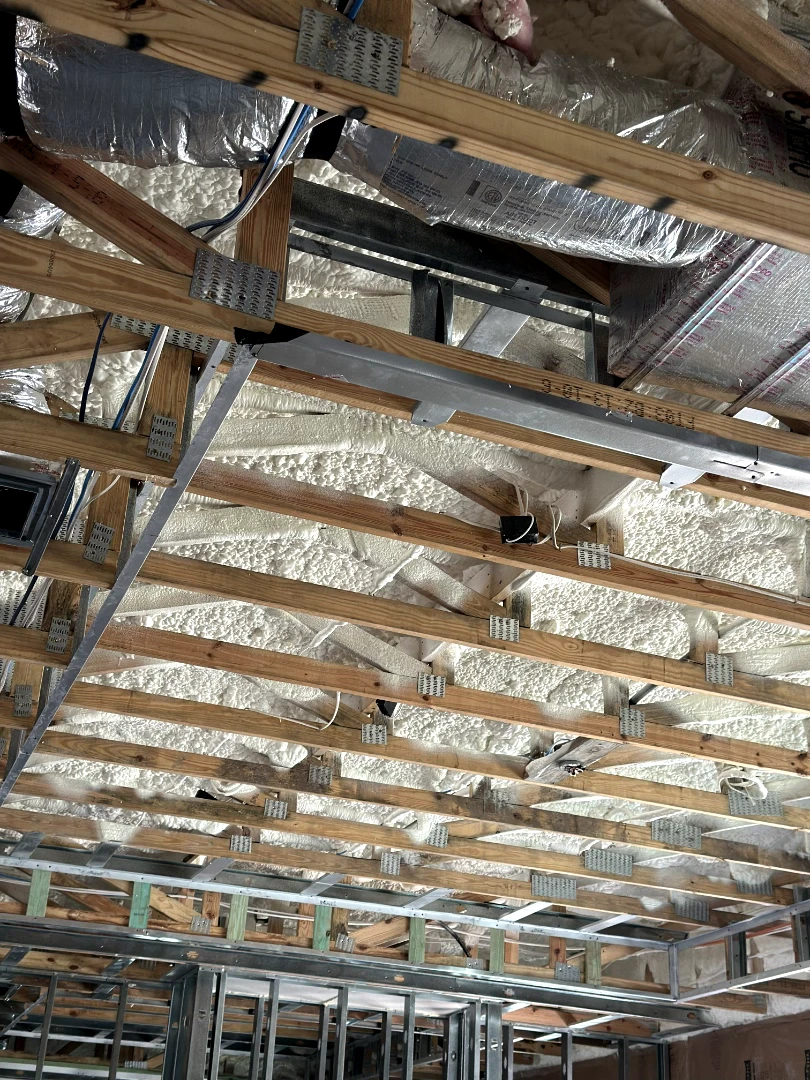
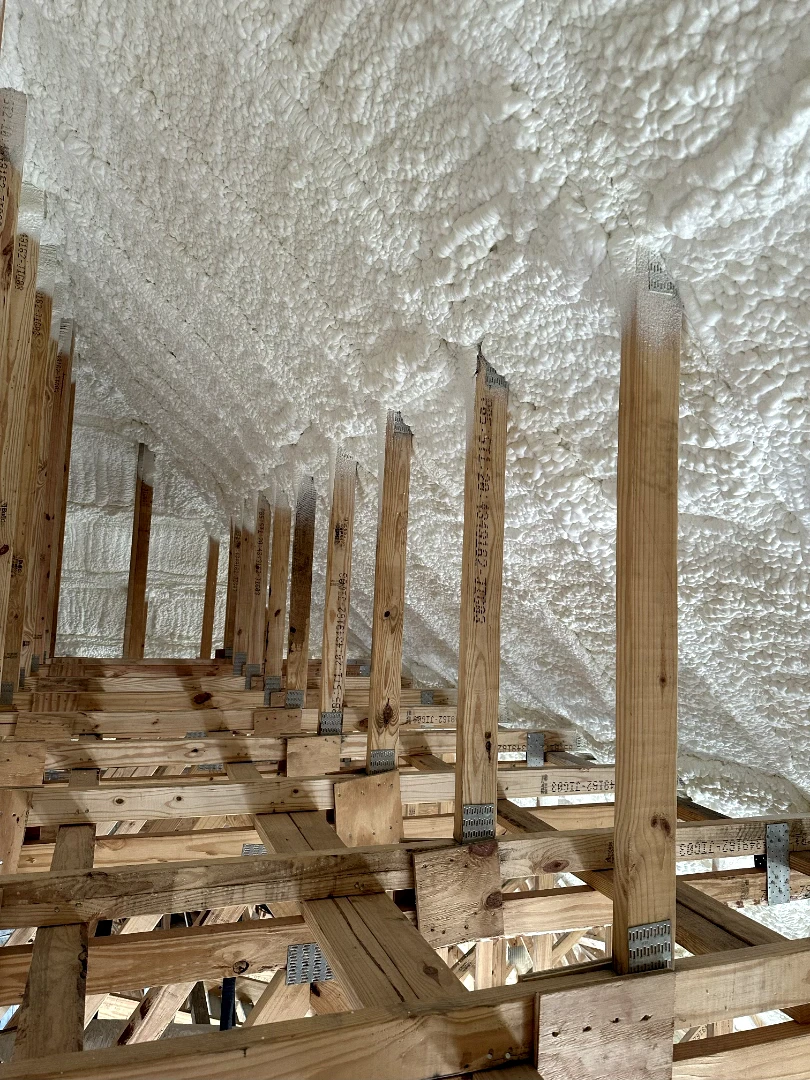
Consider a spray foam insulation upgrade when your energy bills climb, rooms feel drafty or uneven, or your attic insulation is old, wet, or flattened. Spray foam seals air leaks and adds R-value in one step, so you get better comfort and lower energy use from a single professional install.
Spray foam goes on as a liquid and expands to fill gaps that batts and loose fill often miss. That lets it work as insulation and an air barrier at the same time.
Home spray foam insulation sticks to framing and fills cracks around pipes, wiring,g and joints. Fewer gaps mean less outside air moving through your walls and ceilings.
Closed-cell foam runs about R-6 per inch, while open-cell comes in near R-3.5, according to the Spray Polyurethane Foam Alliance. Closed-cell is denser and costs more to install. We match the type to the space, since closed-cell tends to suit damp or tight spots.
Your house usually tells you something is wrong before the insulation gives out completely. Here are the signs you need new insulation, and most show up in your bills and comfort first.
You can’t always see the real problem. ENERGY STAR says the biggest air leaks in most homes hide in the attic and basement, often under existing insulation. If your bills and comfort point to trouble, an inspection can confirm it.
Age matters, but condition matters more. A simple walkthrough shows whether you’re dealing with a small gap or a full redo.
Replacing old home insulation makes sense when the material is wet, moldy, crushed, or full of pest damage. At that point, it can’t do its job, and adding more on top just hides the problem.
A home insulation upgrade also makes sense after you’ve finished a basement, added a room, or converted an attic. The old layers were rarely built for the new use of that space.
Planning a roof, siding, or drywall project? Framing is already open, which makes it a good time to add foam.
Some areas of your home lose more energy than others. Start with the spots where air leaks are hardest to reach with other materials.
Spray foam isn’t right for every budget or every space. Here’s the honest picture before you decide.
Spray foam insulation benefits include air sealing, strong R-value per inch, and foam that stays put once it cures. You get comfort and fewer drafts from one product.
Energy-efficient home insulation matters because heating and cooling make up a big part of your energy use. ENERGY STAR calls sealing and insulating one of the most cost-effective ways to make a home more comfortable and efficient. It also advises sealing air leaks before adding insulation, which foam does as it goes on.
| Factor | Spray Foam | Batts or Loose Fill |
|---|---|---|
| Air Sealing | Seals gaps as it cures | Needs separate air sealing |
| Upfront Cost | Typically higher | Typically lower |
| Moisture | Closed-cell resists water vapor | Can absorb water |
| Installation | Needs a trained crew | Easier for DIY |
Cost is the main trade-off. Residential spray foam insulation tends to pay back best in leaky or hard-to-reach spaces, and your results will vary with your home and climate.
Spray foam is a chemical reaction that happens in your house. Mixing, spray thickness, and ventilation all affect how it turns out.
Spray foam insulation installation also carries safety steps. The EPA says only workers wearing proper protective equipment should be present during application. Plan to stay out of the work area until the crew tells you it’s safe to return.
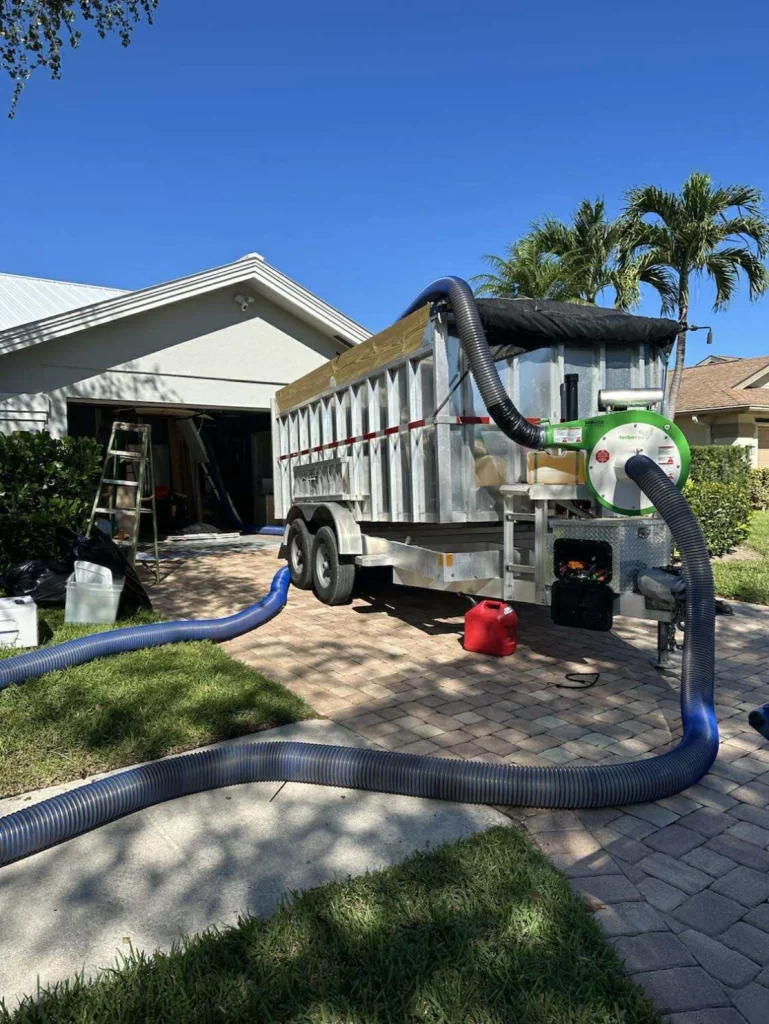
As a spray foam insulation contractor, we explain what to expect before we start and handle the spraying ourselves. You don’t have to guess at ratios or ventilation.
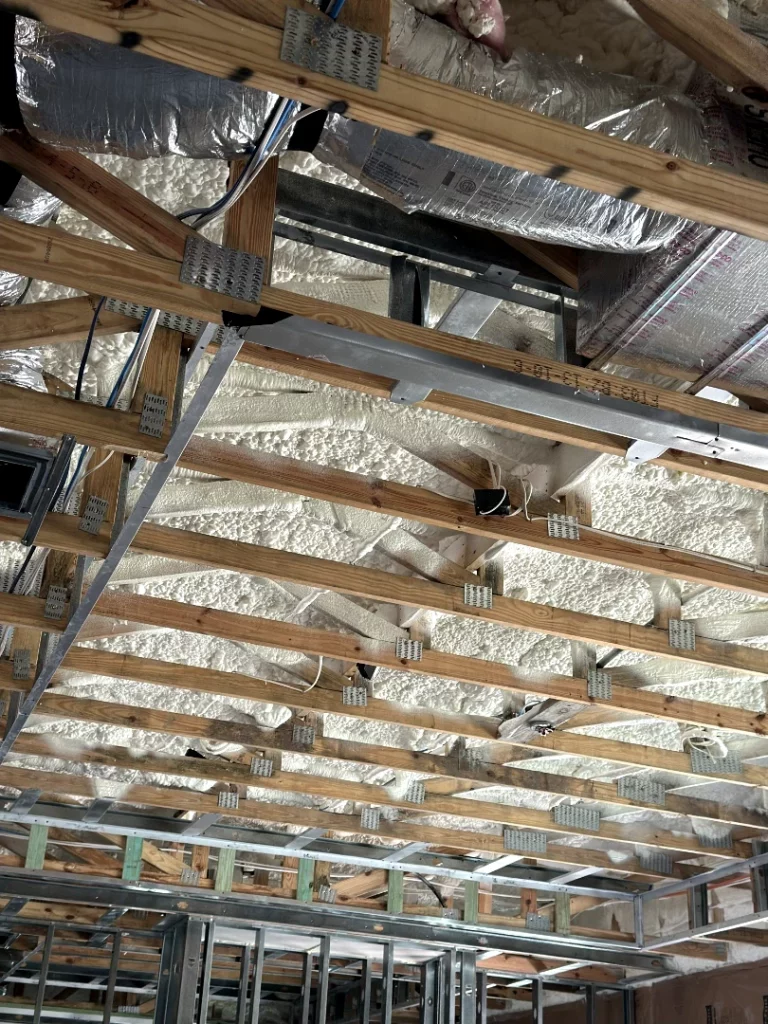
A few notes make your estimate faster and more accurate.
If your home shows any of these warning signs, we’re ready to take a look. We offer a free quote, so you can compare your options before you commit.
Phone: (561) 406-3835
Email: [email protected]
Older homes often have more hidden air leaks and thinner insulation, so they can see a noticeable difference. The payoff depends on how leaky your home is now.
Dry, intact material can sometimes stay, but wet, moldy or pest-damaged insulation should come out first. A professional can check what’s in your walls or attic.
It may reduce outside noise, since the foam fills gaps where sound travels. Open-cell foam is often noted for sound absorption.
Sealing air leaks can cut down on moist air entering the attic. Roof leaks or wet insulation still need fixing before any foam goes in.
Kits exist, but they’re built for small gaps rather than whole attics or walls. Larger areas need proper equipment, including mixing and good ventilation.