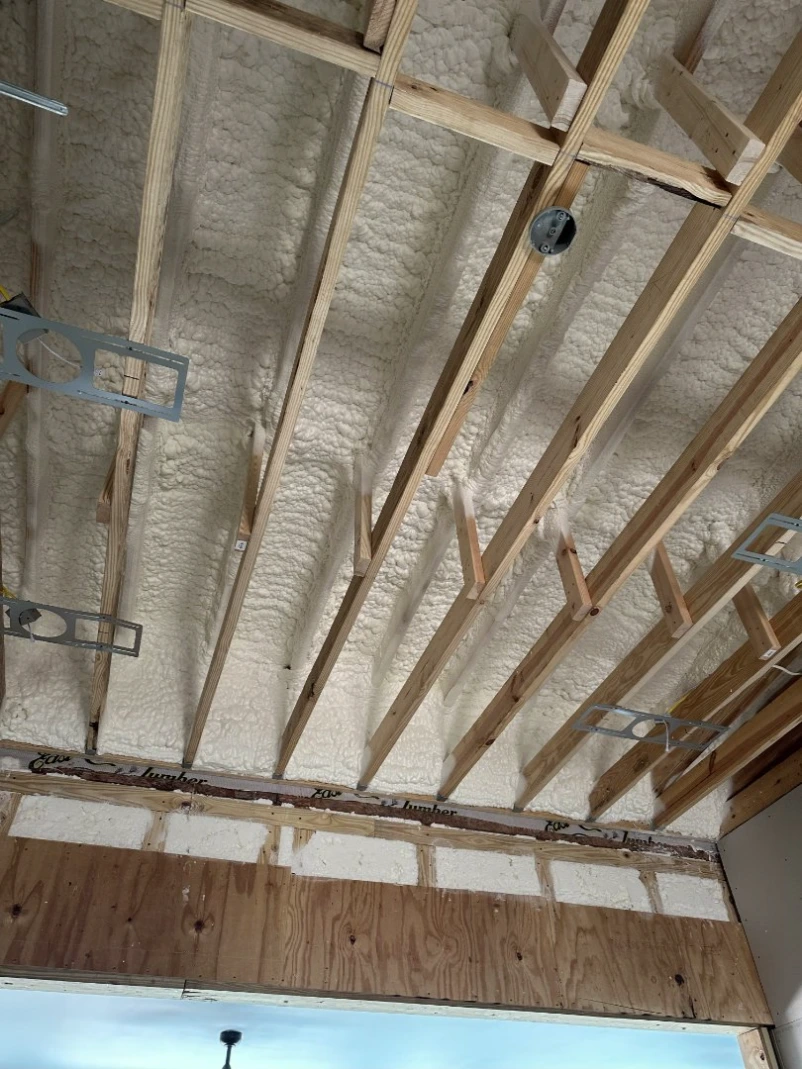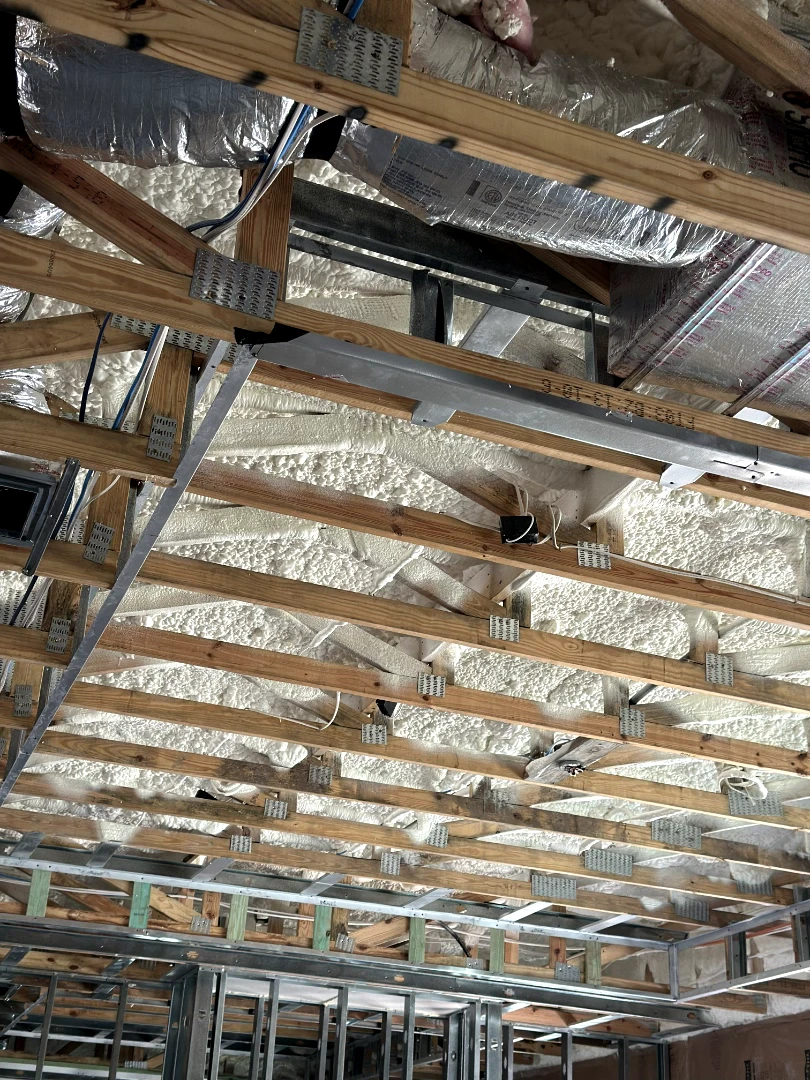
How to Get the Best Long-Term Value from Open-Cell Spray Foam Insulation in Jupiter, FL
The best long-term value from open-cell spray foam insulation that Jupiter, FL homeowners pay for comes down to four things:…

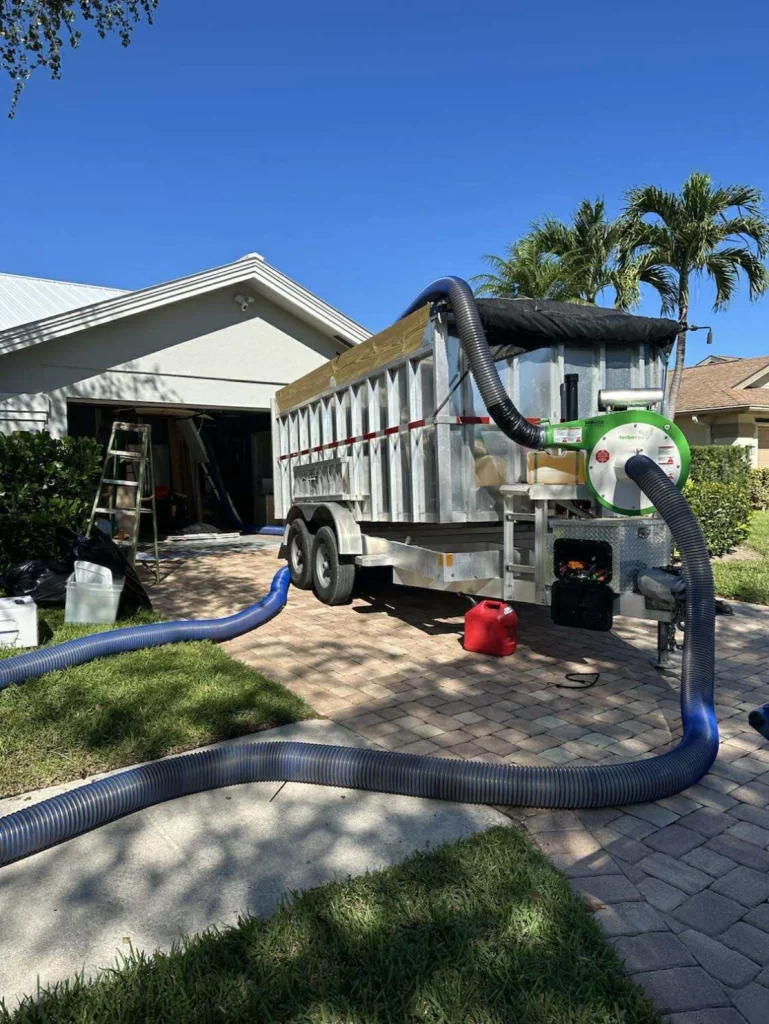
Proper Insulation Removal in Wellington, FL thoroughly clears out wet, matted, or pest-soiled material before any new installation begins. By starting with a clean, dry, and properly sealed attic floor, your new insulation can perform efficiently, achieve its full rated R-value, and provide long-lasting energy savings without inheriting hidden issues from old layers.
New insulation can only perform as well as the attic underneath it. That’s the real job of Insulation Removal Services in Wellington, FL: getting the attic back to bare, clean joists so nothing old drags down what you paid for.
Rodents nest in loose insulation and leave urine and droppings all through it. Pouring fresh material over that layer buries the mess, keeps the odor, and gives the next pest a ready-made nest. The CDC advises bagging exposed insulation that’s contaminated with urine and droppings, and warns that sweeping or vacuuming droppings can put virus-carrying droplets into the air.
That’s why pest-soiled areas need disinfecting before anything gets disturbed, and entry points need sealing before new insulation goes in.
Summer storms, AC condensate overflows, and sweating ductwork can all soak a Wellington attic floor. Fiberglass and cellulose that stay damp lose insulating value, can grow mold, and rarely dry out well in place. Damaged Insulation Removal Wellington, FL gives our team room to find the source, dry the wood, and check the roof deck and framing before anything new goes in.
Old insulation settles, gets packed down during AC and electrical work, and leaves some bays much thinner than others. When it’s matted like that, it’s hard to tell what R-value you actually have. Skipping Old Insulation Removal in Wellington, FL, means the new layer’s depth gets guessed instead of planned.
Gaps around light fixtures, wire holes, plumbing stacks, and the attic hatch let cooled air escape and humid air slip in. Those spots sit under the insulation, so they’re out of reach until the floor is cleared. Sealing them first lets new insulation slow heat flow instead of fighting constant air movement.
Your target depends on your climate zone, and South Florida has its own. A Florida Solar Energy Center review for the Florida Building Commission notes that the 2021 IECC places Palm Beach County, where Wellington sits, in Climate Zone 1.
ENERGY STAR lists these attic retrofit levels for Zone 1 homes.
| Starting Point | ENERGY STAR Zone 1 Attic Guidance |
|---|---|
| Uninsulated attic | R30 |
| About 3 to 4 inches already in place | Add R25 |
After a full tear-out, you’re starting from an uninsulated attic, so R30 is the figure to plan around. If you’re weighing Insulation Replacement Wellington, FL, that number gives you a clear target to hold every quote against.
Not every attic needs a full tear-out, so Residential Insulation Removal Wellington, FL should start with an honest inspection. These signs usually point toward removal.
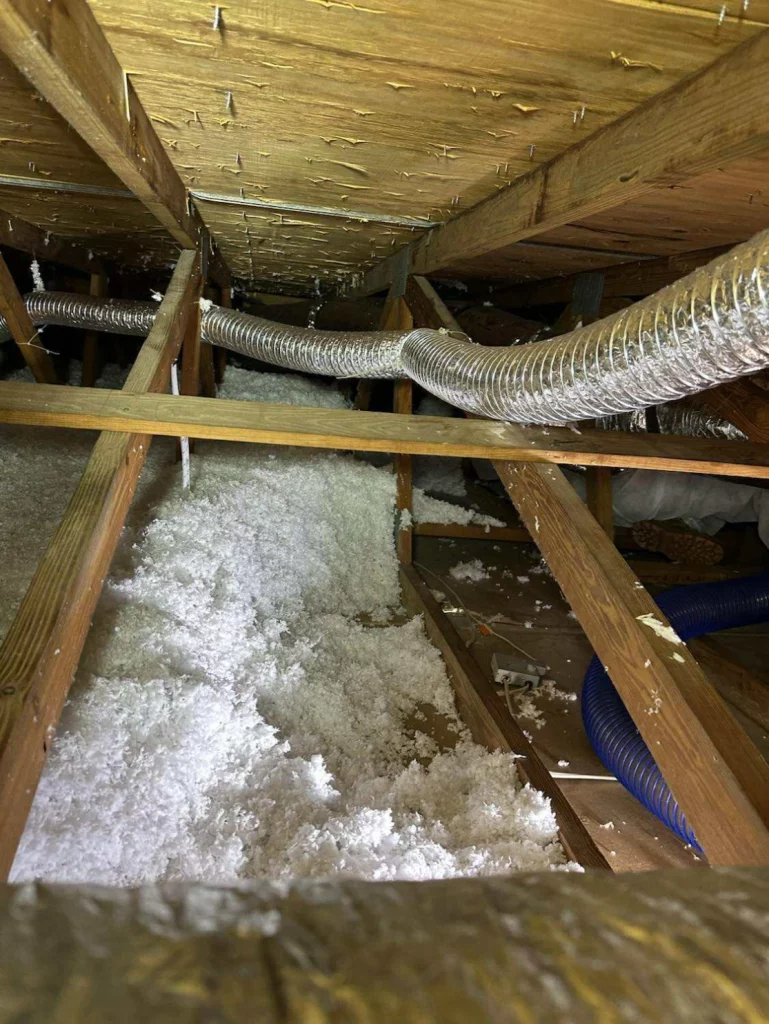
Here’s what Attic Insulation Removal should look like when it’s done right. Each step protects your home today and your new insulation later.
Some older homes have pour-in vermiculite, and it calls for different handling than fiberglass or cellulose. The EPA says to assume vermiculite may contain asbestos, leave it undisturbed, and hire a professional asbestos contractor if renovation work would disturb it.
Before you hire any Insulation Removal Contractor, ask whether the crew checks for vermiculite before work starts. Disturbing it without the right setup can spread fibers into other parts of the house.
Getting the old layer out the right way is what lets new insulation pay you back. At All In OverHall, we’ll inspect your attic, explain what needs to come out, and plan your New Insulation Installation in Wellington, FL around what we find.
Call or email us today for a free quote on your Wellington home.
Cost depends on attic size, insulation type and depth, access, and whether pests or moisture are involved. All In OverHall gives a free quote after looking at your attic.
Smaller, easy-access attics often take a day or less, while large, cramped or heavily contaminated attics can take longer. We’ll give you a time estimate during the inspection.
In most cases, yes, as long as the work area is contained and the hatch and walkway are covered. Homes with vermiculite or heavy rodent contamination may need extra precautions first.
It should be bagged in the attic, carried out, sealed, and hauled away for disposal, so nothing loose travels through your home.
It depends on your policy and the cause. Damage from a sudden covered event may qualify, while age, wear, or long-term pest activity usually doesn’t, so check with your insurer before work starts.