What Factors Determine Attic Insulation Installation Costs?
The cost of attic insulation installation depends on five main factors: attic size, insulation material, the R-value your climate requires,…


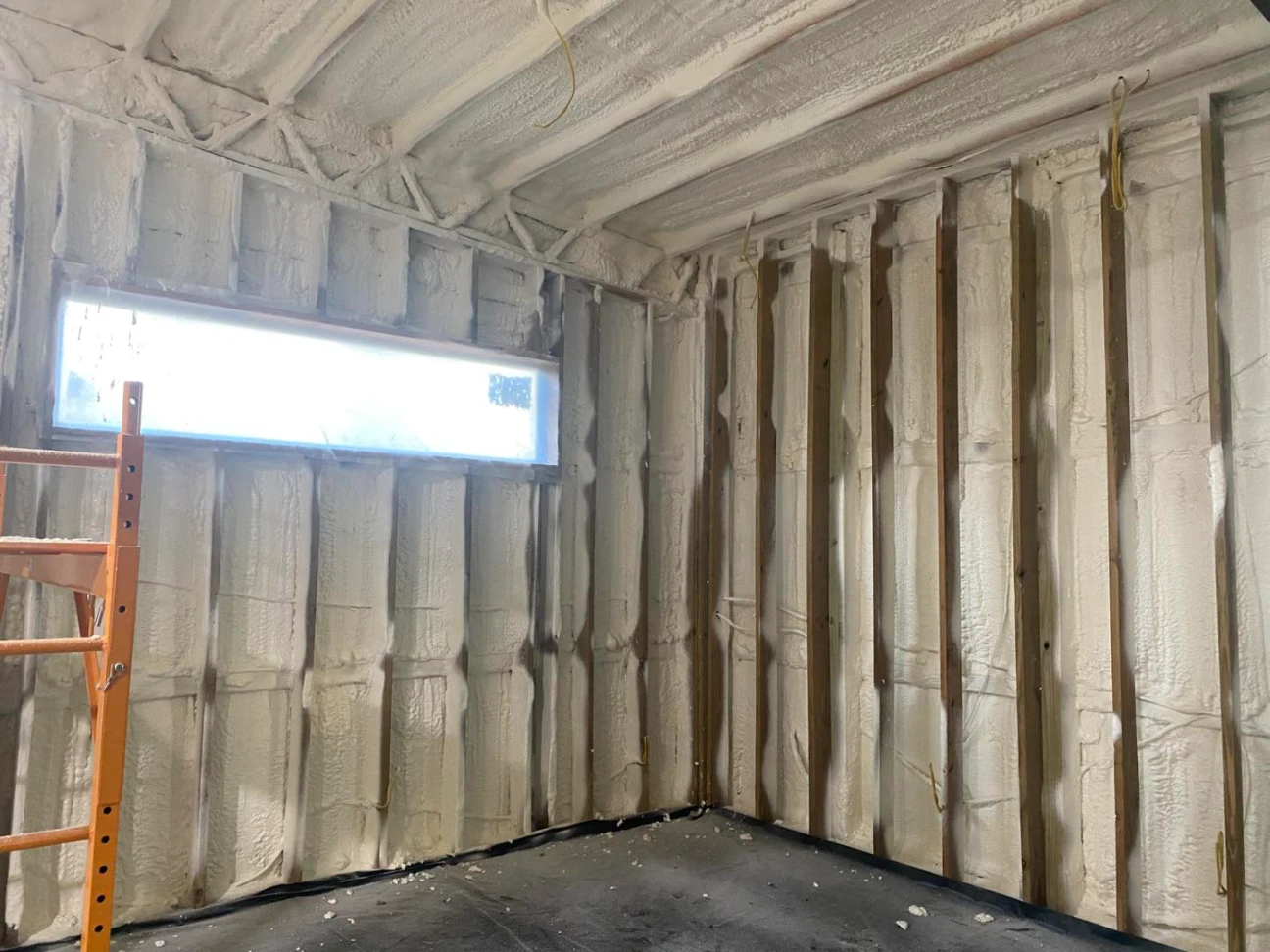
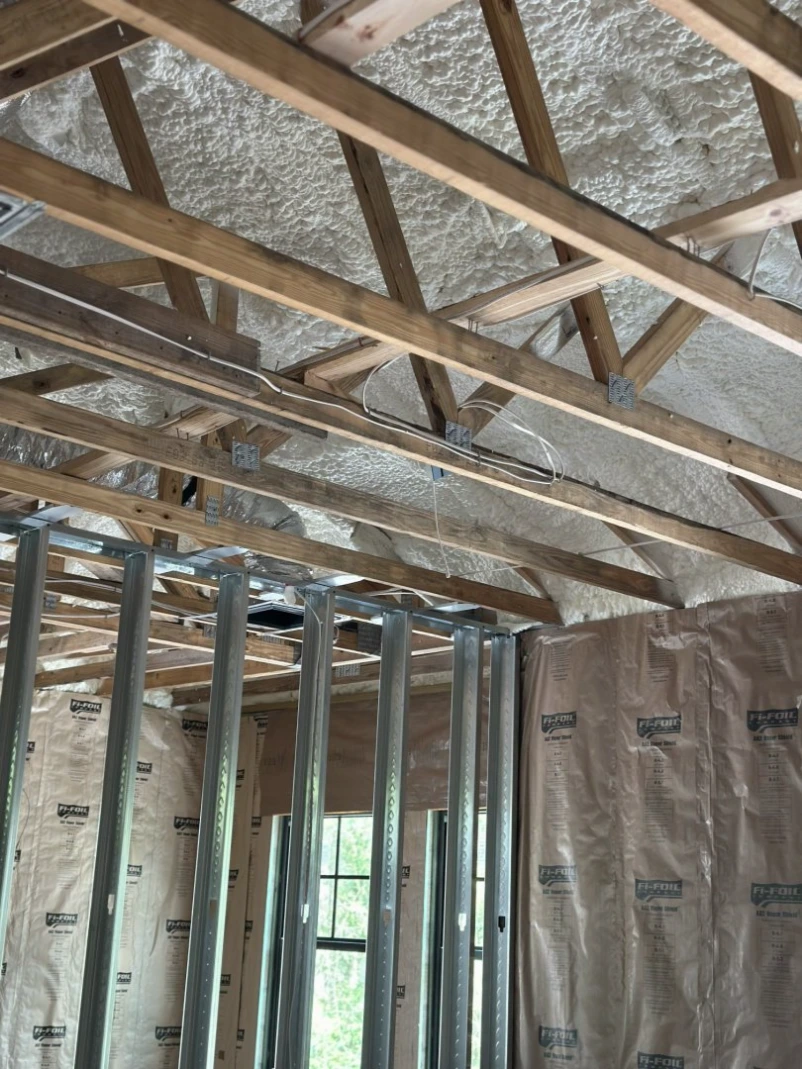
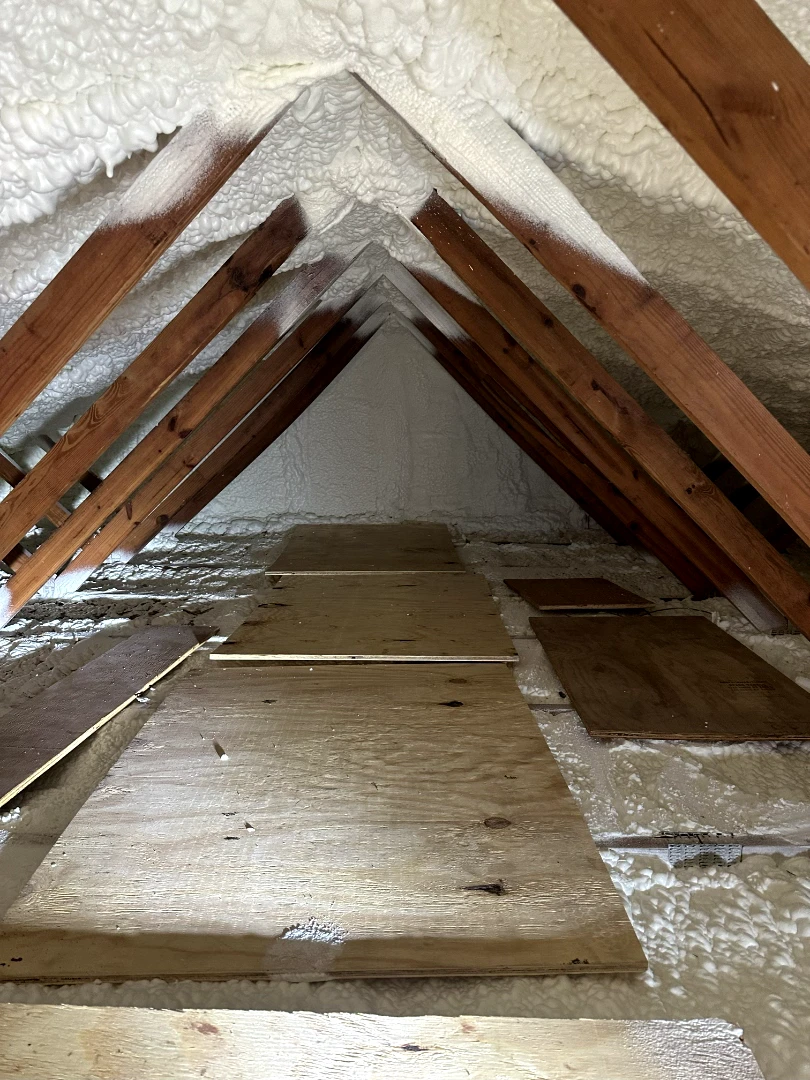
Closed-cell spray foam insulation in Jupiter, FL typically costs between $1.50 and $3.50 per square foot, with most homeowners spending between a typical low of $2,000 and a typical average of $8,000 for complete projects. Larger or more complex installations can reach a typical high of $25,000. The price you pay depends heavily on thickness requirements, accessibility challenges, labor rates in South Florida, and the contractor you choose. Closed-cell foam costs more than open-cell alternatives, but it delivers superior R-value per inch (around R-6.5 to R-7.0), acts as a moisture barrier, and adds structural strength to your building, making closed-cell spray foam insulation solutions a high-performance option for long-term efficiency. These pricing benchmarks are consistent across the broader region, including Palm Beach County, FL, and nearby communities like Stuart, FL, Loxahatchee, FL, and Indiantown, FL.
Closed-cell spray foam insulation contains tiny cells that are completely closed and packed together, creating a dense, rigid material when cured. This structure gives it a higher R-value per inch than open-cell foam, typically ranging from R-6.0 to R-7.0 per inch. The closed cells also prevent moisture and air from passing through, making it ideal for Jupiter’s humid subtropical climate, where moisture intrusion causes significant damage to homes.
According to the U.S. Department of Energy, closed-cell foam adds structural rigidity to walls and roofs, an important benefit in hurricane-prone South Florida. Additionally, the Building Science Corporation notes that closed-cell foam’s ability to act as both an air and vapor barrier makes it particularly effective in hot-humid climates like Florida’s. Homeowners across Palm Beach County, FL, and neighboring areas like Stuart, FL, increasingly choose closed-cell foam for this added resilience against extreme weather.
The cost of closed-cell spray foam insulation breaks down into material costs, labor, and project-specific factors. In Jupiter and the broader Palm Beach County area, you can expect to pay:
| Project Scope | Thickness | Typical Cost Range | Timeline |
|---|---|---|---|
| Attic insulation (1,200 sq ft) | 2 inches | $2,400 – $4,200 | 1-2 days |
| Whole home walls (2,000 sq ft) | 1.5 inches | $4,500 – $7,000 | 2-3 days |
| Crawl space (800 sq ft) | 2 inches | $1,600 – $2,800 | 1 day |
| Roof deck (1,500 sq ft) | 3 inches | $4,500 – $7,500 | 2-3 days |
| Complete new construction (2,500 sq ft) | 2 inches average | $8,000 – $14,000 | 3-5 days |
To put those numbers into perspective, the typical low project price for closed-cell spray foam in the Jupiter area is around $2,000 for smaller targeted jobs, while the average project price is near $8,000 for mid-sized whole-home applications. For larger or more complex projects, such as full envelope insulation on new builds or multi-story properties, a typical high project price can reach $25,000. These benchmarks hold true throughout the region, from Loxahatchee, FL, to Indiantown, FL, highlighting how closed-cell insulation costs vary based on project scope and requirements.
Material costs account for roughly 40-50% of your total project price, while labor makes up the remaining 50-60%. Florida insulation contractors typically charge higher labor rates than the national average due to increased demand, stricter building codes, and the specialized knowledge required for proper installation in hurricane zones.
Understanding the factors that increase your insulation costs helps you budget accurately and identify areas where you might save money.
The thickness of your spray foam application directly impacts material costs. Closed-cell foam is measured in board feet, where one board foot equals one square foot of area at one inch thick. Most Jupiter homes require 2-3 inches of closed-cell foam to meet building code requirements and achieve proper thermal performance. According to HomeAdvisor’s spray foam pricing data, each additional inch of thickness adds approximately $1.00 to $1.50 per square foot to your project cost, which can push a mid-range project closer to the typical high of $25,000 on larger homes. The Florida Building Code specifies minimum R-value requirements that directly influence the thickness needed for compliance in different areas of your home.
Tight spaces, high ceilings, and difficult-to-reach areas increase labor time and require specialized equipment. Crawl spaces, cathedral ceilings, and attics with limited headroom can add 20-40% to labor costs. Crews may need to work slower, use extension wands, or employ additional safety measures in confined spaces. As Fine Homebuilding’s research on residential spray foam costs highlights, accessibility is one of the top three cost variables, often turning a typical low $2,000 job into a significantly higher estimate.
Larger projects often benefit from economies of scale, with contractors offering lower per-square-foot rates for whole-home insulation compared to smaller, isolated areas. However, larger projects also require more material, more crew members, and longer completion times, making overall closed-cell insulation performance an important factor in planning and execution.
| Factor | Low Impact | High Impact |
|---|---|---|
| Thickness | 1 inch (R-6.5) | 3+ inches (R-19.5+) |
| Accessibility | Open attic, ground level | Crawl space, vaulted ceilings |
| Project Size | Single room (<300 sq ft) | Whole home (2,000+ sq ft) |
| Location | Easy access, parking available | Difficult access, limited parking |
| Prep Work | Empty space, clean surfaces | Requires removal of old insulation |
South Florida contractor rates run 15-25% higher than national averages due to several factors. High demand for insulation services, cost of living, insurance requirements, and licensing standards all contribute to elevated labor costs in Jupiter and the surrounding areas. Angi’s comprehensive guide to spray foam costs notes that regional labor rates are among the most significant drivers of project pricing, especially in competitive markets like Stuart, FL, and Indiantown, FL, where demand for quality insulation continues to grow.
If your project requires the removal of existing insulation, repair of damaged substrates, or extensive cleaning before application, expect additional charges. Removing old fiberglass batts can add $0.50 to $1.50 per square foot, while moisture-damaged wood repair costs significantly more.
You can reduce your spray foam insulation costs without sacrificing quality by implementing strategic approaches to your project.
Consider using closed-cell spray foam in critical areas like rim joists, crawl spaces, and roof decks while using more affordable insulation elsewhere. Hybrid approaches can reduce overall costs by 20-30% while maintaining energy efficiency where it matters most. This is one of the most effective ways to keep your project near the typical low of $2,000 or the typical average of $8,000 rather than approaching the $25,000 high end.
Contractors often offer better pricing during slower seasons. In Florida, demand peaks during spring and fall when homeowners prepare for extreme temperatures. Scheduling your project during summer or winter can yield savings of 5-15%.
Always obtain at least three quotes from licensed contractors. Price variations of 20-40% between contractors are common, especially for complex projects. Ensure each bid specifies the same foam thickness, coverage area, and brand of material for accurate comparison.
Remove old insulation, clear access paths, and prepare the work area before the crew arrives. Many contractors charge hourly rates for site preparation that you can handle independently.
Prioritize spaces where spray foam delivers the greatest return: attics, crawl spaces, and rim joists. These areas often account for 50-70% of your home’s energy loss, making them the most cost-effective targets for premium insulation.
Cost reduction strategies from industry experts emphasize that proper planning and product selection can significantly impact your final price without compromising performance. Homeowners throughout Loxahatchee, FL, and Palm Beach County, FL, have successfully used these strategies to bring their projects in line with the typical $8,000 average.
| Property Type | Location | Project Size | Scope | Estimated Cost |
|---|---|---|---|---|
| Single-family home | Jupiter, FL | 2,200 sq ft | Full attic, 2 inches | $4,800 – $7,700 |
| Waterfront condo | Jupiter, FL | 1,400 sq ft | Exterior walls, 1.5 inches | $3,150 – $4,900 |
| New construction | Palm Beach Gardens | 3,000 sq ft | Complete envelope, 2 inches | $9,000 – $15,000 |
| Older home renovation | Tequesta, FL | 1,800 sq ft | Attic + crawl space | $4,200 – $7,200 |
| Commercial building | Jupiter, FL | 5,000 sq ft | Roof deck, 3 inches | $15,000 – $26,000 |
As you can see from these examples, smaller targeted jobs can fall at or near the typical low of $2,000, while mid-sized residential projects align with the typical average of $8,000. The most extensive and complex installations, particularly commercial builds, can approach or exceed the typical high of $25,000. Property owners in Stuart, FL, and Indiantown, FL report similar pricing trends for comparable project scopes.
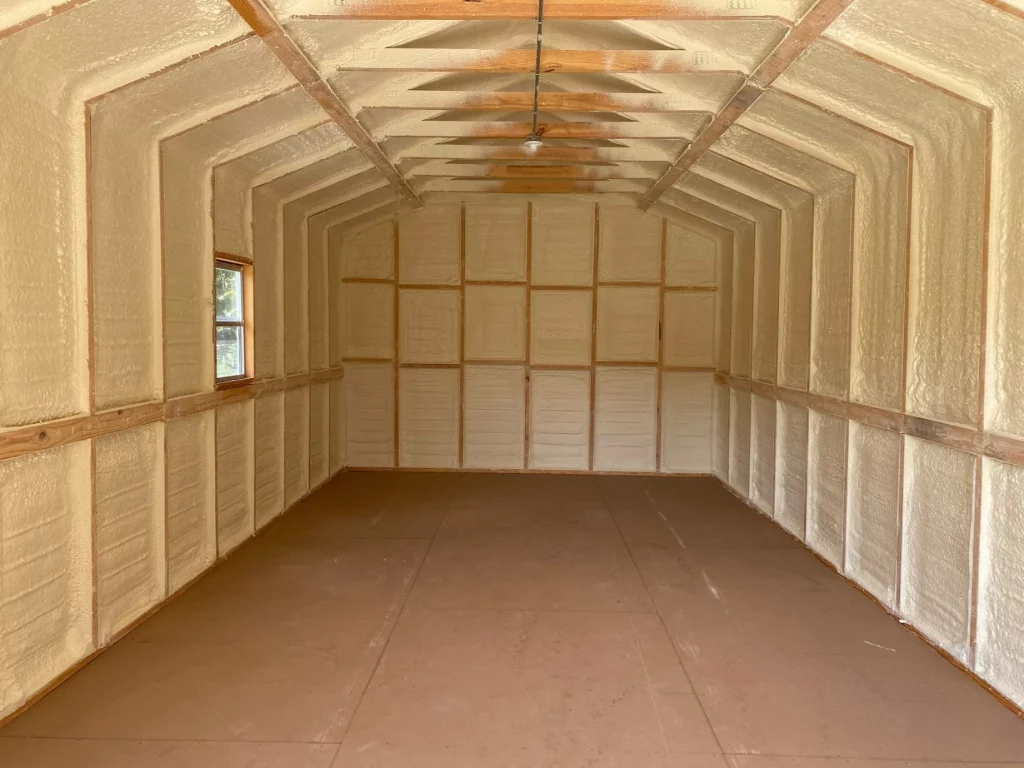
The true cost of inadequate insulation extends far beyond your monthly energy bills. In Jupiter’s humid climate, moisture intrusion from air leaks causes mold growth, wood rot, and structural damage that can cost tens of thousands to repair. Poor insulation strains your HVAC system, leading to premature equipment failure and costly replacements. Comfort issues affect your daily life and property value. When you consider that closed-cell spray foam can reduce energy costs by 20-40%, prevent moisture damage, and last the lifetime of your building, the question becomes: can you afford to wait? Even at the typical high of $25,000, the long-term energy savings and property protection often justify the investment for homes in hurricane-prone regions like Jupiter and Stuart, FL.
All in OverHall specializes in closed-cell spray foam insulation for Jupiter homes and businesses, delivering professional installation that maximizes energy efficiency and protects your property from South Florida’s challenging climate. Our experienced team understands local building codes, hurricane preparedness requirements, and the specific moisture challenges coastal properties face. As a trusted provider of closed-cell spray foam insulation in Jupiter, FL, we offer detailed quotes, transparent pricing, and expert guidance to help you make informed decisions about your insulation investment. Whether your project falls at the typical low of $2,000, the typical average of $8,000, or above, we’ll ensure you understand exactly where every dollar goes.
Request a Free Estimate | Call Us Today
Contact us at (561) 406-3835 or email [email protected] to schedule your consultation. We proudly serve Jupiter, Palm Beach County, FL, Loxahatchee, FL, Indiantown, FL, and Stuart, FL. Your comfort, energy savings, and property protection start with the right insulation choice.
Q: How long does closed-cell spray foam insulation last?
A: Closed-cell spray foam insulation typically lasts 80-100 years when properly installed, often outlasting the building itself. Unlike fiberglass or cellulose insulation, it does not sag, settle, or degrade over time.
Q: Is closed-cell spray foam worth the extra cost compared to open-cell?
A: Closed-cell foam costs more upfront but provides a higher R-value per inch, acts as a moisture barrier, and adds structural strength. In Jupiter’s humid climate, the moisture protection alone often justifies the investment.
Q: Can closed-cell spray foam be installed in existing homes?
A: Yes, closed-cell spray foam works well for retrofit applications in attics, crawl spaces, and wall cavities. Professional installers can access most areas through small openings, making it suitable for existing construction.
Q: How thick should closed-cell spray foam be in Florida?
A: Most Florida building codes require R-13 to R-19 for walls and R-30 or higher for attics. This translates to 2-3 inches of closed-cell foam in walls and 4-5 inches in attics, though your contractor will specify based on your home’s needs.
Q: Does spray foam insulation require special maintenance?
A: No, closed-cell spray foam requires no maintenance once installed. It does not settle, shift, or degrade, providing consistent performance for decades without any homeowner intervention.