What Factors Determine Attic Insulation Installation Costs?
The cost of attic insulation installation depends on five main factors: attic size, insulation material, the R-value your climate requires,…

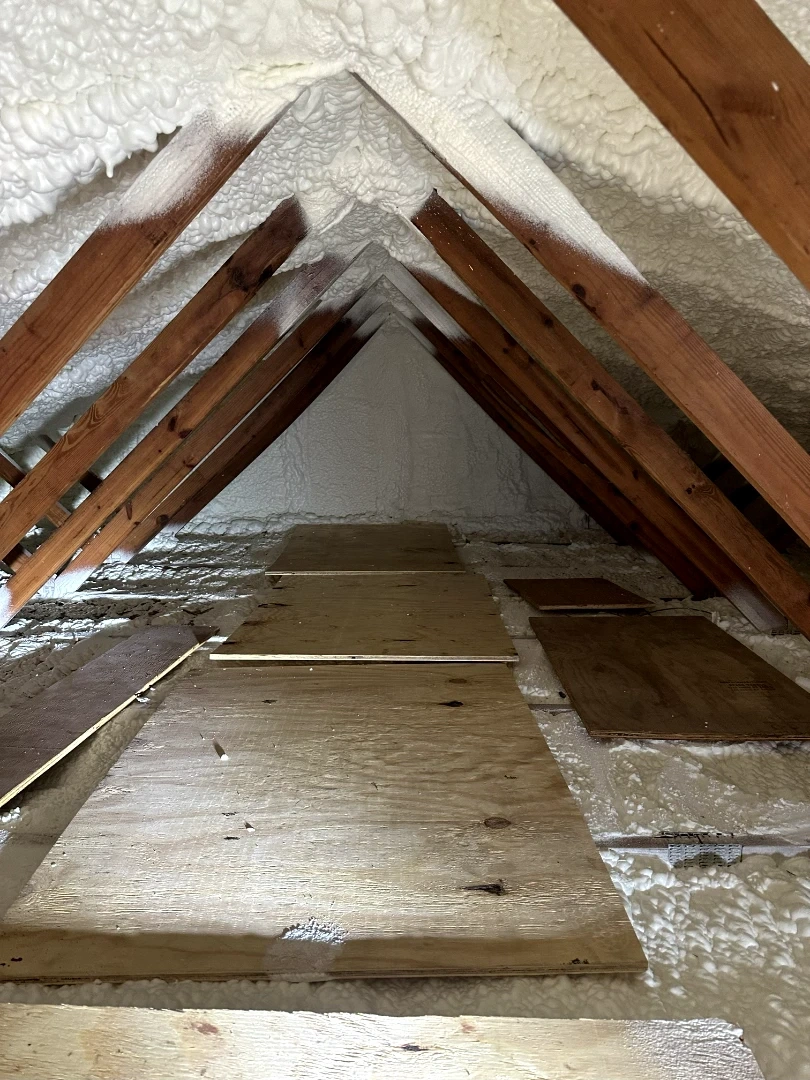
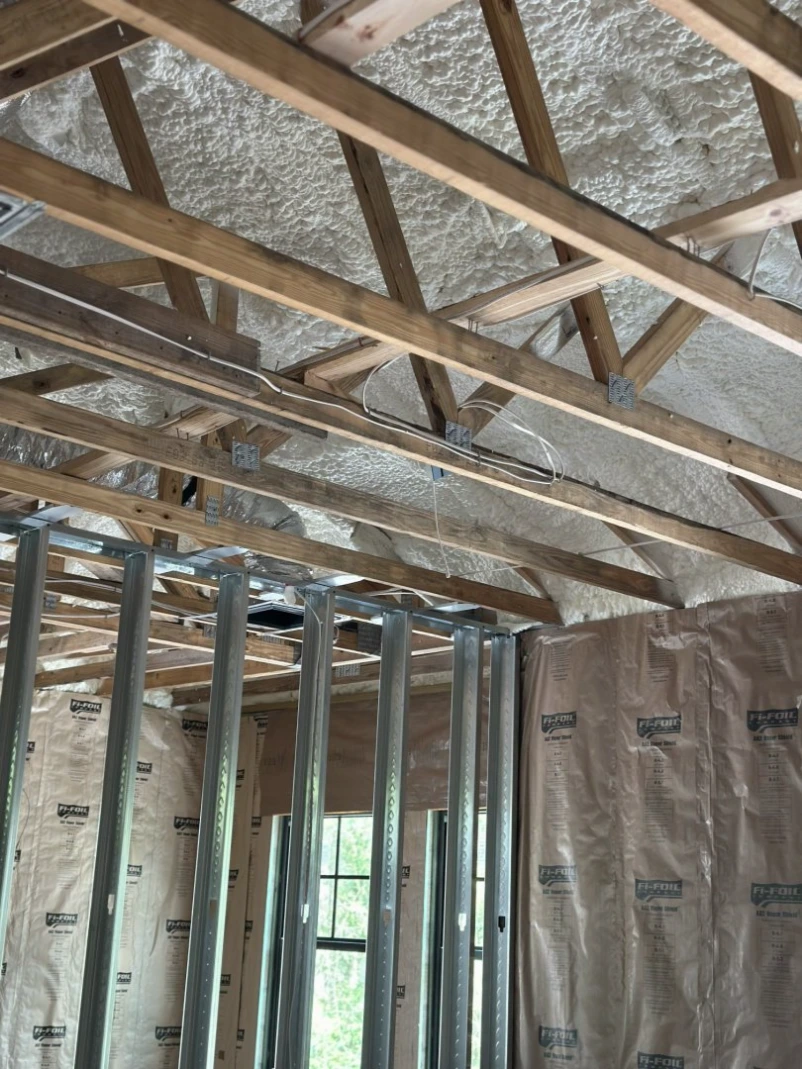
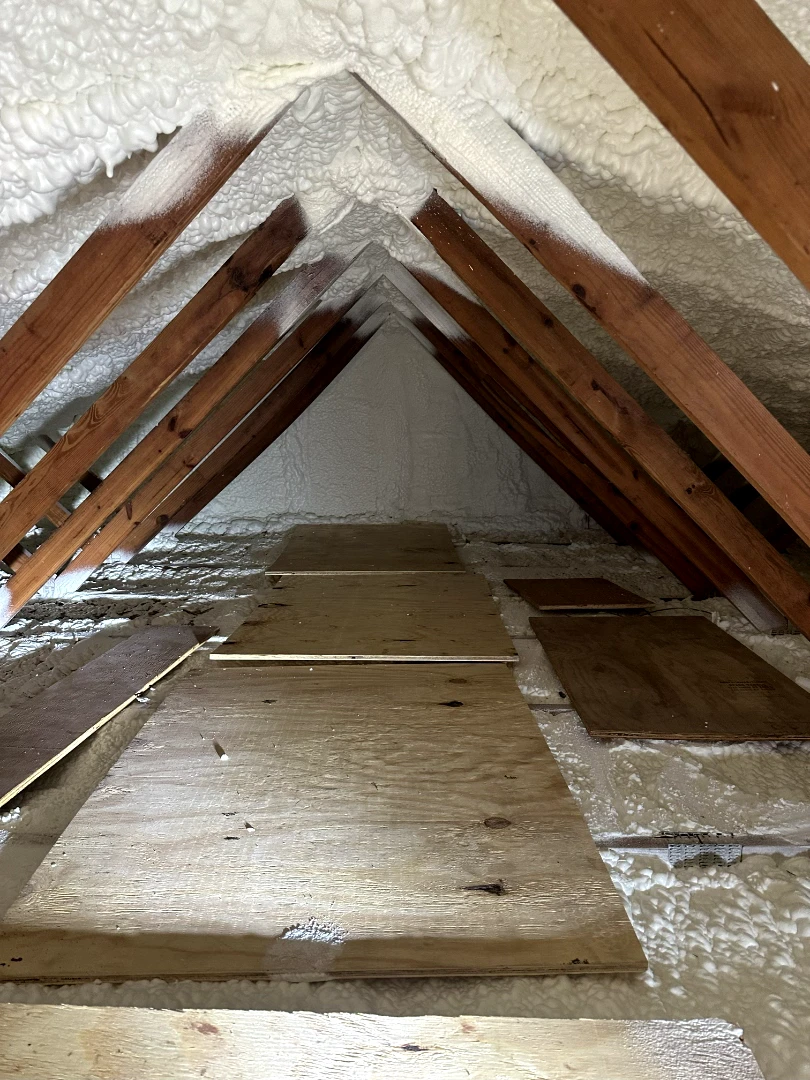
Yes, upgrading your attic insulation can increase resale value in The Acreage, FL, though the return depends on several factors specific to the local market and your home’s current condition. The Acreage is a semi-rural census-designated place in Palm Beach County with over 41,000 residents and more than 13,000 housing units, many of which were built decades ago with minimal insulation by modern standards. In a South Florida climate where air conditioning runs for most of the year, proper attic insulation directly impacts monthly energy bills and indoor comfort, both of which matter to prospective buyers. The upgrade works best as part of a broader strategy that addresses air sealing, existing insulation condition, and overall home maintenance before listing. A complete attic insulation guide can help homeowners plan the right improvements before putting their property on the market.
The Acreage sits in Palm Beach County’s western corridor, approximately 18 miles from West Palm Beach. The community is characterized by large residential lots, many wooded areas, and a mix of older and newer single-family homes. What makes insulation especially relevant here is the year-round cooling demand. Unlike northern markets where insulation is primarily associated with winter heating, The Acreage’s Climate Zone 2 classification means insulation plays a major role in blocking radiant heat gain through the roof during Florida’s extended summer season. Professional insulation services in The Acreage, FL help homeowners improve energy efficiency and maintain consistent indoor comfort throughout the year.
According to ENERGY STAR’s recommended R-value guidelines, homes in Climate Zone 2 should have R-49 in the attic if currently uninsulated, or R-38 if the attic already has 3 to 4 inches of existing insulation. Many homes in The Acreage, particularly those built before modern energy codes, fall well short of these levels. Upgrading to current standards means the next owner inherits lower cooling costs and better humidity control from day one.
The EPA’s sealing and insulation methodology data shows that homeowners in Climate Zone 2 can expect approximately 9% savings on heating and cooling costs and 6% savings on total household energy costs after a proper insulation and air sealing upgrade. In dollar terms for The Acreage’s typical 1,500 to 4,000 square-foot homes with year-round air conditioning, these savings add up quickly over time and serve as a tangible selling point.
Insulation is not a cosmetic upgrade that buyers see in a walkthrough, which changes how it affects perceived value. Its impact on resale works through three channels:
Lower operating costs. Buyers in The Acreage are acutely aware of Florida’s high property insurance and utility expenses. A home with documented energy efficiency improvements stands out because it promises lower monthly carrying costs. ENERGY STAR notes that sealing air leaks and adding insulation is one of the most cost-effective ways to improve energy efficiency, with 9 out of 10 U.S. homes being under-insulated.
Reduced buyer objections. During home inspections, inadequate insulation frequently appears on reports. Buyers may request repair credits or negotiate price reductions when they learn the attic lacks proper insulation. Addressing this before listing removes a common negotiation lever.
Comfort and durability signals. Proper attic insulation reduces attic temperatures, which extends the life of roofing materials and HVAC equipment. A well-insulated home suggests overall responsible maintenance, which influences buyer confidence beyond the insulation itself.
The right insulation type depends on your attic’s condition, accessibility, and budget. Here is a comparison of the most common approaches used in the area:
| Insulation Type | Best For | Installation Speed | Typical Scenarios in The Acreage | Key Consideration |
|---|---|---|---|---|
| Blown-in fiberglass or cellulose | Open attics with adequate floor space | Fast, usually completed in one day | Retrofit homes with 3 to 4 inches of existing insulation | Most common choice for upgrading to R-38 or R-49 |
| Closed cell spray foam | Attics with irregular framing or limited access | Moderate, requires curing time | Vaulted ceilings, hard-to-reach areas, pole barns | Provides both insulation and air sealing |
| Open cell spray foam | Large open attic spaces where budget is a concern | Moderate | New construction and retrofits where air sealing is also needed | Lower R-value per inch than closed cell |
| Insulation removal and replacement | Attics with damaged, contaminated, or compressed insulation | Longer, requires a two-step process | Older homes with water damage, pest debris, or mold concerns | Necessary when existing insulation has degraded |
Based on our pricing data for the The Acreage area, attic insulation projects typically start around $1,500 for straightforward blown-in upgrades on smaller homes, with larger or more complex projects reaching $15,000 for spray foam applications. The right approach depends on your specific attic conditions, which is why an on-site assessment matters when determining attic insulation costs.
Several variables determine whether an attic insulation upgrade translates into measurable resale value in The Acreage market:
Current insulation level. If your attic has little to no insulation, the upgrade delivers the most dramatic improvement in both comfort and energy savings. Homes with some existing insulation still benefit, but the marginal return is smaller.
Age and condition of your HVAC system. Insulation works hand in hand with your cooling system. An upgraded attic combined with a well-maintained HVAC system creates a stronger efficiency narrative for buyers than either improvement alone.
Air sealing quality. Simply adding insulation on top of existing material without sealing air leaks first reduces effectiveness. ENERGY STAR recommends sealing attic floor penetrations, ductwork, and other gaps before adding insulation to achieve the full savings potential.
Comparable homes in The Acreage. If neighboring homes on similar lot sizes already have modern insulation, the upgrade may not differentiate your property as much. In areas where most homes still have original, inadequate insulation, the upgrade becomes a stronger selling advantage.
Timing relative to sale. Upgrading insulation well before listing gives you time to benefit from the energy savings yourself and provides utility bill documentation you can share with buyers. Rushing an insulation project right before a sale can work, but buyers may question the urgency.
Documentation and warranties. ENERGY STAR’s attic insulation guidance recommends that contractors provide documentation showing the final R-value achieved after installation. Having this paperwork ready for buyer review strengthens the perceived value of the upgrade.
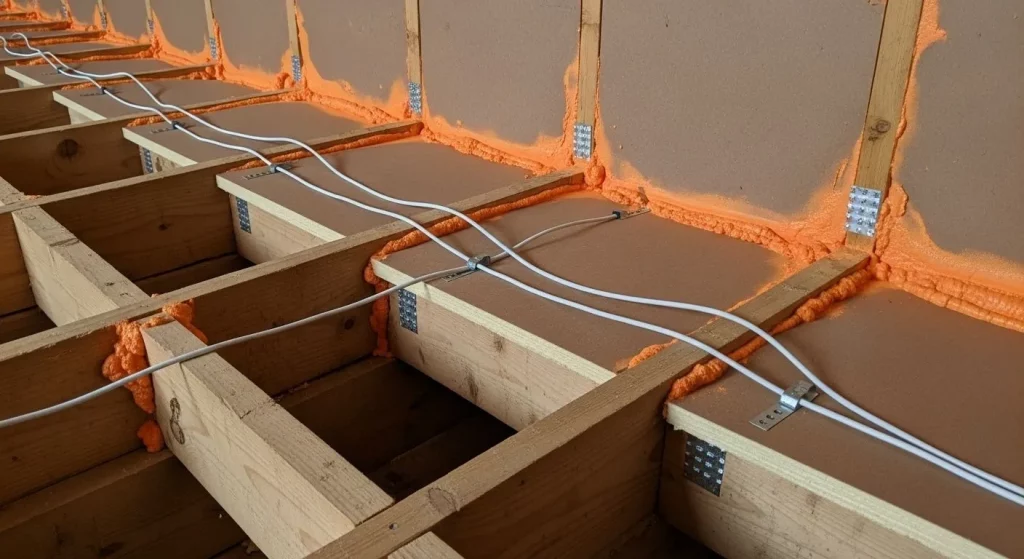
For homeowners in The Acreage planning to sell, here is a practical prioritization framework:
Choosing a qualified insulation provider in The Acreage makes a real difference in both the quality of the installation and the resale value it delivers. Look for these indicators:
All In OverHall provides professional attic insulation services for homeowners throughout The Acreage and surrounding Palm Beach County communities. Our experienced team assesses your current insulation levels, recommends the right materials for your home’s specific needs, and completes every project with the documentation you need for resale confidence. We work with the most common home sizes in the area, from 1,500 square feet up to 4,000 square feet, and handle everything from straightforward blown-in upgrades to full insulation removal and replacement. Reach out to us at [email protected] or call (561) 406-3835 to discuss your project.
Request a Quote | Schedule an Attic Assessment
A: The Acreage falls within Climate Zone 2, where ENERGY STAR recommends R-49 for uninsulated attics and R-38 if you already have 3 to 4 inches of existing insulation.
Yes. The EPA estimates an average 9% reduction in heating and cooling costs for Climate Zone 2 homes after proper air sealing and insulation upgrades.
Blown-in insulation is possible as a DIY project, but spray foam applications require professional certification. ENERGY STAR recommends hiring a licensed contractor for best results and full documentation.
Insulation may not appear as a separate line item on an appraisal, but it contributes to overall home condition ratings and can prevent buyer negotiation reductions tied to energy efficiency deficiencies.
Federal tax credits cover 30% of insulation material costs up to $1,200, and this credit applies through December 31, 2025. State and local utility rebates may also be available.