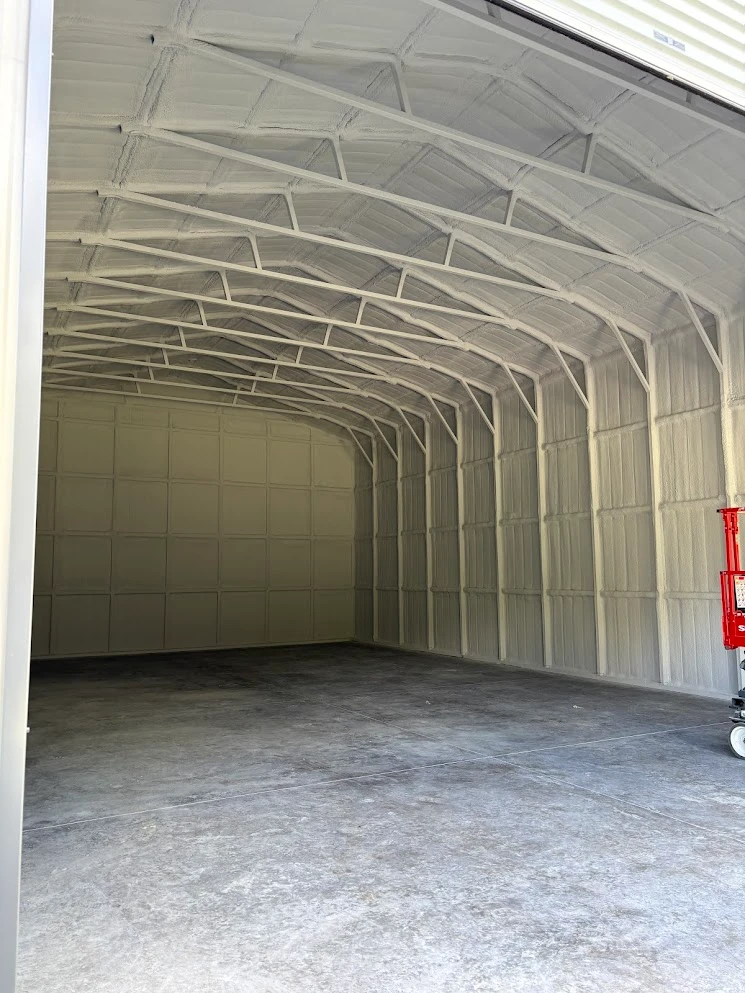
Why Closed-Cell Spray Foam Insulation Is Ideal for Indoor Pools in Lantana, FL
Closed-cell spray foam insulation stands out as the optimal solution for indoor pools in Lantana, Florida, due to its exceptional…


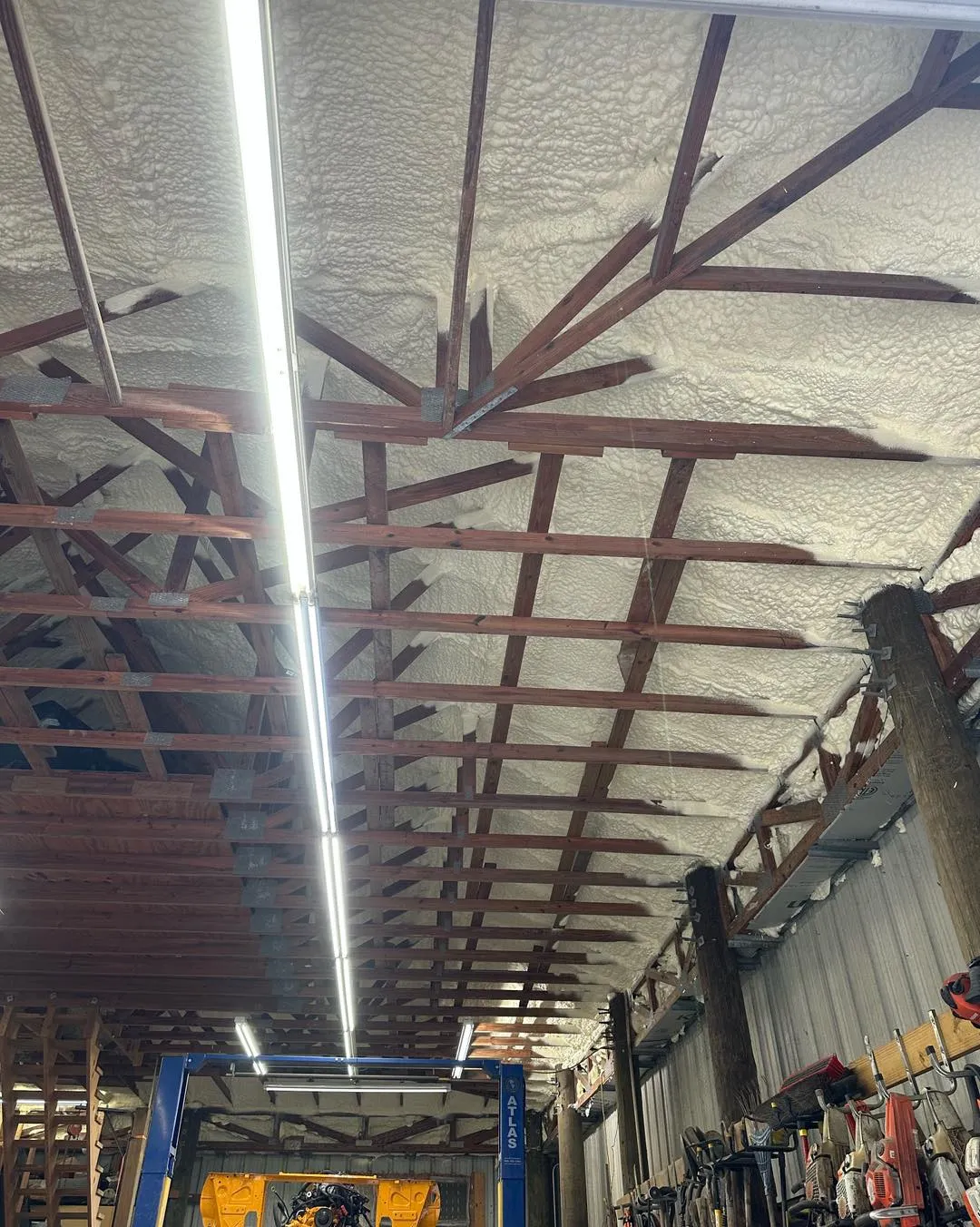
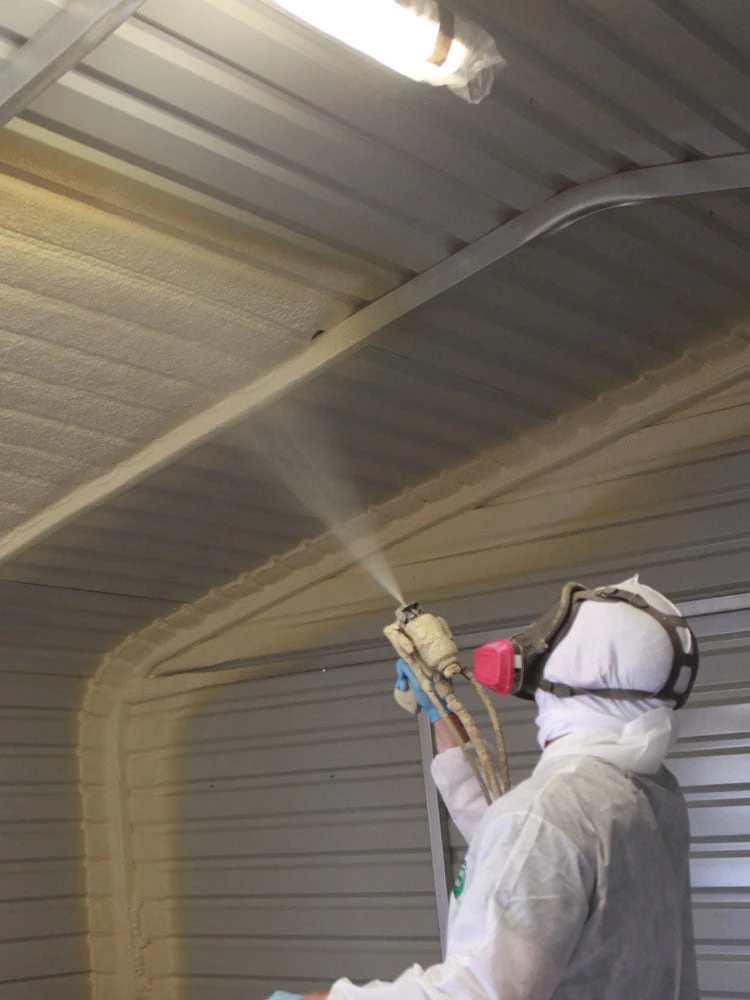
Spray foam insulation functions as a powerful soundproofing agent by creating an airtight seal that eliminates gaps and cracks through which airborne noise can travel. While traditional insulation materials like fiberglass or cellulose primarily filter heat, spray foam expands to fill every crevice in wall cavities and roof decks. This expansion creates a continuous barrier that significantly reduces the transmission of external sounds, such as traffic from Federal Highway or heavy tropical rainstorms common in Stuart, FL.
For homeowners seeking the quietest possible interior environment, open-cell spray foam is the superior choice over closed-cell varieties. Its lower density and softer, sponge-like texture allow it to trap sound waves and dissipate their energy more effectively than rigid materials. By addressing both air leakage and sound transmission, spray foam transforms a building’s acoustic profile, turning a standard residential structure into a peaceful sanctuary. Extensive field work confirms that proper application can reduce noise transfer by up to 50% compared to uninsulated or poorly insulated homes.
To understand how insulation quiets a home, one must first understand how sound enters a building. Noise travels into a living space through two primary methods: airborne transmission and flanking transmission. Airborne sound moves directly through the air, utilizing gaps around windows, doors, outlets, and specifically the tiny fissures in building envelopes. Flanking sound travels indirectly, vibrating through structural elements like studs, joists, and drywall.
Fiberglass batts, a common sight in Florida attics, can dampen some vibrations but often fail to stop airborne noise because they do not form an air seal. Sound waves move through fiberglass much like air moves through a screen door. In contrast, spray foam insulation adheres directly to the substrate, effectively gluing the building envelope together. This eliminates the “flanking” paths and stops air movement entirely.
According to the Department of Energy, air sealing is one of the most cost-effective ways to improve home comfort. While their focus is often on energy efficiency, the principle remains the same for acoustics: if air cannot pass through a wall assembly, neither can sound waves carried by that air.
Not all spray foams perform equally well for sound attenuation. The foam’s chemical structure dictates how it interacts with sound waves.
Open-cell spray foam is lightweight and flexible. When sound waves hit open-cell foam, they enter the porous structure. Friction within these pores converts the sound energy into trace amounts of heat, effectively absorbing the noise. This makes open-cell foam an excellent sound deadener for interior walls (such as between a master bedroom and a living room) and for exterior walls in noisy neighborhoods.
Closed-cell spray foam is dense and rigid. Its cells are packed tight and filled with gas. While it is an incredible moisture barrier and structural reinforcement, its rigidity can sometimes transmit vibrations rather than absorb them. It will still block more sound than fiberglass due to its air seal, but it reflects rather than absorbs sound.
The following table breaks down the acoustic properties of common insulation materials used in Stuart homes.
| Feature | Open-Cell Spray Foam | Closed-Cell Spray Foam | Fiberglass Batts |
|---|---|---|---|
| Primary Acoustic Function | Sound Absorption & Air Sealing | Sound Reflection & Air Sealing | Minimal Absorption |
| STC Rating Impact | High (Significant Reduction) | Moderate (Good Reduction) | Low to Moderate |
| Density | 0.5 lb/cu ft | 2.0 lb/cu ft | Varies |
| Air Barrier Capability | Excellent | Excellent | Poor |
| Best Application | Theater rooms, bedrooms, attics | Flood zones, exterior reinforcing | Basic thermal control |
| Moisture Permeability | Permeable (Allows drying) | Impermeable (Vapor barrier) | Permeable |
Stuart, Florida, presents a specific set of acoustic challenges driven by climate and geography. The region experiences frequent, intense thunderstorms, particularly during summer afternoons. Metal roofs are popular here for their hurricane resistance, but they can be deafening during a downpour. Applying open-cell spray foam to the underside of the roof deck acts as a damper. It reduces the metal’s vibration and absorbs the noise before it enters the living space.
Additionally, the humidity in Martin County keeps HVAC systems running year-round. Air conditioners and heat pumps generate low-frequency hums and vibrations. Insulating the mechanical closet or the attic space that houses the air handler with spray foam prevents mechanical noise from radiating through the house.
Local traffic patterns also play a role. Homes near South Kanner Highway or US-1 are subject to constant road noise. Standard insulation does little to block the low rumble of heavy trucks. Spray foam’s ability to seal the building envelope ensures that the wall assembly acts as a unified shield against these intrusive low-frequency sounds.
Investing in acoustic comfort has measurable economic and health benefits. A quiet home is not just a luxury; it is a necessity for health. Research by the World Health Organization identifies noise pollution as a significant environmental contributor to health issues, including sleep disturbance and cardiovascular stress. By mitigating these risks, homeowners create a safer living environment.
From a real estate perspective, energy-efficient, quiet homes command higher prices. Data from the National Association of Home Builders suggests that buyers are increasingly prioritizing home comfort features, including high-performance insulation packages. In the competitive South Florida market, a home marketed as “quiet” and “energy-efficient” stands out against older stock with original, settled insulation.
Before scheduling an installation, several factors must be evaluated to ensure the correct product is selected for the specific home.
Current Wall Construction: For existing homes with drywall already in place, installing spray foam requires removing the drywall or performing a complex injection process. It is easiest to maximize soundproofing during a remodel or new construction phase.
Moisture Management: In Stuart’s humid climate, moisture control is non-negotiable. While open-cell foam is better for sound, it is permeable to water vapor. It should not be used in areas prone to direct water contact, such as below-grade basements (rare in FL) or flood-prone ground floors where closed-cell foam might be required by code.
Ventilation Requirements: Because spray foam seals a home so tightly, it changes how the house “breathes.” A home that previously relied on drafty windows for fresh air may need mechanical ventilation (such as an ERV system) to maintain indoor air quality after being sealed.
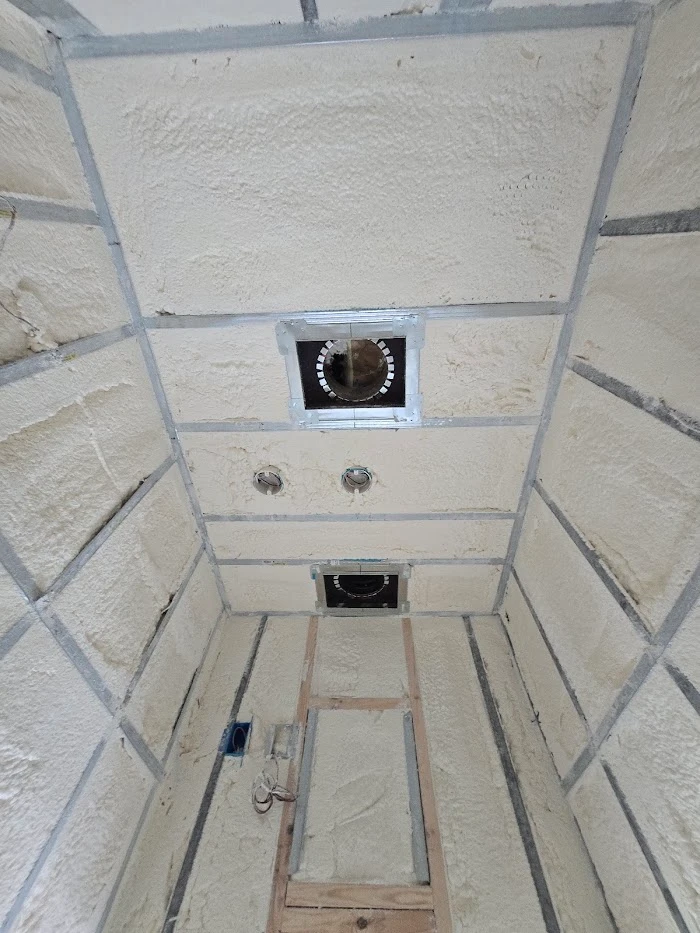
[Bonus Tip] When soundproofing a room, do not ignore the outlets. Sound acts like water; it will leak through the smallest pinhole. Ask the installer to ensure foam is applied carefully around electrical boxes to seal those common weak points.

Insulation is the heavy lifter in soundproofing, but it works best as part of a system. To truly silence a room, consider the “weak links” in the wall assembly.
Windows and Doors: Even the best-insulated wall will fail to block noise if single-pane windows or hollow-core doors are present. Pairing spray foam insulation with double-pane, impact-resistant windows (standard in many Florida renovations) provides the highest level of noise reduction.
The “Stack Effect”: Sound often travels through the attic and down interior walls. This is known as the stack effect. By applying spray foam to the roof deck, you essentially put a “cap” on the house. This prevents noise from entering the attic space in the first place, stopping it from reverberating down into the bedrooms.
[Bonus Tip] If creating a home theater or recording studio, consider “decoupling” the drywall from the studs using resilient channels in addition to using open-cell spray foam. This breaks the path for vibration, offering studio-grade silence.
Creating a quiet home in Stuart, FL requires more than just standard building materials. The role of spray foam insulation extends beyond temperature control; it is a fundamental component of acoustic management. By sealing air leaks and absorbing sound waves, open-cell spray foam addresses the root causes of noise intrusion. Whether dealing with thunder, traffic, or noisy neighbors, this solution offers a permanent upgrade to the home’s quality of life. Homeowners should assess their specific noise sources and consult with professionals to determine the correct application for their property.
If outside noise is disrupting the peace in your home, it is time to consider a permanent solution. ALL IN OVERHALL specializes in advanced spray foam applications that deliver superior soundproofing and energy efficiency. Stop letting traffic and weather dictate the comfort of your living space.
Contact ALL IN OVERHALL today:
No insulation can block 100% of noise. Spray foam significantly reduces airborne noise (voices, music) and dampens vibrations, making outside noise sound distant and muffled. It brings loud environments down to manageable, comfortable levels.
Open-cell foam is generally better for soundproofing. Its softer, more porous nature effectively absorbs sound waves. Closed-cell foam is denser and can reflect sound, though it still provides a better barrier than fiberglass because of its air seal.
Yes, applying open-cell spray foam to the underside of the roof deck is highly effective at reducing rain noise. It acts as a shock absorber for the roof panels, stopping the “drumming” effect caused by heavy rain.
For an average-sized home in Stuart, the spraying process typically takes one to two days. This depends on the scope of work, such as whether existing insulation needs to be removed first.
Spray foam is a permanent solution. Unlike fiberglass, which can sag and settle over the years, or cellulose, which breaks down, spray foam maintains its shape, density, and performance for the life of the building.