

All In OverHall is an insulation contractor in Stuart, FL that works with homeowners, builders, and commercial property owners. The team installs spray foam, fiberglass, and mineral wool insulation, and handles air sealing, attic insulation, crawl space work, and insulation removal. Good home insulation in Stuart, FL depends on slowing the heat moving through attics, ceilings, and walls, so rooms stay more comfortable through the long cooling season and your air conditioner does not have to work as hard. Projects include single-family homes, new construction, and commercial buildings, and every quote is free of charge. Call (561) 406-3835 to discuss your insulation project in Stuart, FL.



Stuart is uniquely positioned along Florida's Treasure Coast, bordered by the St. Lucie River and the Atlantic Ocean. This coastal setting creates a humid subtropical environment where summers are long, intense, and exceptionally wet. According to NOAA's 1991–2020 climate normals for Stuart, afternoon high temperatures in July average 90.9°F, while strong moisture inflow from surrounding waters contributes to an average annual rainfall of about 62.7 inches. These conditions lead to persistent heat stress and high indoor humidity levels throughout the extended summer season, which is why many owners ask about energy-efficient insulation Stuart, FL contractors recommend.
That heat bakes the roof, and a thinly insulated attic passes much of it into the rooms below, so cooling systems run longer. Humid air also leaks through gaps in ceilings and walls, which makes air sealing as important as insulation depth. Under the Florida Energy Conservation Code, Martin County is in Climate Zone 2, where the standard ceiling insulation level for new homes is R-38, a useful benchmark when checking the attic insulation Stuart, FL homeowners already have.

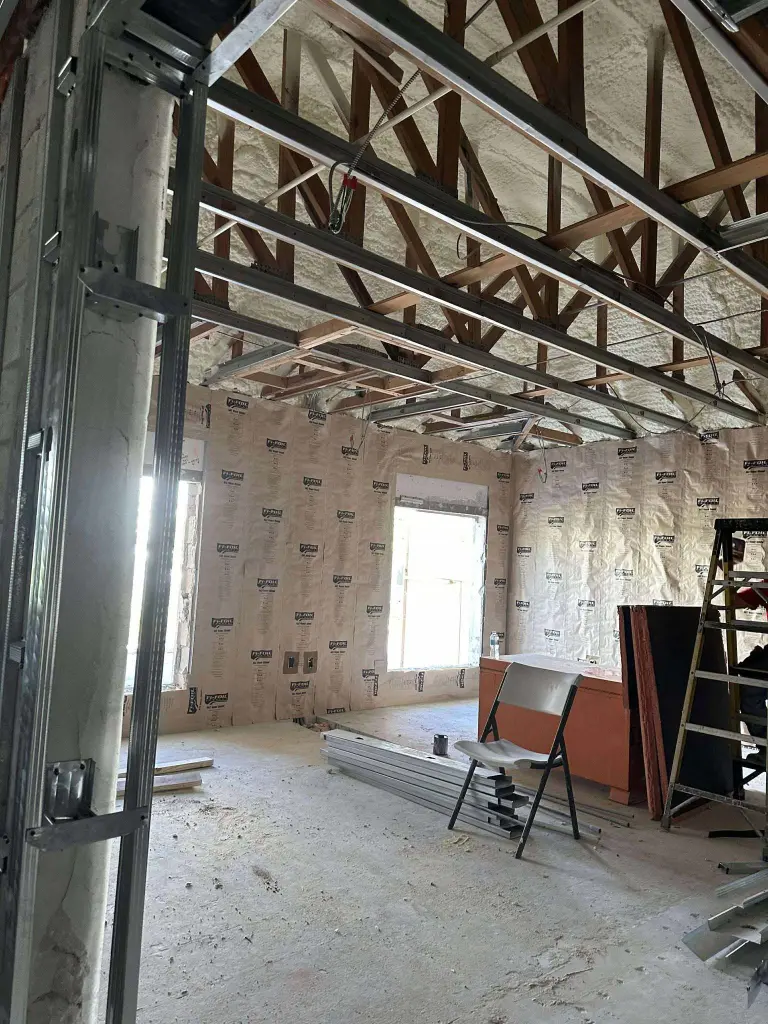
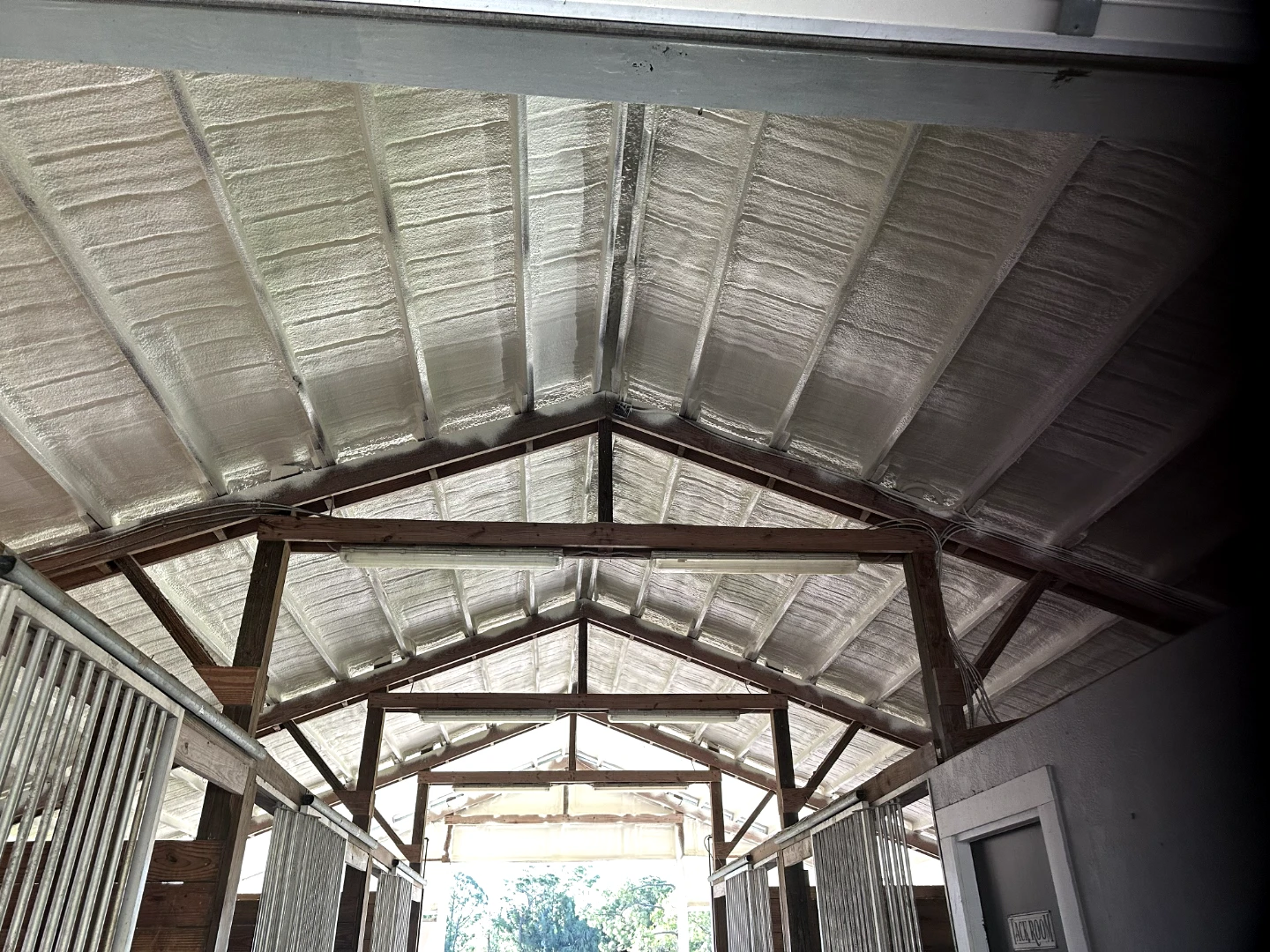
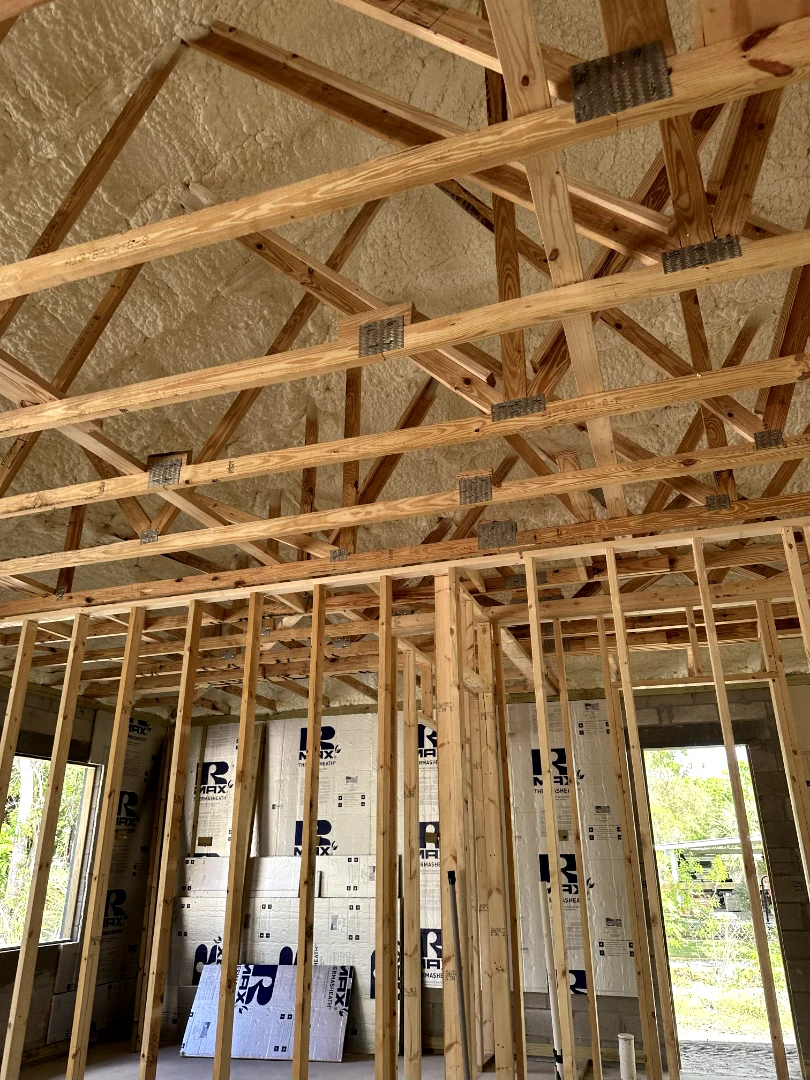


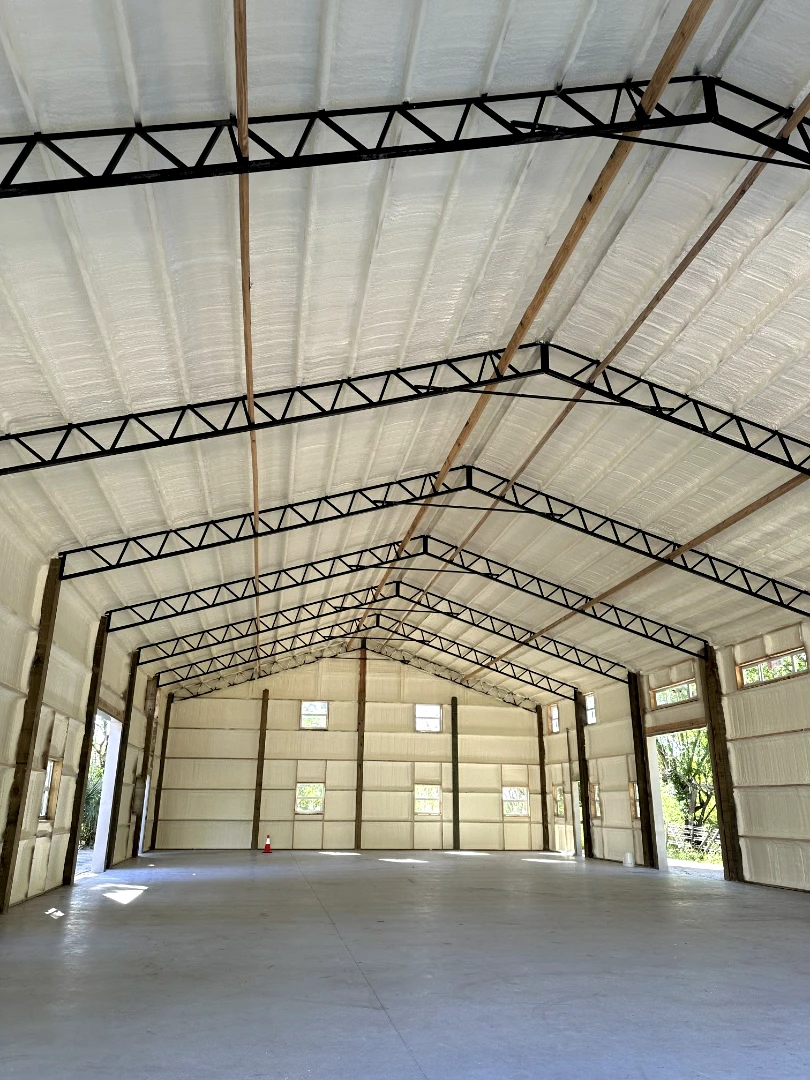
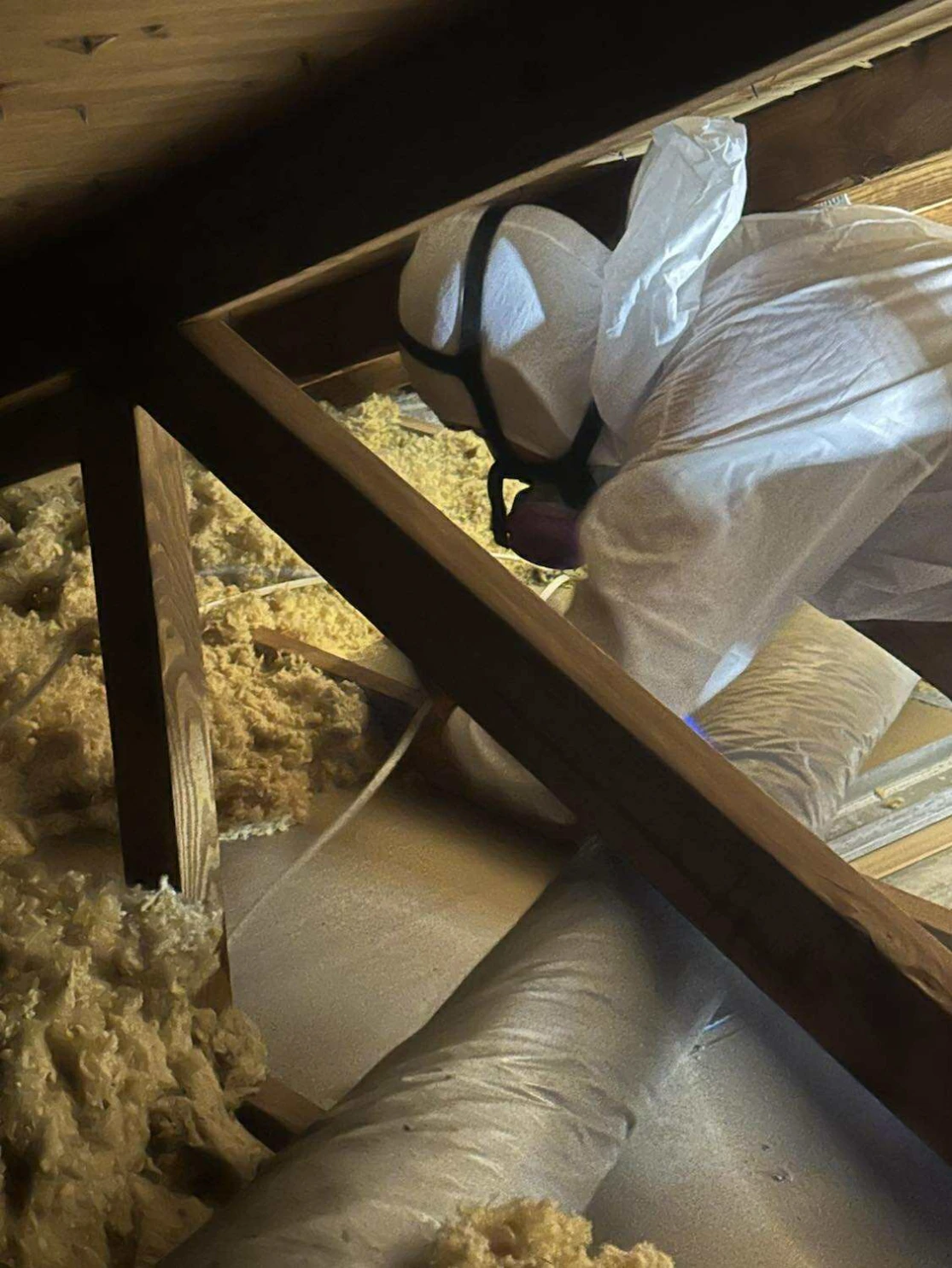
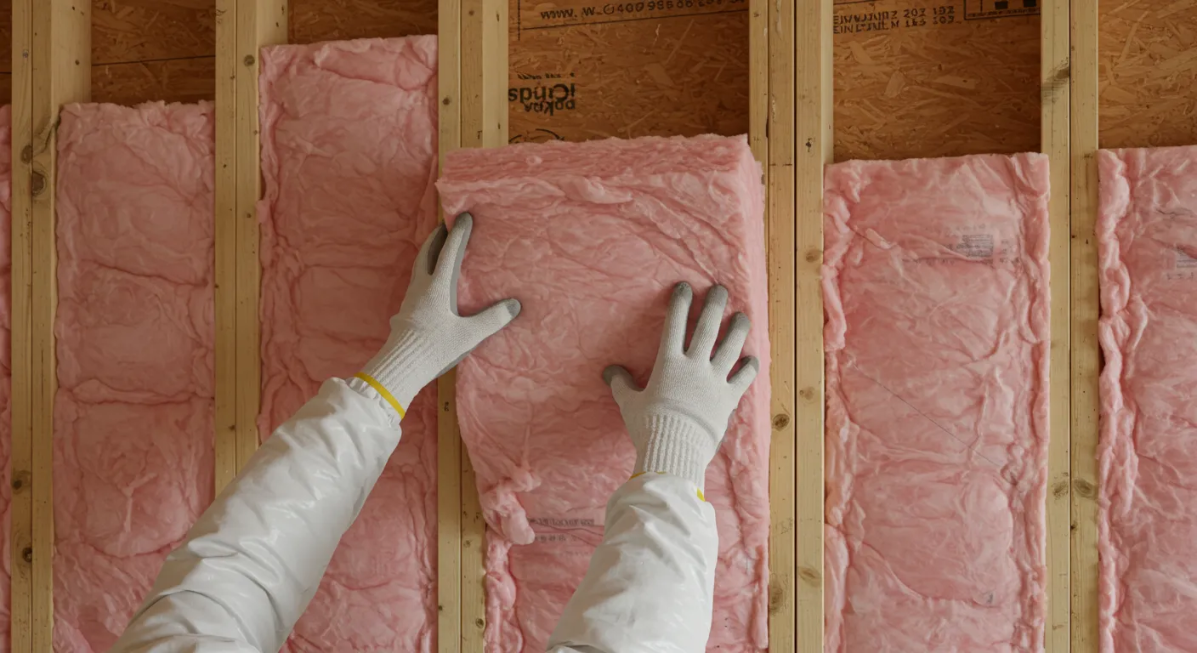


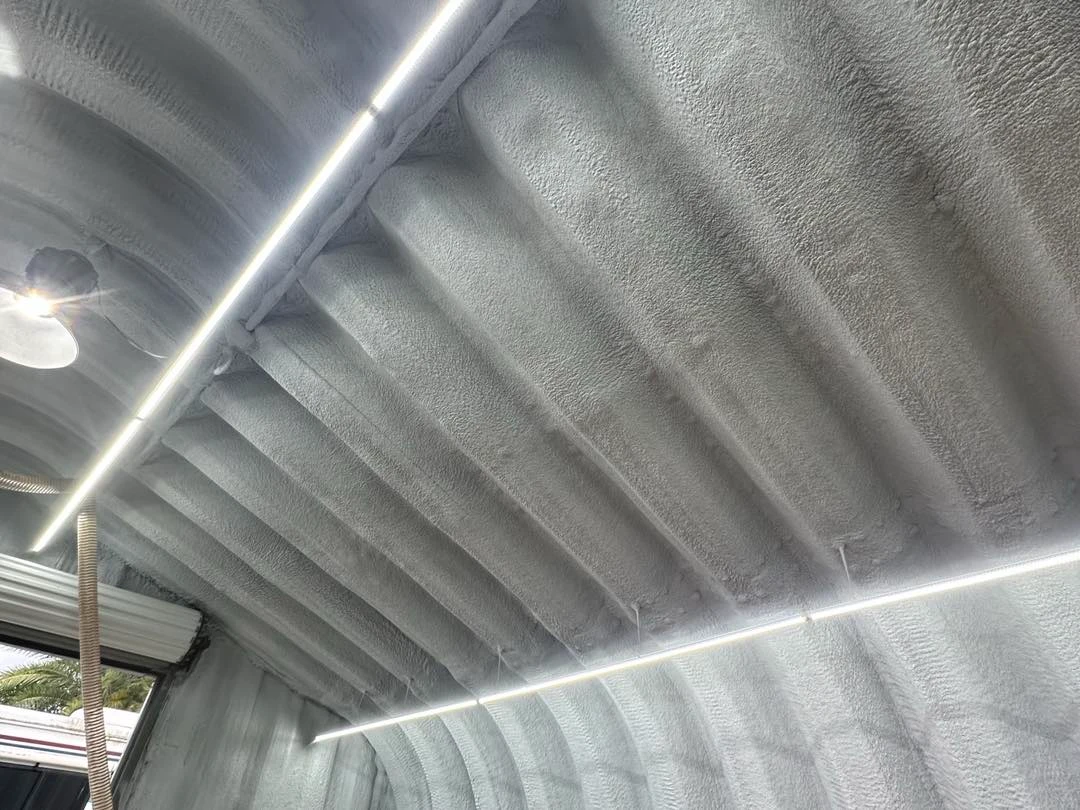
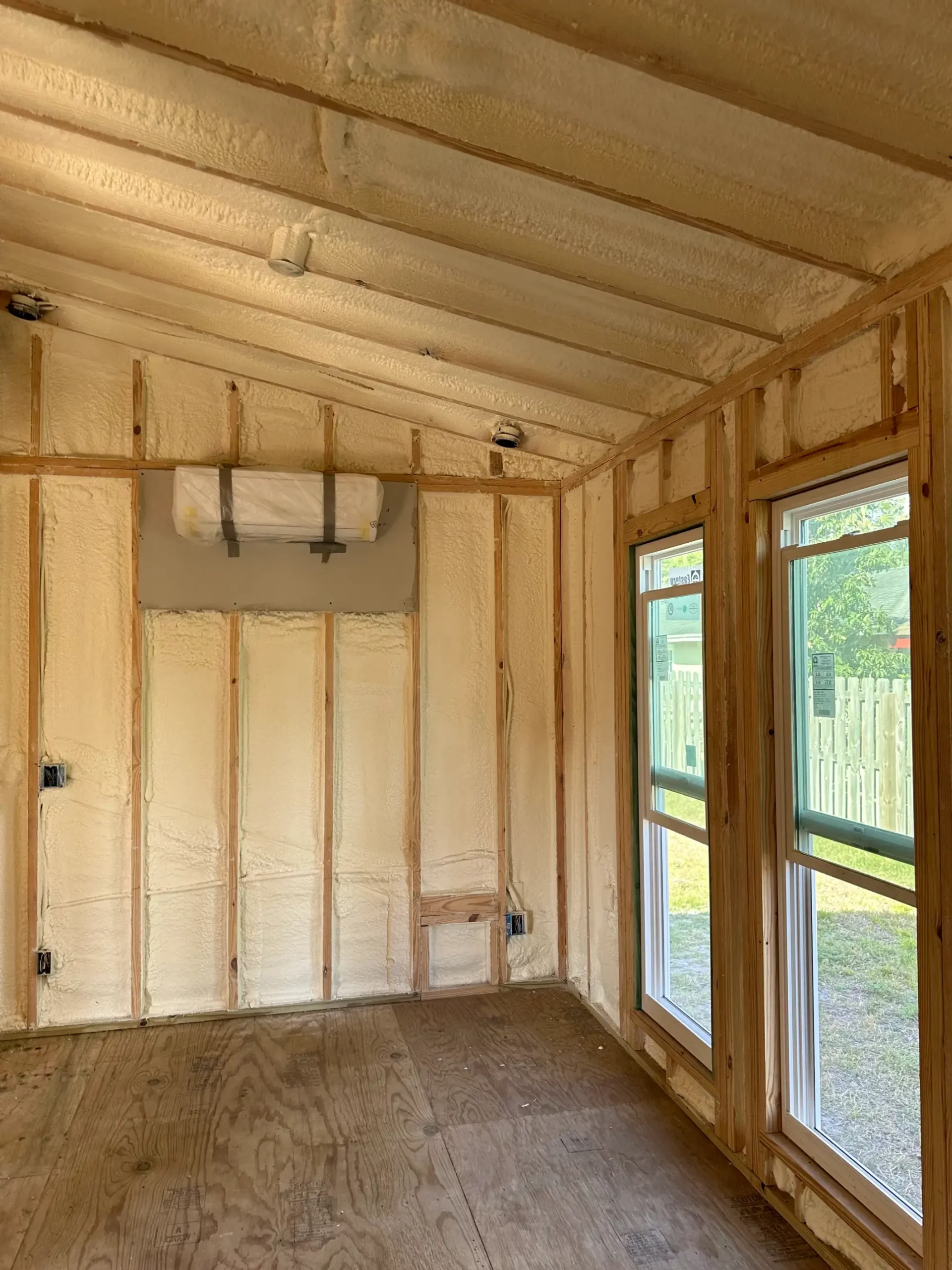
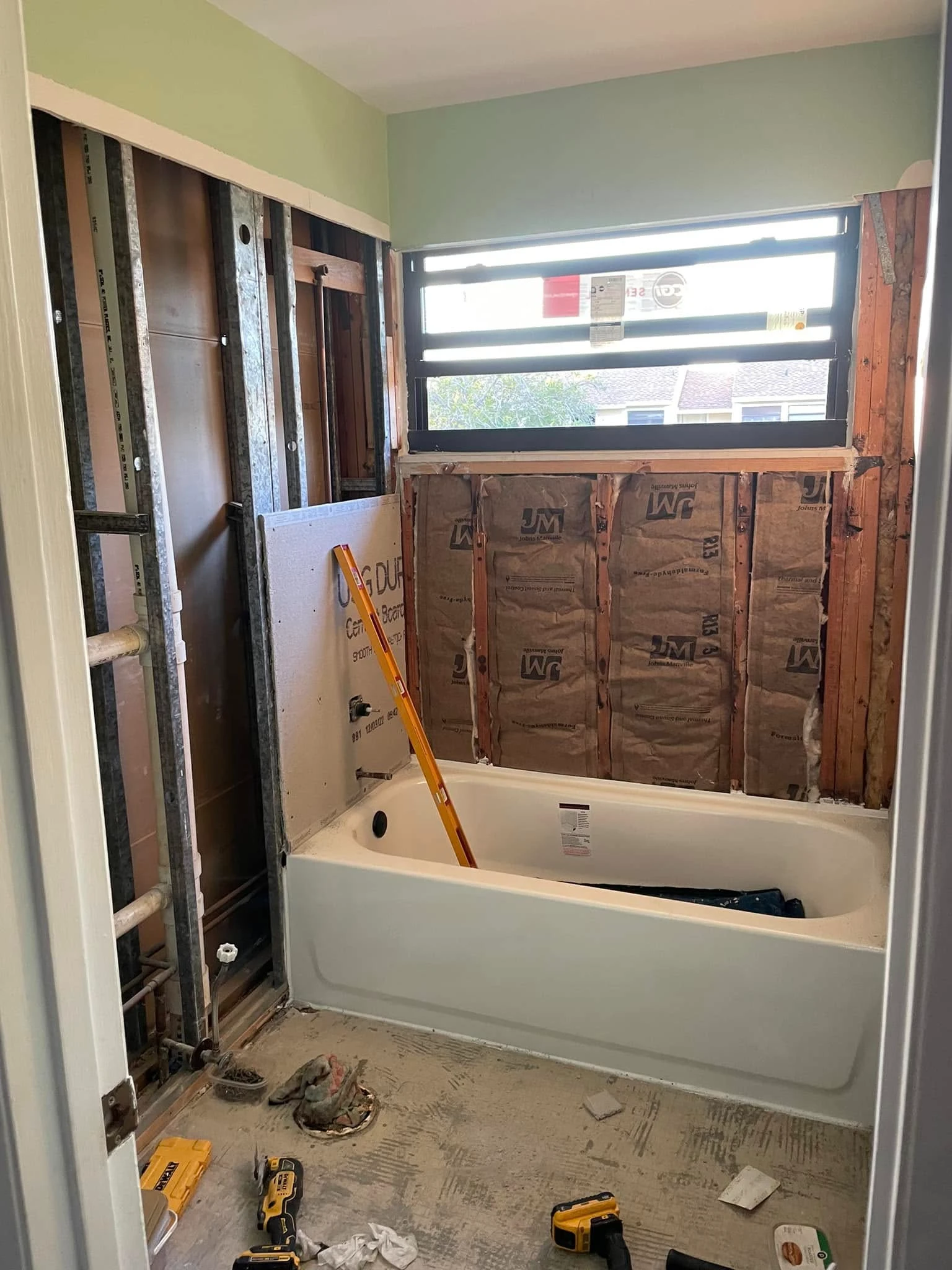
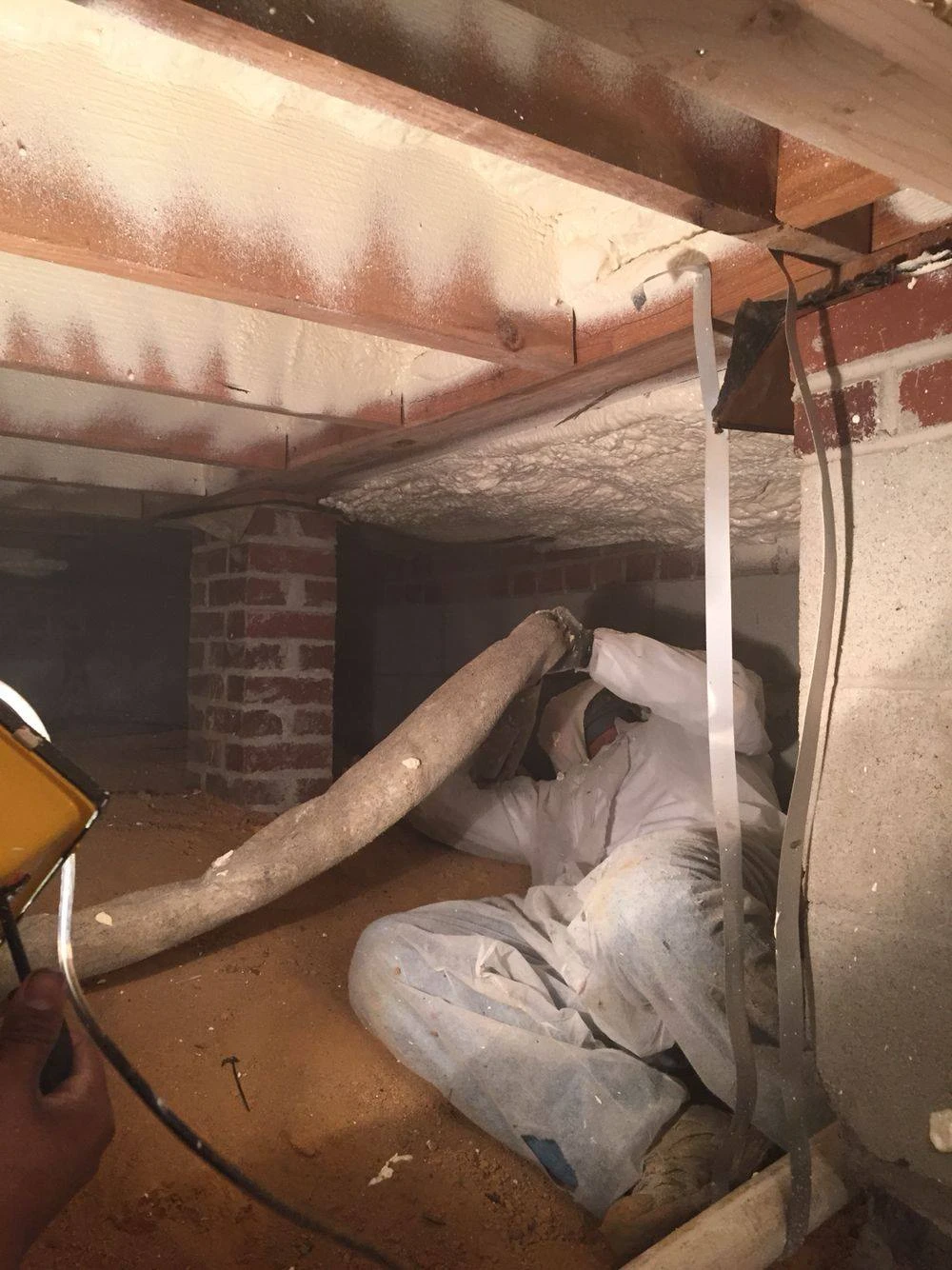
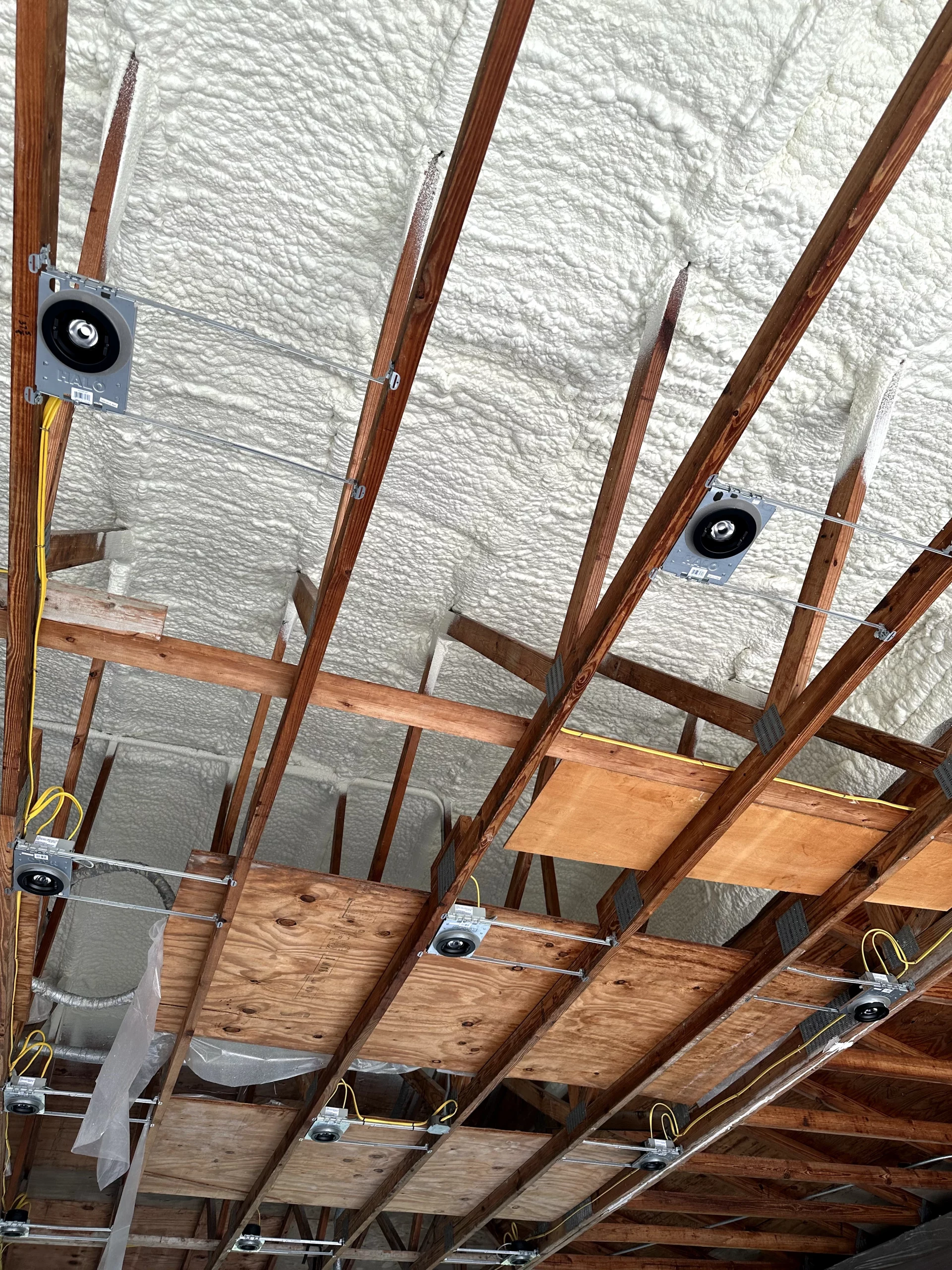
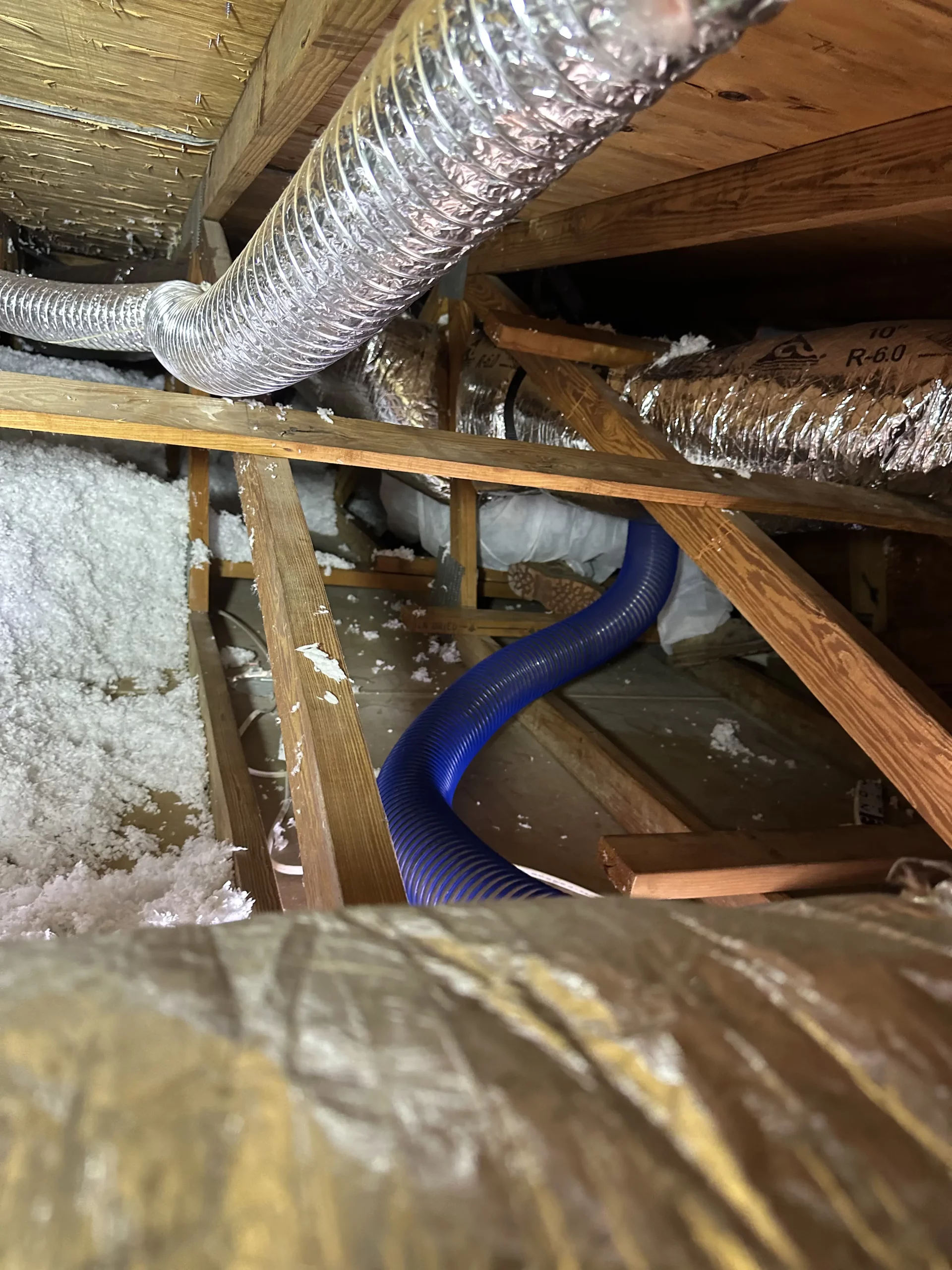
Get a free quote on the attic, wall, or spray foam work from All In OverHall. Talk through your project with the team today.
Call (561) 406-3835 for a Free Quote
All In OverHall is an insulation company that Stuart, FL homeowners, builders, and commercial property owners can call, established in March 2022. It provides insulation services Stuart, FL customers rely on, working as a residential insulation contractor Stuart, FL houses depend on and as a commercial insulation contractor Stuart, FL shops, offices, and warehouses can hire. Customers can request insulation installation for Stuart, FL buildings with a free quote first, so the scope and cost are clear before work begins.
Long, humid summers put steady demand on Stuart buildings, and the right energy-efficient insulation Stuart, FL properties need helps carry part of that load. All In OverHall serves Stuart and nearby areas including Taylor Creek, Ancient Oaks, Basinger, Basswood, Cypress Quarters, Upthegrove Beach, Belle Glade, Pahokee, South Bay, and Moore Haven. Tell us about your project, and you will get a free quote.
Call (561) 406-3835 or email [email protected].
Both types are used in sealed attics. Research from the University of Central Florida's Florida Solar Energy Center and from the University of Florida with Oak Ridge National Laboratory found roof-sheathing moisture was generally acceptable in unvented attics in hot, humid climates. Closed-cell foam is considered less prone to moisture problems than open-cell foam, so the roof design and the budget usually decide which one fits.
The time depends on the product. The U.S. Environmental Protection Agency advises following the manufacturer's re-occupancy instructions for the specific foam used. Ask for those instructions before the job so you can plan where people and pets will stay.
It can when the old material is dry, clean, and free of mold, pests, and damage. Wet, moldy, or contaminated insulation should be removed before anything new goes in. An inspection of the attic shows which case applies.
The Federal Emergency Management Agency advises removing drywall and insulation that came into contact with flood water. Wet insulation holds moisture against the framing and does not dry out well in place. Remove it first, let the cavity dry fully, then install new material.
A sealed attic has the insulation at the roof deck, so the attic is treated as part of the conditioned space and the vents are not used for airflow. The exact requirements come from the building code, the roofing manufacturer, and the foam manufacturer. Confirm them for your roof before the vents are closed off.
Requirements vary by the type of project and the permitting office. Check with your local building department before work begins, especially for new construction or a change to the roof or attic design. Ask the contractor what paperwork the job needs when you request your free quote.


