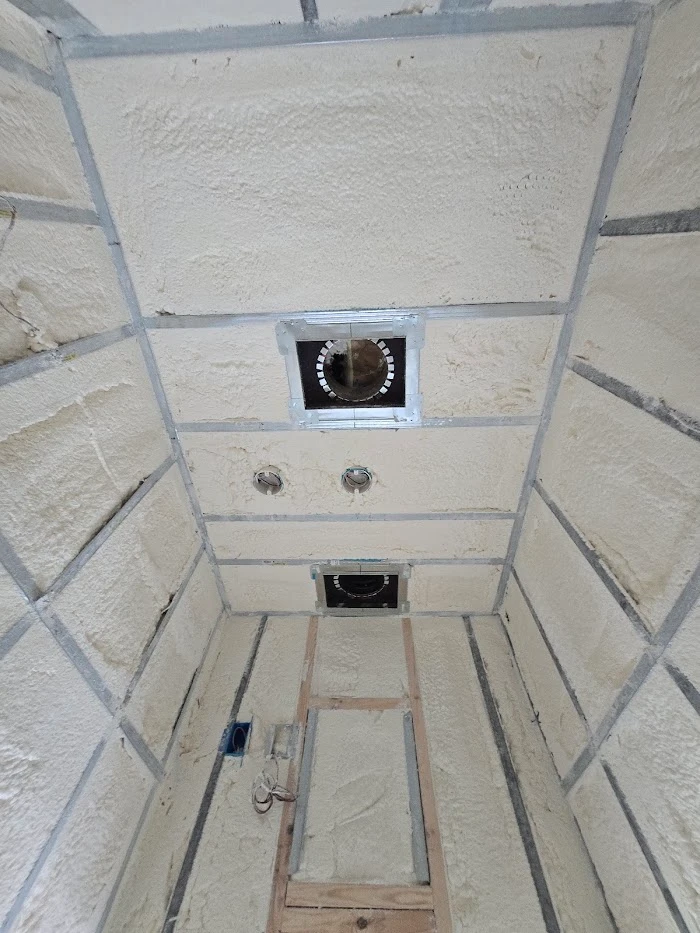
Why Closed-Cell Spray Foam Insulation Is Ideal for Indoor Pools in Lantana, FL
Closed-cell spray foam insulation stands out as the optimal solution for indoor pools in Lantana, Florida, due to its exceptional…


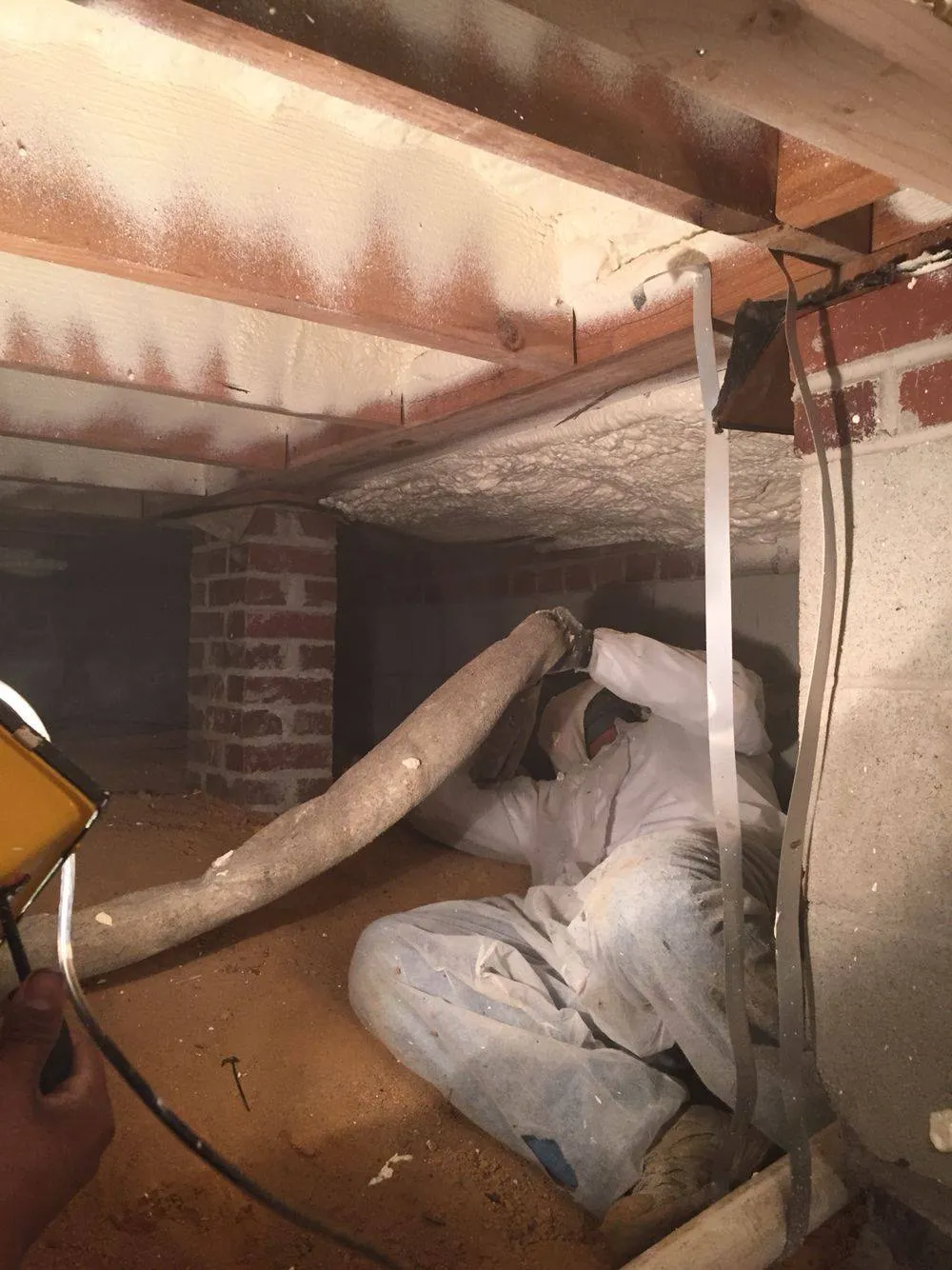
Spray foam insulation keeps indoor air fresher by creating a continuous, airtight barrier that physically blocks outdoor pollutants, moisture, and allergens from entering your home. Unlike fiberglass or cellulose, which primarily slow down heat transfer, spray foam expands to fill gaps and cracks in your building envelope. This sealing process prevents the infiltration of humid, contaminant-heavy air, a specific necessity in Indiantown’s sub-tropical climate, where high humidity and mold spores are constant external threats.
For homeowners in Martin County, controlling air movement is the most effective way to manage indoor air quality (IAQ). When unconditioned air leaks into your living space, it brings in dust, pollen, and excess moisture that can fuel mold growth. By establishing a superior air seal, ALL IN OVERHALL ensures your HVAC system filters the air effectively rather than battling a constant stream of outdoor pollution. This structural defense creates a cleaner, healthier, and more consistent indoor environment year-round.
Most people assume their home is a haven from pollution, but the reality is often different. A report from the Environmental Protection Agency indicates that indoor air can be two to five times more polluted than outdoor air. This accumulation occurs because traditional homes “breathe” through hundreds of tiny cracks in the attic, walls, and crawl spaces.
In Indiantown, this “breathing” effect sucks in hot, humid air through the attic and pushes conditioned air out through the roof, a process known as the stack effect. This airflow acts like a vacuum, pulling in:
Spray foam eliminates this issue by sealing the building envelope. When the envelope is tight, you gain control over the air you breathe. Your air conditioning system can then focus on cooling and filtering internal air rather than constantly trying to condition hot, dirty air leaking in from the outside.
In Florida, moisture management is not just about comfort; it is a health requirement. Indiantown experiences “oppressive” humidity for nearly half the year, often exceeding 70% relative humidity. When this moisture infiltrates your walls and settles on cool surfaces (like the back of drywall in an air-conditioned room), it creates the perfect breeding ground for mold.
According to the Centers for Disease Control and Prevention, mold exposure can cause nasal stuffiness, throat irritation, coughing, and wheezing. Traditional insulation like fiberglass does not stop moisture; in fact, the paper backing on fiberglass batts can sometimes support mold growth if it gets damp.
Closed-cell spray foam is particularly effective here because it acts as both insulation and a Class II vapor retarder. It stops moisture from passing through your walls and roof deck. By keeping the humidity out of your wall cavities, you remove the water source that mold spores need to survive.
The table below outlines how different insulation materials perform with respect to factors that influence indoor air quality in our specific climate.
| Feature | Closed-Cell Spray Foam | Open-Cell Spray Foam | Fiberglass Batts | Cellulose (Blown-In) |
|---|---|---|---|---|
| Air Seal Quality | Excellent (Impermeable) | Excellent (Air Impermeable) | Poor (Air Permeable) | Fair (Settles over time) |
| Moisture Barrier | Yes (Class II Vapor Retarder) | No (Permeable to vapor) | No (Absorbs moisture) | No (Absorbs moisture) |
| Food Source for Mold | No (Inert material) | No (Inert material) | Potential (Paper backing/dust) | Potential (Organic paper base) |
| Pest Deterrent | High (Hard, dense barrier) | Moderate | Low (Easy to nest in) | Moderate (Treated chemically) |
| Allergen Blocking | Maximum | High | Low (Allows airflow) | Low (Dusty installation) |
For families with asthma or allergies, the difference between a spray foam home and a traditionally insulated home is often immediately noticeable. The Asthma and Allergy Foundation of America recommends keeping indoor humidity below 50% to help prevent mold and dust mite growth.
Spray foam aids this goal in two distinct ways:
Before upgrading your insulation, evaluate these factors to ensure you get the best performance for your specific home.
1. Ventilation Strategy When you seal a home tightly with spray foam, you eliminate “accidental” ventilation (drafts). This is efficient, but it means you must ensure your home still gets fresh air. You may need to install a mechanical ventilation system, like an ERV (Energy Recovery Ventilator), which brings in fresh outdoor air while filtering it and removing humidity.
2. Condition of Existing HVAC A tighter home requires less energy to cool. If you install spray foam, your current air conditioner might actually be oversized for your new cooling load. An oversized AC unit will cool the house too quickly without running long enough to dehumidify the air. Consult with an HVAC professional to ensure your system matches your home’s new efficiency level.
3. Roof Deck Compatibility In Indiantown, where sun exposure is intense, applying spray foam to the underside of the roof deck (unvented attic assembly) is common. Ensure your roof warranty covers this application, as some shingle manufacturers have specific clauses regarding unvented attics.
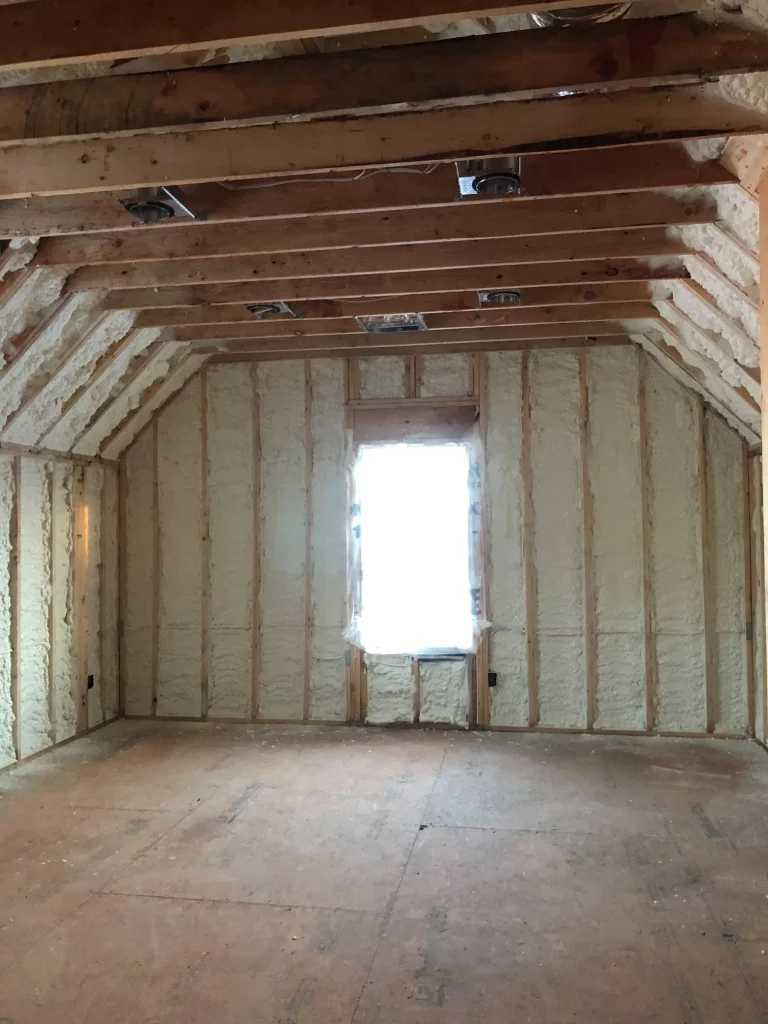
Spray foam insulation offers a transformative solution for Indiantown homeowners struggling with humidity, dust, and allergies. By sealing the building envelope, you stop the infiltration of pollutant-heavy outdoor air and gain control over your indoor environment. This proactive step not only protects your home from moisture damage but also ensures that the air your family breathes is cleaner, drier, and healthier.
Evaluate your current insulation situation and consider if an air-sealed home aligns with your long-term health and comfort goals.
If you are ready to improve your home’s air quality and energy efficiency, contact ALL IN OVERHALL today. We specialize in solutions tailored for the Martin County climate.
Reach out now to schedule a consultation and discover how proper air sealing can transform your home experience.
No, spray foam itself does not cause mold. It is an inert plastic that does not provide a food source for mold. In fact, by sealing air leaks and blocking moisture transfer, it significantly reduces the likelihood of mold growth compared to other insulation types.
The air sealing benefits of spray foam last for the life of the building. Unlike fiberglass, which can sag, settle, or degrade over time, spray foam adheres to the structure. It maintains its shape and seal indefinitely, providing long-term protection of indoor air quality.
It is possible to make a house tight enough that it requires mechanical ventilation. This is actually the goal of modern building science: “Build it tight, ventilate it right.” A tight house gives you control over air quality, whereas a leaky house leaves you at the mercy of the weather and outdoor pollutants.
Yes. A significant portion of household dust comes from the attic (insulation fibers and dust mites) and from the outdoors (soil and pollen). By sealing the attic and walls, you cut off these primary sources, resulting in noticeably less dust accumulation on furniture and floors.
Both provide an excellent air seal. However, closed-cell foam provides a vapor barrier and greater structural strength, offering superior protection against Florida’s high humidity and potential water intrusion during storms.