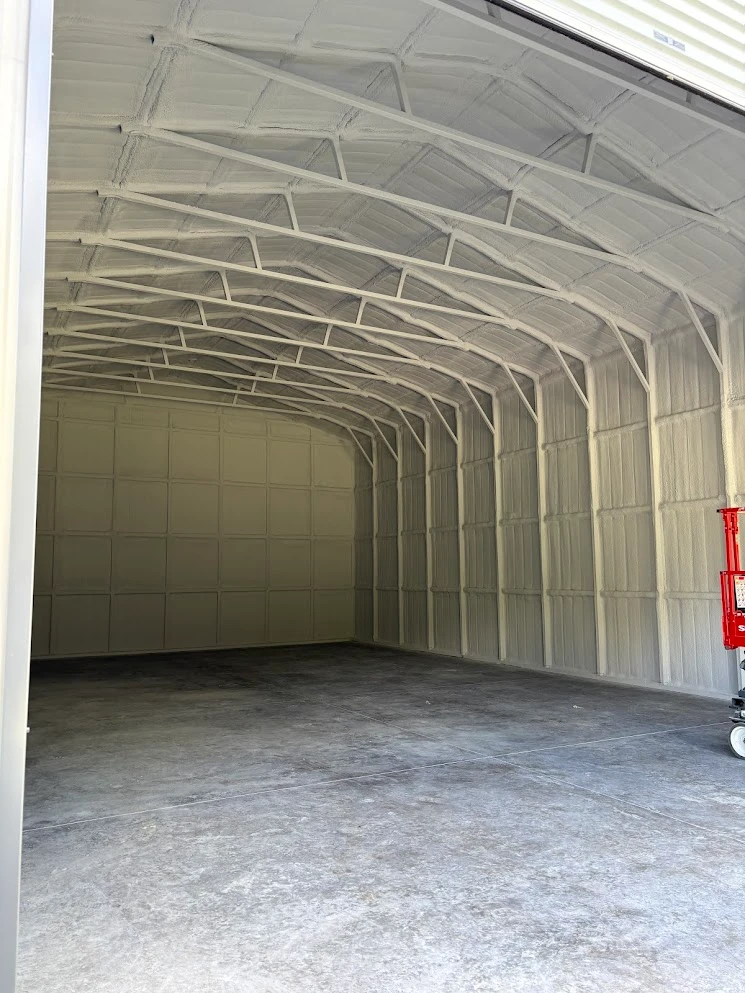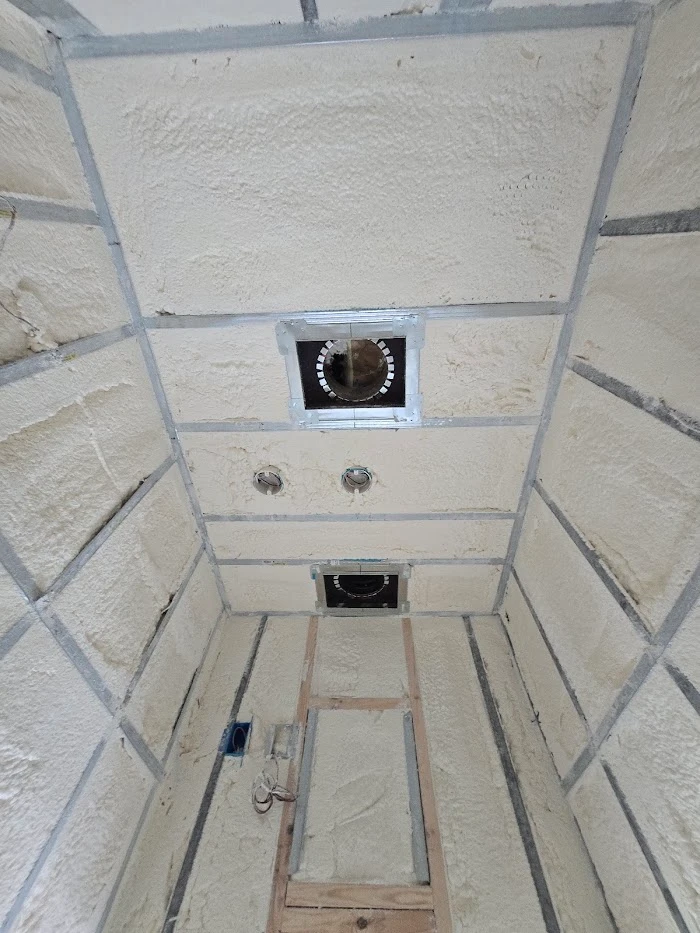
Why Closed-Cell Spray Foam Insulation Is Ideal for Indoor Pools in Lantana, FL
Closed-cell spray foam insulation stands out as the optimal solution for indoor pools in Lantana, Florida, due to its exceptional…

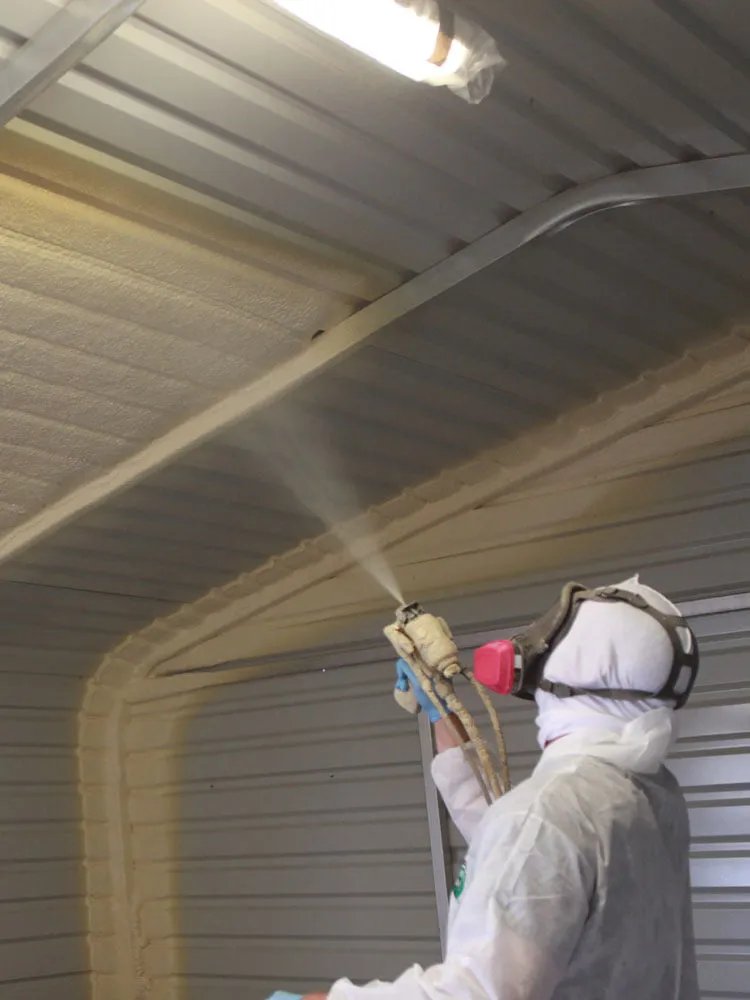
Most homeowners focus on aesthetic upgrades like granite countertops or hardwood floors during a renovation, but the most impactful improvement often hides behind the walls. Spray foam insulation is the single most effective upgrade for energy efficiency because it performs two critical functions simultaneously: providing high thermal resistance and creating an airtight seal. Unlike traditional fiberglass batts that only filter air, spray foam expands to fill every crack and crevice, preventing the air leakage that accounts for a significant portion of monthly energy bills.
If you are opening up walls or updating your attic, now is the only practical time to address insulation issues that affect comfort and cost. Ignoring this step means locking in inefficiencies in the home for another 20 years. ALL IN OVERHALL specializes in helping homeowners understand how this technology transforms a building’s performance, turning drafty older houses into modern, energy-efficient structures.
Renovations offer a rare opportunity to access the “building envelope,” including the outer walls, roof, and foundation. This barrier controls the flow of heat, air, and moisture. In many older homes, the envelope is compromised by gaps around electrical outlets, plumbing pipes, and window frames.
Standard insulation materials like fiberglass or cellulose function like a wool sweater; they keep you warm, but wind blows right through them. Spray foam functions more like a windbreaker over that sweater. It stops the airflow entirely. A Department of Energy report indicates that air leakage can account for 25% to 40% of heating and cooling energy use. Eliminating these leaks during a renovation stops conditioned air from escaping and prevents unconditioned outdoor air from entering.
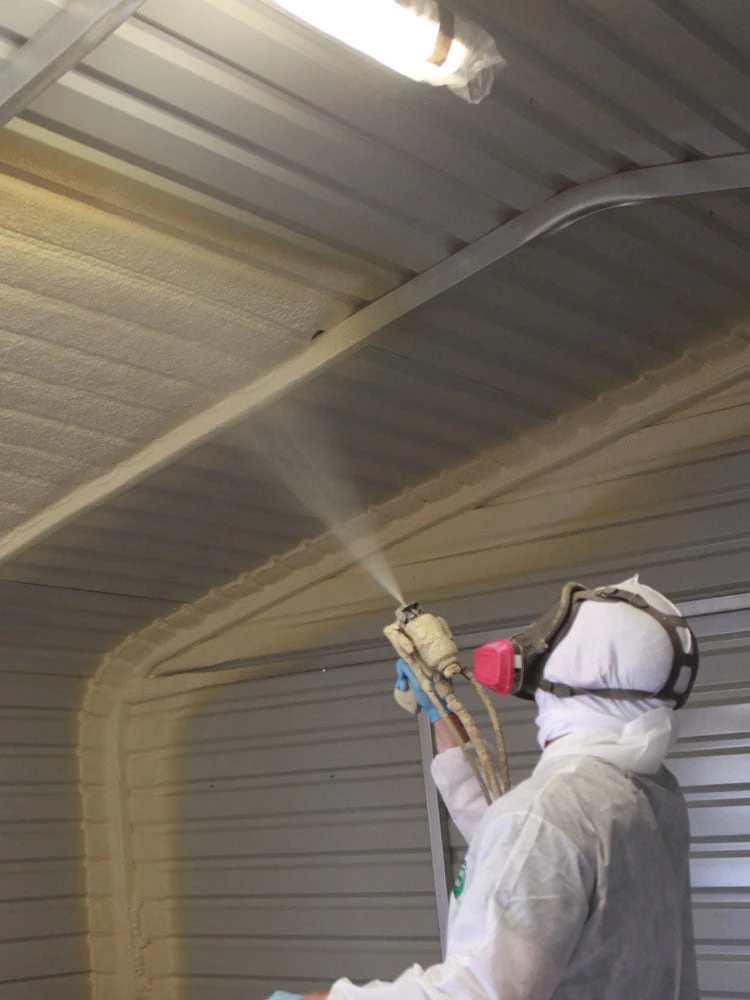
Spray foam insulation consists of two chemicals that react when mixed, expanding rapidly to fill the space where they are applied. This expansion allows the material to conform to irregular shapes, creating a continuous barrier that resists heat transfer.
There are two primary types of spray foam, each serving different needs based on the specific renovation project.
Choosing the right type depends on your budget, your climate, and the specific area of the house you are renovating. The following table breaks down the key differences to help you decide.
| Feature | Open-Cell Spray Foam | Closed-Cell Spray Foam |
|---|---|---|
| Structure | Soft, sponge-like, flexible | Rigid, dense, hard |
| R-Value (per inch) | R-3.5 to R-3.8 | R-6.0 to R-7.0 |
| Moisture Barrier | No (permeable to moisture) | Yes (impermeable air and vapor barrier) |
| Expansion Rate | High (expands 100x) | Low (expands 30-40x) |
| Best Application | Interior walls, soundproofing, and attics | Exterior walls, basements, crawl spaces |
| Cost | Lower upfront cost | Higher upfront cost |
Data adapted from technical specifications by Johns Manville and industry standards.
The primary financial argument for spray foam is the reduction in monthly utility costs. While the initial investment is higher than fiberglass, the return on investment is substantial. According to data cited by the Spray Polyurethane Foam Alliance, utilizing spray foam insulation can reduce heating and cooling costs by nearly 30% to 50% in some cases.
This efficiency comes from the high R-value per inch, particularly in closed-cell foam. R-value measures resistance to heat flow. A higher number means better insulation. Because closed-cell foam has an R-value of up to 7.0 per inch, it allows homeowners to achieve high energy efficiency even in older homes with shallow 2×4 wall cavities. This is often impossible with traditional materials, which require thicker walls to achieve the same performance.
Before committing to spray foam for your renovation, evaluate the following factors to ensure it aligns with your project goals.
If you are renovating a historic home, the framing might be irregular. Rigid insulation boards will not fit flush against warped studs, leaving gaps. Spray foam adapts to these irregularities perfectly. However, if you plan to move electrical wiring or plumbing later, remember that closed-cell foam hardens like concrete, making future in-wall changes difficult.
In humid climates or areas prone to flooding, closed-cell foam is superior because it resists water penetration. Open-cell foam can absorb moisture if a roof leak occurs, potentially masking the damage until it becomes severe. For basements and crawl spaces, closed-cell is almost always the correct choice to prevent mold growth and structural damage.
Bonus Tip: If you install spray foam in an attic, you are essentially sealing the “lid” of your house. This might require you to adjust your HVAC system, as the equipment will no longer need to work as hard to condition the space.
Spray foam costs more than other insulation types. You must view this as a long-term investment rather than a quick fix. Data from Ames Spray Foam Insulation suggests that the energy savings often pay for the installation cost within 3 to 5 years. If you plan to sell the home shortly after renovation, you might not recoup the full value, though energy-efficient homes are increasingly attractive to buyers.
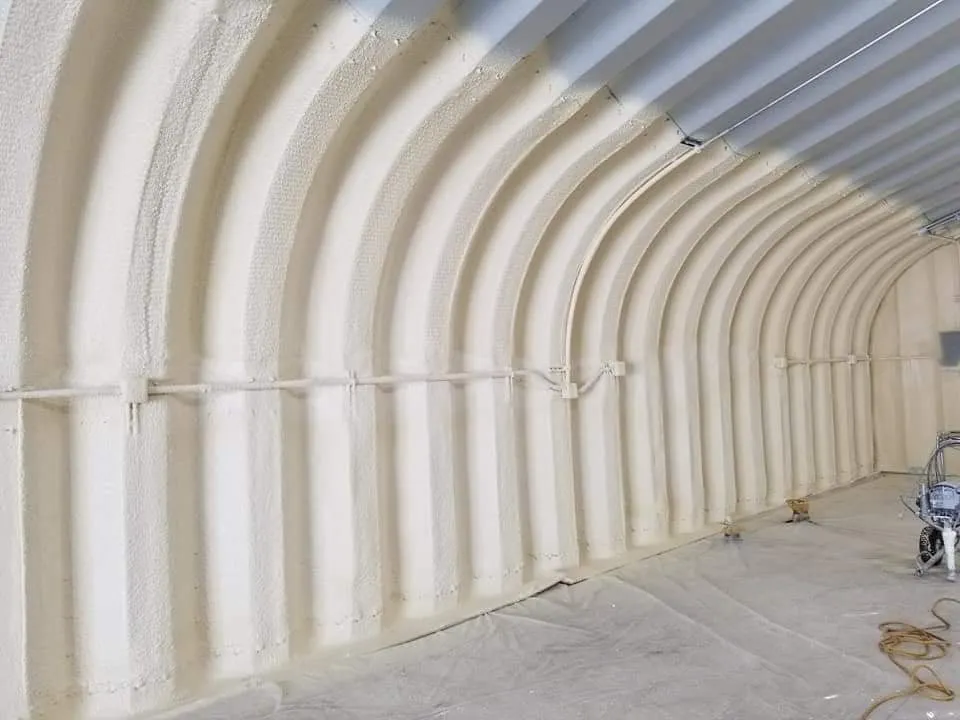
Renovating a home is about more than surface-level beauty; it is about improving how the house functions. Spray foam insulation offers a level of thermal protection and air sealing that other materials cannot match. It solves draft issues, reduces noise, strengthens the structure, and significantly lowers energy bills.
Before closing up your walls, evaluate your budget and long-term goals. If you want a home that remains comfortable year-round and costs less to operate, spray foam is the logical choice.
Your renovation deserves the best foundation for energy efficiency. ALL IN OVERHALL provides professional spray foam installation that maximizes comfort and savings. Don’t let your conditioned air escape through the cracks.
Contact ALL IN OVERHALL today:
Call us now to discuss your project and secure a more energy-efficient future for your home.
Yes, once the foam has fully cured and off-gassed, it is inert and safe. It does not release particles into the air like fiberglass.
No. “Froth kits” sold at hardware stores are for very small patch jobs only. Insulating a whole room or house requires expensive, complex machinery to heat and mix chemicals at precise ratios. Poor application can lead to uncured foam that smells permanently and must be mechanically removed.
Not if installed correctly. Closed-cell foam acts as a vapor barrier, preventing moisture from reaching the roof deck. If you use open-cell foam on a roof deck, your contractor may need to apply a vapor-retarder paint, depending on your local building codes.
Properly mixed and applied spray foam is dimensionally stable and will not shrink, settle, or sag like cellulose or fiberglass batt insulation.