4 mistakes to avoid when planning for open-cell spray foam insulation in 2026
admin-allinoverhall
January 19th, 2026
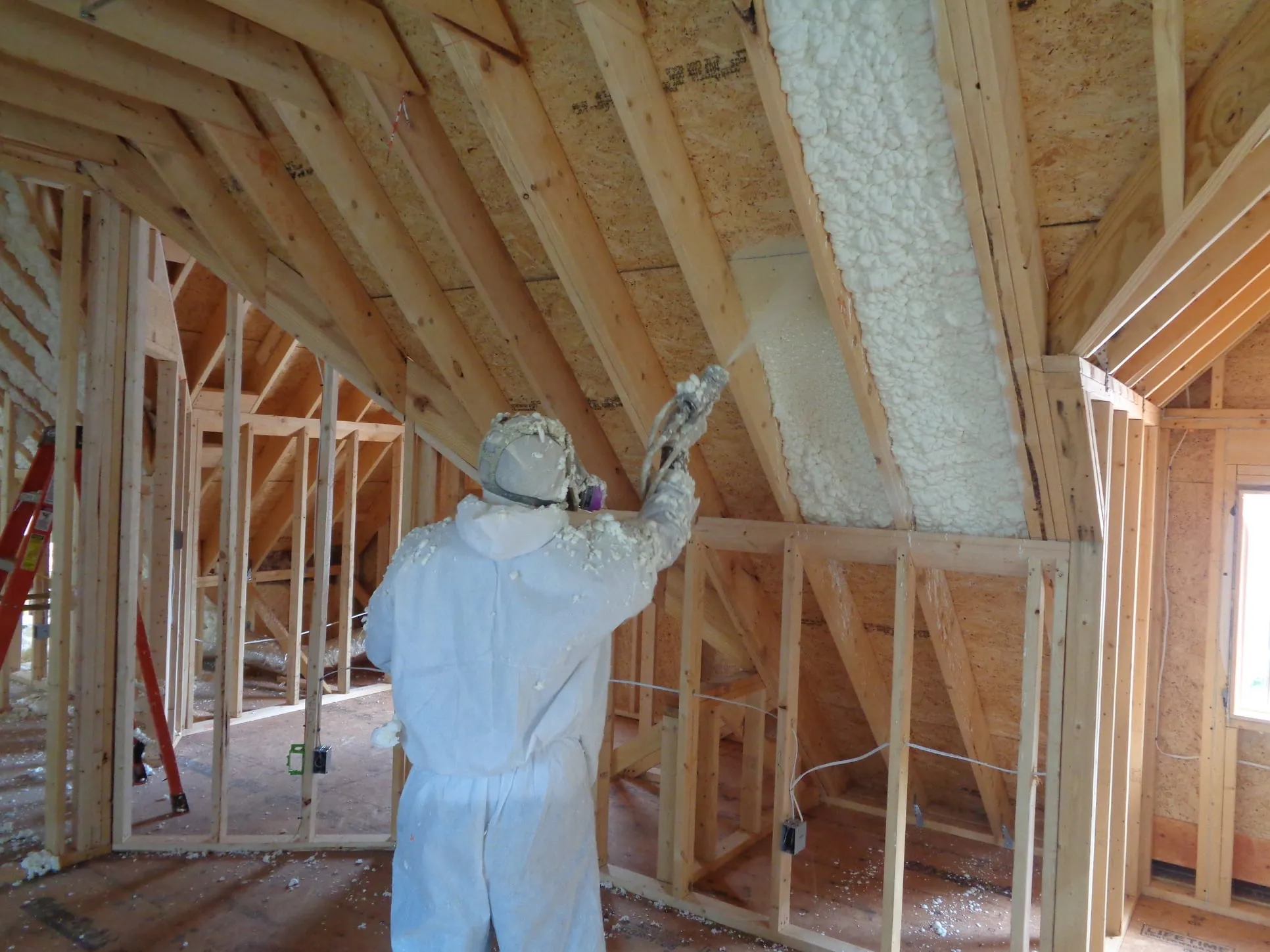
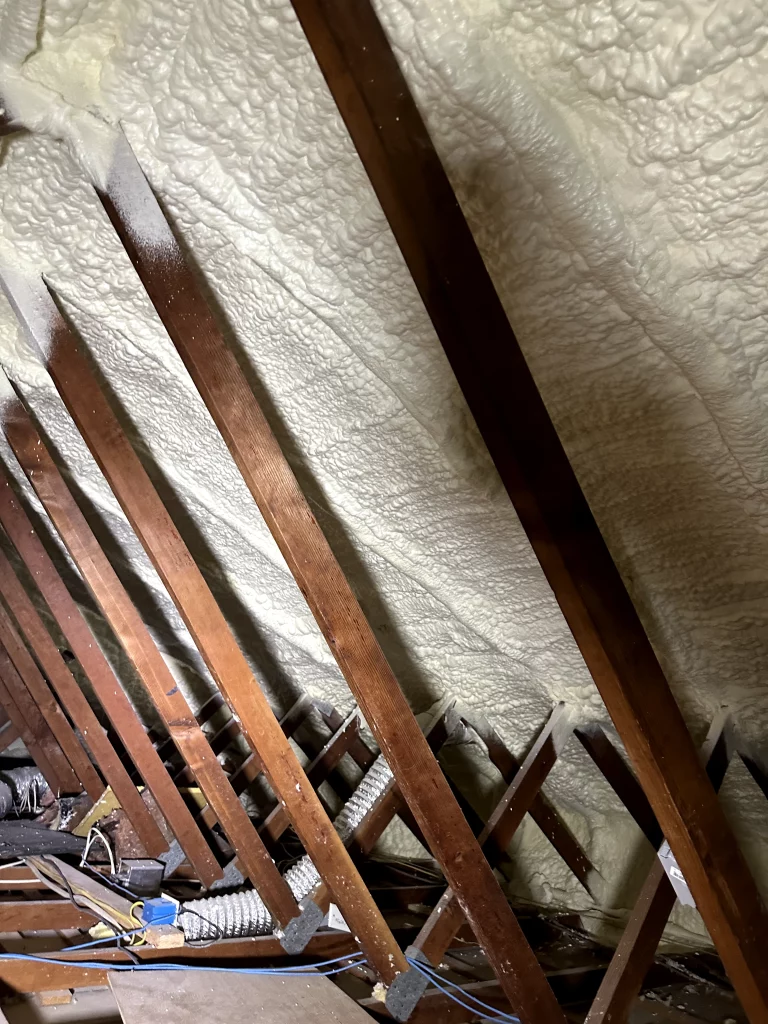
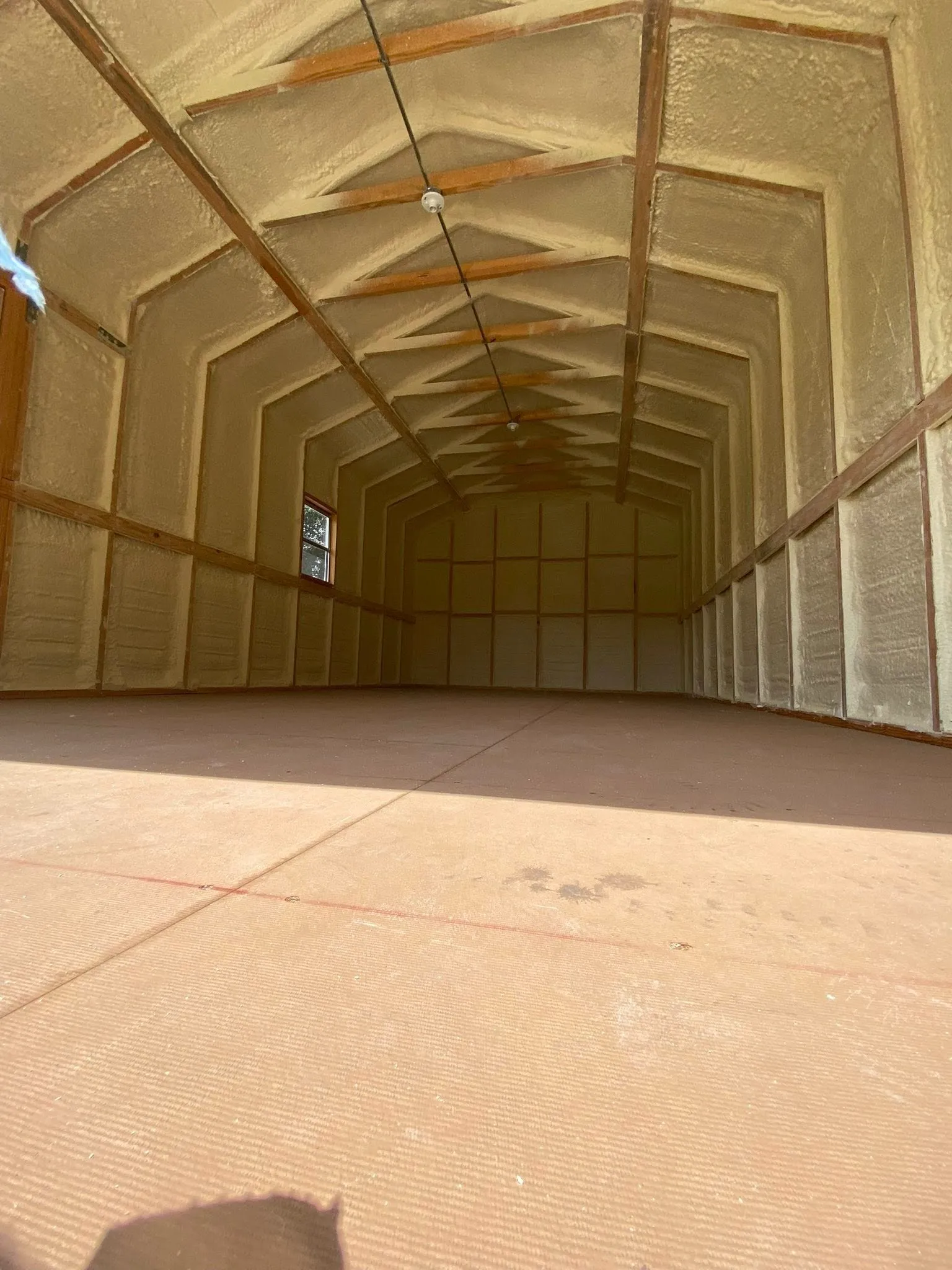
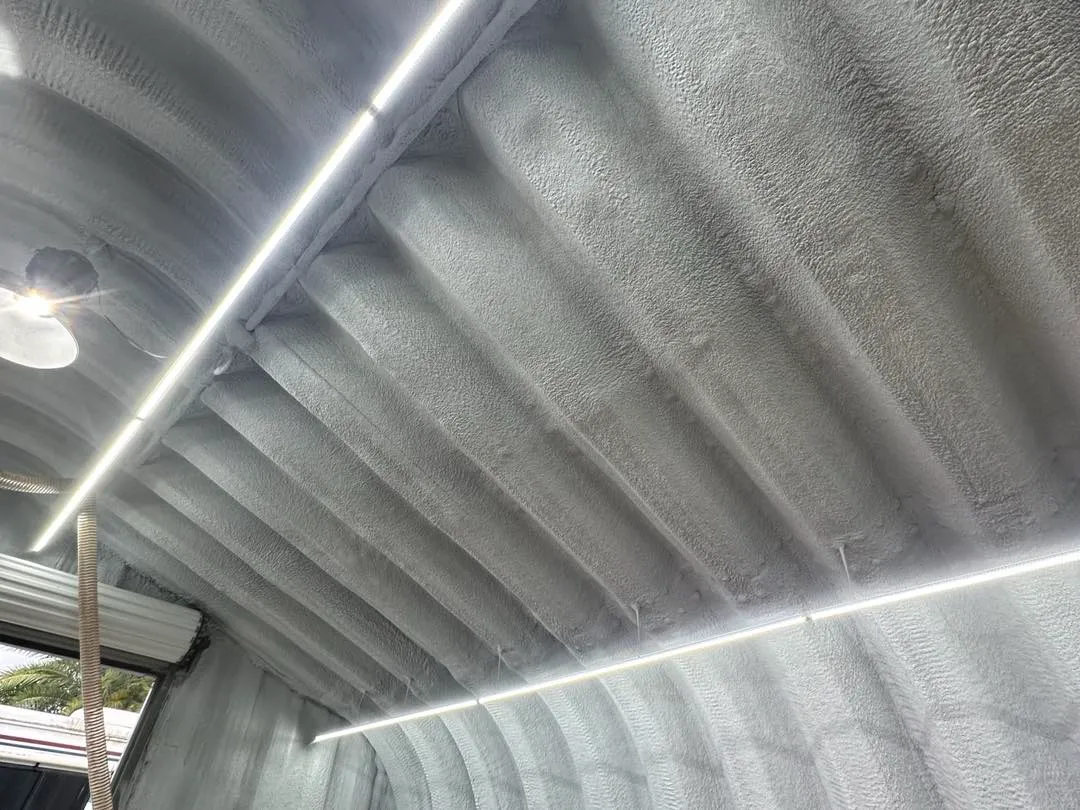
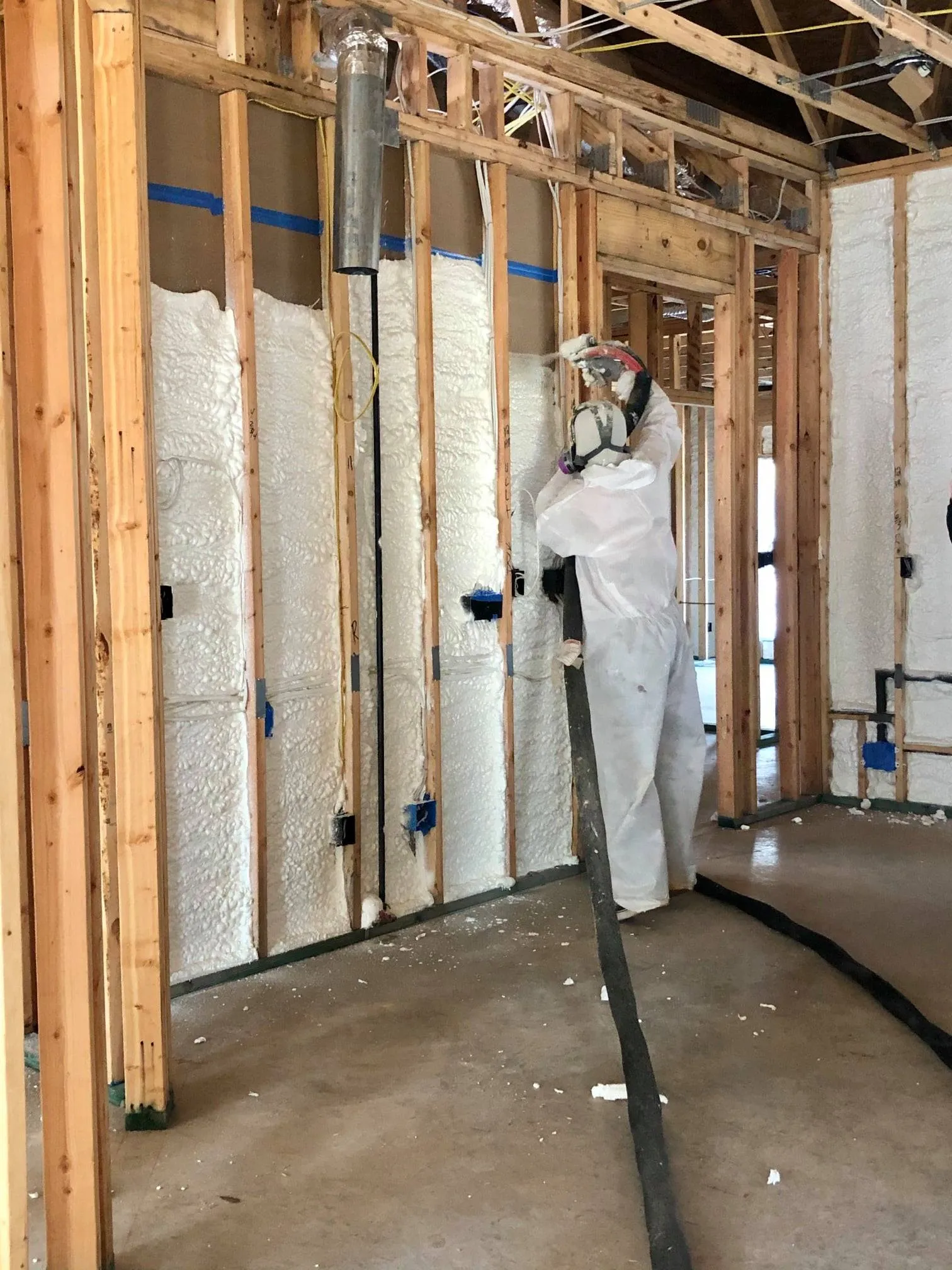
Planning for open-cell spray foam insulation requires careful consideration of several technical factors that many homeowners overlook. The four most common mistakes include improper air barrier planning, ignoring climate-specific requirements, inadequate moisture management strategies, and incorrect thickness calculations. These errors can lead to reduced insulation performance, potential moisture damage, and increased energy costs over time.
This guide provides practical insights based on years of field experience with spray foam installations across different climate zones. The information comes from hands-on work with various building types and insulation challenges, giving readers real-world knowledge they can apply to their projects.
Mistake 1: Overlooking air barrier integration
Open-cell spray foam serves as both insulation and an air barrier, but many homeowners fail to plan proper integration with other building components. The foam creates an airtight seal that significantly reduces air leakage, but it must be applied seamlessly around windows, doors, and other penetrations. Without proper detailing, gaps can develop that compromise the entire building envelope.
Air sealing effectiveness matters more than insulation thickness in many cases. Research from the Building Science Corporation shows that air leakage can account for 30-40% of a home’s energy loss. When planning open-cell foam installation, identify all potential air leakage points and create a detailed air sealing strategy before the foam arrives on site.
Bonus Tip: Create a checklist of all penetrations (plumbing, electrical, HVAC, windows, doors) and plan how the foam will seal each one. This prevents forgotten spots that could undermine air barrier performance.
Mistake 2: Ignoring climate-specific requirements
Open-cell spray foam performs differently across climate zones, and using the same installation approach everywhere leads to problems. In humid climates like Florida, the foam’s higher vapor permeability can help walls dry, but it requires careful exterior moisture management. In cold northern climates, interior humidity control becomes more critical to prevent condensation within the wall assembly.
Climate-specific planning affects everything from foam density to thickness requirements. According to data from the U.S. Department of Energy, properly selected insulation based on climate can save homeowners 10-15% on heating and cooling costs annually. The International Energy Conservation Code (IECC) provides minimum R-value requirements that vary by region, and these should guide your foam thickness decisions.
Regional Guidance: For coastal areas with high humidity, pair open-cell foam with a properly installed exterior water-resistant barrier and adequate ventilation. In cold climates, consider using closed-cell foam in specific locations like crawl spaces or rim joists where moisture control is critical.
Mistake 3: Poor moisture management planning
Open-cell spray foam is vapor-permeable, allowing moisture to move slowly through the material. While this helps walls dry and reduces trapped moisture risk, it requires thoughtful integration with your home’s overall moisture control strategy. Many homeowners focus solely on R-value while ignoring how moisture will move through their walls.
Moisture management involves three key elements: water control (keeping liquid water out), air control (preventing moist air from entering), and vapor control (managing water vapor diffusion). Open-cell foam handles air control excellently but allows vapor diffusion, so your exterior sheathing and interior finishes must work with this characteristic.
4 mistakes to avoid when planning for open-cell spray foam insulation in 2026 2
Comparison of moisture management approaches
Wall Assembly Component
Open-Cell Foam Strategy
Closed-Cell Foam Strategy
Exterior Sheathing
Requires proper weather-resistant barrier
Can serve as a vapor barrier
Interior Finish
Paint choices affect drying potential
Less impact on the wall drying
Flashing Details
Critical due to the foam’s air sealing properties
Still important but less critical
Cavity Ventilation
Less is needed with proper installation
Not typically required
Bonus Tip: Install a vapor-permeable interior paint in humid climates to allow walls to dry toward the interior if needed. In very cold climates, vapor-impermeable paint might be better to prevent interior moisture from reaching the foam.
Mistake 4: Incorrect thickness calculations
Many homeowners install the same thickness of open-cell foam throughout their home, missing opportunities to optimize performance and cost-effectiveness. Different areas of your home have different insulation needs based on exposure, structural elements, and local energy codes.
The International Energy Conservation Code (IECC) 2024 edition provides prescriptive R-value requirements that vary by climate zone and assembly type. For example, cavity insulation in walls in climate zone 3 (which includes parts of the Southeast) requires R-13 minimum, while climate zone 7 (northern Minnesota) requires R-20+. Open-cell foam typically provides R-3.5 to R-3.8 per inch, so thickness decisions should align with these requirements.
Market Data Insight: The spray foam insulation market is expected to reach $2.4 billion by 2027, with open-cell formulations representing approximately 40% of residential applications according to Grand View Research. This growth reflects increasing awareness of proper installation techniques.
Things to Consider Before Making a Decision
Before committing to open-cell spray foam insulation, evaluate your home’s specific needs and constraints. Start with an energy audit to identify your biggest heat loss areas and air leakage points. Consider your HVAC system type and capacity, as reduced air leakage and improved insulation might allow for smaller equipment.
Assess your budget versus long-term energy savings goals. Open-cell foam typically costs $0.50 to $1.00 per board foot installed, while closed-cell runs $1.00 to $2.00 per board foot. The higher upfront cost often pays for itself within 5-10 years through reduced energy bills.
Check local building code requirements and permit needs. Some jurisdictions have specific requirements for foam insulation, including ignition barriers or thermal barriers. Working with a knowledgeable contractor helps ensure compliance and proper installation techniques.
Getting Your Project Right
Planning open-cell spray foam insulation requires attention to air barrier integration, climate-specific requirements, moisture management, and proper thickness calculations. Avoiding these four common mistakes helps ensure your insulation performs as intended and provides long-term energy savings.
Evaluate your specific home conditions, climate zone, and performance goals before making insulation decisions. Consider working with professionals who understand spray foam installation techniques and local building requirements to achieve the best results for your situation.
Professional Guidance Available
For personalized insulation planning and installation services, contact All in OverHall at [email protected] or call (561) 406-3835. The team can assess your specific needs, recommend appropriate solutions, and ensure proper installation techniques for optimal performance in your home’s unique conditions.
Frequently Asked Questions
Does open-cell spray foam attract pests?
No, open-cell spray foam doesn’t attract pests. The material contains no nutritional value, and most insects don’t nest in it. However, pests can tunnel through it if they have access to wall cavities through other means.
Can open-cell foam be installed in existing homes?
Yes, open-cell foam works well for retrofit applications. Installers can drill holes in walls and inject the foam, making it ideal for upgrading insulation without removing existing drywall in many situations.
How long does installation take?
Typical residential installations take 1-3 days, depending on home size. The foam cures quickly, allowing same-day continuation of work in most areas. Complete curing takes about 24 hours.
Is open-cell foam affected by water damage?
Open-cell foam can absorb water if exposed directly, unlike closed-cell foam, which resists water absorption. However, the foam dries completely without losing its insulating properties once the water source is eliminated.
What maintenance does open-cell foam require?
Open-cell spray foam requires no regular maintenance once installed. The material remains stable and effective for the life of the building without degradation or performance loss over time.
Sources
Building Science Corporation – Research organization providing scientific information on building performance, including insulation and air sealing studies.
U.S. Department of Energy – Federal agency offering energy efficiency guidelines and insulation recommendations by climate zone.
Grand View Research – Market research firm providing spray foam insulation market analysis and growth projections.
Spray foam insulation outperforms traditional fiberglass batts primarily because it creates an airtight seal while providing superior thermal resistance. Unlike…
Cheap insulation solutions cost more over time through higher energy bills, frequent replacements, and potential property damage. In Wellington’s hot,…