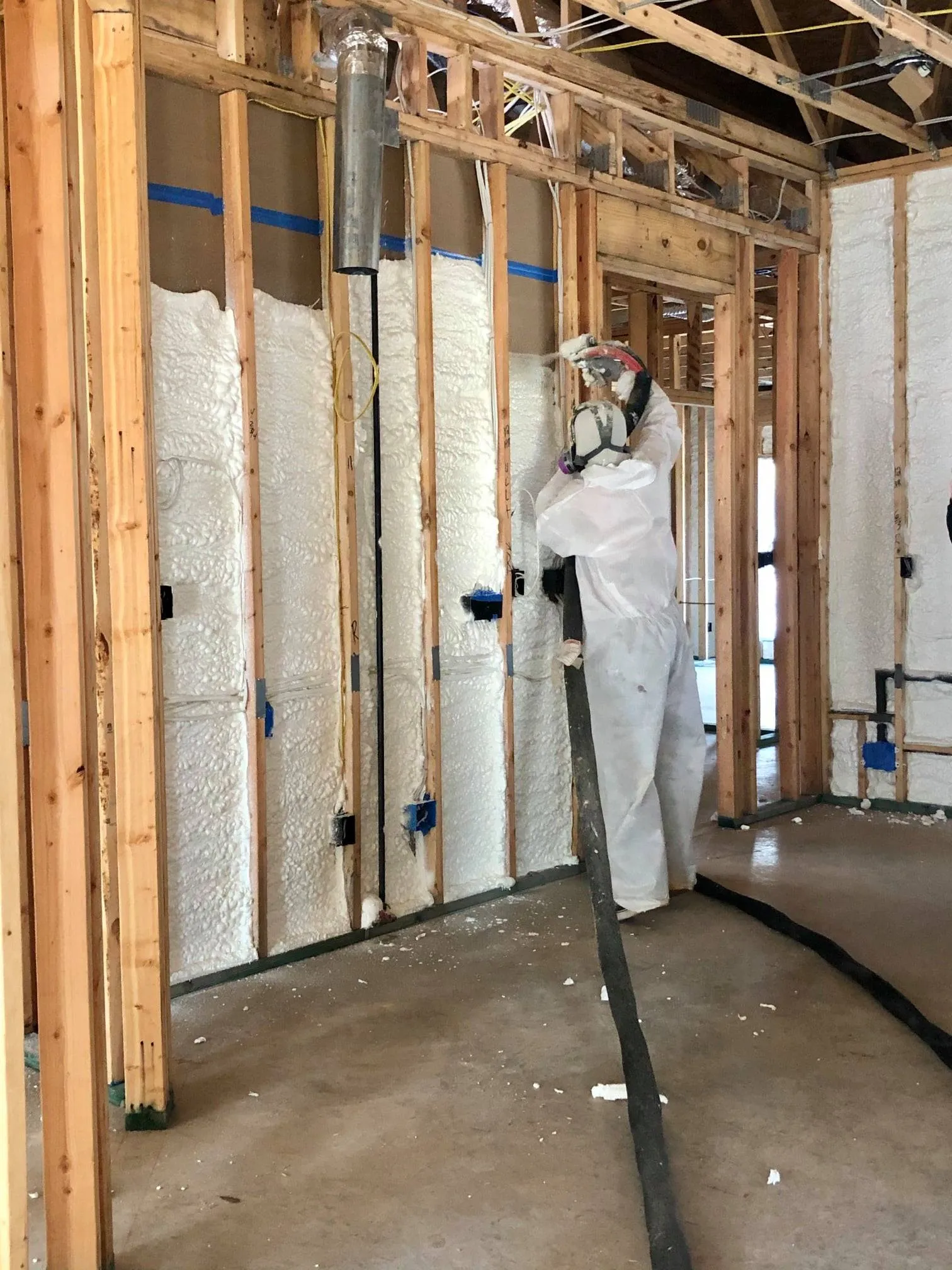
Why open-cell spray foam insulation is used in party walls between units in Palm Beach Gardens, FL
admin-allinoverhall
January 19th, 2026
Open-cell spray foam insulation is used in party walls between units in Palm Beach Gardens primarily for its superior sound transmission reduction and moisture management capabilities in Florida’s humid climate. This insulation type fills every cavity and crack, creating a continuous air barrier that significantly reduces noise transfer between adjoining units while allowing moisture to pass through and escape, preventing mold growth. The material’s unique combination of acoustic performance, moisture control, and thermal efficiency makes it particularly suited for multi-unit construction in South Florida’s demanding weather conditions.
Building professionals in Palm Beach Gardens face specific challenges when insulating shared walls between condominiums, townhouses, and apartment units. The hot, humid environment requires insulation solutions that address both comfort and durability concerns. This examination explains why open-cell spray foam has become the preferred choice for party walls in this region, covering technical performance, installation considerations, and practical decision factors for property owners and developers.
Technical advantages of open-cell foam for party walls
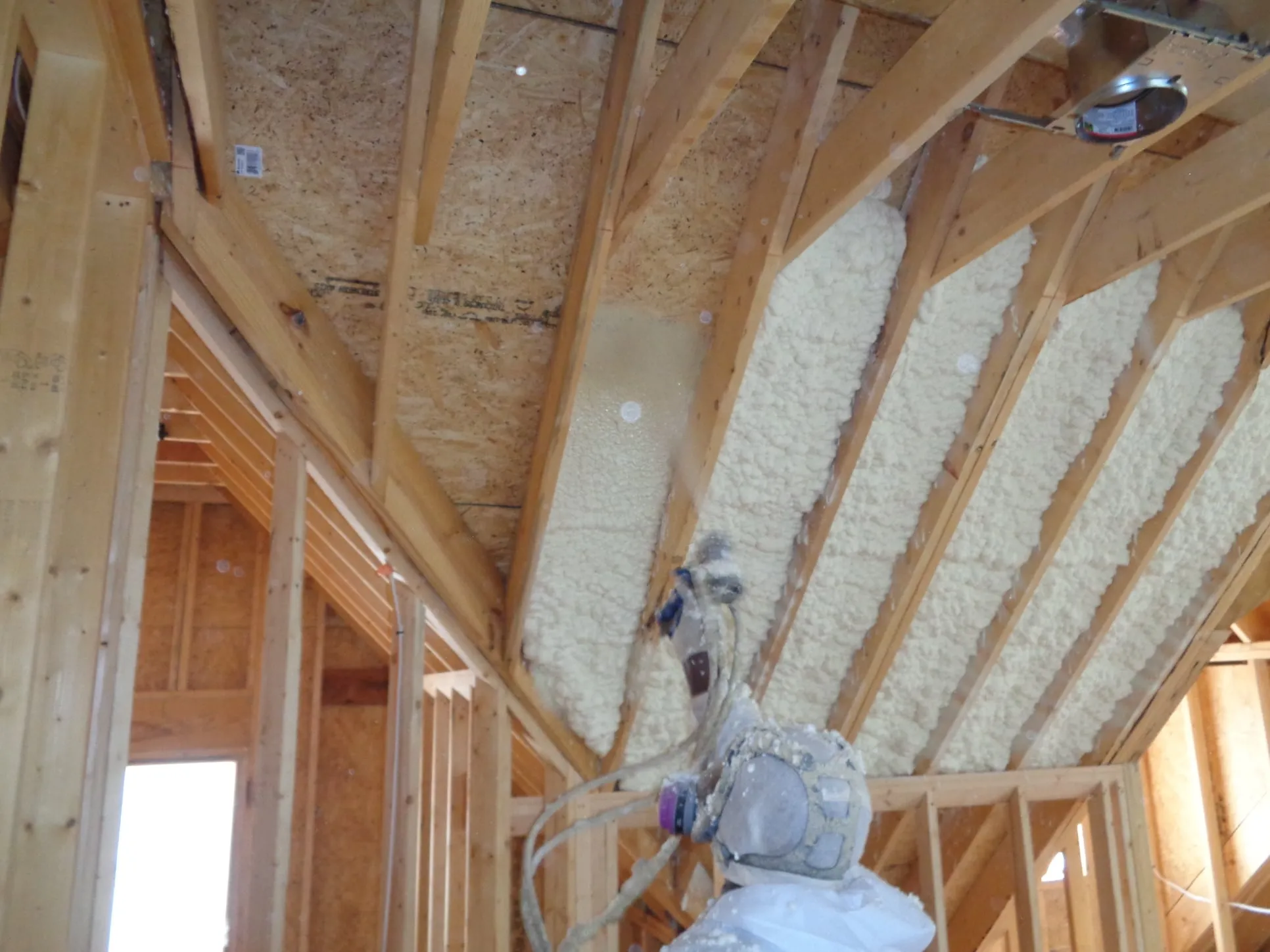
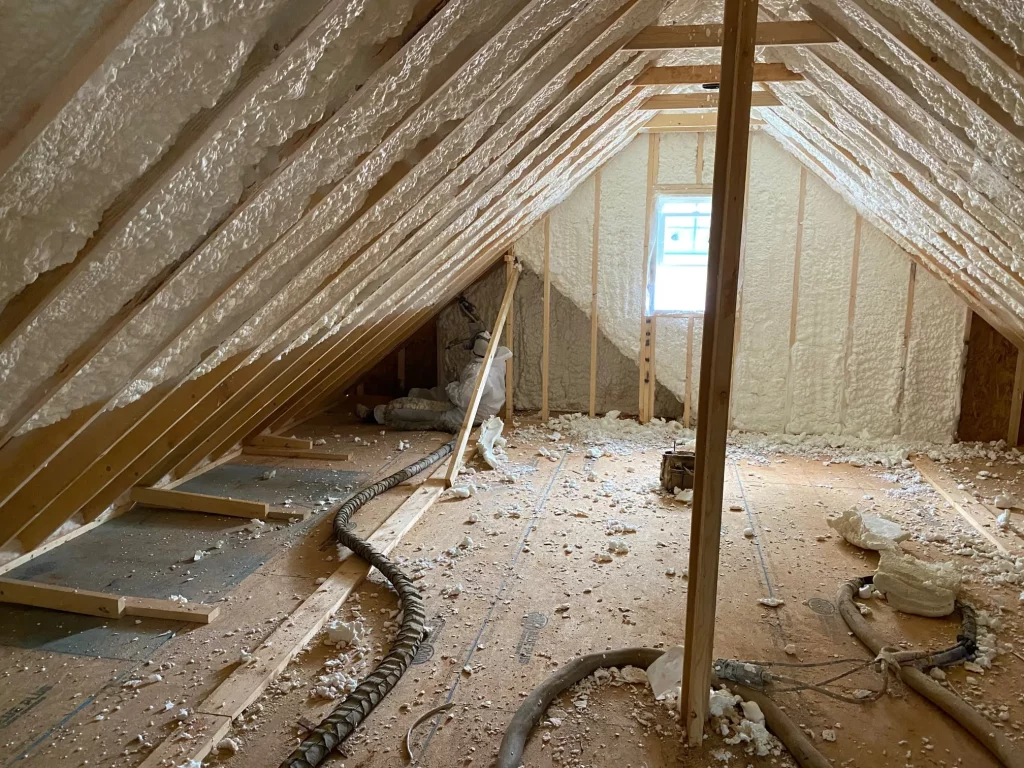
Open-cell spray foam insulation expands to approximately 100-150 times its original volume when applied, filling gaps, voids, and hard-to-reach areas that traditional insulation materials cannot reach. This complete cavity fill eliminates air pockets that allow sound to travel between units. The foam’s cell structure creates millions of tiny, interconnected air bubbles that interrupt sound waves, effectively reducing noise transmission through walls.
The material’s ability to conform to irregular surfaces creates a seamless thermal envelope that prevents air infiltration and exfiltration. In party wall applications, this means drafts from one unit cannot penetrate into the adjacent living space, improving energy efficiency and occupant comfort. The foam’s flexible nature accommodates minor building movements without cracking or losing insulating properties, maintaining performance over the building’s lifetime.
Bonus Tip: When installing open-cell foam in party walls, ensure all electrical boxes and plumbing penetrations are properly sealed before application. These details significantly impact the overall sound reduction performance.
Climate considerations for Palm Beach Gardens
Palm Beach Gardens experiences year-round high humidity levels, with average relative humidity ranging from 70% to 90%. This moisture-intensive environment demands insulation materials that can manage water vapor without compromising building integrity. Open-cell spray foam is vapor-permeable, allowing trapped moisture to escape while still preventing liquid water intrusion. According to research from the Building Science Corporation, this vapor-permeable characteristic is essential in hot-humid climates to prevent moisture accumulation within wall assemblies.
The material’s moisture-handling properties help prevent the formation of mold and mildew within wall cavities, a common concern in Florida’s coastal regions. Unlike closed-cell foam, which can trap moisture behind its vapor barrier, open-cell foam “breathes” while still providing excellent thermal insulation with R-values around 3.5 per inch. This balance makes it particularly suitable for South Florida’s climate conditions, where moisture control is as important as thermal performance.
Sound transmission properties
One of the primary reasons for choosing open-cell foam in party walls is its sound-dampening capabilities. The material achieves Sound Transmission Class (STC) ratings between 40-50 when properly installed in typical wall assemblies, significantly reducing airborne noise between units. This performance exceeds many traditional insulation options and helps meet or exceed building code requirements for multi-family construction in Florida.
The foam’s open-cell structure absorbs sound energy rather than reflecting it, making it more effective than denser materials that might seem better at first glance. Research published by Building Green shows that open-cell foam’s acoustic performance comes from its ability to convert sound energy into heat through friction within its cellular structure. This mechanism works particularly well for mid-frequency sounds like human speech, music, and television audio, the most common complaints in multi-unit housing.
Installation requirements and best practices
Proper installation of open-cell spray foam in party walls requires specialized equipment and trained applicators. The material is applied as a liquid that expands and cures within minutes, forming a permanent insulation layer. Professional installers must monitor temperature, humidity, and application thickness to achieve optimal performance. In Palm Beach Gardens, installers must account for the region’s high temperatures and humidity levels during application.
Typical party wall assemblies in Florida use either 2×4 or 2×6 studs with 1/2-inch drywall on both sides. Open-cell foam is applied to fill the entire cavity depth, creating continuous insulation. The application process involves spraying the material in layers to control expansion and ensure complete cavity fill without excessive pressure on wall assemblies.
Bonus Tip: For maximum sound reduction, consider adding resilient channel or double drywall layers in conjunction with open-cell foam insulation. This combination can increase STC ratings by 10-15 points.
Why open-cell spray foam insulation is used in party walls between units in Palm Beach Gardens, FL 2
Cost considerations and market data
While open-cell spray foam typically costs more upfront than traditional insulation materials, its long-term benefits often justify the investment in multi-unit construction. According to data from the Insulation Institute, the installed cost of open-cell foam ranges from $0.80 to $1.50 per board foot, compared to $0.15 to $0.35 for fiberglass batts. However, the superior performance in sound reduction, air sealing, and moisture management provides value that traditional materials cannot match.
In Palm Beach Gardens specifically, the additional cost of open-cell foam in party walls typically adds 1-2% to total construction costs but can increase unit values by 5-10% due to improved acoustic privacy and energy efficiency. Developers report faster absorption rates for units with superior sound insulation, translating to quicker returns on investment.
Table: Insulation Material Comparison for Party Walls
Insulation Type
R-Value per Inch
STC Rating
Vapor Permeability
Open-cell spray foam
3.5
40-50
Semi-permeable
Closed-cell spray foam
6.5-7.0
35-45
Vapor barrier
Fiberglass batts
3.1-3.4
30-38
Permeable
Mineral wool
3.1-3.4
35-45
Permeable
Things to consider before making a decision
Building owners and developers in Palm Beach Gardens should evaluate several factors before selecting insulation materials for party walls. Local building codes in Palm Beach County require minimum STC ratings for certain multi-family applications, and open-cell foam typically helps exceed these requirements without additional assemblies. The specific building design, stud spacing, and drywall configuration all impact the overall acoustic performance.
The installation timeline represents another critical consideration. Open-cell foam requires specialized contractors and appropriate weather conditions for optimal application. Projects must schedule insulation installation during windows with moderate temperature and humidity levels, which can be challenging during Florida’s summer months. However, the rapid installation time once conditions are suitable, helps offset scheduling constraints.
Fire safety regulations also influence material selection. Open-cell foam requires thermal barriers like drywall for code compliance in most applications. Fortunately, standard drywall assemblies in party walls typically meet these requirements without additional modifications.
Common questions about open-cell foam in party walls
Bonus Tip: When comparing bids for open-cell foam installation, request detailed specifications including foam density, installed thickness, and targeted R-values. This ensures accurate comparisons between contractors and guarantees the specified performance will be achieved.
Property owners often ask about potential off-gassing from spray foam products. Modern open-cell formulations use water as the blowing agent, resulting in minimal VOC emissions after installation. Proper curing and ventilation during and immediately after application eliminates most odor concerns within 24-48 hours.
Maintenance questions frequently arise, but open-cell foam requires no ongoing maintenance once properly installed. The material remains stable throughout its service life and does not settle, degrade, or require replacement under normal conditions. However, any future penetrations through party walls must be properly sealed to maintain the continuous insulation layer.
Key takeaways for party wall insulation
Open-cell spray foam insulation provides an optimal solution for party walls in Palm Beach Gardens by addressing the region’s specific challenges of noise control, humidity management, and energy efficiency. The material’s ability to create complete cavity fill while allowing vapor transmission makes it uniquely suited for Florida’s climate and multi-unit construction requirements.
Property owners and developers should evaluate their specific project needs, considering factors like building design, budget constraints, and schedule requirements. The higher initial cost of open-cell foam typically delivers value through improved occupant satisfaction, energy savings, and potentially higher property values in the competitive South Florida real estate market.
Contact a local insulation expert
For specific questions about open-cell spray foam insulation for party walls in Palm Beach Gardens properties, reach out to All in OverHall. Our team can provide detailed assessments for existing buildings or consultation on new construction projects. Contact [email protected] or call (561) 406-3835 to discuss your insulation needs and schedule an evaluation. Our expertise with Florida’s climate conditions and building requirements ensures proper installation for maximum performance and durability.
Frequently Asked Questions About Party Wall Insulation
How thick should open-cell foam be in party walls?
In typical 2×4 construction with 3.5-inch cavity depth, open-cell foam should fill the entire space. For 2×6 walls with 5.5-inch cavities, complete fill provides R-values around 19-20, exceeding Florida building code requirements for interior walls.
Does open-cell foam prevent all sound transfer between units?
While significantly reducing noise transmission, no insulation completely eliminates sound transfer. Open-cell foam in party walls typically reduces normal conversation levels to barely audible levels in adjacent units. However, impact noise like footsteps may still transmit through structural connections.
Is open-cell foam safe in terms of fire safety?
Modern open-cell foams contain fire-retardant additives and require thermal barriers, such as drywall. When installed according to building codes with proper thermal barriers, open-cell foam meets all fire safety requirements for residential construction.
How does open-cell foam handle plumbing leaks in party walls?
Open-cell foam allows water to drain through its cellular structure rather than trapping it against building materials. While any leak should be repaired promptly, the foam’s vapor-permeable nature helps prevent moisture accumulation and mold growth compared to vapor-impermeable materials.
Sources
Building Science Corporation – Research on moisture management in hot-humid climates and vapor-permeable insulation performance
Building Green – Technical analysis of spray foam insulation acoustic properties and sound transmission mechanisms
Insulation Institute – Industry data on insulation costs, performance metrics, and market trends for various insulation types
Spray foam insulation outperforms traditional fiberglass batts primarily because it creates an airtight seal while providing superior thermal resistance. Unlike…
Cheap insulation solutions cost more over time through higher energy bills, frequent replacements, and potential property damage. In Wellington’s hot,…