What Factors Determine Attic Insulation Installation Costs?
The cost of attic insulation installation depends on five main factors: attic size, insulation material, the R-value your climate requires,…

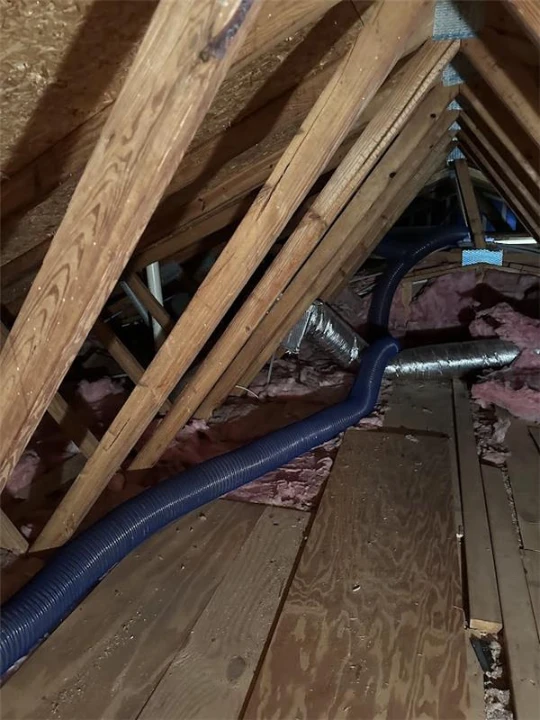
Insulation removal becomes necessary when your existing insulation has degraded, been contaminated, or fallen below modern R-value standards to the point that it can no longer resist heat flow effectively. As energy rates climb in 2026 due to surging electricity demand, grid constraints, and rising wholesale power prices, degraded insulation quietly magnifies those increases by forcing your HVAC system to work harder year after year. Removing compromised insulation and replacing it with material that meets current Department of Energy standards is one of the most direct ways to regain control over rising energy costs. Homeowners often start with professional insulation removal and replacement services to restore efficiency and reduce long-term utility expenses.
The energy market in 2026 looks different than it did even a few years ago. According to the 2026 Sustainable Energy in America Factbook published by the Business Council for Sustainable Energy and Bloomberg NEF, data center demand has quadrupled over the past decade. In 2025, U.S. electricity demand rose considerably for the first time in decades, and wholesale power prices increased sharply in many regions. Retail prices nationwide increased about 2.3% year over year, but some areas saw far steeper spikes. In New York, wholesale prices rose 62% year over year, and the New England region saw a 60% increase.
At the same time, utilities across the country have filed for and received rate increases. Regional transmission organizations like PJM Interconnection conducted capacity auctions that passed billions in costs to consumers. These increases mean homeowners will pay more even without changing usage, making it important to consider insulation removal costs and energy savings.
When rates rise, the performance of your home’s envelope matters more than ever. A home with degraded insulation effectively bleeds energy, and every percentage point of rate increase hurts that much more.
Insulation works by providing resistance to heat flow, and its performance is measured in R-value. According to the U.S. Department of Energy, the R-value depends on the type of insulation, its thickness, its density, temperature conditions, aging, and moisture accumulation. When any of these factors degrade, the insulation stops doing its job.
Old insulation fails in several ways:
Research from the Insulation Institute found that while fiberglass batt insulation maintains an average of 95.5% of its labeled R-value over decades in controlled conditions, real-world performance is often much lower due to poor installation practices, moisture exposure, and mechanical damage.
| Insulation Degradation Factor | Impact on R-Value | Common Cause | Reversibility |
|---|---|---|---|
| Compression | 20-50% loss | Foot traffic, storage, settling | No, must replace |
| Moisture saturation | 30-70% loss | Roof leaks, condensation | No, must replace |
| Pest contamination | Complete failure | Rodent/insect infestation | No, must remove |
| Settling (loose-fill) | 15-40% loss | Gravity, vibrations | Partial, can be topped off |
| Thermal bridging gaps | Localized total loss | Framing gaps, wiring holes | Yes, with air sealing |
| Mold growth | Variable, often total | Persistent moisture | No, must remove |
One of the most common mistakes homeowners and even some contractors make is blowing new insulation directly over degraded material without first removing it. This approach can create several problems:
The EPA’s ENERGY STAR program notes that a knowledgeable homeowner or skilled contractor can save up to 20% on heating and cooling costs through effective air sealing combined with proper insulation. Those savings are only achievable when the job starts with a clean surface and proper air sealing before new material is installed.
Many homes built before 2010 were insulated to R-19 or R-30 standards in the attic, which was adequate at the time but falls short of current recommendations. The ENERGY STAR Recommended Home Insulation R-Values are based on the 2021 International Energy Conservation Code and vary by climate zone:
| Climate Zone | Attic (Uninsulated) | Attic (3-4 inches existing) | Floor | Wood Frame Wall |
|---|---|---|---|---|
| Zone 1 | R-30 | R-25 | R-13 | N/A |
| Zone 2 | R-49 | R-38 | R-13 | R-13 + R-5 CI |
| Zone 3 | R-49 | R-38 | R-19 | R-20 or R-13 + R-5 CI |
| Zone 4A/4B | R-60 | R-49 | R-19 | R-20 + R-5 CI |
| Zone 4C/5/6 | R-60 | R-49 | R-30 | R-20 + R-5 CI |
| Zone 7/8 | R-60 | R-49 | R-38 | R-20 + R-5 CI |
If your home was built to older codes, your existing attic insulation likely ranges from R-11 to R-30, which means even after decades of service, it was never designed to handle the thermal demands that current energy prices make so expensive. Reaching modern R-value targets often requires the complete removal of old material so that air sealing can be performed properly and new insulation can be installed to the correct depth without compression.
| Scenario | Home Type | Problem | Solution | Outcome |
|---|---|---|---|---|
| 1960s ranch in climate zone 4 | Single-story, 1,400 sq ft | R-11 fiberglass batts, compressed and gap-filled from decades of attic traffic | Full removal, air seal all penetrations, install R-60 blown cellulose | 32% reduction in heating and cooling costs within first year |
| 1990s two-story in climate zone 3 | 2,200 sq ft, finished attic | R-30 blown fiberglass settled to R-19, minor rodent contamination in eaves | Remove contaminated sections, top off remaining to R-49 with dense-pack cellulose | 18% reduction in summer cooling costs, eliminated musty odor |
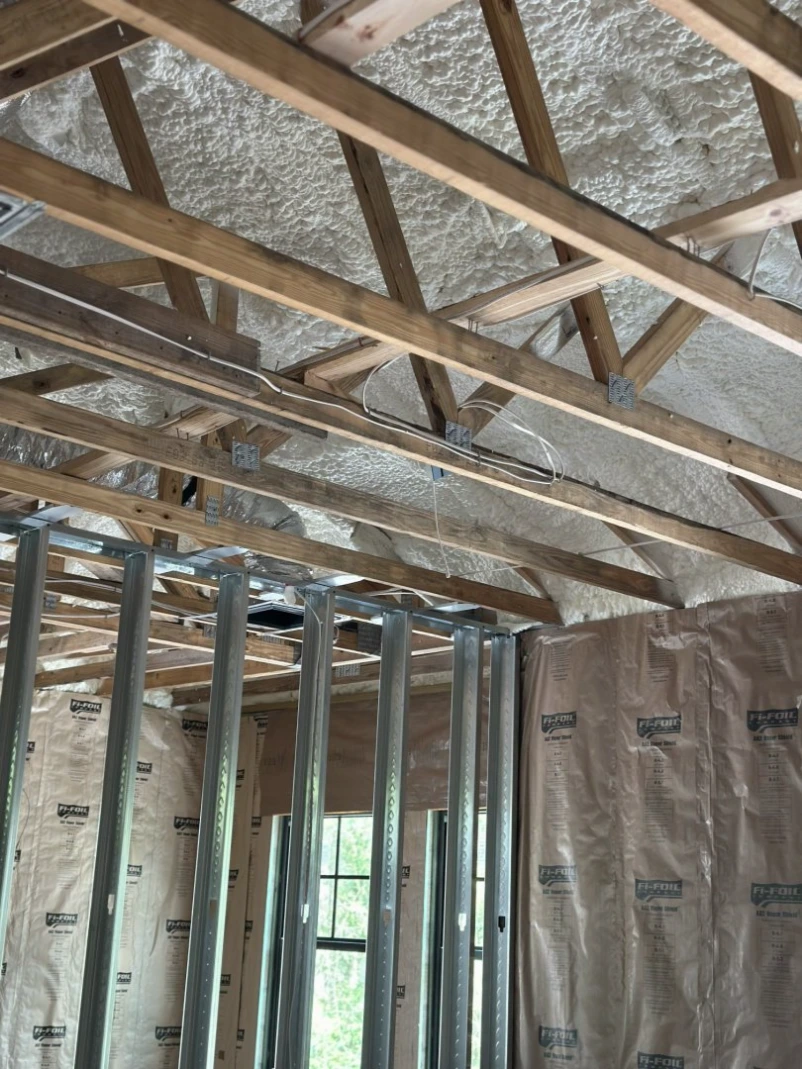
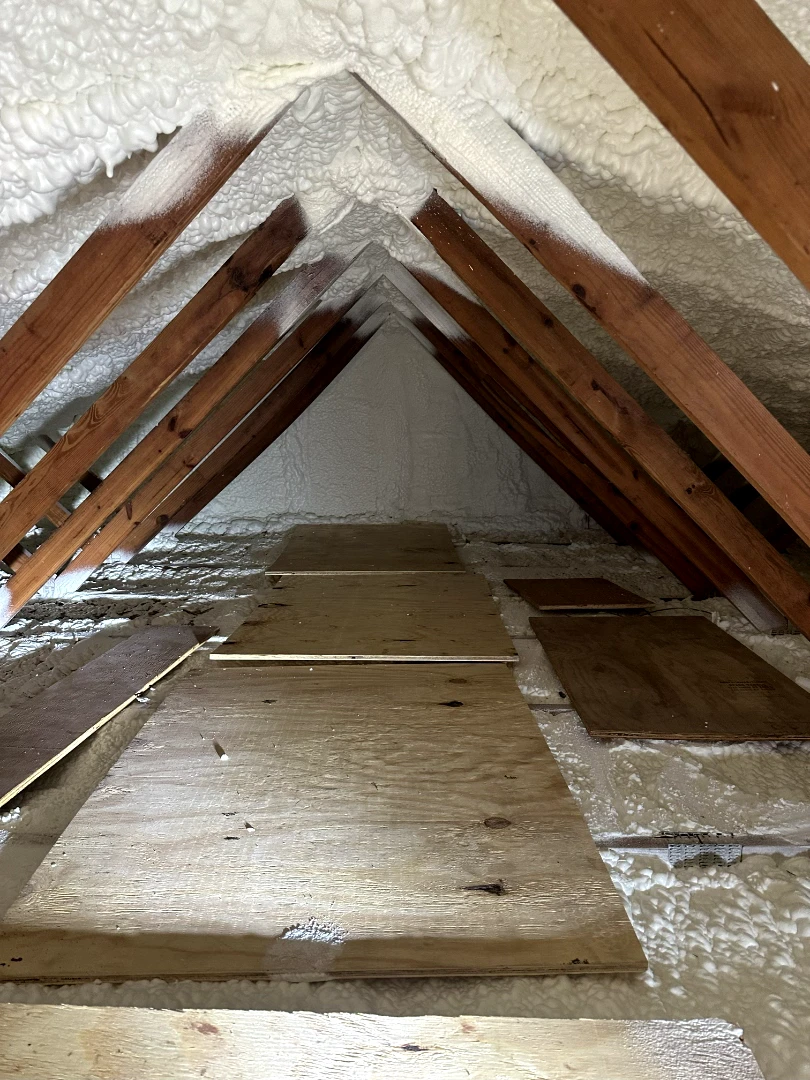
| 2005 colonial in climate zone 5 | 2,800 sq ft | R-38 fiberglass batts with mold from ice dam water damage | Complete removal of all batts, treat ceiling cavities, air seal, spray foam rafters | Eliminated ice dams, 25% reduction in winter heating bills |
| 1980s split-level in climate zone 2 | 1,800 sq ft | R-19 batts in attic, R-11 in walls, persistent comfort complaints | Attic insulation removal and replacement to R-49, wall dense-pack to R-15 | Year-round comfort improvement, 22% total energy cost reduction |
| 1970s cape cod in climate zone 6 | 1,600 sq ft | Vermiculite insulation with potential asbestos content | Professional abatement and full removal, spray foam to R-49 | Safe indoor air quality restored, 28% energy savings |
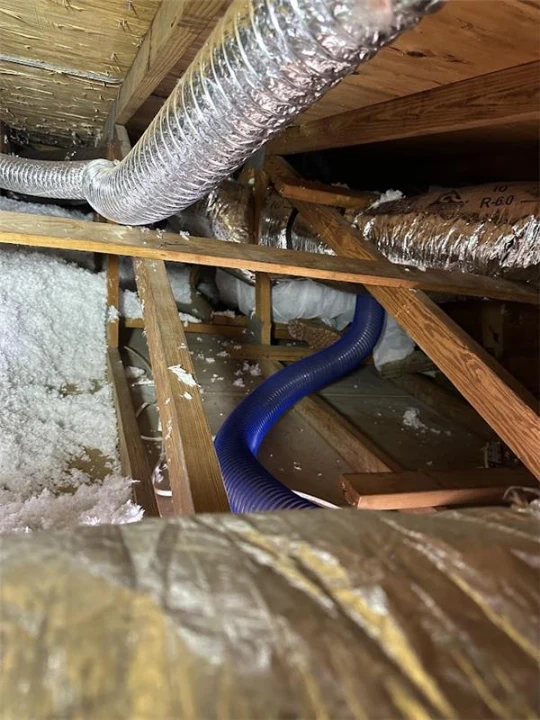
Not every home needs a full insulation gutting. Several factors determine whether removal is necessary or whether a top-off approach will work:
Moisture history: Any history of roof leaks, ice dams, or condensation issues in the attic means the existing insulation has likely absorbed water at some point. Wet insulation loses thermal resistance permanently and serves as a breeding ground for mold.
Pest activity: Even if pests have been eradicated, the contamination they leave behind poses health risks and compromises insulation performance. Droppings and nesting material reduce R-value and can introduce pathogens into living spaces.
Age and type: Homes built before 1990 may contain vermiculite insulation, which can include asbestos. This material must be removed by certified professionals and never disturbed or covered. Similarly, very old homes may have urea-formaldehyde foam insulation, which degrades and off-gases over time.
Current depth and condition: If the existing insulation is still in good condition, dry, uncontaminated, and simply below current standards, a top-off may be appropriate. But if it has been compressed, shifted, or is uneven across the attic floor, removal provides better results.
Air sealing needs: The single biggest missed opportunity in insulation upgrades is failing to air seal first. Removing old insulation gives our team full visibility into every penetration, gap, and bypass in the attic floor, allowing us to seal them before installing new material.
With electricity prices rising in many markets and the potential for homeowners to face hundreds of dollars in additional annual costs by 2026, insulation removal and replacement becomes a defensive investment with measurable returns. The Insulation Institute notes that better-insulated buildings reduce demand on HVAC equipment, cutting electricity and gas consumption while maintaining comfort.
Consider a home spending $2,400 annually on heating and cooling. A 15% reduction from proper insulation and air sealing saves $360 per year. If energy rates increase by 10%, that same home without insulation upgrades would pay $2,640, but the upgraded home would pay only $2,268. The gap between an upgraded and non-upgraded home widens every year as rates climb.
The payback period for insulation replacement typically ranges from 3 to 7 years, depending on climate zone, existing conditions, and energy costs. In a rising-rate environment, the payback accelerates because the savings grow proportionally with each rate increase.
At ALL IN OVERHALL, we specialize in complete insulation removal and replacement that addresses the root cause of rising energy bills, not just the symptoms. Our team evaluates your existing insulation, identifies hidden air leaks and contamination, and installs new material to meet or exceed current ENERGY STAR standards for your climate zone. Whether your attic has compressed fiberglass, water damage, pest contamination, or simply falls below modern R-value requirements, we deliver a clean, properly sealed, and high-performing result.
Call us at (561) 406-3835 or email [email protected] to get started. The longer degraded insulation stays in your attic, the more money it costs you every single month.
Only if the existing insulation is dry, uncontaminated, and in good condition. If there is any evidence of moisture, mold, pests, or compression, removal is necessary before adding new material.
Costs vary based on the size of the attic, the type of insulation being removed, and whether hazardous materials like asbestos are present. Most standard attic removals range from $1.50 to $4.00 per square foot, but contaminated or hazardous material removal costs significantly more.
A typical attic insulation removal and replacement for an average-sized home takes one to two days, depending on the extent of contamination, the need for air sealing, and the type of replacement insulation being installed.
Insulation removal alone will not solve ice dams, but combined with proper air sealing of the attic floor and adequate ventilation, it addresses the root cause. Ice dams form when warm air from living spaces escapes into the attic and melts snow on the roof.
Insulation that has been contaminated by mold, rodent droppings, or pests can negatively affect indoor air quality and pose respiratory health risks. Vermiculite insulation installed before 1990 may contain asbestos and should only be handled by certified abatement professionals.