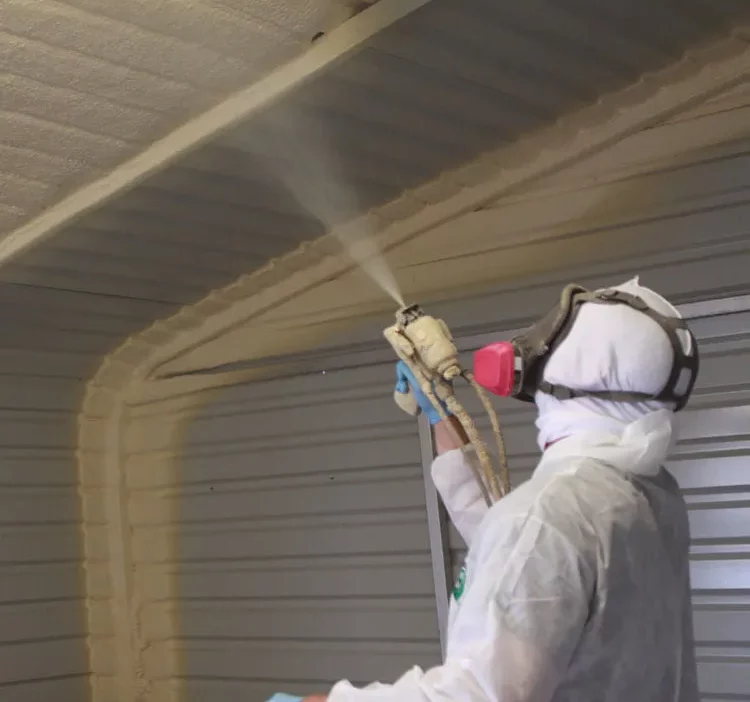
Why Closed-Cell Spray Foam Insulation Is Ideal for Indoor Pools in Lantana, FL
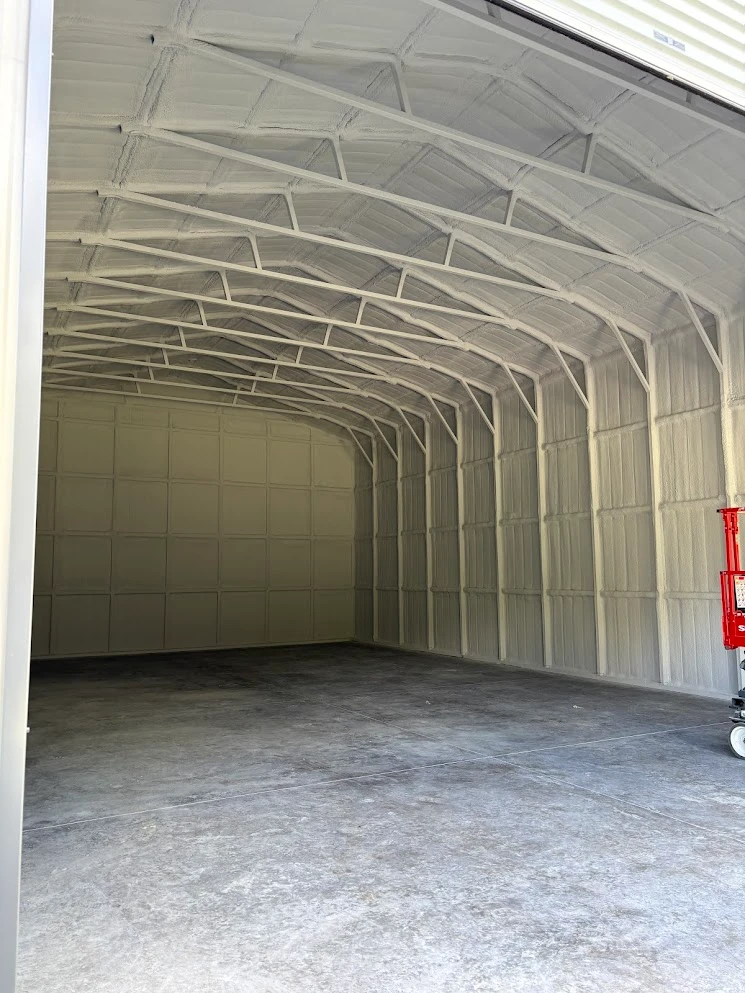
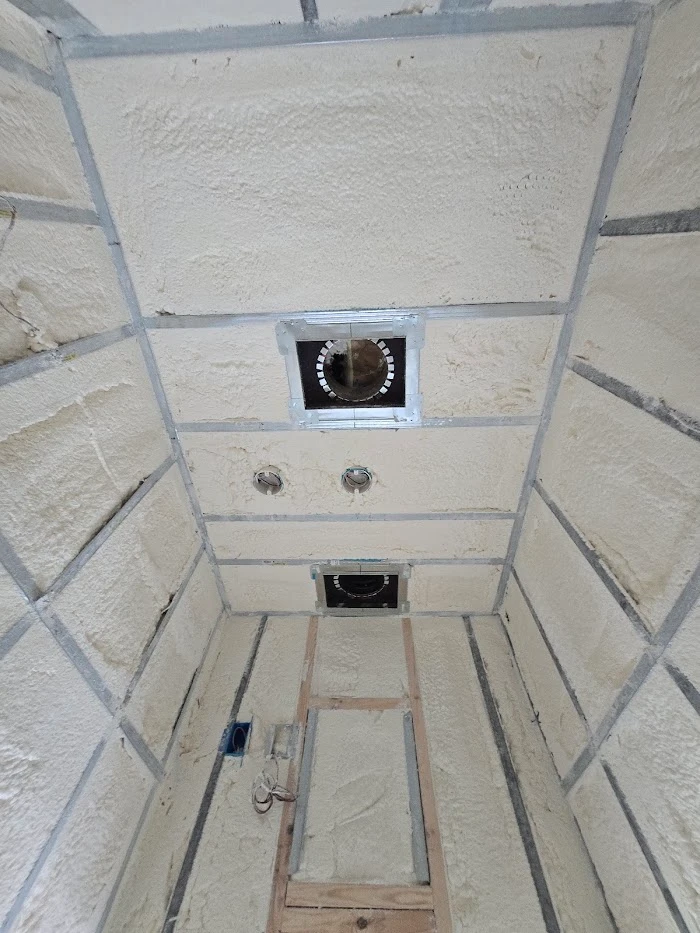
Closed-cell spray foam insulation stands out as the optimal solution for indoor pools in Lantana, Florida, due to its exceptional…

A professional insulation assessment is the first step toward lowering energy bills, improving indoor air quality, and protecting a home from the specific climate pressures of Loxahatchee, Florida. It’s a comprehensive diagnostic process that goes far beyond a simple visual check. A trained expert can identify hidden air leaks, insufficient insulation levels, moisture intrusion, and ventilation problems that directly contribute to high cooling costs and potential structural damage. This evaluation provides a clear, data-driven roadmap for making targeted improvements that address the root cause of energy waste and discomfort, rather than just treating the symptoms.
This article offers a detailed look at what a thorough insulation assessment entails and why it’s a valuable investment for any Loxahatchee homeowner. Drawing from extensive hands-on experience with homes in South Florida, the information here is designed to clarify the process and highlight the unique environmental factors that make proper insulation critical in this region. Recent insulation assessment insights also emphasize how professional evaluations are helping homeowners make informed, energy-saving decisions.
A proper insulation assessment is a systematic investigation of a home’s thermal envelope, which is the barrier between the conditioned indoor space and the outside environment. It’s not just about looking at the insulation in the attic; it’s a whole-home approach.
The process typically includes several key steps:
Bonus Tip: During an inspection, professionals often find evidence of pest activity. Damaged, soiled, or nested-in insulation is a common sign that rodents or insects have compromised the thermal barrier, which requires removal and sanitation before new material is installed.
Loxahatchee’s climate presents specific challenges that standard insulation practices might not fully address. The combination of intense heat, high humidity, and severe weather requires a specialized approach.
South Florida’s persistent high humidity is a major threat to a home’s structure and the health of its occupants. When warm, moist air from outside infiltrates a cooler, air-conditioned home, it can condense on surfaces within walls and attics. This creates a perfect breeding ground for mold and mildew, which can cause wood rot and poor indoor air quality. Certain insulation materials, particularly modern spray foam, create an effective air and moisture barrier that helps prevent this infiltration.
The sun beating down on a roof can raise attic temperatures to 150°F or more. This extreme heat radiates downward, forcing the air conditioning system to work much harder to maintain a comfortable indoor temperature. A professional assessment identifies if the attic insulation has the proper R-value, a measure of thermal resistance, to slow this heat transfer. According to research from the University of Central Florida’s Solar Energy Center, a poorly insulated attic is one of the biggest sources of energy waste in a Florida home.
An assessment will determine the best type of insulation for different areas of a home. Not all materials perform the same, especially in a hot and humid climate.
| Insulation Material | Typical R-Value (per inch) | Air Sealing | Moisture Resistance | Common Loxahatchee Application |
|---|---|---|---|---|
| Closed-Cell Spray Foam | 6.0 – 7.0 | Excellent | Excellent | Attics (roof deck), walls, and flood-prone areas |
| Open-Cell Spray Foam | 3.5 – 3.8 | Excellent | Good (permeable) | Attics (roof deck), soundproofing walls |
| Fiberglass Batts | 3.1 – 4.3 | Poor | Poor (can trap moisture) | Walls (if installed perfectly), floors |
| Blown-In Fiberglass | 2.2 – 2.9 | Fair (settles over time) | Poor | Attic floors (traditional approach) |
| Blown-In Cellulose | 3.2 – 3.8 | Good | Poor (can hold moisture) | Attic floors, dense-packing walls |
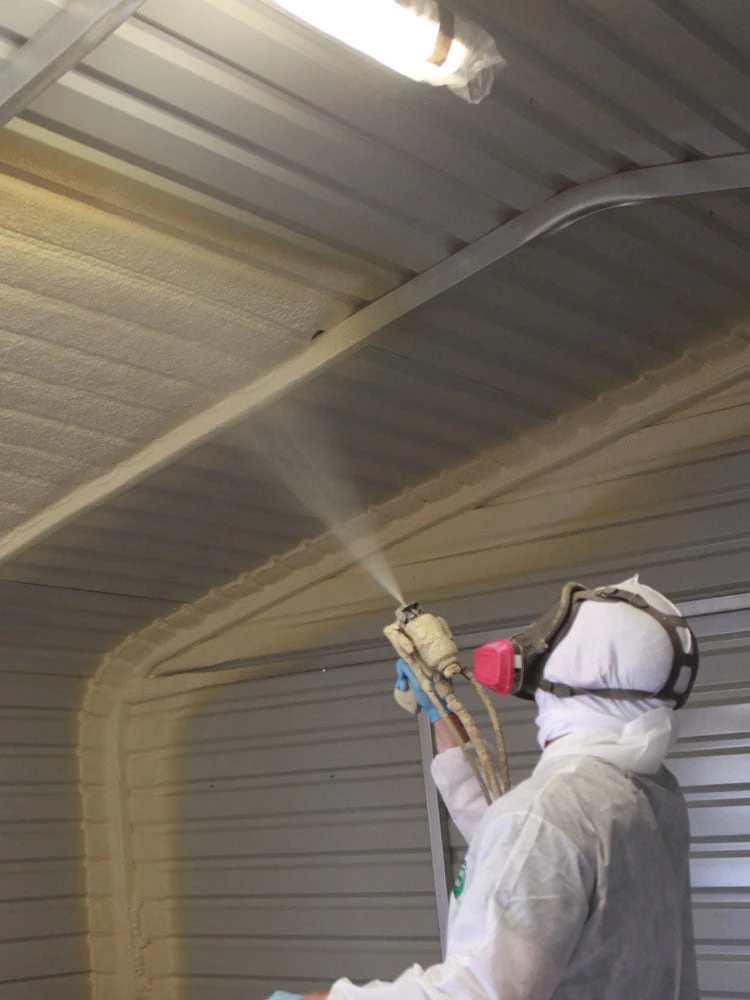
Closed-cell spray foam is often recommended for application to the underside of the roof deck in Loxahatchee attics. This method creates an unvented, conditioned attic space, which brings the HVAC system and ductwork inside the thermal envelope, dramatically improving its efficiency.
Before scheduling an assessment or committing to an insulation project, homeowners should think about a few factors.
Bonus Tip: Gather at least 12 months of your electric bills before an assessment. This data gives the professional a clear baseline to estimate your potential energy savings after the recommended improvements are made.
According to recommendations from ENERGY STAR, attics in South Florida, which is in Climate Zone 1, should be insulated to R-30 or R-38. A professional assessment can determine your current R-value and what is needed to reach optimal levels.
Sometimes, but not always. If the existing insulation is in good condition (dry, free of mold and pests), new material like blown-in fiberglass or cellulose can often be added on top. However, if the old insulation is damp, compressed, or contaminated, it must be completely removed.
An assessment that leads to documented upgrades in insulation and air sealing can be a strong selling point. It demonstrates to potential buyers that the home is energy efficient and well-maintained, which can translate to a higher resale value and faster sale.
High energy bills are the most common sign. Other indicators include uneven temperatures between rooms, drafts, moisture or condensation in the attic, and visible signs of degradation like insulation that has settled or pulled away from joists.
A professional insulation assessment provides a clear and accurate picture of a home’s performance. It moves beyond guesswork and allows for strategic, cost-effective improvements that directly address the climate challenges of Loxahatchee. Homeowners should consider their home’s age, comfort levels, and energy costs to decide if an assessment is the right next step toward a more efficient and durable home.
For a comprehensive evaluation of your home’s insulation and energy performance, contact a qualified professional. To get started, you can reach ALL IN OVERHALL for a detailed consultation. Connect with an expert by calling (561) 406-3835 or sending an email to [email protected] to discuss your home’s specific needs and schedule an assessment.