What Is the Cost of Open-Cell Spray Foam Insulation in Jupiter, FL?
Open-cell spray foam insulation in Jupiter, Florida, typically costs between $1.50 and $3.50 per square foot installed, with most homeowners…


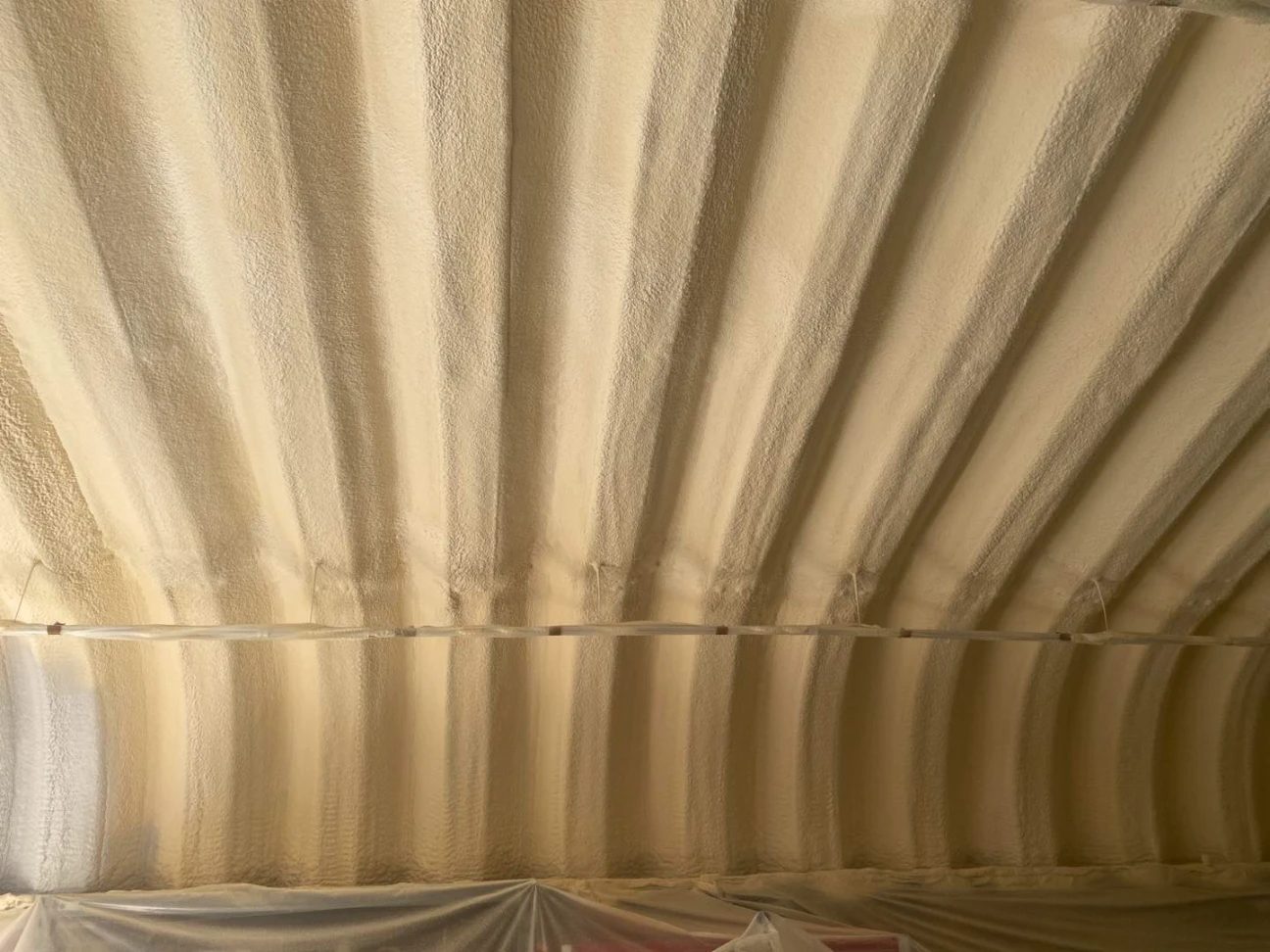
Your Jupiter home feels drafty because traditional insulation like fiberglass and cellulose only slows heat transfer, not stops air movement. Air leaks through gaps, cracks, and penetrations in your building envelope allow conditioned air to escape and humid outdoor air to infiltrate, creating uncomfortable drafts, hot spots, and high energy bills. Closed-cell spray foam insulation solves this problem by expanding to fill every cavity, creating both a thermal barrier with an R-value of 6.5 to 7.6 per inch and an airtight seal that blocks air infiltration. This dual-action approach eliminates drafts at their source while providing superior moisture resistance, which is critical for Jupiter’s hot, humid climate, making it important to understand closed-cell spray foam insulation costs before starting a project.
Most homeowners assume that if their walls and attic have insulation, their home should be comfortable. The reality is that traditional insulation materials like fiberglass batts and blown cellulose are designed to resist heat flow, not stop air movement. According to the Insulation Institute, the most significant air leaks in homes are hidden in attics, crawl spaces, and wall cavities where contractors rarely look.
In Jupiter’s climate, where summer temperatures regularly exceed 90°F and humidity levels hover around 70-80%, these air leaks create more than just discomfort. Hot, moist air infiltrates your living space through unsealed gaps, forcing your air conditioning system to work harder while making certain rooms feel stuffy and others feel drafty from uneven air distribution, which highlights the importance of closed-cell air sealing in controlling moisture and airflow.
ENERGY STAR reports that hidden air leaks in attics, basements, and crawl spaces significantly raise energy bills and create comfort problems. The most common leak locations include:
Each of these penetrations creates a pathway for air exchange between your conditioned living space and the unconditioned outdoors. In Jupiter’s climate, this means hot, humid air constantly infiltrates your home while cooled air escapes, creating drafts and temperature inconsistencies.
Closed-cell spray foam insulation addresses the root cause of drafts by sealing the building envelope completely. Unlike fiberglass or cellulose, which sit in cavities and allow air to pass through and around them, spray foam expands upon application to fill every gap, crack, and void.
Closed-cell spray foam provides two critical functions in one application:
1. Thermal Insulation With an R-value of 6.5 to 7.6 per inch according to Building Energy, closed-cell foam delivers superior thermal resistance. This means you need less thickness to achieve the same R-value as traditional materials. A 2-inch application provides approximately R-13 to R-15, exceeding what 4 inches of fiberglass can achieve.
2. Air Sealing The dense cellular structure of closed-cell foam creates an airtight barrier. Stellrr Insulation explains that each cell in closed-cell foam remains separate, preventing air and moisture from passing through. This eliminates the convective loops that occur within fiberglass insulation when air can circulate through it.
In Jupiter’s hot-humid climate, moisture control is as important as temperature control. When applied at 2 inches or greater, closed-cell spray foam acts as a Class II vapor retarder, preventing moisture from migrating through walls and into your living space. This is critical in Florida’s Climate Zone 2A, where improper vapor management can lead to mold growth, wood rot, and indoor air quality problems.
| Insulation Type | R-Value per Inch | Air Barrier | Vapor Barrier | Moisture Resistant | Best Application |
|---|---|---|---|---|---|
| Closed-Cell Spray Foam | R-6.5 to R-7.6 | Yes | Yes (at 2″+) | Yes | Walls, attics, crawl spaces, rim joists |
| Open-Cell Spray Foam | R-3.5 | Yes | No | No | Attics, walls (dry climates) |
| Fiberglass Batts | R-2.2 to R-3.8 | No | No | No | Walls, attics (with separate air sealing) |
| Blown Cellulose | R-3.2 to R-3.8 | No | No | No | Attics, walls |
Bar Chart Suggestion: Compare R-value per inch across four insulation types commonly used in Florida homes, showing closed-cell spray foam’s 2x advantage over fiberglass.
The U.S. Department of Energy states that homeowners can save up to 20% on heating and cooling costs by adding insulation and sealing air leaks. In Jupiter, where air conditioning runs nearly year-round, these savings compound significantly.
ENERGY STAR’s methodology estimates that air sealing alone can reduce heating and cooling costs by an average of 15%, or 11% on total energy costs. When you combine proper air sealing with high-performance insulation like closed-cell spray foam, the savings increase further.
Consider a 2,000 square foot home in Jupiter with typical fiberglass insulation and significant air leaks. Monthly cooling costs might average $250-300 during peak summer months. After upgrading to closed-cell spray foam in the attic and sealing rim joists:
Total potential savings could reach 20-30% annually, translating to $600-900 per year for an average home.
| Scenario | Home Type | Problem | Solution | Outcome |
|---|---|---|---|---|
| Coastal Single-Family | 1995 Construction, 2,400 sq ft | Drafty second floor, high cooling bills, uneven temperatures | Closed-cell foam in attic deck and rim joists | 28% reduction in cooling costs, eliminated drafts, consistent upstairs comfort |
| Mediterranean Style | 2008 Construction, 3,200 sq ft | Hot spots in west-facing rooms, humidity issues | Closed-cell foam in walls during renovation | Reduced indoor humidity by 15%, eliminated temperature variations |
| Ranch Home | 1980 Construction, 1,800 sq ft | High energy bills, AC running constantly | Attic deck spray foam application | 22% energy savings, AC runtime reduced by 3+ hours daily |
| Two-Story Pool Home | 2015 Construction, 2,800 sq ft | Drafty first floor, uncomfortable master suite | Closed-cell foam in the floor system and attic | Eliminated cold floors, balanced temperatures between floors |
| Waterfront Condo | 2005 Construction, 1,500 sq ft | Humidity infiltration, musty odors | Spray foam in exterior walls and ceiling | Reduced indoor humidity, eliminated odors, improved indoor air quality |
A qualified insulation contractor should perform a thorough evaluation of your home’s building envelope. This includes:
Focus on the areas with the greatest impact on comfort and energy efficiency:
Attic: The largest source of air leakage and heat gain in most Florida homes. Sealing the attic deck with closed-cell foam creates a conditioned attic space that dramatically reduces cooling loads.
Rim Joists: The connection between your foundation and walls often has significant gaps. Sealing this area prevents air infiltration and improves first-floor comfort.
Exterior Walls: During renovations or siding replacement, closed-cell foam can be injected into wall cavities to improve both insulation and air sealing.
For Jupiter’s climate, proper thickness ensures both thermal performance and vapor control:
According to My Florida Home Energy, the Florida Building Code recommends R-30 to R-38 for attic insulation. Closed-cell foam at 4-5 inches in the attic deck achieves these R-values while providing complete air sealing.
Closed-cell spray foam requires professional application. Proper mixing, temperature control, and spray technique affect both performance and safety. Look for contractors who:
Several variables influence how well closed-cell spray foam performs in your Jupiter home:
Jupiter sits in Climate Zone 2A, classified as hot-humid. This climate presents unique challenges:
Closed-cell foam’s dual air and vapor barrier properties make it ideal for this climate, as it prevents both air infiltration and moisture migration.
Older homes in Jupiter often have more air leakage pathways due to:
These homes benefit most dramatically from spray foam’s air sealing capabilities.
The performance of spray foam depends heavily on proper installation:
Poor installation can result in voids, uneven density, and off-gassing issues.
Spray foam significantly tightens a home’s building envelope. This requires consideration of:
Professional contractors address these factors during installation.
Your Jupiter home does not have to feel drafty, stuffy, or uncomfortable. Closed-cell spray foam insulation addresses the root cause of air infiltration, creating a tight building envelope that keeps conditioned air inside and hot, humid air outside. With energy savings of 15-20% on cooling costs and dramatically improved comfort throughout your home, spray foam insulation in Jupiter, FL, delivers measurable returns for years to come.
At All in OverHall, we specialize in closed-cell spray foam installations designed for Jupiter’s challenging, hot, humid climate. Our team understands Florida’s unique building science requirements and delivers installations that eliminate drafts, reduce energy bills, and improve indoor comfort. Contact us at (561) 406-3835 or email [email protected] to schedule your home assessment and discover how spray foam can transform your living space.
Closed-cell spray foam insulation typically lasts the lifetime of the building when properly installed. Unlike fiberglass or cellulose, which can settle, sag, or degrade over time, closed-cell foam maintains its R-value and air sealing properties for decades. Manufacturers generally warranty the material for 20-25 years, but real-world performance often exceeds 50 years.
Properly installed spray foam does create a tighter building envelope, but this is beneficial when managed correctly. Professional contractors evaluate ventilation requirements and may recommend mechanical fresh air systems to maintain indoor air quality. The improved air sealing reduces drafts and energy loss while controlled ventilation ensures healthy indoor air.
Yes, injection spray foam can be installed in existing wall cavities through small access holes. This technique allows retrofit insulation without extensive demolition. The foam expands to fill voids and creates an air seal within the wall cavity, improving both insulation and draft reduction.
Closed-cell spray foam costs approximately 2-3 times more than fiberglass insulation for the same area. However, the higher initial investment delivers superior performance through higher R-values, air sealing, and moisture control. Energy savings of 15-20% typically provide payback within 5-7 years, with benefits continuing for the life of the home.
Once cured, spray foam is inert and safe for residential use. During installation, occupants and pets must vacate the home for 24 hours to allow proper curing and ventilation. After this period, the foam does not off-gas and creates a healthier indoor environment by reducing dust, pollen, and humidity infiltration.