Why Closed-Cell Spray Foam Insulation Is Ideal for Indoor Pools in Lantana, FL
Closed-cell spray foam insulation stands out as the optimal solution for indoor pools in Lantana, Florida, due to its exceptional…


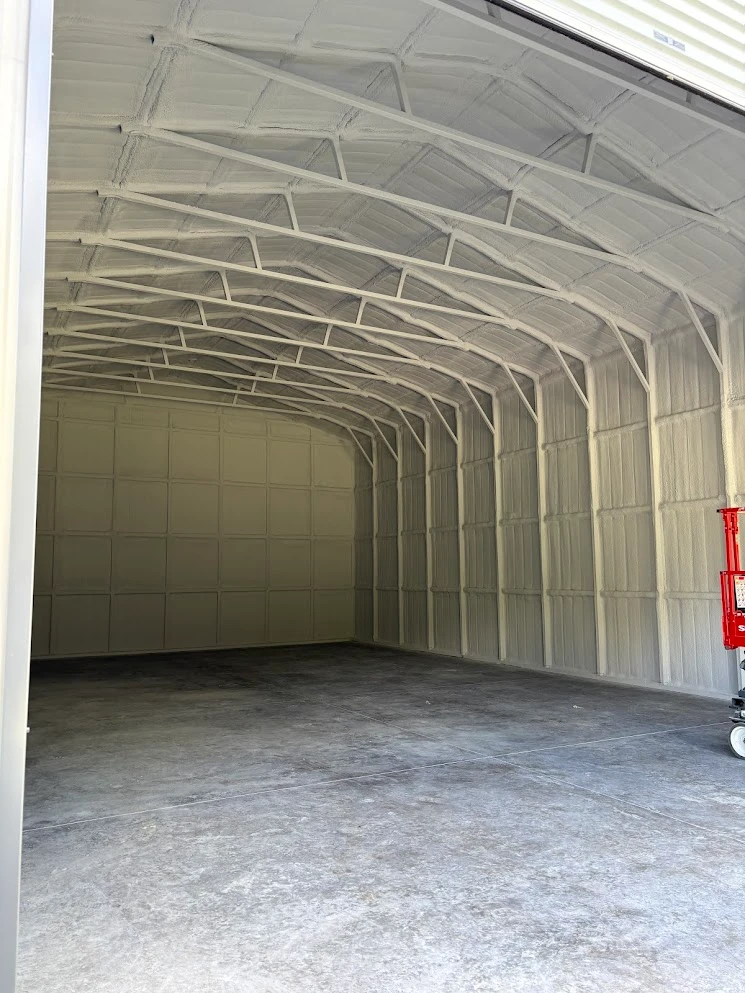
Closed-cell spray foam insulation stands out as the optimal solution for indoor pools in Lantana, Florida, due to its exceptional moisture resistance, superior R-value, and ability to prevent structural damage in the region’s high-humidity environment. Unlike traditional insulation methods, closed-cell spray foam creates an airtight barrier that stops water vapor penetration, controls humidity levels, and reduces energy costs by maintaining stable temperatures around the pool area. This comprehensive protection makes it particularly suited for Florida’s challenging climate, where indoor pools face constant threats from moisture, heat, and humidity year-round.
Indoor pool facilities in Lantana face unique challenges that standard insulation cannot effectively address. The constant evaporation from pool water creates extreme humidity levels that can overwhelm conventional materials, leading to mold growth, wood rot, and structural deterioration. This article breaks down the technical advantages, practical benefits, and economic considerations of choosing closed-cell spray foam for your indoor pool project.
Closed-cell spray foam insulation works fundamentally differently from other insulation types. The material consists of tiny closed cells filled with inert gas, creating a dense structure that blocks both heat transfer and moisture intrusion. When applied, it expands to fill every gap and crack, forming a continuous air barrier with no seams or joints where moisture can penetrate. This characteristic makes it especially valuable in indoor pool environments where humidity levels regularly exceed 60-70%.
The insulation’s vapor permeability rating is virtually zero at 0.5 perms, meaning water vapor cannot pass through it. Traditional fiberglass insulation, by contrast, allows moisture to move freely through its material, leading to condensation problems within wall cavities. In Lantana’s climate, where outdoor humidity averages 75% according to NOAA climate data, this moisture-blocking capability prevents the structural damage that commonly plagues indoor pool facilities.
The energy advantages of closed-cell spray foam translate directly to cost savings for indoor pool owners. The material boasts an R-value of 6.5-7 per inch, nearly double that of traditional fiberglass insulation at R-3.2 per inch. This superior thermal performance reduces the load on HVAC systems working to dehumidify and cool pool areas, which typically account for 50-60% of total energy consumption in indoor pool facilities.
Data from the U.S. Department of Energy shows that proper insulation can reduce heating and cooling costs by up to 20% in homes. For indoor pools, these savings are even more significant because the systems must run continuously to combat humidity and temperature fluctuations. The airtight seal created by spray foam eliminates the air leaks that force HVAC systems to work harder, extending equipment life and reducing maintenance requirements.
Florida’s humid subtropical climate creates perfect conditions for mold and mildew growth, especially around indoor pools where moisture levels are naturally elevated. Closed-cell spray foam serves as both insulation and a vapor barrier, preventing condensation from forming within wall assemblies. This dual function protects the building’s structural elements from water damage that can compromise integrity over time.
The material also adds structural strength to walls and roofs. At 2 pounds per cubic foot density, closed-cell foam increases racking strength by up to 300%, according to Spray Polyurethane Foam Alliance. This added rigidity proves valuable in coastal areas like Lantana, where buildings must withstand high winds during hurricane season. The foam’s closed-cell structure also resists water absorption, so even if the exterior envelope is breached, the insulation itself won’t retain water or lose its insulating properties.
| Insulation Type | R-Value per Inch | Moisture Resistance | Air Sealing | Lifespan |
|---|---|---|---|---|
| Closed-Cell Spray Foam | 6.5-7.0 | Impermeable | Complete | 80+ years |
| Open-Cell Spray Foam | 3.5-4.0 | Semi-permeable | Complete | 20-30 years |
| Fiberglass Batts | 3.0-3.5 | Poor | None | 15-20 years |
| Rigid Foam Boards | 4.0-5.0 | Good | Limited | 50+ years |
The table shows clear advantages for closed-cell foam in indoor pool applications. While the initial cost exceeds traditional materials, the lifetime value proves substantially better when factoring in energy savings, reduced maintenance, and replacement costs. The material’s durability means it typically outlasts the building’s other systems, making it a one-time investment rather than a recurring expense.
Before selecting closed-cell spray foam for your indoor pool project, several factors merit careful evaluation:
Building Condition: Existing structures may require preparation work, including moisture remediation, surface cleaning, or repairs, before foam application. The underlying substrate must be dry and structurally sound to ensure proper adhesion and performance.
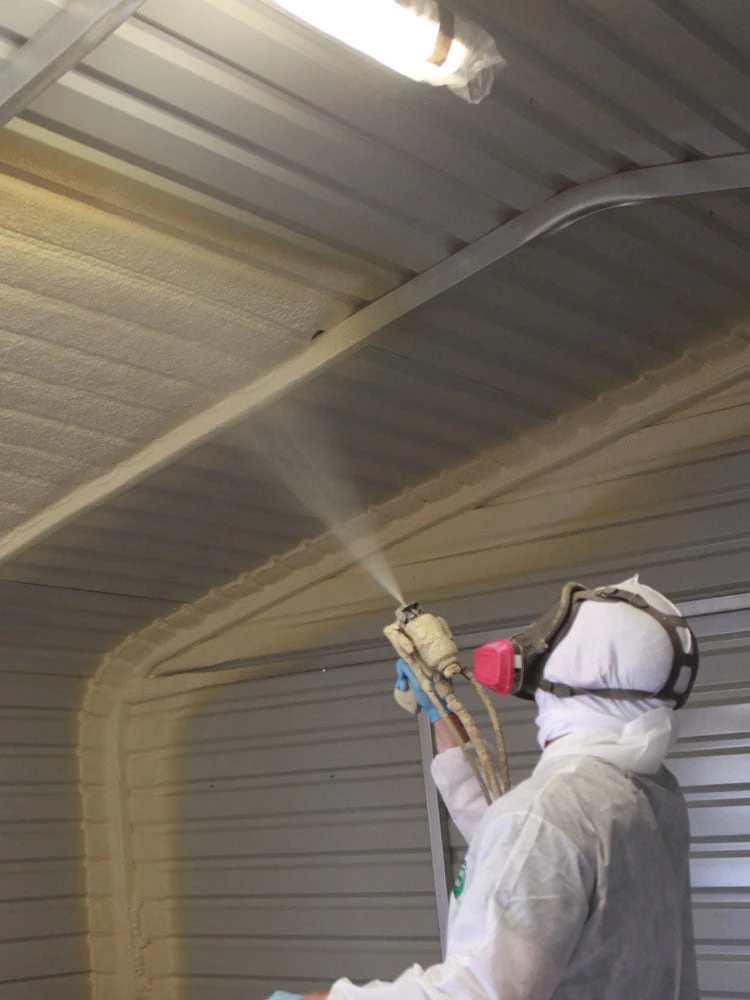
Application Requirements: Professional installation requires specific equipment, safety measures, and environmental controls. The space must be ventilated during application, and installers need full protective gear due to chemical off-gassing during curing.
Climate Control Planning: The insulation’s effectiveness depends on proper HVAC sizing and humidity control systems. Oversizing or undersizing equipment can undermine the foam’s performance and lead to comfort issues or excessive energy consumption.
Code Compliance: Lantana building codes have specific requirements for insulation R-values, vapor barriers, and fire ratings. Closed-cell spray foam typically meets or exceeds these requirements, but proper documentation and installation verification remain essential.
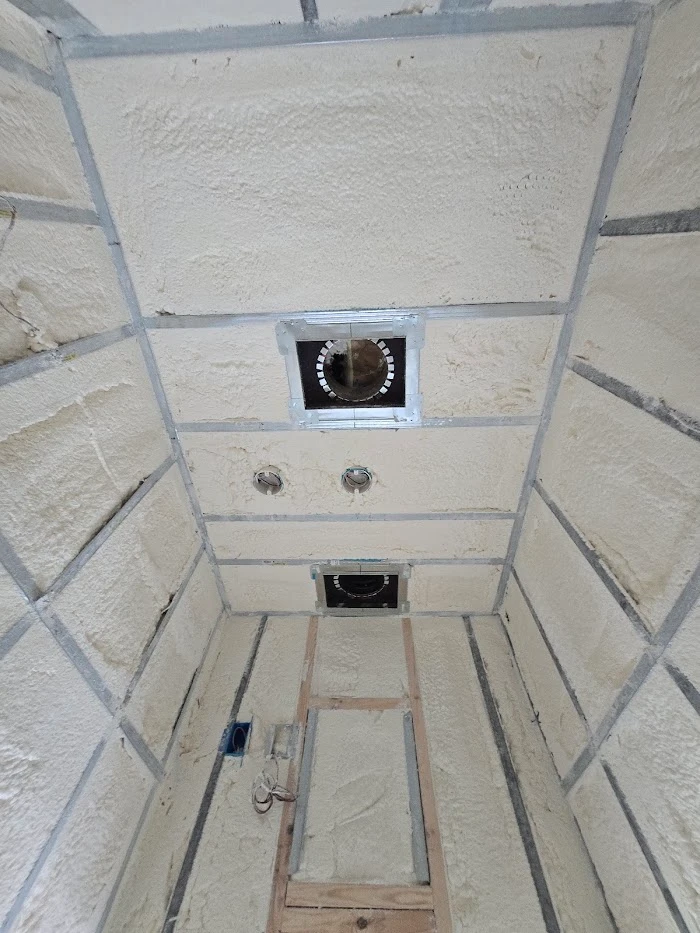
Bonus Tip: During installation, coordinate with electrical and plumbing contractors to complete all penetrations before foam application. This approach ensures a truly continuous air barrier without compromising system access or maintenance requirements.
Bonus Tip: Consider adding radiant barrier coating to exterior walls after foam installation. This combination reflects additional heat while maintaining the moisture barrier, especially valuable for south and west-facing walls in Lantana’s intense sun exposure.
Bonus Tip: Install temperature and humidity sensors in multiple locations to verify system performance. This data helps optimize HVAC operations and confirms the insulation is performing as expected under real-world conditions.
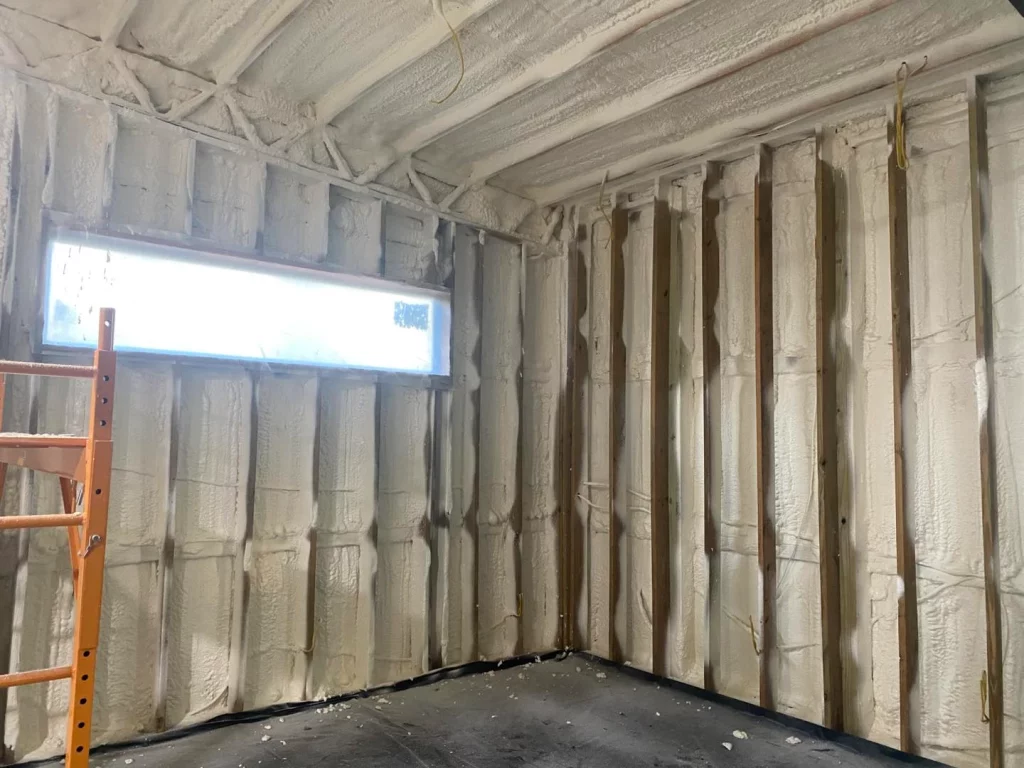
Closed-cell spray foam insulation offers unmatched protection for indoor pools in Lantana’s challenging climate. Its combination of moisture resistance, superior thermal performance, and structural benefits addresses the specific problems that plague pool facilities in humid environments. The material’s ability to create continuous air and vapor barriers prevents the costly damage that commonly occurs with lesser insulation systems.
For property owners considering indoor pool construction or renovation, the choice of insulation directly impacts long-term operating costs, maintenance requirements, and building durability. While the initial investment exceeds traditional materials, the lifetime value proposition becomes clear when factoring in energy savings, reduced repairs, and equipment longevity. The material’s performance characteristics align perfectly with the demands of indoor pool environments, making it the logical choice for Florida installations.
All in OverHall provides comprehensive insulation solutions specifically designed for Lantana’s indoor pool challenges. Our team offers detailed assessments, moisture control planning, and professional installation services. Contact [email protected] or call (561) 406-3835 to schedule a consultation and evaluate how closed-cell spray foam can protect your investment while reducing operating costs for years to come.
Closed-cell spray foam insulation requires virtually no maintenance once properly installed. Unlike other materials, it doesn’t settle, degrade, or lose performance over time. The only attention required is to ensure mechanical systems continue to operate correctly to maintain proper humidity levels.
In most cases, existing insulation should be removed before spray foam application, especially in moisture-prone areas like indoor pools. Moisture-absorbed fiberglass creates hidden problems that foam cannot resolve. Complete removal allows for proper inspection and repair of any underlying damage before installing the new system.
The recommended thickness varies by application but typically ranges from 2-4 inches for walls and 4-6 inches for ceilings in Lantana’s climate. The exact specification depends on the building’s construction, HVAC capacity, and specific humidity control requirements. Professional installers can calculate the optimal thickness based on these factors.
When properly cured, closed-cell spray foam is completely inert and safe for indoor pool environments. The initial installation period requires ventilation due to chemical off-gassing, but once cured (typically within 24-48 hours), the material is non-toxic and improves indoor air quality by preventing mold growth and moisture intrusion.
The dense cellular structure of closed-cell spray foam provides sound-dampening benefits, reducing echo and noise transmission in pool areas. While not designed specifically for acoustic control, many users report noticeably better sound quality compared to traditionally insulated spaces, enhancing comfort for swimmers and spectators.