Why Closed-Cell Spray Foam Insulation Is Ideal for Indoor Pools in Lantana, FL
Closed-cell spray foam insulation stands out as the optimal solution for indoor pools in Lantana, Florida, due to its exceptional…


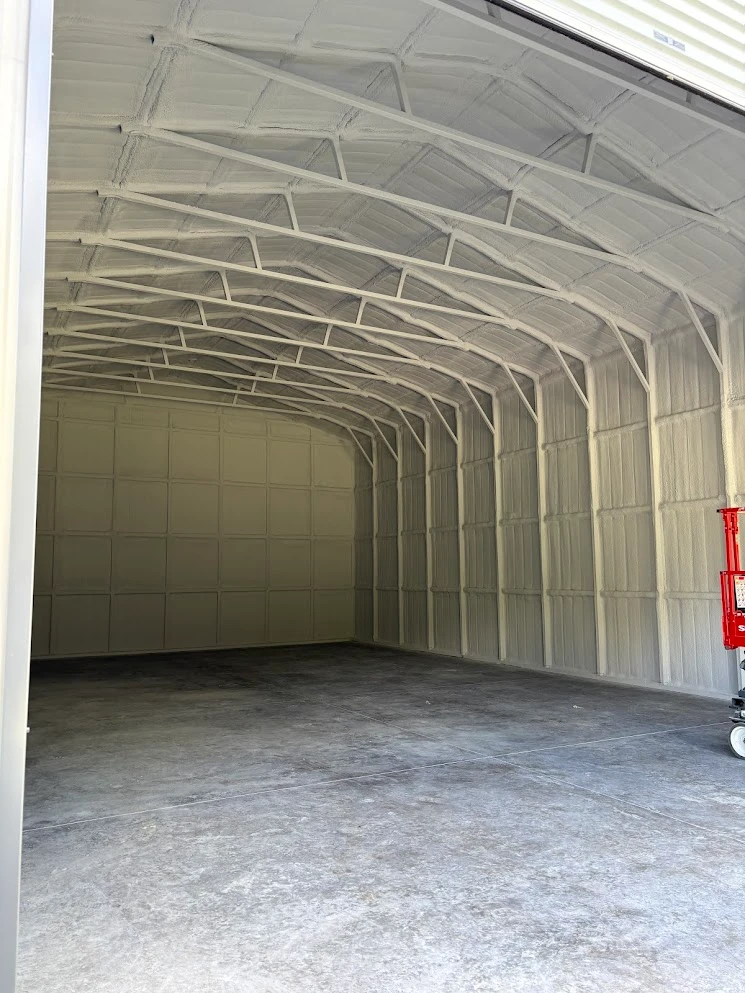
Commercial freezers depend on closed-cell spray foam insulation because it provides the highest R-value per inch among insulation materials, creates an airtight seal that prevents moisture infiltration, and adds structural integrity to freezer walls. This combination of thermal efficiency, moisture resistance, and structural support makes closed-cell spray foam the superior choice for maintaining consistent sub-zero temperatures while minimizing energy costs in commercial refrigeration applications. The following article explains the technical advantages, performance characteristics, and practical considerations that make this insulation technology the industry standard for commercial freezer applications.
Closed-cell spray foam insulation works through a chemical reaction that combines two components (isocyanate and polyol resin) at the application site. This reaction creates a cellular structure with trapped gas bubbles that are completely sealed off from each other. The closed-cell structure gives the foam its exceptional insulating properties, with typical R-values ranging from 6.0 to 7.0 per inch of thickness. According to the U.S. Department of Energy , this makes it roughly twice as effective as traditional insulation materials like fiberglass.
The foam expands up to 30 times its liquid volume when applied, filling every crack, gap, and void in the cavity. This complete fill eliminates thermal bridges that occur with other insulation types, where gaps or compression can create paths for heat transfer. The material also hardens into a rigid solid that adds structural strength to the freezer walls, resisting the pressure differentials between interior and exterior environments.
Different insulation methods perform significantly differently in commercial freezer applications. The following table compares the key metrics of common insulation options:
| Insulation Type | R-Value per Inch | Moisture Resistance | Air Barrier | Structural Support | Installation Complexity |
|---|---|---|---|---|---|
| Closed-Cell Spray Foam | 6.0-7.0 | Excellent (vapor permeability < 1 perm) | Yes | Adds 300-400% strength | Requires specialized equipment |
| Open-Cell Spray Foam | 3.5-4.0 | Poor (vapor permeability > 20 perms) | Yes | Minimal strength | Requires specialized equipment |
| Polyisocyanurate Board | 5.5-6.5 | Good (facer-dependent) | No (requires taping) | None | Moderate (cutting/fitting) |
| Extruded Polystyrene | 4.5-5.0 | Good (vapor permeability 1-2 perms) | No (requires taping) | None | Moderate (cutting/fitting) |
| Fiberglass Batts | 2.5-3.5 | Poor (absorbs moisture) | No | None | Easy, but performance gaps are common |
The data clearly shows why closed-cell spray foam dominates commercial freezer construction. Its combination of high R-value, superior moisture resistance, and air barrier properties creates a complete thermal envelope that other materials cannot match when properly applied.
The superior insulation performance of closed-cell spray foam directly translates to reduced energy consumption in commercial freezer operations. A report from the American Society of Heating, Refrigerating and Air-Conditioning Engineers (ASHRAE)) indicates that properly insulated commercial freezers using closed-cell spray foam can achieve 15-30% energy savings compared to those using traditional insulation methods.
The energy savings compound over the freezer’s lifespan. For a typical 8,000 cubic foot commercial freezer operating at -10°F, the reduced heat load from superior insulation can save approximately 50,000-75,000 kilowatt-hours annually. When multiplied across multiple units in a large operation, these savings become substantial enough to significantly impact business profitability.
Bonus Tip: The optimal insulation thickness for most commercial freezer applications ranges from 3-5 inches of closed-cell spray foam, providing R-values between 18 and 35. Going beyond 5 inches typically provides diminishing returns on investment due to the law of diminishing returns in insulation performance.
Moisture control represents one of the most critical challenges in commercial freezer construction. The temperature differential between interior (-20°F to 0°F) and exterior (often 70°F+) creates significant vapor drive that can cause condensation within wall assemblies if not properly managed. Closed-cell spray foam’s vapor permeability rating below 1.0 perm makes it an effective vapor barrier, preventing moisture migration and the associated problems of mold growth, material degradation, and reduced insulation performance.
The structural benefits of closed-cell spray foam particularly benefit commercial freezer applications. The cured foam adds compressive strength to wall assemblies, helping them withstand the constant pressure differentials between cold interior spaces and warmer exterior environments. This structural reinforcement can reduce the need for additional structural supports in some applications, potentially lowering construction costs and simplifying design.
The performance requirements for commercial freezer insulation vary significantly by geographic location and local climate. In hot, humid regions such as Florida and the Gulf Coast, the moisture-resistance properties of closed-cell spray foam become particularly critical due to the extreme vapor drive between warm, humid exterior conditions and cold interior spaces. Facilities in these regions often benefit from slightly increased insulation thickness to offset the additional heat gain.
Conversely, in colder northern climates, the emphasis shifts slightly toward maximizing R-value to combat the greater temperature differentials between cold ambient conditions and freezer interiors. The structural benefits of closed-cell spray foam are especially valuable in regions with significant snow loads, as the added rigidity helps wall assemblies resist deformation.
According to data from the U.S. Energy Information Administration, commercial refrigeration energy consumption varies by region, with southern states typically consuming 18-25% more energy due to higher ambient temperatures. This makes the superior insulating properties of closed-cell spray foam particularly valuable in warmer climates.

When evaluating insulation options for commercial freezer applications, several factors deserve careful consideration:
Initial Cost vs. Long-Term Value: Closed-cell spray foam typically involves higher upfront costs than alternatives such as rigid foam boards or fiberglass. However, the energy savings and reduced maintenance requirements often yield a 3-5-year payback through lower operating costs.
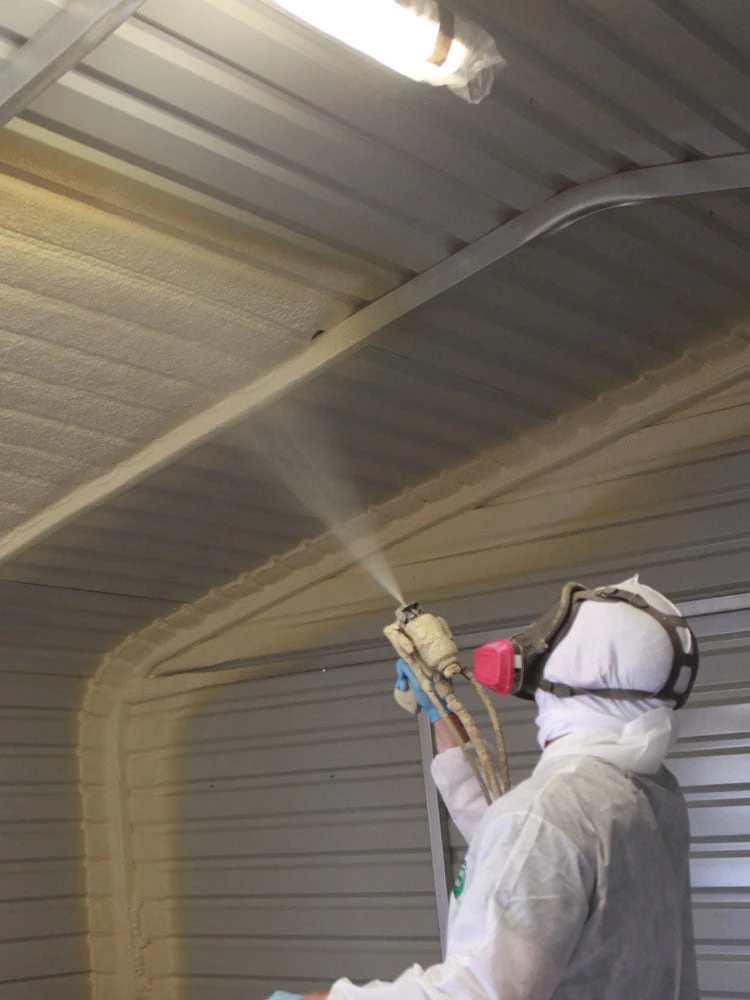
Application Complexity: Proper installation requires certified applicators with specialized equipment and training. The chemical components must be mixed and applied at specific temperatures and humidity levels to achieve optimal performance. This requirement can limit contractor options in some regions.
Building Code Compliance: Many jurisdictions now require commercial refrigeration facilities to meet specific energy efficiency standards. The high performance of closed-cell spray foam often helps projects comply with these requirements more easily than alternative materials.
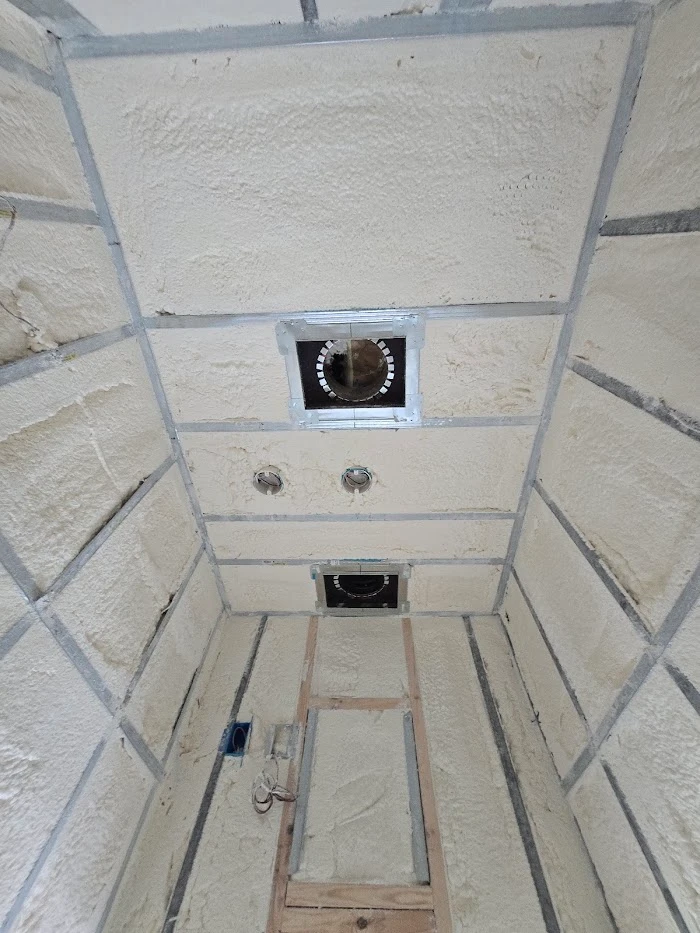
Integration with Building Systems: The rigid nature of cured spray foam can affect electrical and plumbing rough-in work. Planning must account for conduit and pipe placement before foam application, as post-curing modifications are difficult and expensive.
Bonus Tip: When budgeting for spray foam insulation, include a 10-15% contingency factor for waste and overspray, which are inevitable parts of the application process even with experienced installers.
The choice of insulation technology significantly impacts commercial freezer performance, energy efficiency, and operating costs. Closed-cell spray foam offers superior thermal performance, moisture management, and structural benefits that make it the preferred solution for most commercial refrigeration applications. When evaluating insulation options, consider not just the initial installation costs but the long-term energy savings, reduced maintenance requirements, and improved reliability that spray foam provides.
For businesses operating commercial freezers, particularly those with multiple units or facilities in energy-intensive regions, the investment in closed-cell spray foam insulation typically delivers compelling returns through reduced operating costs and improved system reliability. The material’s proven track record across diverse climate conditions and applications makes it a reliable choice for businesses seeking to optimize their refrigeration infrastructure.
All in OverHall specializes in commercial insulation solutions tailored to refrigeration applications. The company provides comprehensive assessments of existing freezer insulation systems and professional installation of closed-cell spray foam insulation for new construction and retrofit projects. For detailed analysis of your specific insulation needs or to schedule a consultation, contact the experts at All in OverHall via email at [email protected] or call (561) 406-3835 to discuss how proper insulation can reduce your commercial freezer operating costs.
For freezers maintaining temperatures above 0°F, 3 inches of closed-cell spray foam typically suffices. For applications below 0°F, 4-5 inches provides better thermal performance. Deep freeze applications at -20°F or below may require 6 inches or more, particularly in warmer climates.
Spray foam application typically adds 1-2 days to the construction schedule, including preparation and curing time. However, this can be offset by faster subsequent construction phases due to the immediate creation of a complete thermal envelope that allows other work to proceed regardless of weather conditions.
Yes, closed-cell spray foam contributes to multiple LEED credit categories, including energy efficiency, materials and resources, and indoor environmental quality. The material’s superior thermal performance and low VOC formulations (when properly selected) support green building initiatives.
Minor damage can often be repaired with specialized spray foam repair kits. For larger areas of damage, professional applicators can remove the affected section and reapply foam. The key is addressing damage promptly to prevent moisture infiltration at the compromised location.
Closed-cell spray foam actually performs better than many alternative insulation materials in seismic events. Its flexibility before curing and ability to bond to surrounding substrates helps maintain wall assembly integrity during structural movement, reducing the risk of insulation displacement or failure.