Why Closed-Cell Spray Foam Insulation Is Ideal for Indoor Pools in Lantana, FL
Closed-cell spray foam insulation stands out as the optimal solution for indoor pools in Lantana, Florida, due to its exceptional…

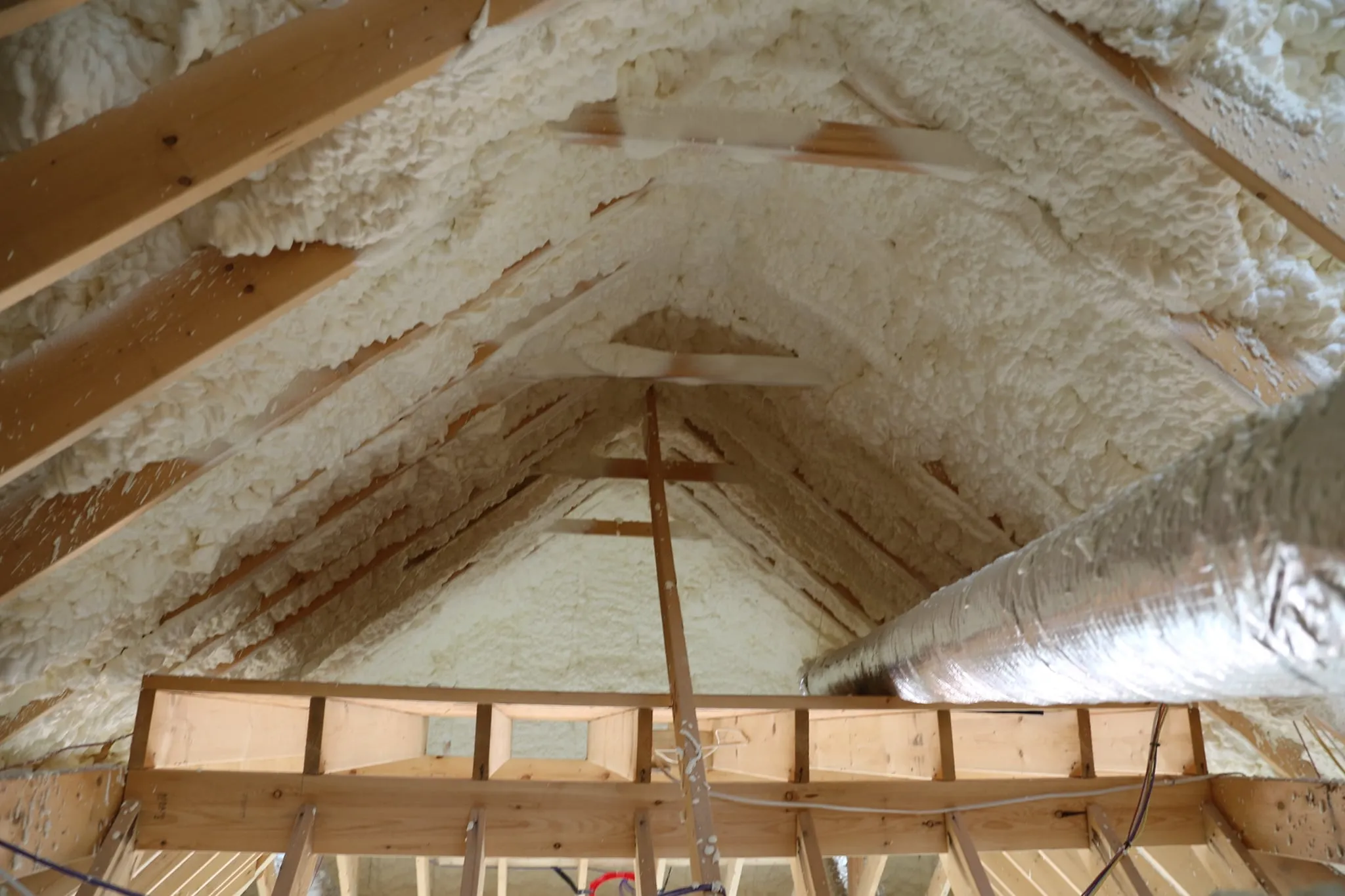
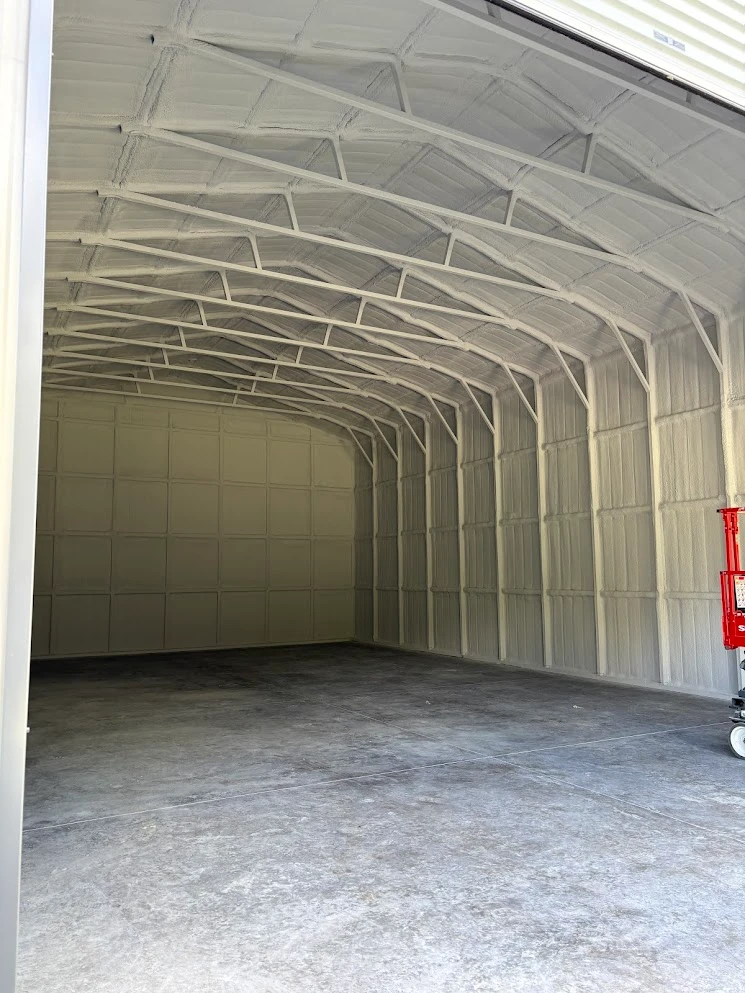
Spray foam insulation offers a comprehensive solution for industrial facilities by creating a powerful thermal barrier and a seamless air seal in a single application. Its primary benefits include substantial energy savings, superior moisture and condensation control, and added structural integrity to building envelopes. Unlike traditional insulation materials that can leave gaps and sag over time, spray foam expands to fill every crack and crevice, effectively stopping air leakage, which is a major source of energy loss in large buildings. This guide provides a detailed look at how spray foam performs and why it is a leading choice for warehouses, manufacturing plants, and other industrial structures.
Drawing on extensive field experience, this article explains the practical advantages of using spray foam insulation in demanding industrial environments. The information presented here is based on industry best practices and technical knowledge gained from countless commercial projects. Recent spray foam contractor expansion highlights how growing service capabilities are helping more industrial and commercial clients benefit from professional insulation solutions.
The effectiveness of insulation is measured by its R-value, which indicates its resistance to heat flow. Spray polyurethane foam (SPF) has one of the highest R-values per inch of any commercially available insulation. This means it provides exceptional thermal performance without requiring excessive thickness, saving valuable space within the facility.
The most significant advantage, however, is its ability to act as an air barrier. A report from the U.S. Department of Energy highlights that uncontrolled air leakage can account for a large portion of a building’s heating and cooling costs. Spray foam expands upon application, creating a monolithic seal that adheres directly to the substrate. This eliminates the drafts and air exchanges common with materials like fiberglass batts or rigid boards, which have seams and joints that are difficult to seal perfectly. A tightly sealed building envelope helps maintain consistent indoor temperatures, reducing the workload on HVAC systems and lowering utility bills. The global insulation market is projected to continue growing, a trend driven by the rising demand for energy-efficient building solutions, according to analysis by Grand View Research.
Industrial facilities, particularly those with metal roofs and walls, are highly susceptible to condensation. When warm, moist indoor air comes into contact with a cold surface, water vapor condenses into liquid, leading to moisture problems. This can cause rust and corrosion on steel components, damage to stored goods, and the growth of mold and mildew.
Closed-cell spray foam is an effective solution because it functions as a vapor barrier. Its tightly packed cell structure is impermeable to water and moisture vapor, preventing them from reaching the building’s structural surfaces. By keeping the surface temperature of the interior walls and roof deck above the dew point, spray foam effectively stops condensation from forming. This is especially important in environments with high humidity, such as food processing plants or agricultural storage facilities.
Bonus Tip: While spray foam creates an excellent vapor barrier, it’s important to ensure the facility has adequate mechanical ventilation. A well-sealed building requires a properly designed HVAC system to manage indoor air quality and control humidity levels effectively.
Beyond its insulating properties, closed-cell spray foam adds significant structural strength to buildings. When applied, the foam cures into a dense, rigid material that adheres tenaciously to the surfaces it covers. This “gluing” effect helps to reinforce walls and roof decks, increasing their resistance to racking forces from high winds and heavy snow loads. Research available from the Spray Polyurethane Foam Alliance confirms that the application of closed-cell SPF can increase the structural capacity of certain building assemblies.
This added rigidity is particularly beneficial for large metal buildings, which often have lightweight construction. The foam helps to reduce vibrations and movement in the structure, contributing to a longer lifespan for the building envelope. Once installed, spray foam is a durable, long-term solution that does not shrink, settle, or degrade over time, ensuring consistent performance for decades.
Choosing the right insulation requires comparing key performance metrics. The following table breaks down the differences between common insulation materials used in industrial settings.
| Feature | Closed-Cell Spray Foam | Fiberglass Batts | Rigid Foam Board |
|---|---|---|---|
| R-Value per Inch | 6.0 – 7.0 | 3.1 – 4.3 | 4.0 – 6.5 |
| Air Seal | Excellent (Monolithic) | Poor (Gaps and seams) | Fair (Requires taping) |
| Moisture Barrier | Excellent (Vapor barrier) | Poor (Absorbs moisture) | Good (Some are vapor barriers) |
| Structural Strength | Adds significant rigidity | None | Minimal |
| Lifespan | 80+ years | 10 – 25 years | 50+ years |
Before committing to spray foam insulation, facility managers should evaluate several factors to ensure it is the right fit for their specific needs.
The function of the facility dictates the insulation requirements. A climate-controlled warehouse storing sensitive electronics has different needs than a steel fabrication shop. Consider the desired indoor temperature range, humidity control requirements, and the nature of the operations conducted inside.
Inspect the current state of the building. Is there old, underperforming insulation that needs to be removed? The substrate (metal, concrete, wood) must be clean, dry, and free of contaminants for the spray foam to adhere properly. Any necessary repairs or preparations should be factored into the project plan.
Spray foam installation is a relatively fast process, but it requires the work area to be cleared and properly ventilated. Plan for potential downtime and schedule the installation during off-peak hours or planned shutdowns to minimize disruption to your operations.
Spray foam typically has a higher upfront cost compared to some traditional insulation materials. However, it’s important to calculate the long-term ROI. Factor in projected energy savings, reduced maintenance costs (e.g., rust prevention), and the extended lifespan of the building to get a complete picture of the investment.
Bonus Tip: Ask for an energy audit or a performance estimate. A qualified contractor can often provide a projection of potential energy savings based on the building’s size, usage, and local climate data. This can help justify the initial investment.
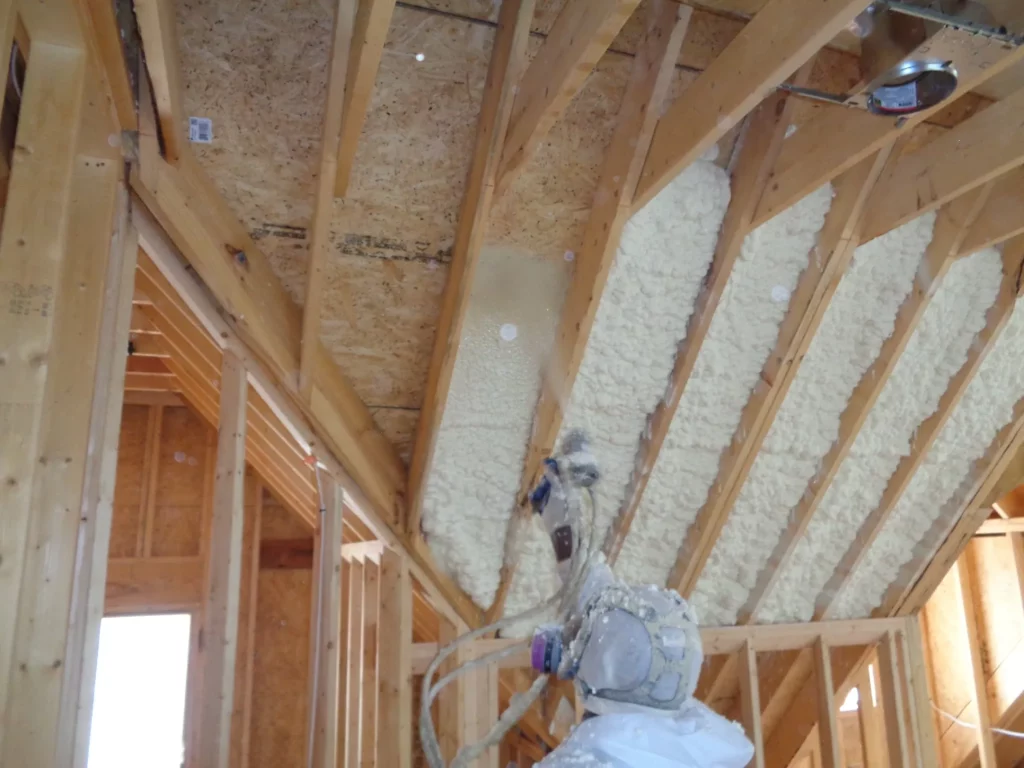
Open-cell spray foam is lighter, less dense, and has a sponge-like texture. It’s a good air barrier and sound-dampening agent but is permeable to moisture. Closed-cell spray foam is dense, rigid, and has a tightly packed cell structure that makes it an air, water, and vapor barrier. For most industrial applications, especially on exterior walls and roofs, closed-cell foam is the preferred choice due to its superior strength, R-value, and moisture resistance.
Yes, both open-cell and closed-cell spray foams help dampen sound. By sealing all gaps and cracks, they block airborne sound transmission from the outside. The foam’s cellular structure also absorbs sound energy, which can help reduce noise levels from machinery and other operations inside the facility, creating a more comfortable working environment.
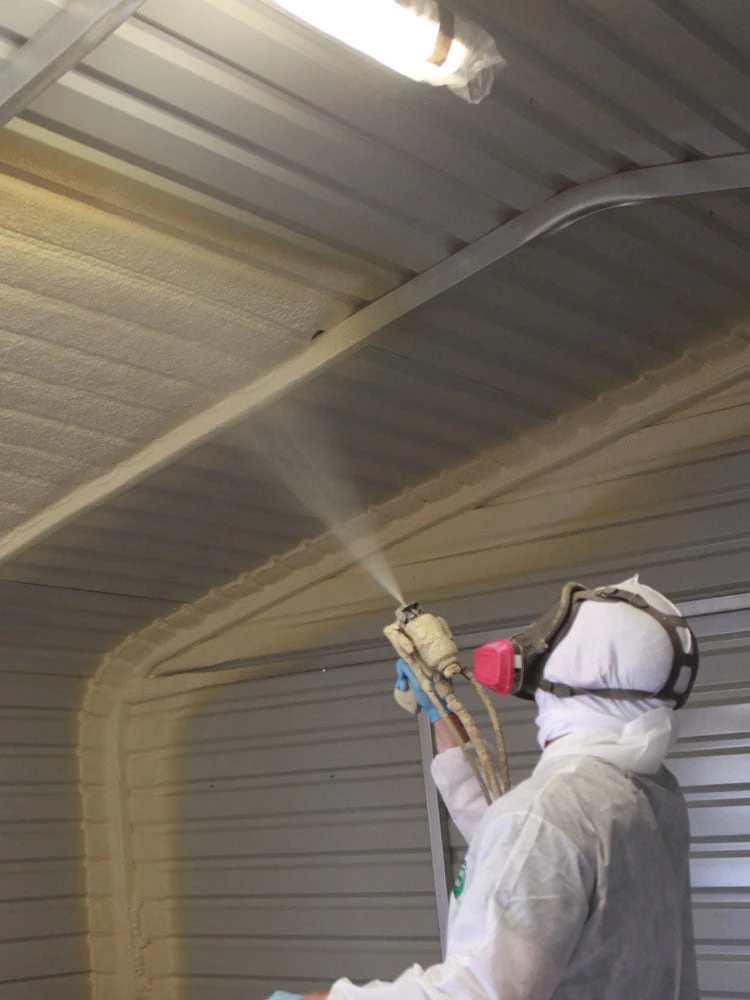
Safety is the top priority. The application area must be isolated and well-ventilated to contain chemical overspray and fumes. Personnel not involved in the installation process and not wearing appropriate personal protective equipment (PPE) must be kept out of the immediate area until the foam has fully cured.
Spray foam contributes to green building standards primarily through its high energy efficiency. By reducing a building’s energy consumption for heating and cooling, it lowers its carbon footprint. The material’s durability also means less waste from replacement over the building’s lifespan. Some products are also formulated with renewable or recycled content.
Spray foam is typically tack-free within minutes of application. However, it requires additional time to fully cure and off-gas. Re-occupancy times can vary depending on the specific product, application thickness, and ventilation, but it is generally safe for workers to re-enter the area without respiratory protection after 24 hours. Always follow the manufacturer’s specific guidelines.
Choosing the right insulation is a critical decision that impacts a facility’s operational costs, maintenance requirements, and overall longevity. Spray foam provides a high-performance solution that addresses energy efficiency, moisture control, and structural integrity simultaneously. By creating a seamless, airtight seal, it delivers consistent results that outperform many traditional materials.
Before moving forward, carefully evaluate your facility’s specific conditions, operational goals, and long-term budget. A thorough assessment will ensure you select an insulation system that provides maximum value for years to come.
A professional assessment is the first step toward improving your facility’s performance. A detailed evaluation can identify sources of energy loss and potential moisture issues that need to be addressed. To get a clear understanding of your building’s insulation needs, it’s best to consult with experienced technicians. For a detailed assessment, contact the team at ALL IN OVERHALL. An insulation specialist can be reached by calling (561) 406-3835 or by sending an email to [email protected].