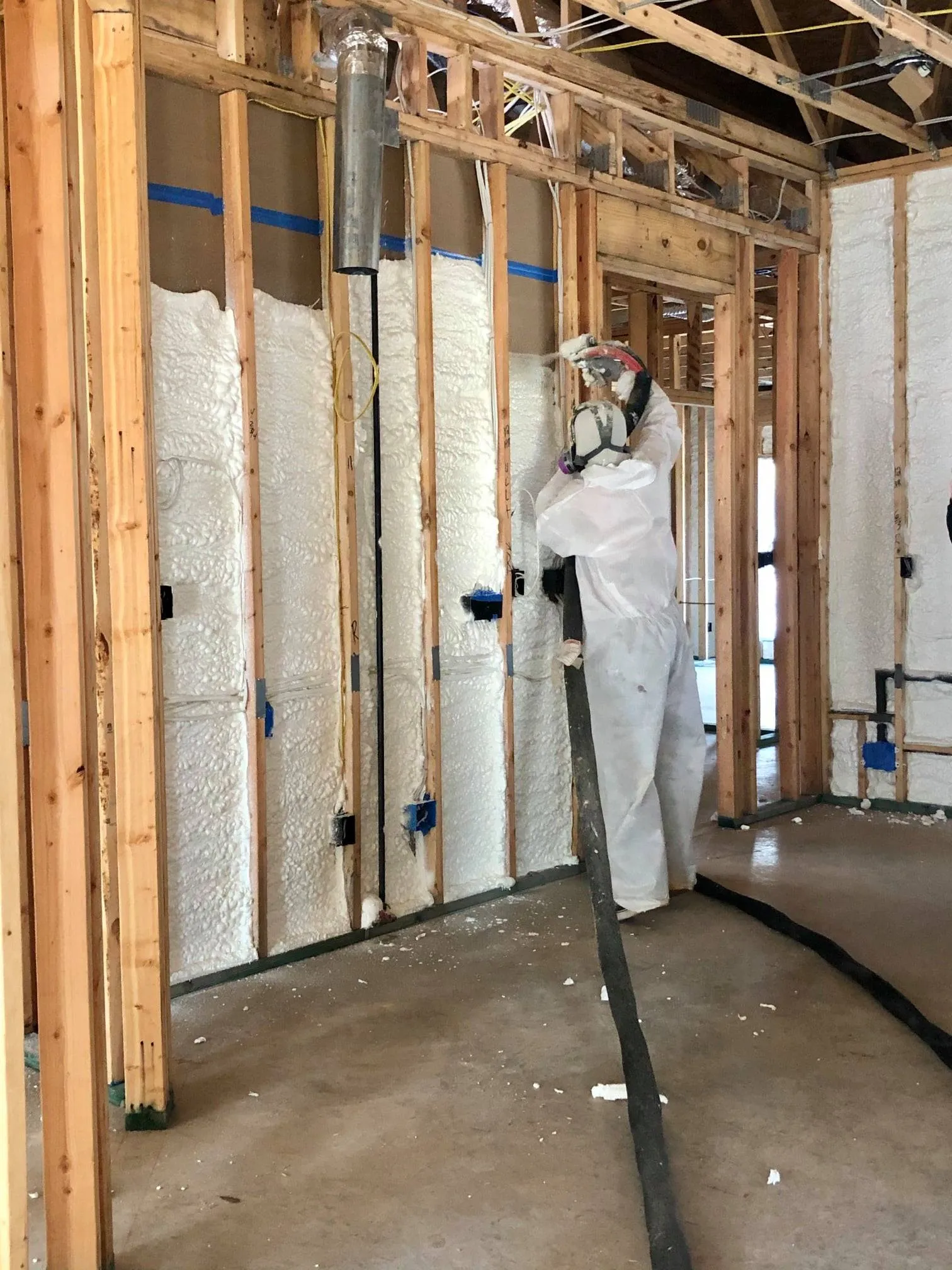
What makes spray foam more effective than traditional fiberglass batts
admin-allinoverhall
January 19th, 2026
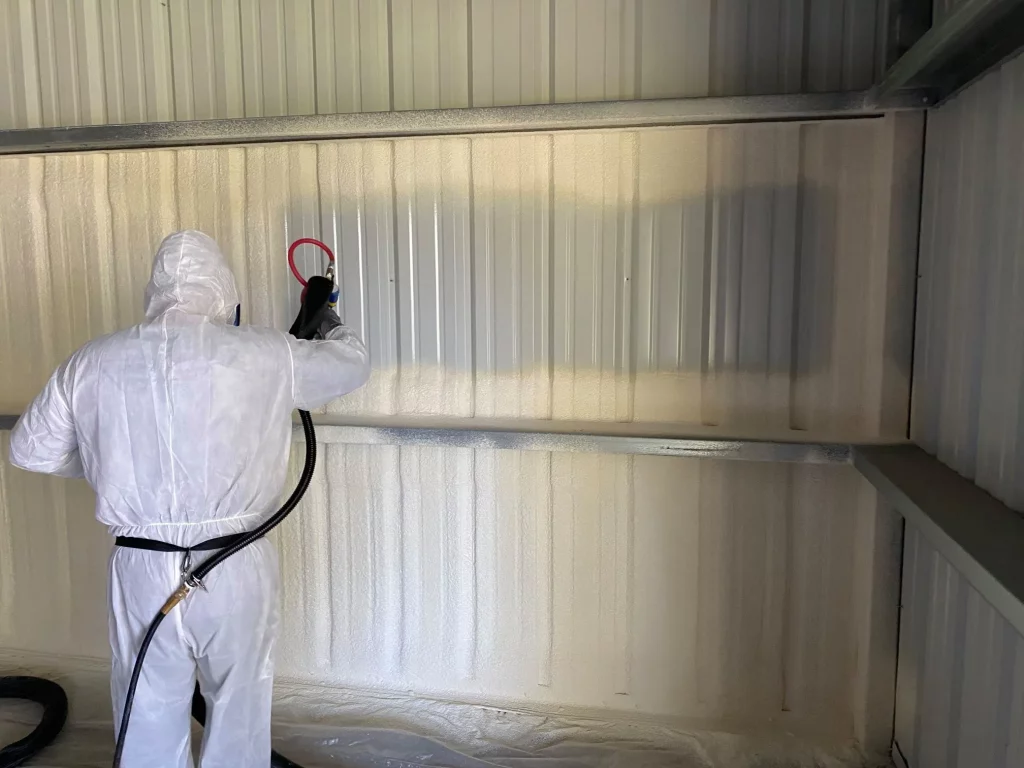
Spray foam insulation outperforms traditional fiberglass batts primarily because it creates an airtight seal while providing superior thermal resistance. Unlike fiberglass batts that merely slow heat transfer, spray foam insulation fills gaps and cracks, preventing air leakage and providing significantly higher R-values per inch of thickness. This combination of air sealing and insulation properties results in substantially better energy efficiency and moisture control throughout a building’s envelope.
The information below is based on extensive hands-on experience with both insulation types across hundreds of residential and commercial projects. This practical knowledge helps explain why spray foam has become the preferred choice for energy-conscious builders and homeowners seeking long-term performance benefits.
Comparing Performance Metrics
When evaluating insulation materials, performance matters more than marketing claims. The following table breaks down the key differences between spray foam and fiberglass batts:
Performance Factor
Spray Foam Insulation
Fiberglass Batts
R-Value Per Inch
6.5-7.0 (closed cell) / 3.5-4.0 (open cell)
2.9-3.8
Air Sealing
Excellent – creates an airtight barrier
Poor – allows air leakage
Moisture Resistance
High (closed cell) / Moderate (open cell)
Low – absorbs moisture
Lifespan
80+ years
15-20 years
Installation Quality
Consistent when applied properly
Highly dependent on the installer
Pest Resistance
Excellent
Poor – provides nesting material
The R-value differences are substantial. Closed-cell spray foam delivers nearly twice the insulation value per inch of thickness as high-end fiberglass. This means less material is needed to achieve the same thermal performance, preserving interior space while providing better results.
Air Sealing Capabilities
Air leakage accounts for up to 40% of a home’s energy loss, according to research from the U.S. Department of Energy. Fiberglass batts cannot address this fundamental issue because they’re designed to fit into pre-defined spaces but don’t seal against air movement. Even professionally installed fiberglass leaves gaps around studs, electrical boxes, plumbing penetrations, and at framing interfaces.
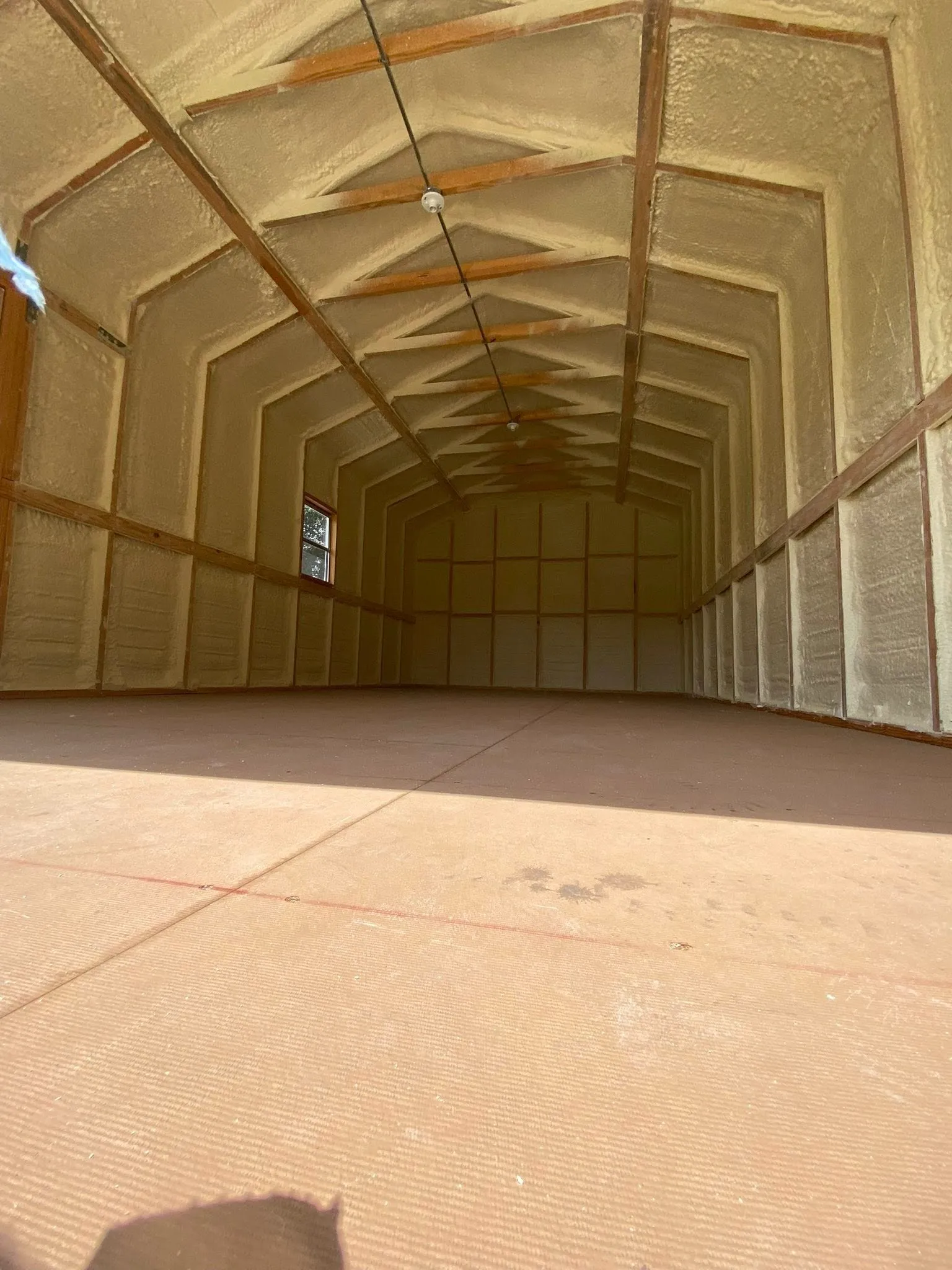
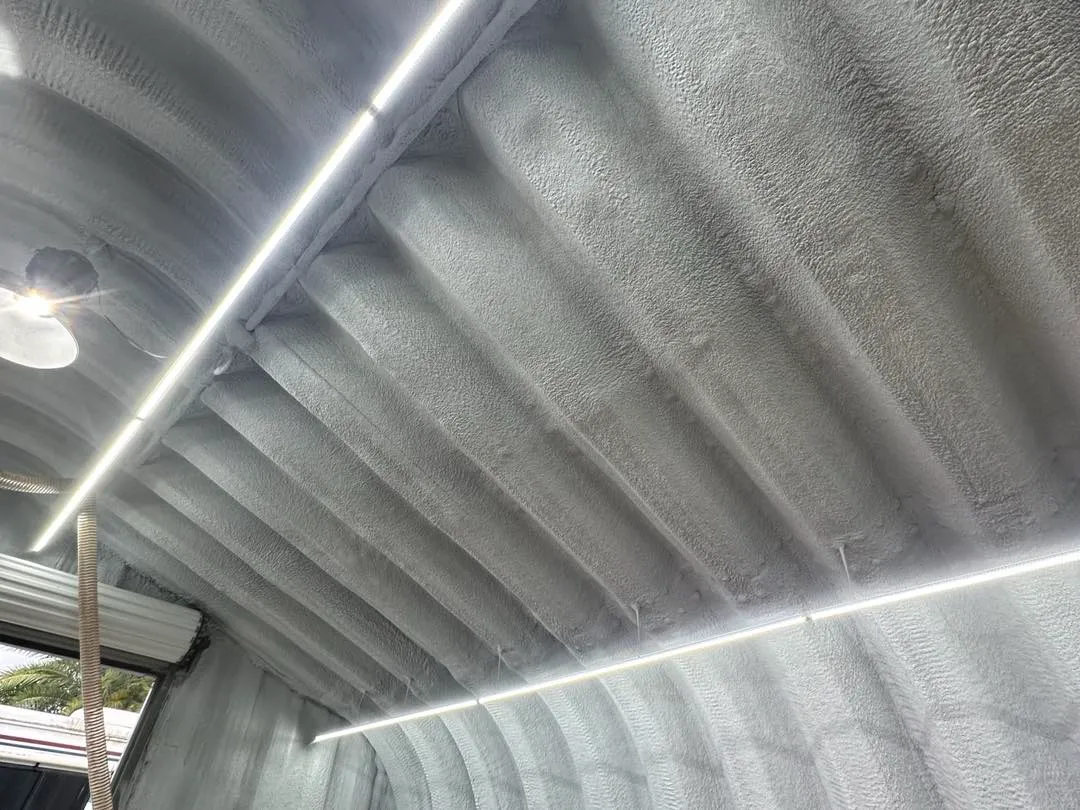
Spray foam expands to fill every void, creating a continuous air barrier. This air sealing capability alone accounts for much of its performance advantage. During installation, spray foam can be applied around obstacles like wiring and piping, eliminating the thermal bridging paths that plague fiberglass installations.
The air sealing benefits extend beyond energy efficiency. By preventing uncontrolled air movement, spray foam reduces the infiltration of outdoor pollutants, allergens, and dust. This creates healthier indoor air quality and reduces the load on HVAC filtration systems.
Moisture Control and Prevention
Moisture management represents another critical difference between these insulation types. Fiberglass batts offer virtually no resistance to moisture vapor movement and can absorb water when exposed to leaks or condensation. Once fiberglass becomes damp, its R-value plummets, and it can become a breeding ground for mold and mildew.
Closed-cell spray foam acts as a vapor barrier with a permeability rating of less than 1.0 perm. This makes it an excellent choice for humid climates like Florida, where controlling moisture infiltration is essential for preventing mold growth and structural damage. Open-cell spray foam, while more vapor-permeable, still provides better moisture resistance than fiberglass and allows drying to the interior when properly installed.
The moisture-control properties of spray foam help prevent common problems such as rot in framing members and degradation of wall assemblies. By eliminating air movement through walls, spray foam reduces condensation risk that occurs when warm, moist air contacts cold surfaces within wall cavities.
What makes spray foam more effective than traditional fiberglass batts 2
Installation Quality and Consistency
The effectiveness of any insulation system depends heavily on the quality of its installation. Fiberglass batts are particularly vulnerable to poor installation. Even small gaps, compressed sections, or improper fitting around obstacles can dramatically reduce performance. Unfortunately, achieving perfect installation with batts is nearly impossible in real-world conditions.
Spray foam installation, while requiring specialized equipment and training, delivers more consistent results when applied properly. The material expands to fill irregular spaces, automatically compensating for imperfections in the framing or substrate. This reduces the potential for installation errors that compromise performance.
However, spray foam installation does require proper preparation and technique. Surfaces must be clean and dry, and the application must be performed at the correct temperature and humidity. Improper mixing or application can result in inadequate expansion, off-gassing issues, or poor adhesion to substrates.
Cost Considerations
The upfront cost difference between spray foam and fiberglass is substantial. Spray foam typically costs 2-3 times more per square foot than fiberglass batts. However, this simple comparison doesn’t tell the complete story. The energy savings from spray foam can offset the initial investment within 5-7 years in many applications.
According to data from the North American Insulation Manufacturers Association, homes with spray foam insulation can save 30-50% on heating and cooling costs compared to similar homes with fiberglass insulation. This results from both the higher R-values and the elimination of air leakage.
When evaluating costs, consider the long-term benefits:
Reduced energy bills month after month
Smaller HVAC systems can be specified due to lower heating/cooling loads
Better humidity control reduces the need for additional dehumidification
Longer lifespan means no replacement costs
Potential tax credits or utility rebates for energy efficiency improvements
Things to Consider Before Making a Decision
Building science decisions should be based on your specific situation rather than generic recommendations. Several factors influence which insulation system makes the most sense:
Climate zone plays a significant role. In hot, humid climates like South Florida, the moisture resistance and air sealing properties of spray foam provide outsized benefits. In milder climates, the cost-benefit analysis might favor high-quality fiberglass.
Building design matters too. Complex structures with many penetrations, vaulted ceilings, or irregular framing benefit more from spray foam’s gap-filling properties. Simple rectangular boxes can be effectively insulated with fiberglass if installed meticulously.
Budget constraints cannot be ignored. If immediate costs are the primary concern, fiberglass allows for basic insulation within tighter budgets. Some homeowners opt for a hybrid approach, using spray foam in critical areas like rim joists and crawl spaces while using fiberglass in accessible wall cavities.
Future occupancy patterns should factor into the decision. Buildings intended for long-term occupancy benefit most from spray foam’s permanent performance characteristics. Short-term or speculative construction might prioritize lower upfront costs.
Making Your Insulation Choice
The choice between spray foam and fiberglass ultimately depends on your specific circumstances, budget, and performance goals. Spray foam delivers superior energy efficiency, air sealing, and moisture control but comes with higher upfront costs. Fiberglass provides basic insulation at a lower initial expense but cannot match spray foam’s comprehensive building envelope protection.
Consider your long-term plans for the property, local climate challenges, and available budget. For maximum energy efficiency and building performance, spray foam represents the superior technical solution. For budget-constrained projects or milder climates, properly installed fiberglass can provide adequate basic insulation.
Each home presents unique challenges that affect which system makes the most sense. Evaluating your specific needs with a qualified insulation professional will help determine the optimal approach for your situation and ensure lasting performance regardless of which material you choose.
Get Professional Assessment
All in Over Hall provides comprehensive insulation evaluations to help homeowners determine the most cost-effective solutions for their specific needs. Professional assessments consider local climate conditions, building construction, and energy usage patterns to recommend appropriate insulation systems. Contact [email protected] or call (561) 406-3835 to schedule a consultation that addresses your particular insulation requirements and budget considerations.
Frequently Asked Questions
What is the payback period for spray foam insulation?
The payback period typically ranges from 5-10 years, depending on climate, energy costs, and construction quality. Homes with high energy bills or extreme weather conditions often see faster returns through reduced utility expenses.
Can homeowners install spray foam themselves?
DIY spray foam kits are available for small projects, but professional installation is recommended for whole-home applications. Proper equipment, training, and safety precautions are essential for good results and avoiding health hazards.
Does spray foam attract pests?
Unlike fiberglass, which can provide nesting material for rodents and insects, spray foam offers no food value and creates a barrier that deters pest intrusion. The material is too dense for most pests to burrow through effectively.
Is spray foam better for soundproofing?
Open-cell spray foam provides excellent sound-dampening properties due to its density and ability to absorb vibrations. Closed-cell foam offers less sound reduction but still outperforms fiberglass in most acoustic applications.
How does spray foam affect home resale value?
Energy-efficient features increasingly influence homebuyers’ decisions. Homes with spray foam insulation often sell faster and at premium prices, particularly in energy-conscious markets where utility costs are a significant concern.
Sources
U.S. Department of Energy – Government research on air leakage and energy loss in residential buildings
Spray foam insulation outperforms traditional fiberglass batts primarily because it creates an airtight seal while providing superior thermal resistance. Unlike…
Cheap insulation solutions cost more over time through higher energy bills, frequent replacements, and potential property damage. In Wellington’s hot,…