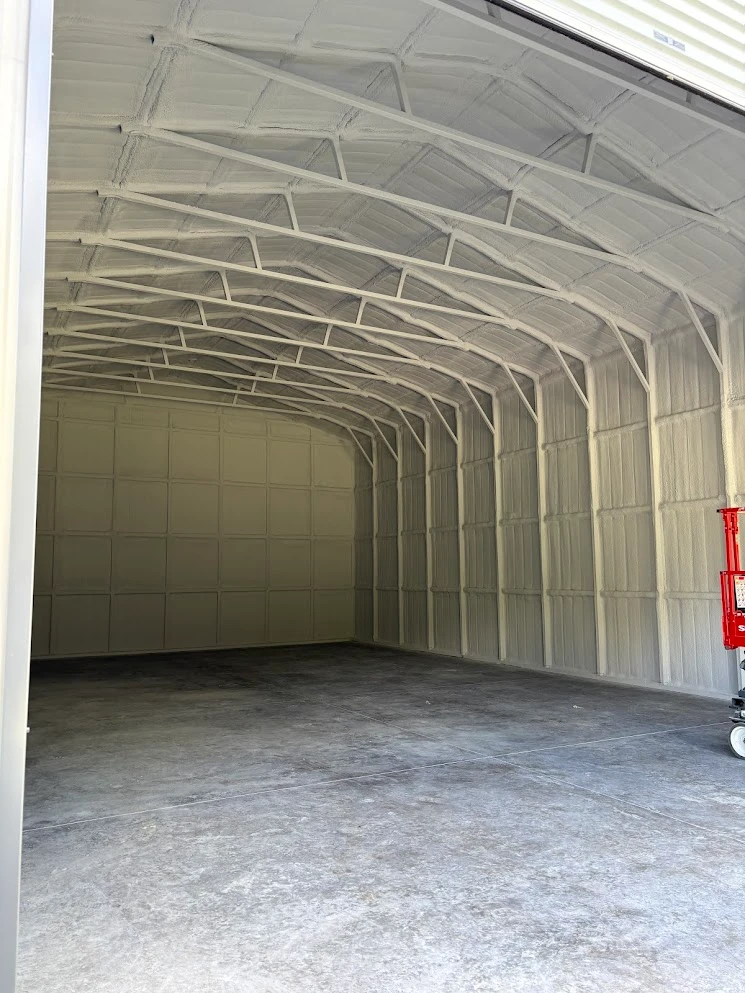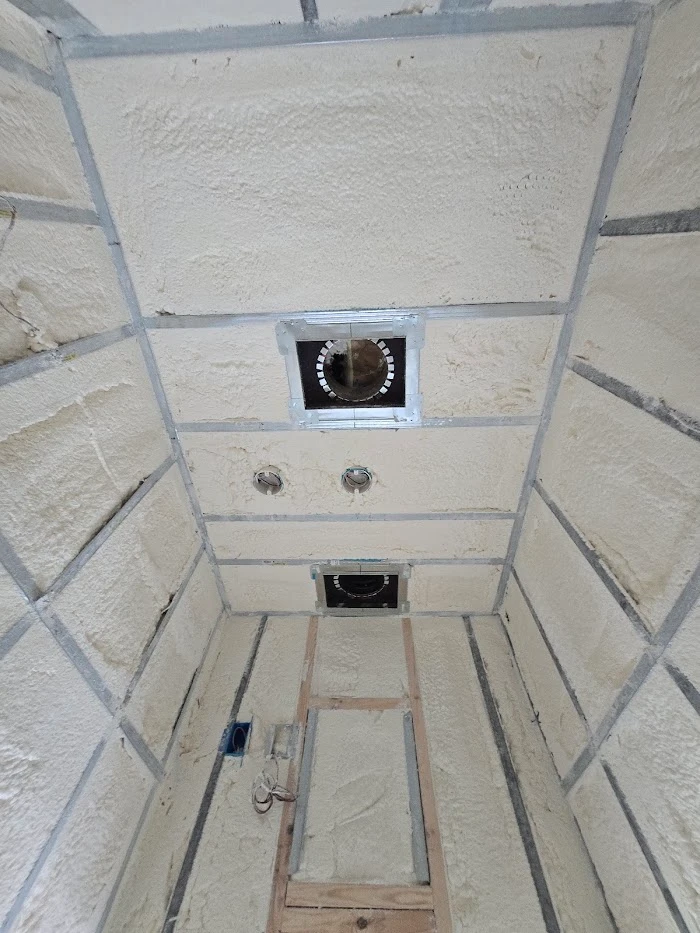
Why Closed-Cell Spray Foam Insulation Is Ideal for Indoor Pools in Lantana, FL
Closed-cell spray foam insulation stands out as the optimal solution for indoor pools in Lantana, Florida, due to its exceptional…

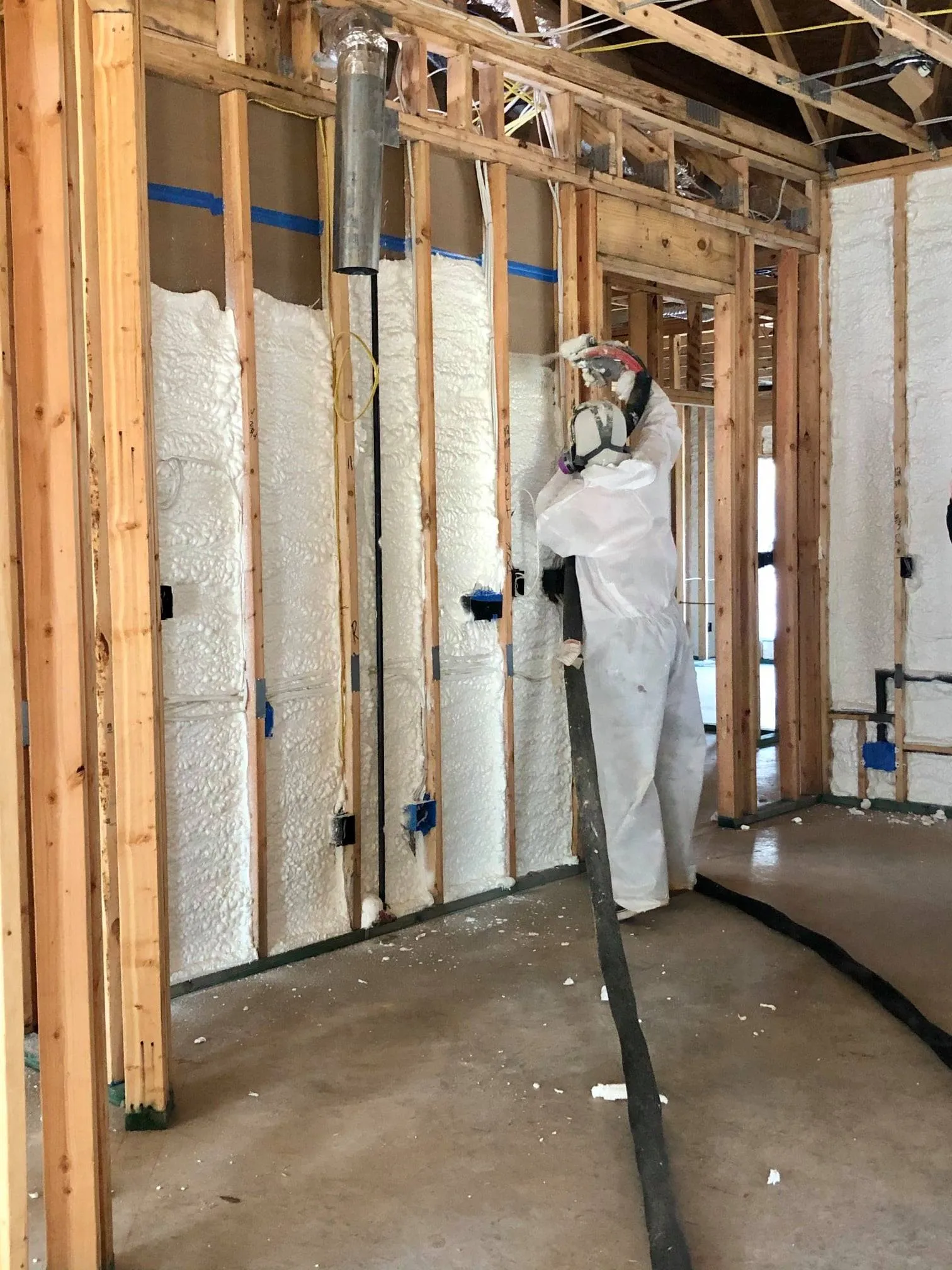
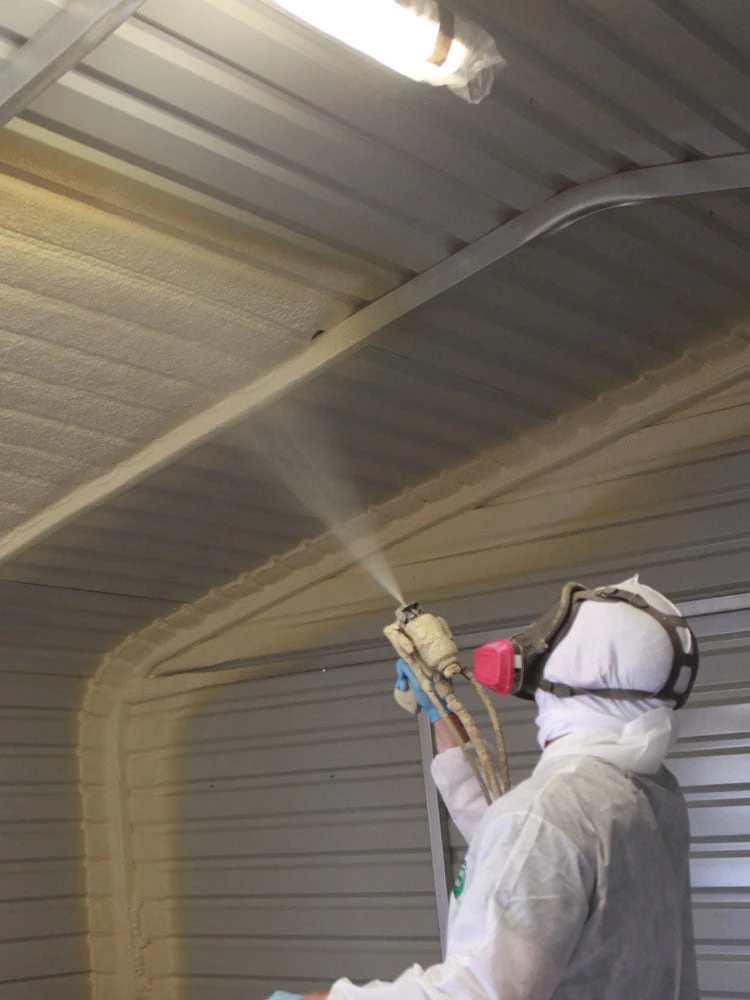
Spray foam insulation cuts household costs by creating an airtight seal that prevents conditioned air from escaping and blocks outdoor air from entering. This thermal barrier reduces heating and cooling bills by an average of 15% to 50% immediately after installation. Beyond monthly energy savings, spray foam protects the structural integrity of a home by repelling moisture, preventing expensive mold remediation, and reducing the workload on HVAC systems, which extends their operational lifespan.
Upgrading insulation is often viewed as a construction expense, but data suggests it functions more like an investment with compounding returns. ALL IN OVERHALL recognizes that homeowners need to look past the sticker price to see the long-term math. While fiberglass or cellulose might be cheaper upfront, they lack the air-sealing properties that generate substantial financial leverage over ten or twenty years.
The primary financial benefit of spray foam comes from its ability to stop air leakage. Traditional insulation materials like fiberglass batt function like a wool sweater; they keep you warm, but wind cuts right through them. Spray foam acts like a windbreaker. It expands up to 100 times its original liquid volume, filling cracks, crevices, and gaps that standard insulation misses.
When a home has air leaks, the heating and cooling system must run constantly to maintain a comfortable temperature. A report from the Department of Energy indicates that air leakage accounts for 25% to 40% of the energy used for heating and cooling in a typical American home. By sealing these leaks, families stop paying to heat or cool the neighborhood.
Most homes suffer from the “stack effect.” In winter, warm air rises and escapes through the attic, creating a vacuum that pulls cold air in through the basement or crawlspace. Spray foam breaks this cycle. Sealing the attic floor or roof deck keeps the warm air inside, meaning the furnace runs less often.
Bonus Tip: Check the recessed lighting fixtures in the ceiling. These are notorious for leaking air into the attic. A small amount of spray foam around these canisters can make a noticeable difference in room comfort.
Replacing an HVAC unit is one of the most expensive maintenance costs a homeowner faces, often ranging from $5,000 to over $12,000. Spray foam insulation directly contributes to the longevity of these systems.
When a home is poorly insulated, the HVAC system must “short cycle” or run continuously to reach the thermostat setting. This constant operation causes excessive wear and tear on blower motors, compressors, and fans. A well-insulated envelope creates a stable indoor environment. The temperature holds steady for hours, allowing the HVAC system to rest.
Because the thermal load on the house is lower, the equipment does not need to work as hard. In many cases involving new construction or major renovations, the efficiency gains from spray foam allow builders to install smaller, less expensive HVAC units. This saves money on the initial purchase and continues to save electricity every month.
Water is the enemy of any building structure. Moisture intrusion leads to wood rot, drywall damage, and mold growth. Remediation for severe mold issues can easily cost thousands of dollars and often isn’t fully covered by standard homeowners insurance.
Closed-cell spray foam acts as a vapor barrier. It is impermeable to water. Unlike fiberglass, which absorbs moisture and loses its insulating ability (R-value) when wet, closed-cell foam sheds water. This is particularly vital in crawlspaces and basements where ground moisture tries to migrate upward into the living space.
Market Data: According to the Environmental Protection Agency, moisture control is the key to mold control. Preventing moisture entry saves homeowners from health-related costs and expensive structural repairs down the road.
Gaps in a building’s envelope serve as an open invitation for mice, rats, bats, and insects. These pests cause physical damage by chewing through wires and drywall. They also leave behind waste that compromises air quality.
Spray foam creates a hardened barrier that is difficult for pests to penetrate. While it is not a pesticide, the physical blockage denies entry. Rodents rely on air currents to smell food and warmth inside a home. By sealing the air leaks, the scent paths are eliminated, making the home less attractive to critters passing by. This reduces the need for recurring exterminator contracts and repairs associated with pest damage.
Energy-efficient homes command higher market prices. Buyers are increasingly aware of the total cost of ownership. A house with documented low energy bills and high-performance insulation is more attractive than a drafty comparable home.
Furthermore, federal and state governments offer financial incentives to encourage energy efficiency. The Inflation Reduction Act provides tax credits for insulation upgrades. Information published by the IRS confirms that homeowners can claim up to 30% of the project cost for qualified energy-efficiency improvements, subject to annual limits.

| Feature | Fiberglass Batt | Open-Cell Foam | Closed-Cell Foam |
|---|---|---|---|
| Air Seal | Poor | Good | Excellent |
| Moisture Barrier | No (Absorbs water) | Breathable | Yes (Waterproof) |
| Structural Strength | None | Minimal | Adds rigidity to walls |
| Lifespan | 10-15 Years (Sags) | 80+ Years | 80+ Years |
| Initial Cost | Low | Moderate | High |
| Long-Term Savings | Low | High | Highest |
Before scheduling an installation, homeowners should evaluate their specific goals. If the primary goal is sound dampening between interior walls, open-cell foam is often the better choice due to its noise-reducing properties. For exterior walls and basements where moisture is a concern, closed-cell foam is superior.
Consider the removal of old insulation. Old fiberglass that has been inhabited by rodents is a biohazard. Professional removal is often necessary before new foam can be applied. While this adds to the upfront cost, it ensures the new insulation bonds correctly to the substrate.
No, properly installed spray foam does not shrink, settle, or sag. It adheres to the surface where it is applied and maintains its shape and R-value indefinitely, unlike loose-fill or batt insulation.
While “froth packs” exist for small cracks, insulating a whole house requires professional equipment and precise temperature control. Improper mixing can lead to chemical odors or failure to cure. It is a job best left to certified professionals.
Savings vary based on climate, home size, and current insulation levels. However, most families see energy costs drop by 15% to 50% immediately. The return on investment typically takes 3 to 5 years, after which the savings are pure profit.
A house needs fresh air, but it should be controlled ventilation, not accidental leakage through dirty attics. Mechanical ventilation (like an ERV or HRV) is recommended in extremely tight homes to ensure fresh, filtered air circulates without losing energy efficiency.
Spray foam insulation offers a multi-faceted approach to saving money. It attacks the root cause of high energy bills by eliminating air leakage, protects the physical structure from moisture and pests, and reduces the strain on expensive HVAC machinery. While the upfront investment is higher than traditional materials, the reduction in monthly operational costs and the increase in property value provide a clear path to financial recovery. Families looking to control their budget should audit their current insulation situation to see where upgrades could stop the financial bleed.
Stop letting your hard-earned money escape through the attic. ALL IN OVERHALL provides expert spray foam installation that secures your home’s thermal envelope.
Contact us today for a consultation:
Invest in your home’s future and start saving on your energy bills next month.