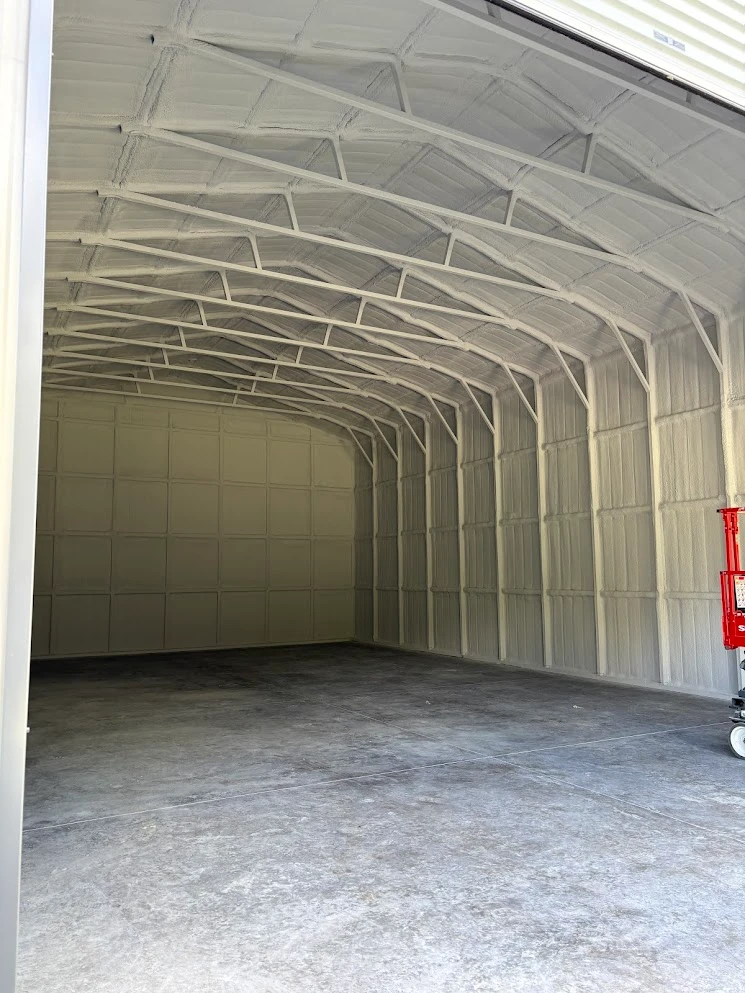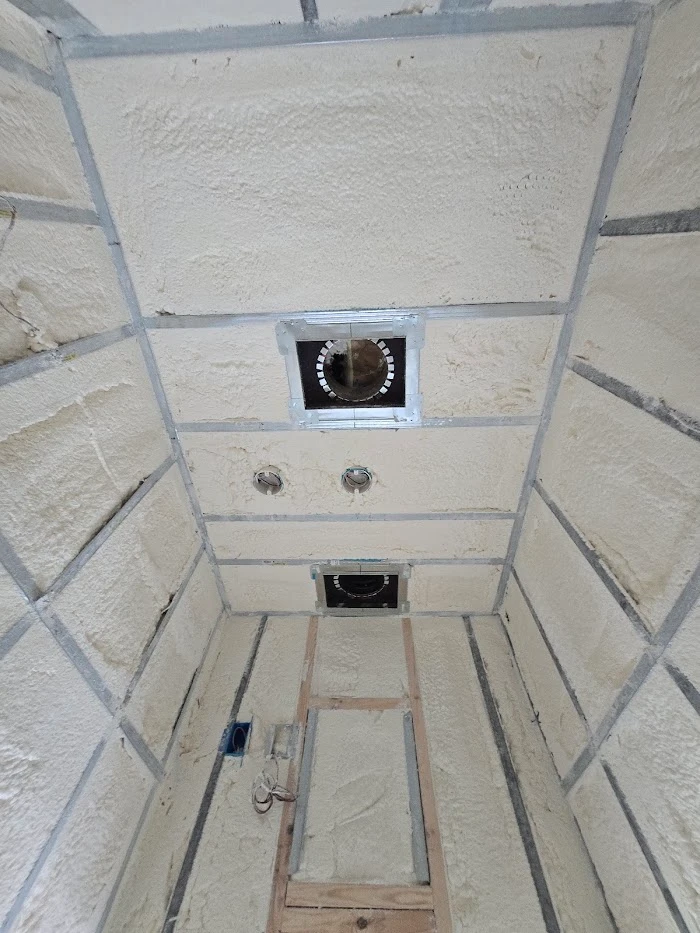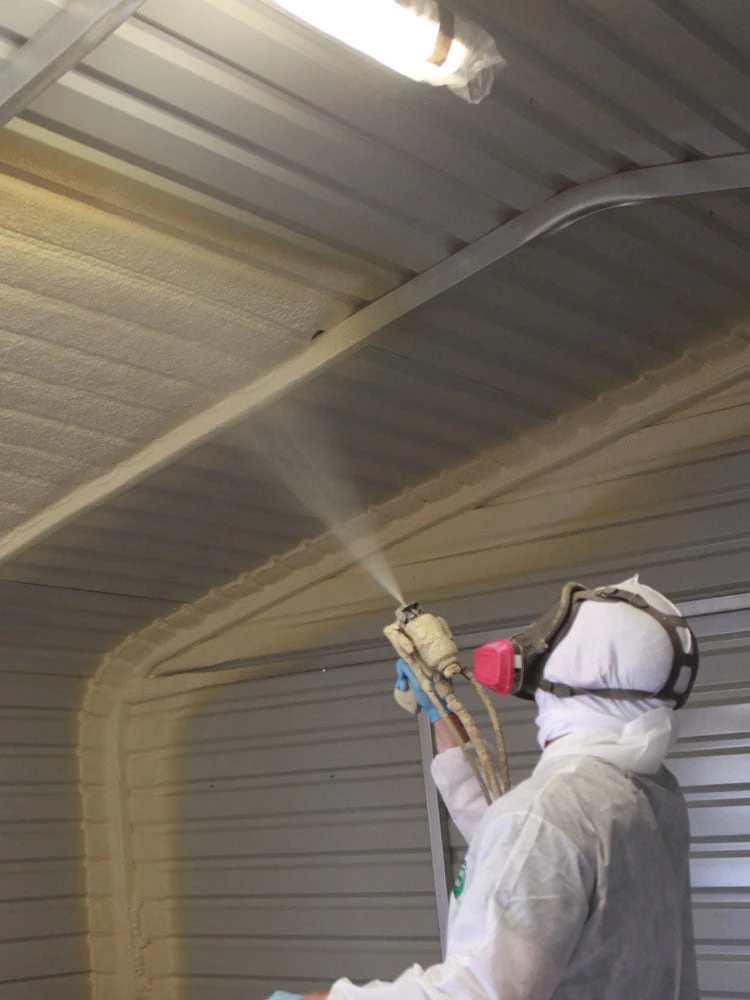
Why Closed-Cell Spray Foam Insulation Is Ideal for Indoor Pools in Lantana, FL
Closed-cell spray foam insulation stands out as the optimal solution for indoor pools in Lantana, Florida, due to its exceptional…


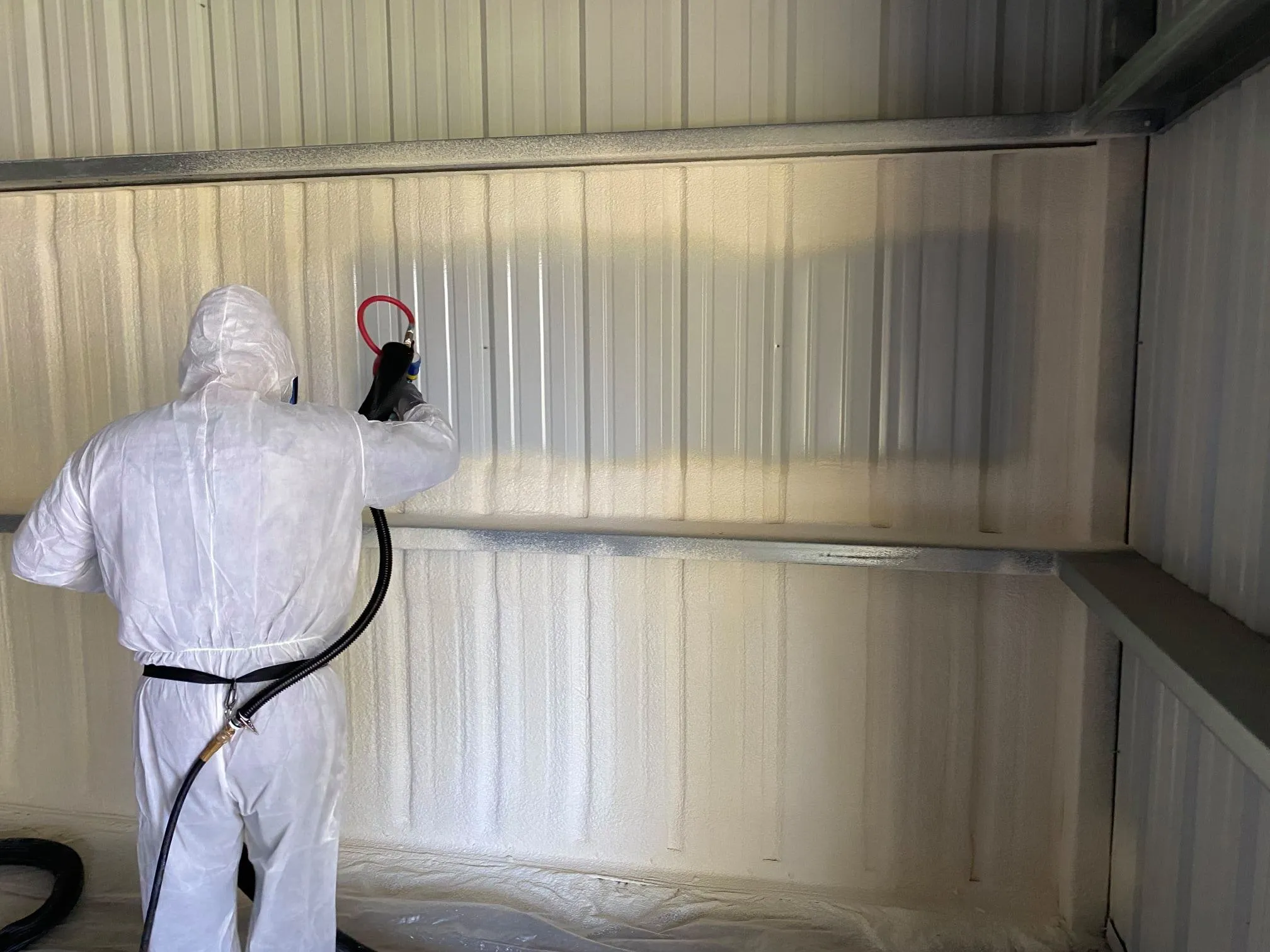
When spray polyurethane foam (SPF) is applied, the process is far from over once the spraying stops. The foam undergoes a critical chemical reaction known as curing. This is the process where the two liquid components, an isocyanate and a polyol resin, mix and react to expand, harden, and form the final, solid insulation material. The curing process happens in stages, starting with a rapid expansion that occurs in seconds, followed by the foam becoming tack-free to the touch within minutes. The final stage is the full cure, where the foam completely hardens and stabilizes, which typically takes about 24 hours.
Understanding this curing timeline is essential for ensuring the insulation’s performance, durability, and the safety of the building’s occupants. This article explains what happens chemically and physically after spray foam is applied, based on extensive field experience with these materials. Recent spray foam service updates also highlight how professional installation practices ensure proper curing and long-term performance.
Spray foam insulation isn’t just a material that dries out; it’s created through an exothermic chemical reaction. This means it releases heat as it forms. When the two liquid components are pumped through heated hoses and mixed at the tip of the spray gun, the reaction begins almost instantly.
This reaction creates the polyurethane polymer, and a blowing agent within the polyol blend causes the mixture to expand dramatically. The heat generated helps drive the reaction to completion. A proper ratio of the two components and the right application temperature are key for a complete and successful cure. If the ratios are off or the temperature is too low, the foam may not cure correctly, leading to performance issues.
The transformation from liquid to a rigid, insulating solid follows a clear timeline. While the exact times can vary based on specific product formulations and environmental conditions, the stages are consistent.
This is the most visible part of the process. Within two to ten seconds of being sprayed onto a surface, the liquid mixture will begin to expand. Open-cell foam can expand up to 100 times its initial volume, while closed-cell foam typically expands about 30 to 40 times. This rapid expansion is what allows the foam to fill every crack and crevice, creating a superior air seal.
After the initial expansion, the surface of the foam begins to harden. It becomes “tack-free,” meaning it’s no longer sticky to the touch, usually within 30 to 60 seconds. While the surface feels solid, the foam’s interior is still reacting and releasing heat. It’s important not to disturb the foam during this phase, as compressing it can affect its final structure and insulating properties.
The final cure takes much longer. Over the next 8 to 24 hours, the foam continues to harden and strengthen at a molecular level. During this period, the foam also completes its off-gassing phase. This is the release of volatile organic compounds (VOCs) that are byproducts of the chemical reaction. The U.S. Environmental Protection Agency explains that proper ventilation during and after application is critical to ensure these VOCs are cleared from the space. For this reason, the work area must be unoccupied by anyone without proper personal protective equipment (PPE) until the full cure is complete.
Bonus Tip: After the 24-hour curing period, it’s a good practice to air out the home for an additional day by opening windows to help clear any lingering odors.
Not every spray foam job cures at the same rate. Several environmental and application-specific factors can speed up or slow down the process.
The temperature of the air and the surface being sprayed (the substrate) is perhaps the most significant factor. Most SPF products require substrate temperatures of 40°F or higher for a proper reaction. Cold temperatures can slow the chemical reaction, leading to poor adhesion or an incomplete cure. High humidity can also interfere, potentially causing the foam to become overly brittle or soft. The Spray Polyurethane Foam Alliance highlights that maintaining the manufacturer’s recommended temperature range is a critical safety and quality control measure. Professional installers constantly monitor these conditions to ensure a quality application.
The type of foam used also matters. Open-cell and closed-cell foams have different densities and chemical compositions, which affect their curing profile.
| Feature | Open-Cell Foam | Closed-Cell Foam |
|---|---|---|
| Density | Low-density (approx. 0.5 lbs/ft³) | High-density (approx. 2.0 lbs/ft³) |
| Expansion | High expansion ratio | Moderate expansion ratio |
| Curing Heat | Generates less heat | Generates significant heat |
| Vapor Permeability | Permeable to vapor | Acts as a vapor barrier |
| Structural Rigidity | Flexible and soft | Rigid and strong |
Because closed-cell foam is denser, it generates more exothermic heat, which can influence how it cures, especially in thick applications.
Applying spray foam in layers that are too thick can trap too much heat. This can sometimes cause the foam to scorch or pull away from the studs. Experienced applicators apply the foam in “lifts,” or layers of appropriate thickness, allowing each layer to partially cure before the next is applied. This technique, known as picture framing, ensures a stable and effective final product.
A successful cure is directly linked to the insulation’s long-term performance and the safety of the indoor environment.
To achieve a successful spray foam installation, proper planning is essential. Homeowners and builders should be aware of a few key pre-application factors.
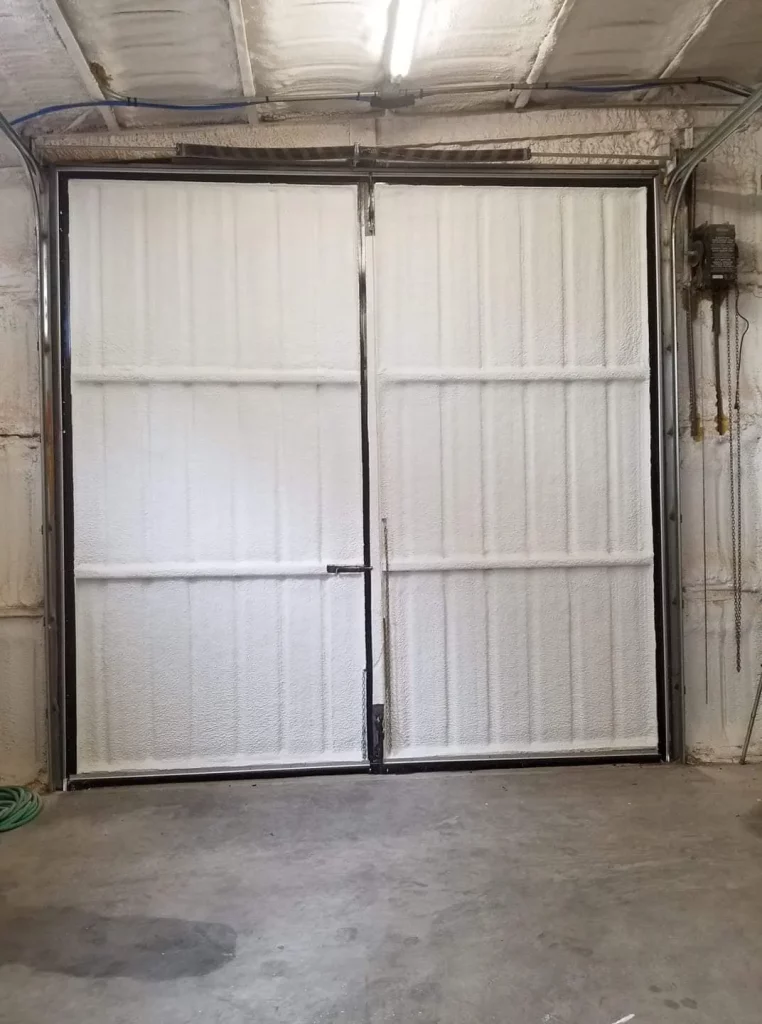
Moisture can disrupt the chemical reaction. Water on the substrate or high humidity in the air can affect the foam’s cell structure and its ability to adhere. This can lead to a lower-quality product that may need to be removed and replaced.
While experienced installers use climate control equipment to maintain optimal temperatures, trying to force a cure with external heat sources like space heaters is not recommended. This can cause the foam to cure unevenly or even create a fire hazard. The best approach is to let the chemical reaction proceed naturally under the right conditions.
Once spray foam has fully cured over the typical 24-hour period, off-gassing is complete. The finished product is inert and stable. Any lingering odor usually dissipates quickly with good ventilation and is often related to airborne particles from trimming rather than the foam itself.
Foam that remains sticky or soft after 24 hours is a sign of an incomplete cure. This is almost always caused by an incorrect ratio of the two chemical components, often due to equipment malfunction or applicator error. It can also be caused by applying the foam in temperatures that are too cold. This situation requires professional remediation, as the uncured foam must be removed.
The spray foam curing process is a precise chemical event that determines the insulation’s final quality and safety. From the initial expansion to the final hardening, each stage depends on the right materials, environmental conditions, and application technique. When done correctly, the result is a durable, high-performance insulation barrier that lasts for the life of the building.
For your project, it’s always best to evaluate your specific needs and ensure the conditions are right for a successful application.
Ensuring a proper cure requires technical knowledge and professional equipment. If you have questions about the spray foam process or need to discuss an insulation project, the team at ALL IN OVERHALL is available to provide clarity. For a detailed consultation, contact us by phone at (561) 406-3835 or send an email to [email protected].