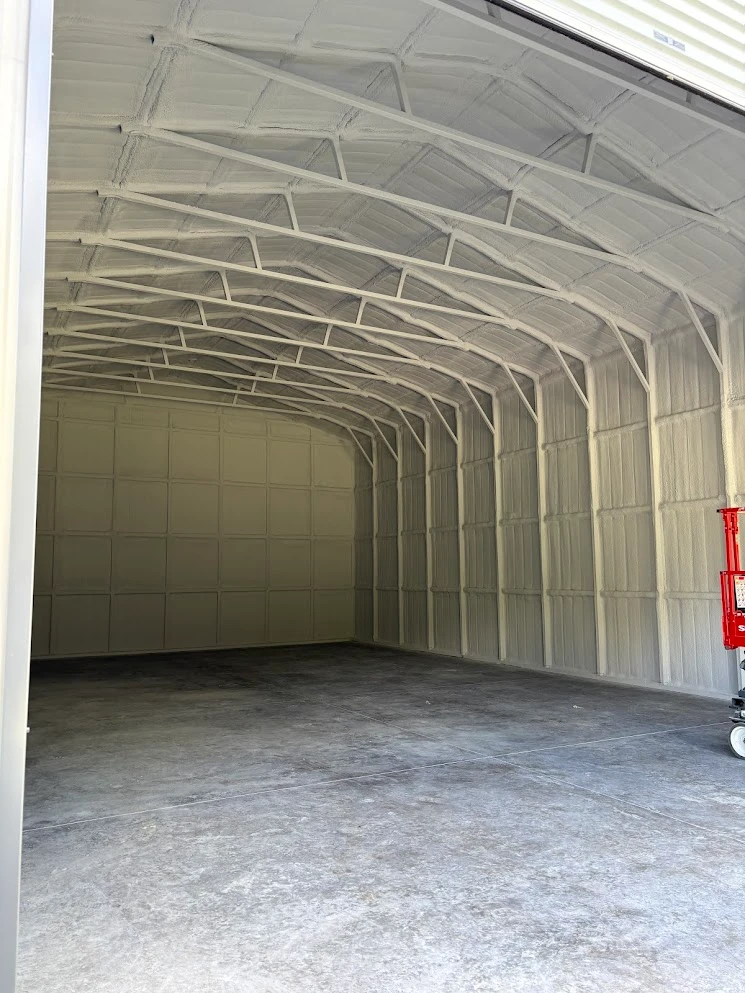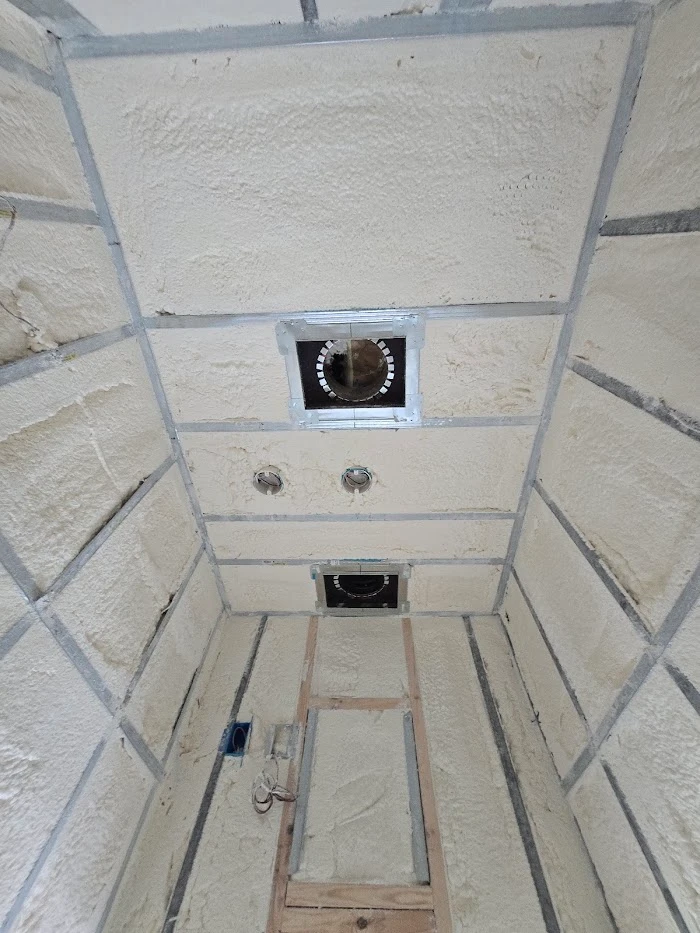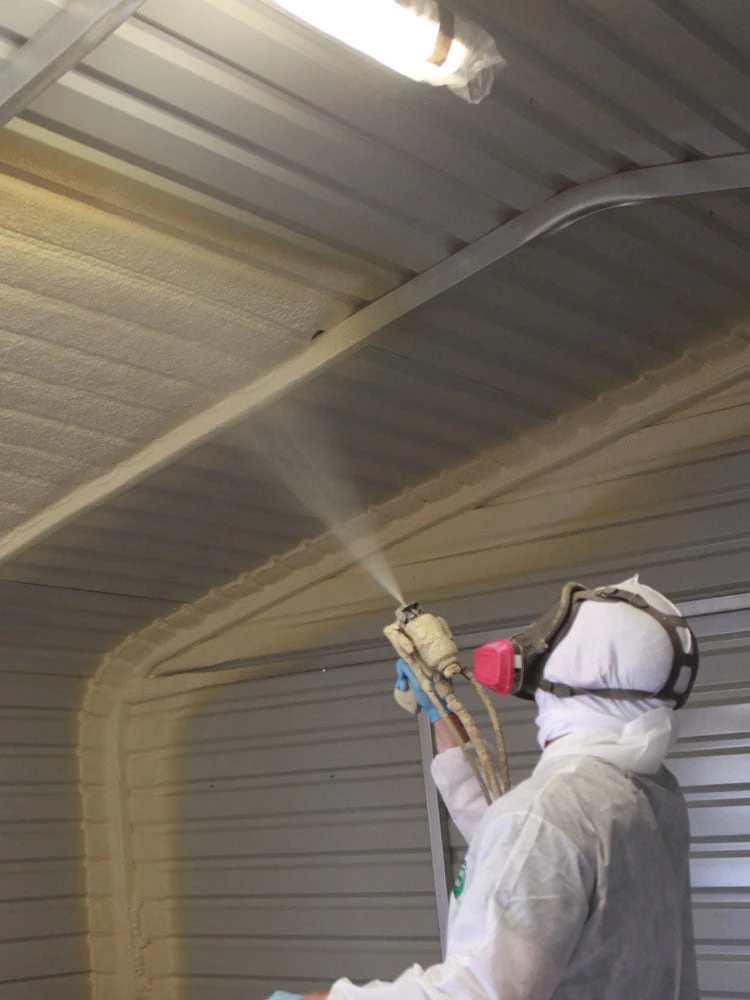
Why Closed-Cell Spray Foam Insulation Is Ideal for Indoor Pools in Lantana, FL
Closed-cell spray foam insulation stands out as the optimal solution for indoor pools in Lantana, Florida, due to its exceptional…

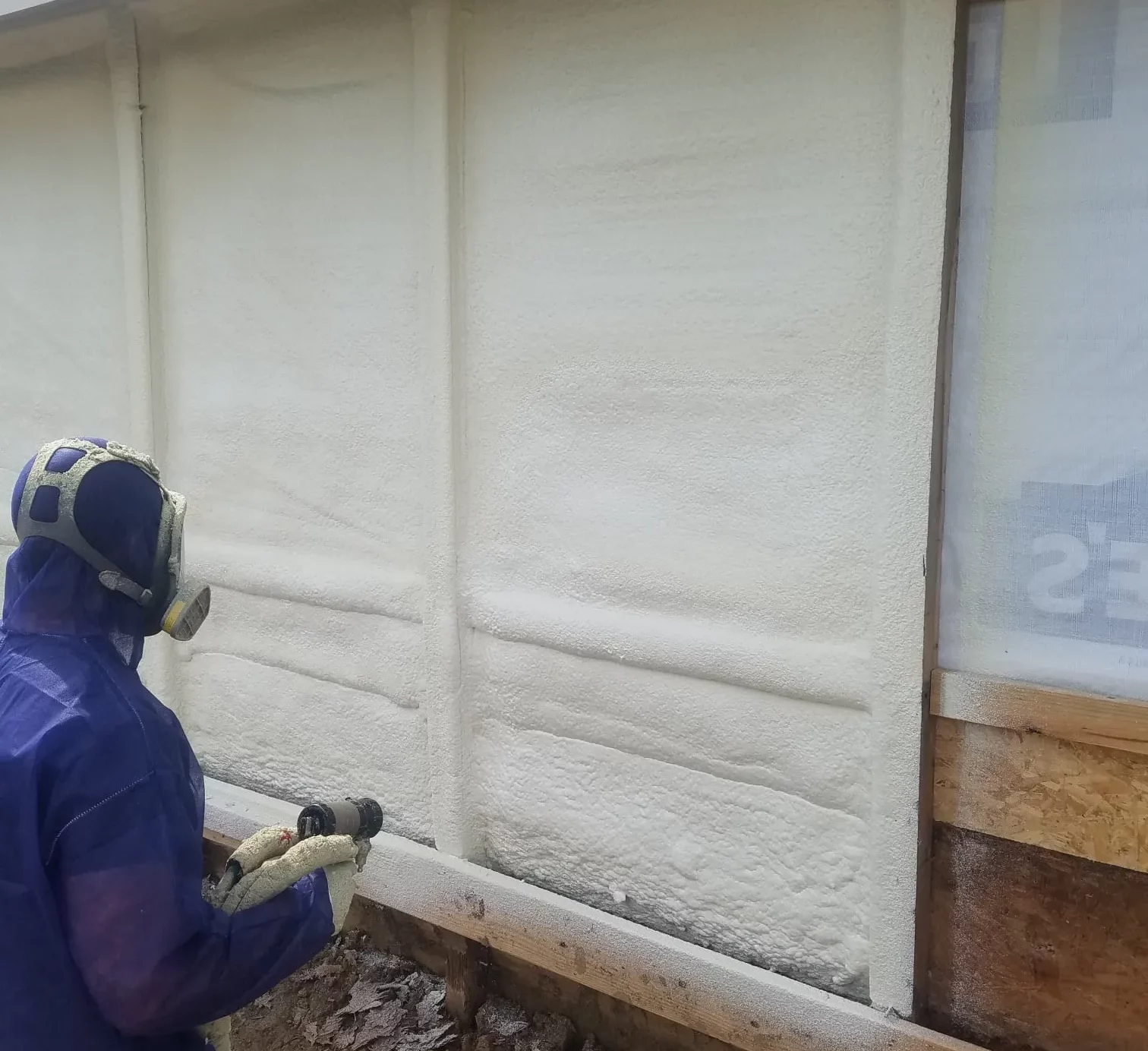
Properly insulating your pipes is the most effective defense against a sudden freeze, which can lead to bursting and costly water damage. For homeowners in Stuart, this means focusing on pipes located in unconditioned or exposed areas like attics, crawl spaces, garages, and along the exterior of the home. Using a high-quality insulation material to create a thermal barrier prevents the water inside the pipes from reaching freezing temperatures during a cold snap. This guide provides a detailed look at the materials, methods, and considerations for safeguarding your plumbing from Florida’s unpredictable winter weather. The information here is based on extensive field experience in local homes, offering practical and reliable solutions.
Even though Stuart is known for its warm climate, a single night of freezing temperatures can be disastrous for unprepared plumbing. A report from the Insurance Information Institute highlights that water damage and freezing account for a significant portion of homeowner insurance claims. Protecting your pipes isn’t just about avoiding a mess; it’s about protecting one of your biggest investments.
The construction of homes in South Florida typically does not account for prolonged cold. Pipes are often run through spaces with little to no insulation, such as attics or crawl spaces, making them highly susceptible to ambient temperature drops. When a cold front moves through, the temperature in these unheated areas can fall rapidly.
Water begins to freeze when it reaches 32°F, and the expansion of this ice inside a pipe creates immense pressure. According to the American Red Cross, this pressure is what causes pipes to burst, not the ice itself. In Stuart, the risk is highest for pipes made of copper or galvanized steel and those located on the “windy” side of the house, where cold air accelerates heat loss.
Choosing the right insulation depends on the pipe’s location, accessibility, and your budget. Each material offers a different level of protection and has specific use cases.
These are flexible tubes made of polyethylene or rubber foam with a slit down one side, allowing them to be easily slipped over pipes. They are a common DIY solution for accessible pipes under sinks or in basements. While affordable and easy to install, they can leave small gaps at joints and bends, creating cold spots.
Fiberglass insulation can be wrapped around pipes and secured with tape or wire. It offers a higher R-value (a measure of thermal resistance) than basic foam sleeves. However, installation requires protective gear like gloves and masks, and if the fiberglass gets wet, it loses its insulating properties and can promote mold growth.
For the most complete and permanent protection, closed-cell spray foam insulation is a superior option. It is applied as a liquid that expands to fill every crack and gap around the pipes, creating a monolithic, airtight, and moisture-proof barrier. This method is ideal for pipes in irregular or hard-to-reach spaces like attics and crawl spaces. While it requires professional installation, its performance and longevity are unmatched.
| Feature | Foam Sleeves | Fiberglass Wrap | Closed-Cell Spray Foam |
|---|---|---|---|
| Installation | DIY Friendly | DIY with Precautions | Professional Only |
| R-Value | Low to Moderate | Moderate to High | High |
| Air Sealing | Fair (Gaps Possible) | Fair | Excellent (Airtight) |
| Moisture Resistance | Good | Poor (If not sealed) | Excellent (Waterproof) |
| Best For | Accessible indoor pipes | Straight pipe runs | Attics, crawl spaces |
Before you can protect your pipes, you need to know where the problem areas are. A thorough inspection of your property is the first step.
Bonus Tip: During a cool day, walk around your home’s exterior. If you see frost on a specific section of a wall but not others, it could indicate poor insulation and a pipe located just inside.
Choosing how to protect your pipes involves more than just picking a material. Think about these factors to make an informed choice.
1. Project Scope: Are you looking to protect a single exposed pipe under a sink, or do you need a whole-home solution for pipes in the attic and crawl space? The scale of the problem will guide your material choice and whether you need professional help.
2. Accessibility: Can you easily and safely reach the pipes? Working in tight crawl spaces or hot attics can be difficult and dangerous. For hard-to-reach areas, a professional application like spray foam is often the most practical and effective solution.
3. Long-Term Value: While DIY options have a lower upfront cost, they may require periodic replacement and offer less comprehensive protection. A professional solution from a company like ALL IN OVERHALL provides a permanent fix that also improves your home’s overall energy efficiency, saving you money on utility bills over time.
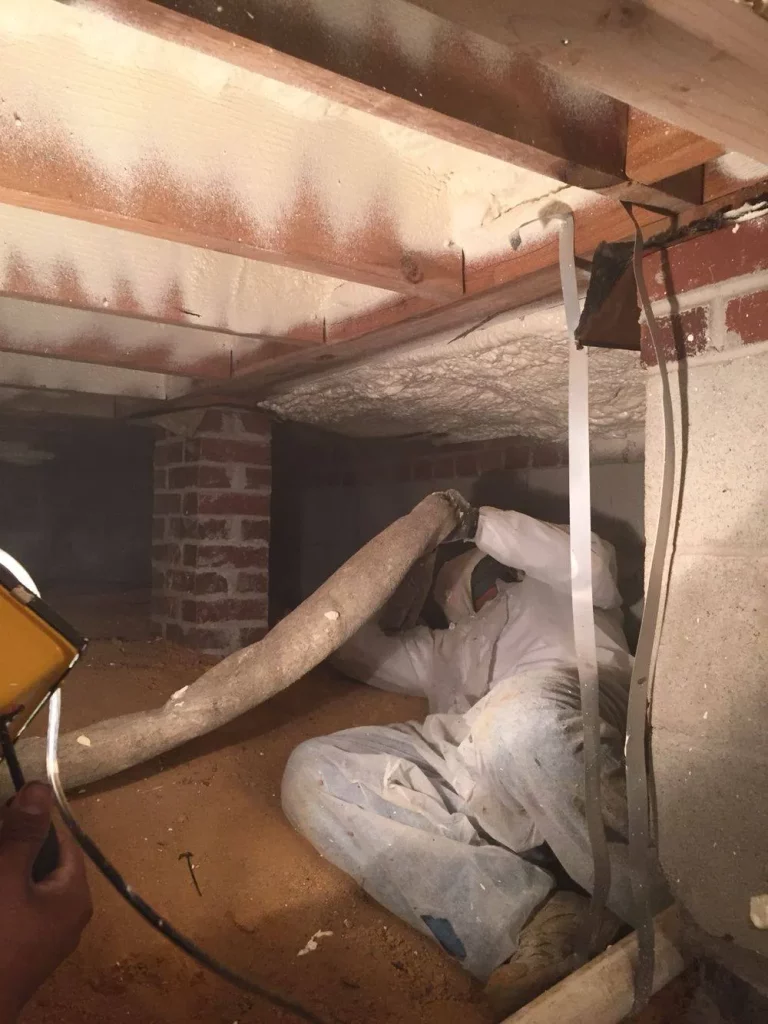
The consistency of the insulation is often more important than hitting a specific R-value. According to the U.S. Department of Energy, an R-value of at least R-3 is recommended for residential pipes, but for pipes in a completely unconditioned attic, a more substantial barrier created by spray foam is much more effective at eliminating cold spots and air leaks.
Using leftover fiberglass batt insulation from your walls is better than nothing, but it’s not ideal. It’s difficult to wrap it tightly and consistently around pipes, often leaving gaps. Pipe-specific insulation is designed to provide a snug fit, which is essential for effective thermal protection.
You should visually inspect your pipe insulation at least once a year, preferably before winter. Look for signs of pest damage, water saturation, or degradation. Foam sleeves and tape can become brittle over time. Professionally installed spray foam is a permanent material that does not degrade and should last for the life of the home.
Yes, absolutely. In Stuart’s humid summers, cold water pipes can “sweat” heavily. This condensation can drip onto building materials, leading to water damage and mold. Pipe insulation creates a barrier that keeps the warm, moist air from coming into contact with the cold pipe surface, effectively stopping condensation.
Protecting your pipes from freezing is a proactive step that prevents catastrophic water damage. While Florida winters are mild, the risk of a sudden freeze is real and can have serious consequences for homeowners. By identifying vulnerable pipes and choosing the right insulation material, you can ensure your home is prepared. Evaluate your property’s specific needs, consider the accessibility of your plumbing, and decide on a solution that provides lasting peace of mind.
For a thorough inspection and a permanent insulation solution that addresses the unique challenges of Florida’s climate, it is best to consult with specialists. The team at ALL IN OVERHALL can help you identify vulnerable areas and recommend the most effective approach for your home. You can discuss your needs by calling (561) 406-3835 or sending an email to [email protected] to ensure your home is protected.