What warranties typically cover open-cell spray foam insulation products
admin-allinoverhall
January 19th, 2026
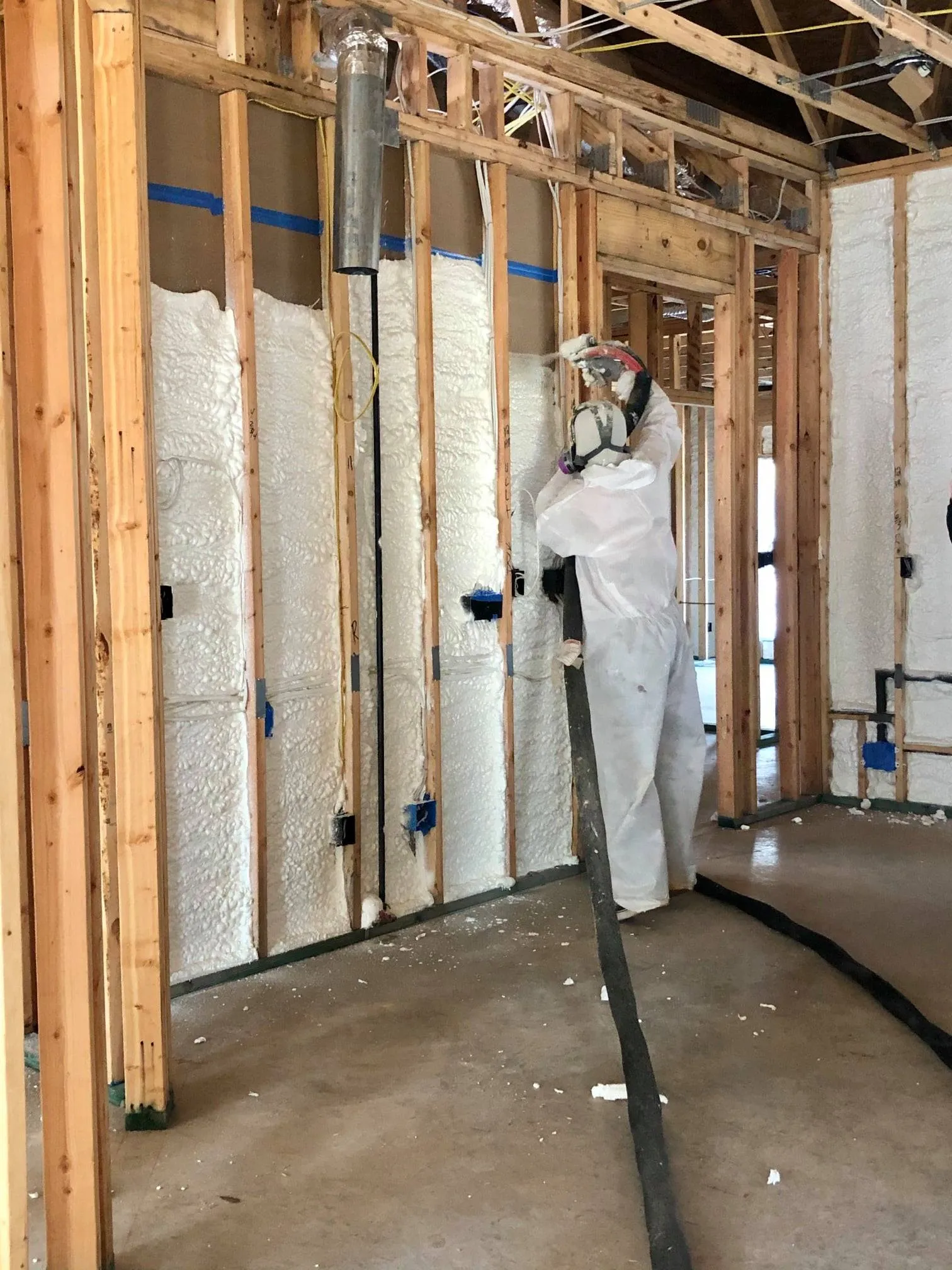
Open-cell spray foam insulation warranties typically cover three main areas: manufacturing defects in the foam material itself, failure to meet specified thermal performance values (R-value), and excessive off-gassing or VOC emissions during curing. Most manufacturer warranties protect against product defects for 1-5 years and guarantee R-value retention for 10-25 years, though coverage varies significantly between brands. Installer warranties often cover workmanship issues separately from manufacturer product warranties, typically lasting 1-2 years.
Understanding these warranty protections is essential for anyone considering open-cell spray foam insulation. The following information breaks down exactly what’s covered, what isn’t, and how to ensure your investment is properly protected.
Standard Coverage Components
Most open-cell spray foam warranties include coverage for material defects, which means if the foam fails to expand properly, cures incorrectly, or shows signs of premature deterioration, the manufacturer will typically provide replacement material or compensation. This protection usually extends for the first few years after installation.
Thermal performance guarantees form another critical warranty component. According to industry data from the Spray Polyurethane Foam Alliance, approximately 78% of residential spray foam installations come with R-value retention warranties that range from 10-25 years. These warranties promise the insulation will maintain at least 90% of its stated R-value throughout the coverage period, accounting for normal aging and settling.
VOC emissions protection covers potential health concerns during and immediately after installation. Most manufacturers warrant that their products meet or exceed indoor air quality standards upon proper curing, with coverage typically lasting 6-12 months. This protection addresses homeowner concerns about chemical exposure following installation.
What Warranties Typically Exclude
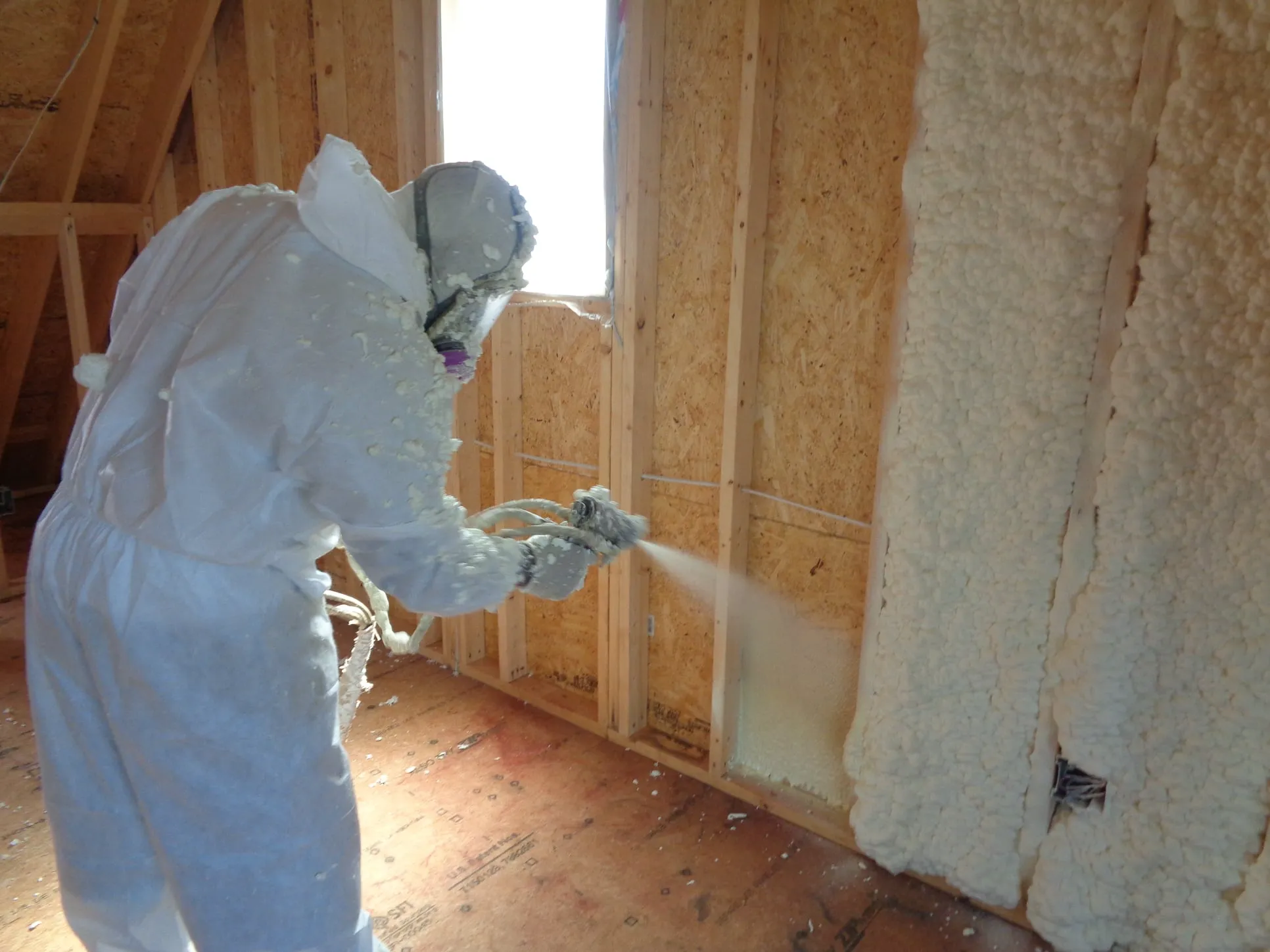
Standard warranties rarely cover damage from improper installation techniques. If installers fail to follow manufacturer specifications for application temperature, mixing ratios, or thickness requirements, the warranty becomes void regardless of who performed the work.
Water-related damage represents another common exclusion. Open-cell spray foam is not classified as a vapor barrier and can absorb moisture over time. Warranties almost never cover performance issues resulting from water intrusion, leaks, or condensation problems within the building envelope.
Structural movement and building settlement issues are not covered under warranty. As buildings naturally shift and settle over time, the insulation may develop minor cracks or separations from framing members. These normal building movements are considered maintenance issues rather than warranty claims.
Warranty Duration Comparison
Warranty Type
Typical Coverage Period
What It Covers
Common Limitations
Material Defects
1-5 years
Product quality, expansion, and curing
Installation errors, improper storage
R-Value Retention
10-25 years
Thermal performance degradation
Damage from moisture, physical impact
VOC Emissions
6-12 months
Indoor air quality compliance
Improper ventilation during curing
Workmanship
1-2 years
Installation quality
Labor costs after the first year
What warranties typically cover open-cell spray foam insulation products 2
Manufacturer vs Installer Warranties
Manufacturer warranties focus solely on the product itself, not how it’s applied. These warranties protect against issues with the foam chemistry, manufacturing inconsistencies, or failure to meet documented performance specifications. The burden of proof typically falls on the property owner to demonstrate that installation followed all manufacturer guidelines.
Installer warranties cover workmanship quality and proper application techniques. Professional insulation contractors usually provide their own guarantees separate from manufacturer coverage. These warranties address issues like incomplete coverage, improper thickness application, or failure to prepare surfaces correctly.
The most comprehensive protection comes from having both types of coverage. Research from Building Science Corporation shows that properties with dual warranty coverage experience 40% fewer warranty-related disputes over the product’s lifetime.
Bonus Tips from Experience
Always obtain warranty documentation before installation begins. Review the fine print for coverage limitations, required maintenance obligations, and documentation requirements for filing claims.
Keep detailed records of the installation process, including photographs, product batch numbers, and installation conditions. This documentation becomes crucial if warranty issues arise years later.
Register your warranty immediately after installation. Many manufacturers require prompt registration to activate extended coverage periods beyond the basic guarantee.
Things to Consider Before Making a Decision
Climate suitability affects long-term performance. Open-cell spray foam performs best in moderate climates without extreme humidity. The U.S. Department of Energy recommends closed-cell foam for regions with severe weather conditions due to its superior moisture resistance.
Building structure matters. Open-cell foam requires protection from direct water exposure, making it unsuitable for below-grade applications or areas prone to flooding. Consider your building’s specific moisture management needs when evaluating warranty coverage.
Future plans impact warranty value. If you anticipate renovations that might disturb the insulation, understand how modifications affect warranty coverage. Most warranties become void if the insulation is cut, removed, or altered after installation.
Key Takeaways
Open-cell spray foam insulation warranties primarily protect against product defects, thermal performance degradation, and initial emissions issues. Coverage periods vary significantly between manufacturers, with most offering limited material defect protection and longer-term R-value retention guarantees.
Before finalizing any insulation project, evaluate both manufacturer and installer warranties, understand all exclusions and limitations, and ensure proper documentation throughout the installation process. The most valuable warranty is one that covers realistic failure modes while requiring reasonable maintenance obligations from the property owner.
Need Professional Guidance
For specific warranty questions or to compare coverage options for your project, contact All in OverHall at [email protected] or call (561) 406-3835. Professional consultation can help clarify which warranty protections align with your building’s requirements and climate conditions.
Frequently Asked Questions
Can I install spray foam myself and maintain warranty coverage?
DIY installation almost always voids manufacturer warranties. Most spray foam manufacturers require installation by certified professionals using approved application equipment and techniques.
How do I file a warranty claim for spray foam insulation?
Document the issue thoroughly with photographs and written descriptions, contact the original installer first if they provided workmanship coverage, then contact the manufacturer directly for product-related claims using their established claims process.
Do warranties cover energy performance guarantees?
Some premium warranties include energy savings guarantees that promise specific reductions in heating and cooling costs. These typically require baseline energy usage documentation and professional installation verification.
What happens if my installer goes out of business?
Manufacturer product warranties remain valid regardless of installer status, but workmanship coverage becomes worthless. Consider choosing established contractors with solid business longevity and manufacturer certification.
Are extended warranties worth the additional cost?
Extended warranties provide value only if they cover issues not included in standard coverage. Analyze what additional protection you receive and whether the cost justifies the expanded coverage for your specific situation.
Sources
Spray Polyurethane Foam Alliance – Industry trade association providing market data and warranty statistics for spray foam insulation products
Building Science Corporation – Research organization offering independent analysis of building envelope performance and warranty coverage effectiveness
U.S. Department of Energy – Federal agency providing insulation recommendations and guidance on warranty considerations for different climate zones
Spray foam insulation outperforms traditional fiberglass batts primarily because it creates an airtight seal while providing superior thermal resistance. Unlike…
Cheap insulation solutions cost more over time through higher energy bills, frequent replacements, and potential property damage. In Wellington’s hot,…