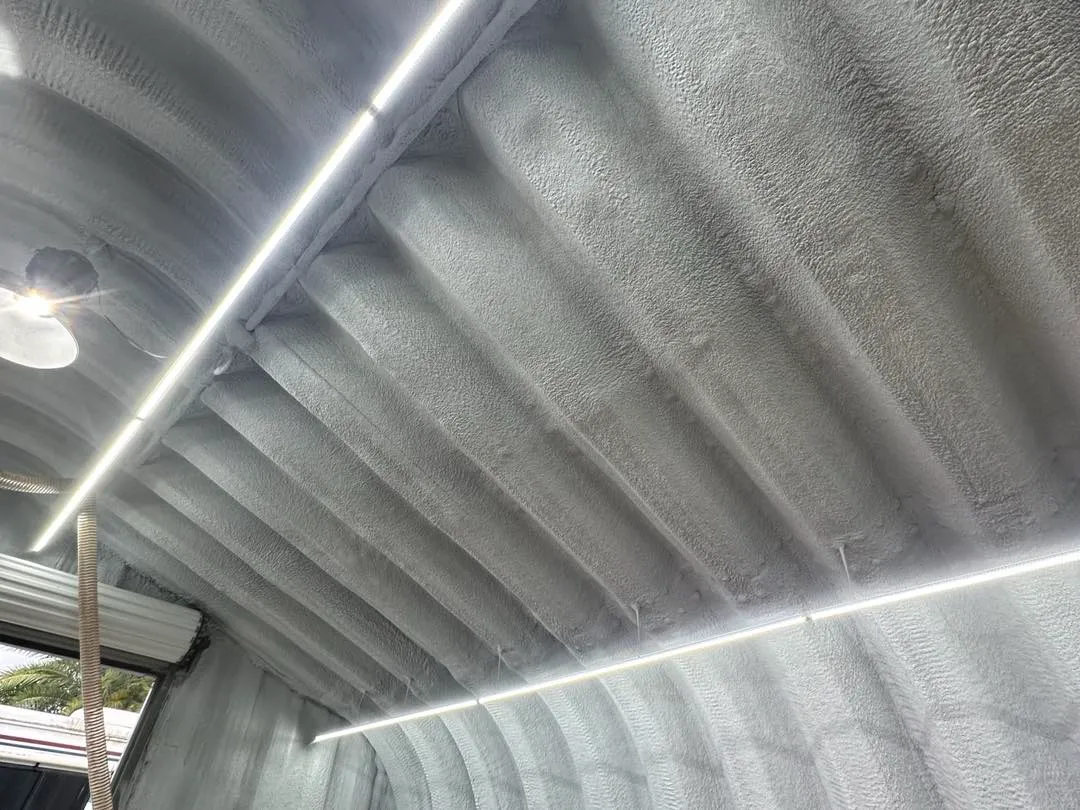
How upgrading insulation helps maintain a consistent temperature in Greenacres, FL
admin-allinoverhall
January 19th, 2026
Upgrading insulation creates a thermal barrier that significantly reduces heat transfer between your home’s interior and exterior, resulting in more consistent indoor temperatures year-round in Greenacres’ hot, humid climate. In Florida’s challenging weather conditions, proper insulation acts like a thermos for your house – keeping cool air inside during summer and preventing heat from escaping during winter while reducing humidity infiltration that makes spaces feel uncomfortable.
This guide explains exactly how insulation upgrades work in Greenacres homes, what materials perform best in local conditions, and how to evaluate whether your current insulation needs improvement. Drawing from years of experience working with Florida properties, the information below addresses the specific challenges homeowners face in maintaining comfortable temperatures without excessive energy costs.
Understanding Heat Transfer in Greenacres Climate
Greenacres experiences average summer temperatures around 90°F with humidity levels often exceeding 80%, creating conditions where heat constantly tries to penetrate your home’s building envelope. Your HVAC system works continuously to combat this heat transfer, but without proper insulation, cool air escapes while hot air enters through walls, ceilings, and floors. The U.S. Department of Energy reports that proper insulation can reduce heating and cooling costs by 15% on average, and in Florida’s climate, these savings often exceed 20% due to the constant air conditioning demand.
Heat moves through three main methods: conduction (direct transfer through materials), convection (air movement), and radiation (heat waves traveling through space). Quality insulation addresses all three methods simultaneously. In Greenacres, intense solar radiation poses the biggest challenge, as infrared heat penetrates roofs and walls throughout the day, causing indoor temperatures to fluctuate dramatically between morning and evening.
Best Insulation Materials for Florida Homes
Different insulation materials offer varying levels of thermal resistance, measured by R-value. For Greenacres, higher R-values provide better protection against heat gain, but material choice also matters for moisture resistance and durability.
Insulation Type
R-Value Per Inch
Best For
Spray Foam
6.5-7.0
Roofs, walls, attics
Cellulose
3.2-3.8
Attics, walls
Fiberglass
2.9-3.8
Attics, crawl spaces
Rigid Foam
4.0-6.5
Foundation, exterior walls
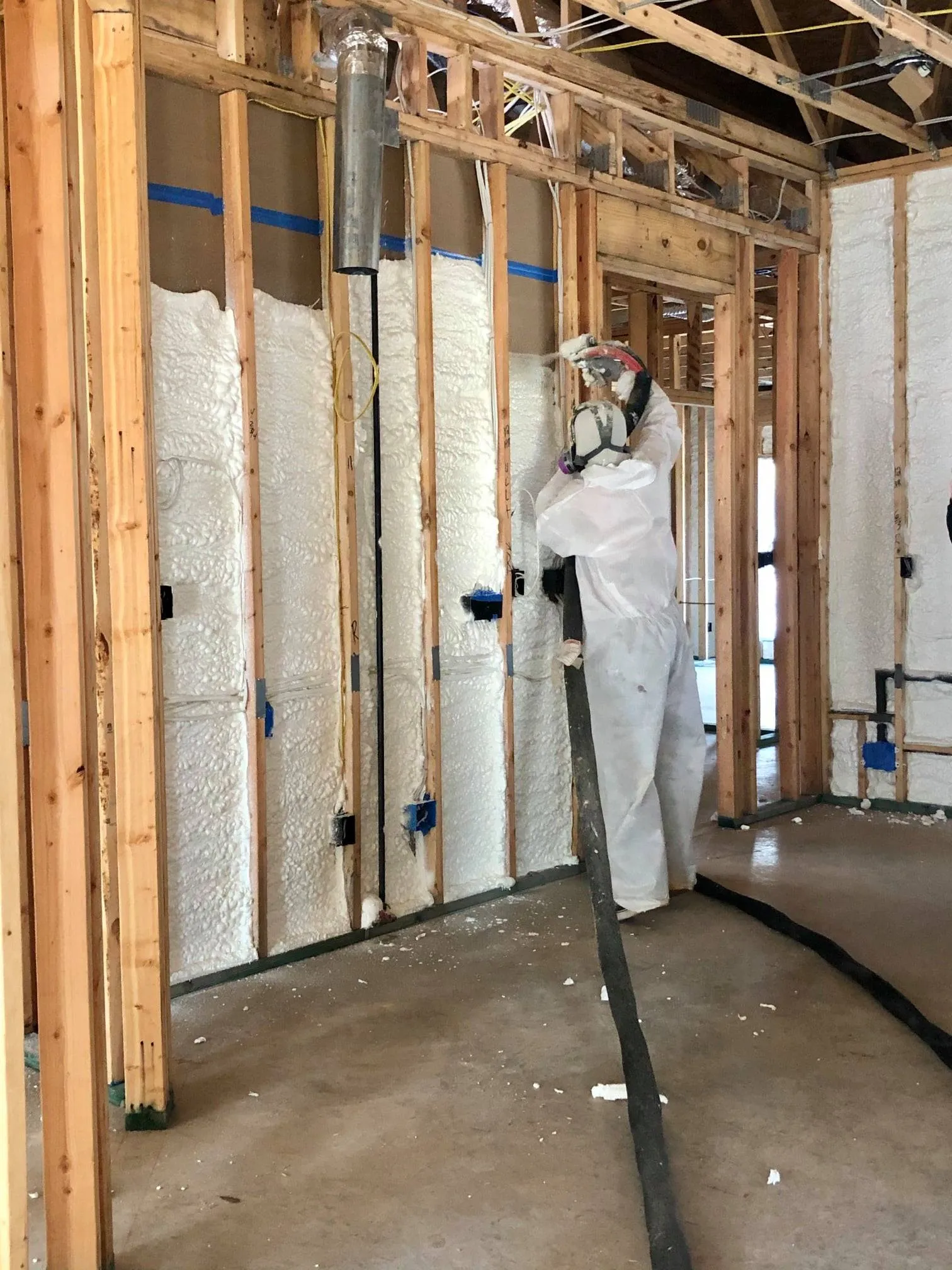
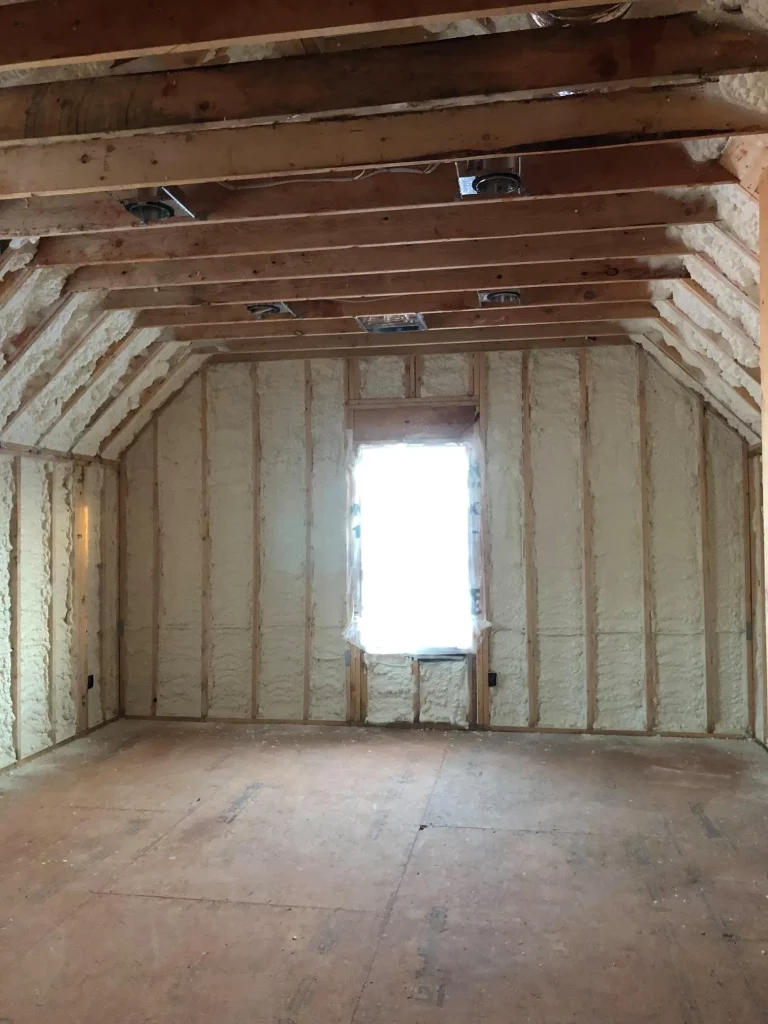
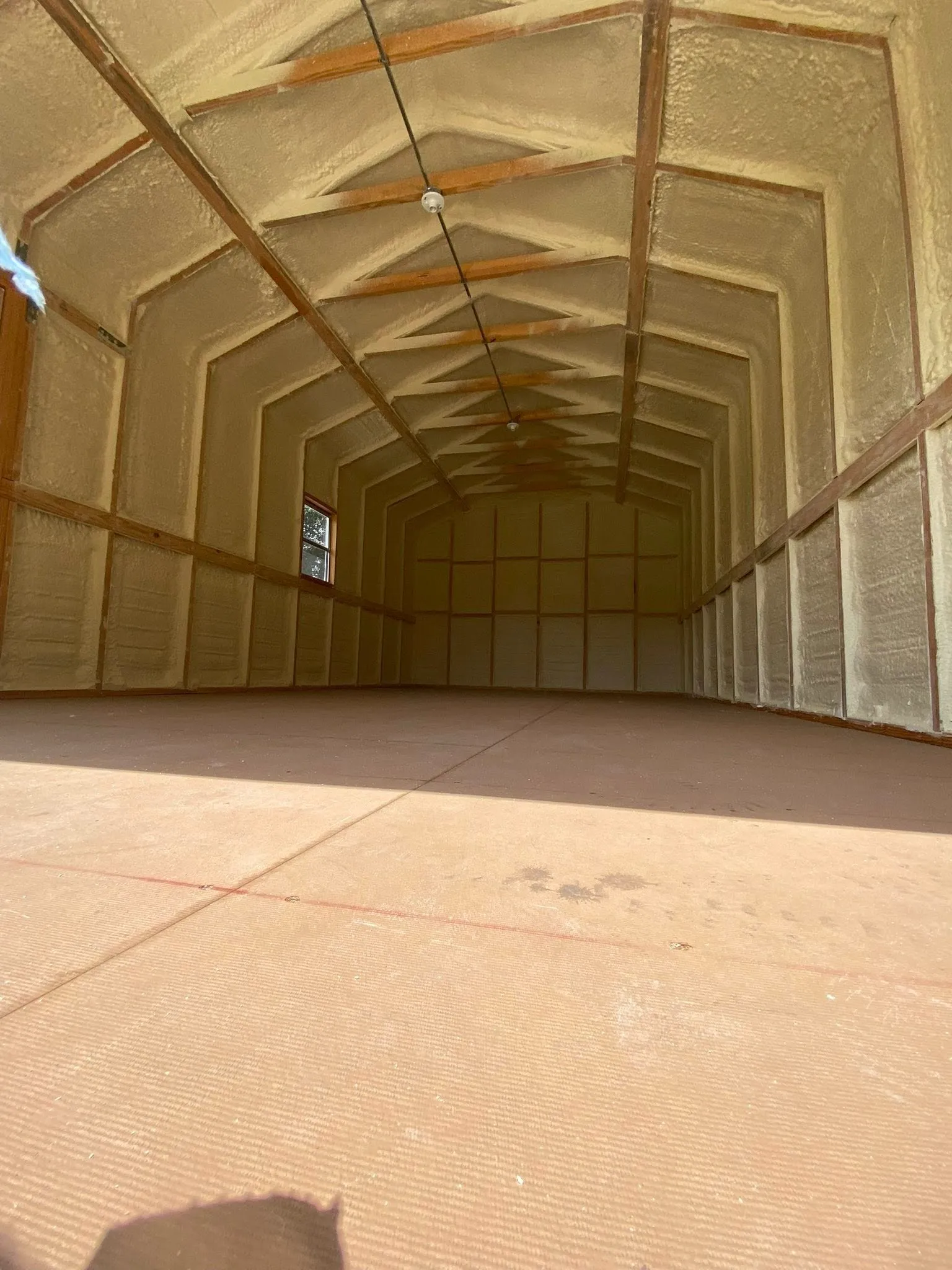
Spray foam insulation performs exceptionally well in Greenacres because it creates an air-tight seal that also prevents moisture infiltration – a crucial benefit in humid climates. While more expensive upfront, it provides superior performance and can last 20+ years without degradation. All in OverHall has observed that homeowners who upgrade from traditional fiberglass to spray foam typically see the most significant improvement in temperature consistency and energy savings.
Bonus Tip: When installing insulation in attics, create a ventilation channel between the roof decking and insulation to allow hot air to escape while maintaining the thermal barrier below. This prevents heat buildup while protecting from moisture damage.
How upgrading insulation helps maintain a consistent temperature in Greenacres, FL 2
Regional Installation Considerations for Greenacres
Florida’s building codes require specific insulation levels based on your home’s construction date and location within the state. For Greenacres, current standards recommend R-30 to R-60 for attics, R-13 to R-15 for wall cavities, and R-19 for floors over crawl spaces. Many older homes built before 2002 have insulation levels far below these standards, making them prime candidates for upgrades.
The high humidity in Greenacres also requires special attention to vapor barriers. Unlike northern climates, where vapor barriers go on the warm side of insulation, Florida installations typically place vapor retarders on the exterior-facing surfaces to prevent moisture from getting trapped within wall assemblies. This prevents mold growth and maintains insulation effectiveness over time.
Bonus Tip: Hurricane-resistant insulation systems provide dual benefits for Greenacres homeowners – they improve temperature control while adding structural protection against severe weather events common in South Florida.
Financial and Environmental Impact
According to the Florida Solar Energy Center, homes with upgraded insulation use 20-30% less energy for cooling than those with inadequate insulation. Most insulation upgrades pay for themselves within 3-5 years through reduced energy bills alone.
The environmental benefits extend beyond energy savings. Homes with better insulation require smaller HVAC systems, reducing manufacturing and transportation impacts of larger units. Additionally, some insulation materials like cellulose contain up to 85% recycled content, making them more environmentally friendly choices from a lifecycle perspective.
Market data shows that homes with documented insulation improvements sell for 3-5% more than comparable properties without upgrades. Things to Consider Before Making a Decision
Before investing in insulation upgrades, thoroughly evaluate your home’s current condition. Start by checking existing insulation levels in accessible areas like attics and crawl spaces. Look for compressed, water-damaged, or pest-infested insulation that needs to be replaced, regardless of your upgrade plans.
Consider your home’s air sealing status first. Even with perfect insulation, air leaks around windows, doors, and penetrations will undermine temperature control efforts. Professional energy audits can identify the biggest air leakage points, allowing you to prioritize sealing before insulation installation.
Budget planning should include both material and installation costs, with spray foam requiring professional installation, while some fiberglass and cellulose products offer DIY options for homeowners with appropriate skills. Remember that labor costs for attic insulation often exceed material costs due to the challenging working conditions in Florida’s climate.
Bonus Tip: Check with your utility provider about rebate programs for insulation upgrades. Florida Power & Light and other local utilities frequently offer incentives that can reduce project costs by 10-25% when you use certified contractors.
Next Steps for Your Home
Upgrading insulation delivers measurable benefits in temperature consistency, energy savings, and comfort for Greenacres homeowners. The right insulation choice depends on your home’s construction, existing conditions, and budget, but virtually every property gains value from proper insulation in Florida’s challenging climate.
Evaluate your current insulation levels, identify air leakage points, and research available rebate programs before starting your project. Whether you choose spray foam for maximum performance or cellulose for cost-effective improvements, investing in insulation upgrades pays dividends through reduced energy costs and improved living comfort throughout Greenacres’ hot and humid year.
Professional Assessment Available
All in OverHall provides comprehensive insulation evaluations for Greenacres homeowners looking to improve temperature control and energy efficiency. Contact the team at [email protected] or call (561) 406-3835 to schedule a professional assessment of your current insulation and receive personalized recommendations for your home’s specific needs. Experienced contractors can identify problem areas, calculate appropriate R-values for your property, and provide detailed estimates for insulation upgrades that will maintain consistent indoor temperatures regardless of outdoor conditions.
Frequently Asked Questions
Does insulation help with humidity control?
Yes, quality insulation reduces humidity infiltration by creating air barriers and preventing condensation. Spray foam insulation particularly excels at moisture control due to its sealed installation method.
How long does insulation last in Florida’s climate?
Most insulation materials last 20-40 years when properly installed, though fiberglass can settle over time, reducing its effectiveness. Spray foam maintains its R-value longest in humid conditions.
Will I need to remove my old insulation?
Not necessarily. If existing insulation is dry, intact, and uncompressed, new insulation can typically be added on top. However, contaminated or damaged insulation requires removal.
Can I install insulation myself?
Some types, like fiberglass and rock wool, offer DIY options, but spray foam requires professional installation and specialized equipment. Always follow safety guidelines and local building codes.
What’s the best insulation for my budget?
Cellulose offers excellent performance for lower costs, while spray foam provides premium results at higher prices. The best choice depends on your home’s specific needs and budget constraints.
Sources
U.S. Department of Energy – Official government resource on insulation types, R-values, and energy savings calculations.
Florida Solar Energy Center – Research institution at University of Central Florida studying energy efficiency in Florida homes.
Spray foam insulation outperforms traditional fiberglass batts primarily because it creates an airtight seal while providing superior thermal resistance. Unlike…
Cheap insulation solutions cost more over time through higher energy bills, frequent replacements, and potential property damage. In Wellington’s hot,…