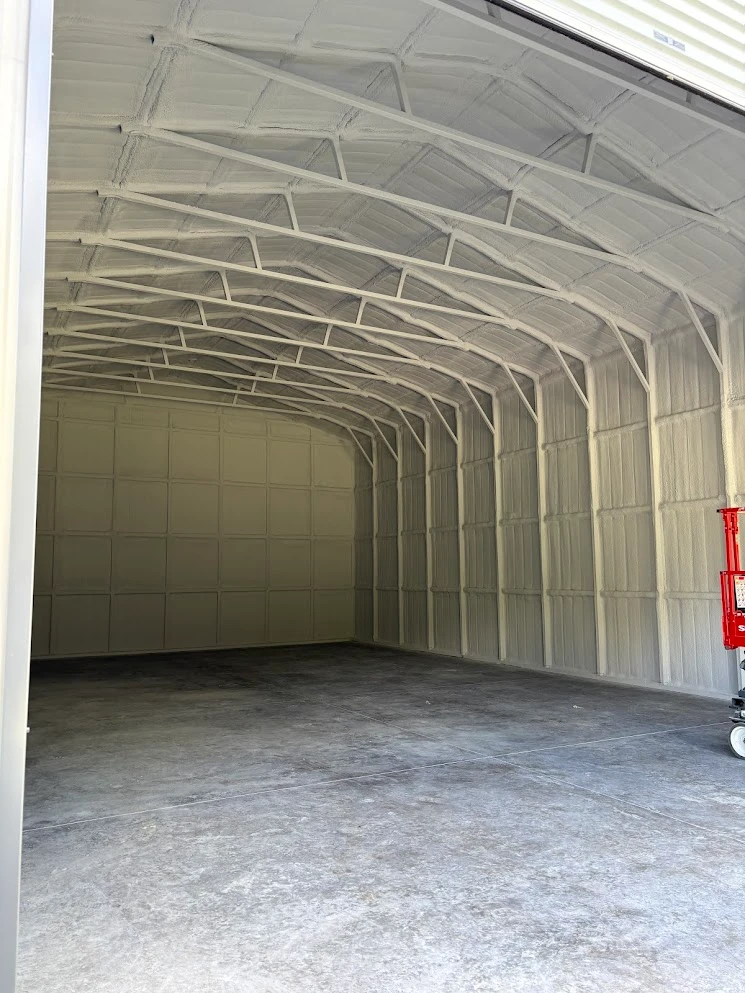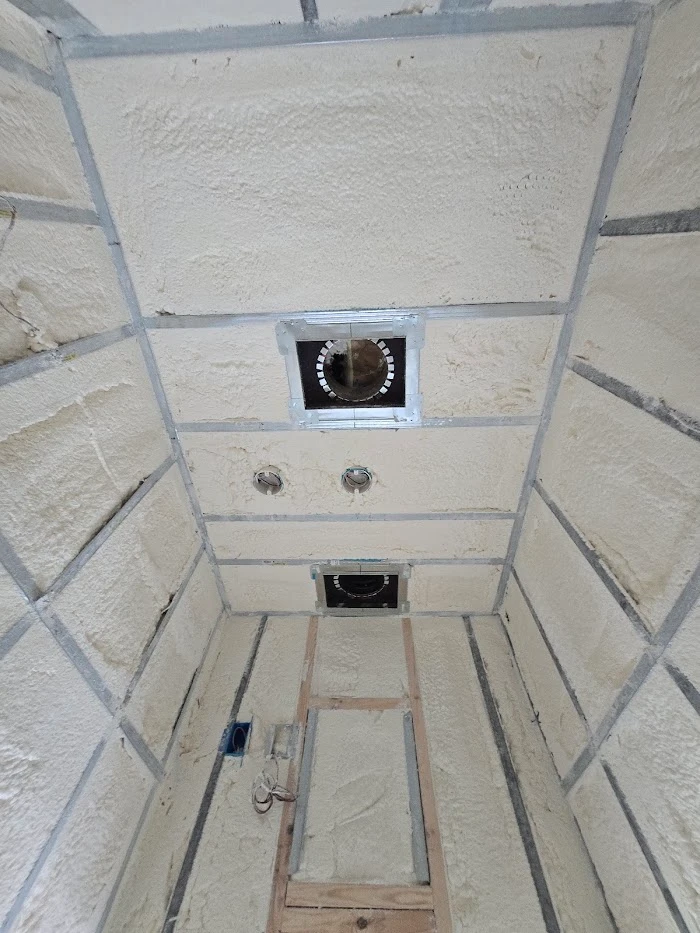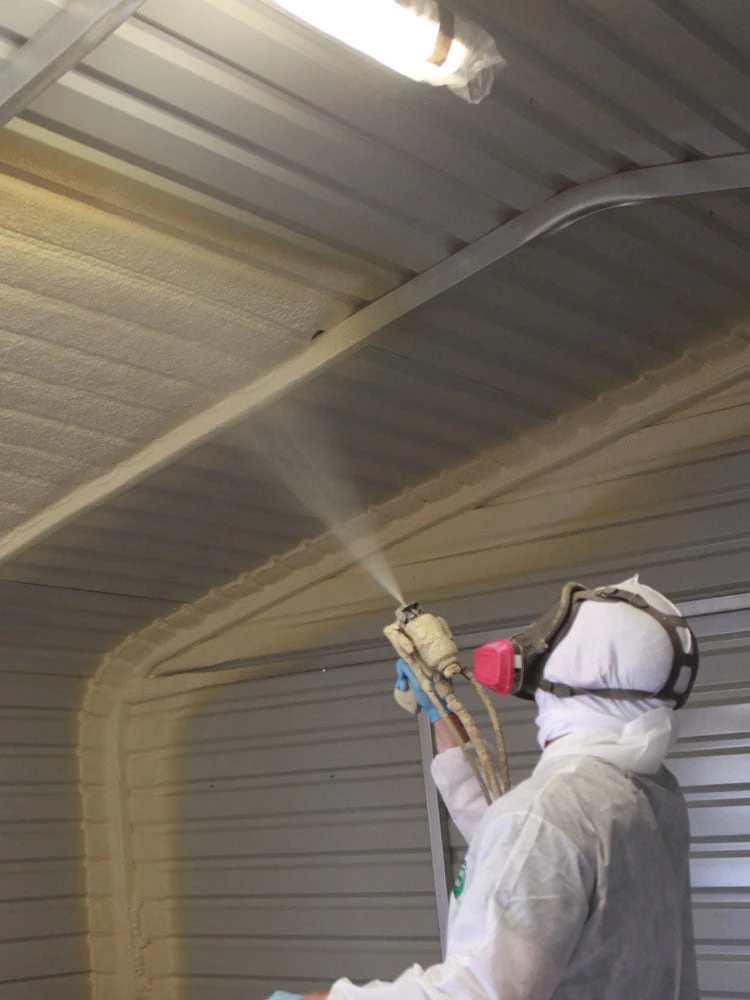
Why Closed-Cell Spray Foam Insulation Is Ideal for Indoor Pools in Lantana, FL
Closed-cell spray foam insulation stands out as the optimal solution for indoor pools in Lantana, Florida, due to its exceptional…

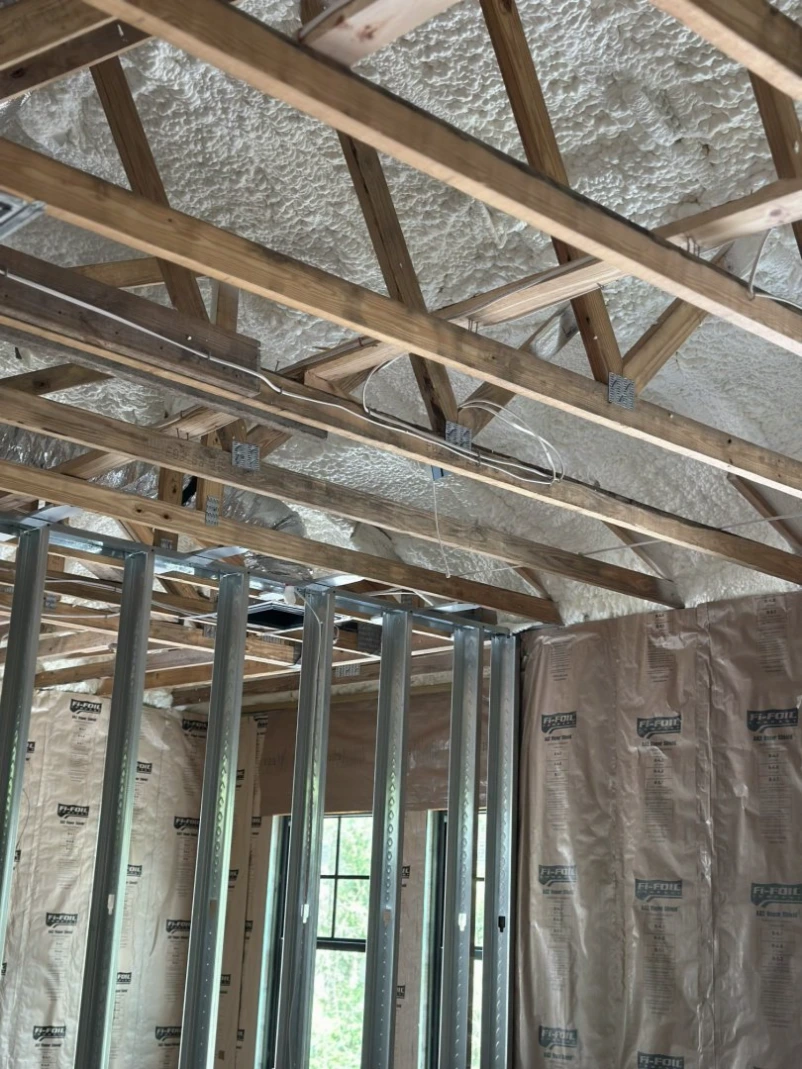
Proper insulation stabilizes a home by reinforcing the structural envelope, reducing noise transmission that can create a sense of vulnerability, and controlling moisture that can lead to material degradation. While most people associate insulation strictly with temperature control, its function as a stabilizing agent is equally valuable. High-quality insulation materials, particularly spray foam, bond building components together to reduce wall movement and vibrations caused by wind or internal activity.
This structural reinforcement creates a tangible difference in how a house “feels.” A well-insulated home does not rattle during storms, allows less street noise to enter living spaces, and maintains a consistent internal environment that protects the wood framing from expansion and contraction. Experience in the field shows that homeowners often describe their upgraded houses as “tighter” and “quieter,” which directly translates to a psychological feeling of safety and physical security.
Many homeowners view insulation merely as a fluffy blanket stuffed into walls, but modern materials act more like a construction adhesive. When walls are hollow, the studs and sheathing can flex independently under pressure. This movement leads to creaking floors, rattling windows, and cracks in drywall.
Racking strength refers to a building’s ability to resist wind loads and shear forces that try to push walls out of square. Closed-cell spray foam insulation, for instance, significantly increases this strength. A study referenced by the Spray Polyurethane Foam Alliance indicates that applying spray foam can effectively improve a wall’s racking strength, making the structure more rigid and durable against high winds.
When the insulation hardens between the studs, it locks the framing members together. This rigidity reduces the “settling” noises that often alarm homeowners at night. The house acts as a single, cohesive unit rather than a collection of loose boards.
Building materials expand when hot and contract when cold. This constant cycle loosens nails and fasteners over time, contributing to a feeling of instability. By maintaining a consistent temperature within the wall cavity, insulation reduces this thermal stress. The framing lumber remains stable, prolonging the life of finishes and structural connections.
Bonus Tip: If you live in an older home that vibrates when heavy trucks pass by, reinforcing the rim joist where the floor meets the foundation with spray foam can drastically reduce those vibrations.
Water is the single biggest threat to a home’s structural security. Moisture infiltration leads to rot, which compromises the load-bearing capacity of wood framing. It also invites mold, which poses a health risk that threatens the “secure” feeling of a safe home environment.
Fiberglass batts often leave small gaps where air can circulate. Air carries moisture. When warm, moist air hits a cold surface inside a wall, it condenses. Over time, this unseen water rots the studs from the inside out.
Modern insulation strategies focus on air sealing. According to the Department of Energy, properly installed insulation that includes an air barrier serves as a critical line of defense against moisture transport. By blocking airflow, you stop the mechanism that deposits water into your structural framing.
A secure home is one free from pests. Rodents and insects look for small gaps to enter. Loose insulation can sometimes become nesting material for these intruders. Rigid insulation types or densely packed cellulose act as a physical deterrent. When the building envelope is sealed tight, pests have fewer entry points, and the home remains sanitary and secure.
Security is partly physical and partly psychological. If you can hear every conversation from the street, or if you know your neighbors can listen to you, the home feels less secure.
Sound travels in waves, vibrating through materials. Hollow walls act like drums, amplifying these vibrations. Insulation absorbs these sound waves. Density matters here. Heavier, denser insulation materials disrupt sound waves better than light, airy ones.
Data published by CertainTeed suggests that adding insulation to interior and exterior walls can significantly improve the Sound Transmission Class (STC) rating, effectively muffling outside noise. This acoustic isolation turns a home into a sanctuary, separating the chaotic outside world from the calm interior.
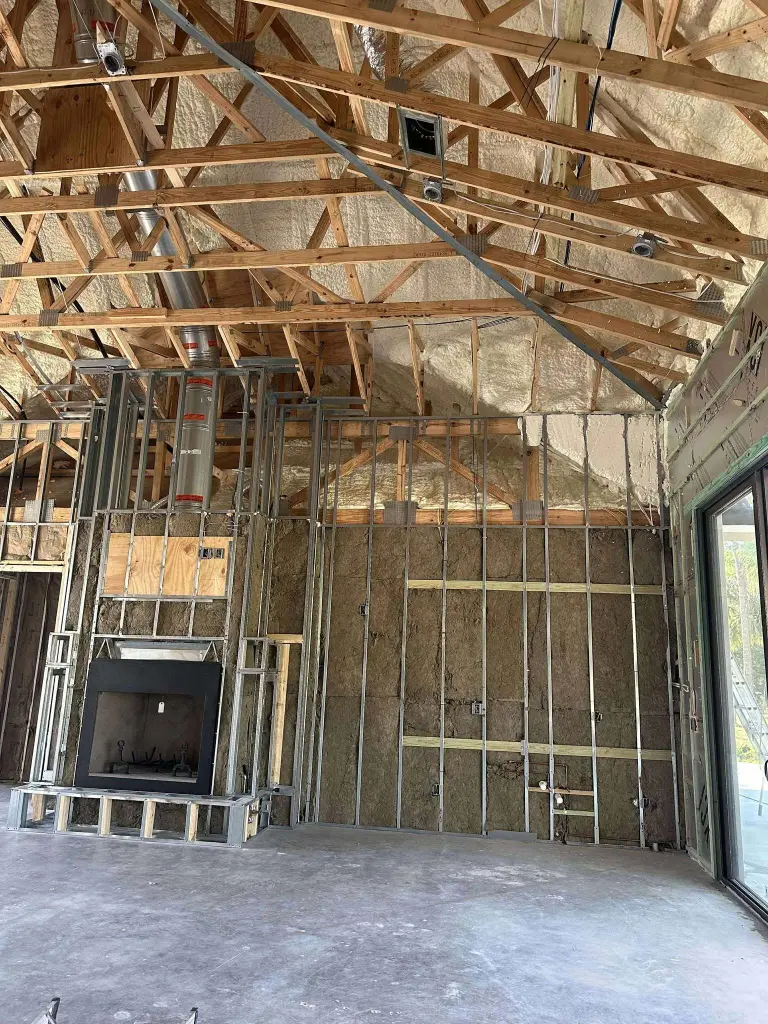
Different materials offer varying levels of structural support and protection. The table below outlines how common insulation types contribute to home stability beyond just thermal resistance (R-value).
| Insulation Type | Structural Reinforcement | Moisture & Air Seal | Sound Dampening | Best Application |
|---|---|---|---|---|
| Open-Cell Spray Foam | Moderate | Excellent (Air Barrier) | High (Absorbs Sound) | Attics, Walls, Soundproofing |
| Closed-Cell Spray Foam | Very High (Adds Rigidity) | Excellent (Vapor Barrier) | Moderate | Basements, Exterior Walls, Flood Zones |
| Fiberglass Batts | Low | Low (Requires separate barrier) | Moderate | Interior Walls, Standard Framing |
| Cellulose (Blown-in) | Low to Moderate | Moderate (Dense Pack) | Very High | Retrofit Walls, Attics |
Before choosing an insulation method to improve your home’s stability, evaluate its current condition.
Bonus Tip: Ask your contractor about “flash and batt.” This hybrid method uses a thin layer of spray foam for the air seal and structural rigidity, followed by fiberglass batts for cost-effective thermal insulation.
A stable home creates a foundation for a comfortable life. By viewing insulation as a structural upgrade rather than just a way to lower heating bills, you prioritize the longevity of your property. The noise reduction, moisture protection, and physical reinforcement of the frame all contribute to a living space that feels permanent, secure, and built to last. Evaluate your specific needs, consider the age of your property, and choose materials that offer multi-faceted protection.
Your home protects your family, so ensure it has the support it needs. ALL IN OVERHALL specializes in advanced insulation solutions that improve structural integrity and comfort. Whether you need to silence a noisy street or reinforce your attic against the elements, call us at (561) 406-3835 or email [email protected] to discuss your project. Let’s make your home stronger, quieter, and more efficient today.
No, but it is the most effective. Dense-pack cellulose provides some resistance to air movement and creates a solid feel in the wall, but it does not bond the studs together like spray foam does.
Most modern insulation is treated with fire retardants. Mineral wool, in particular, is non-combustible and can act as a firestop, delaying the spread of flames and giving your family more time to escape. This is a critical aspect of home security.
Yes. Injection foam or dense-pack cellulose can be added to existing walls without tearing down drywall. This process, called “drill and fill,” can immediately improve the sound and stability of an older home.
Fiberglass can settle, leaving gaps at the top of walls. Cellulose can also pay if not packed correctly. Foam products generally retain their shape and structural bond for the life of the building, providing long-term stability.