Why Closed-Cell Spray Foam Insulation Is Ideal for Indoor Pools in Lantana, FL
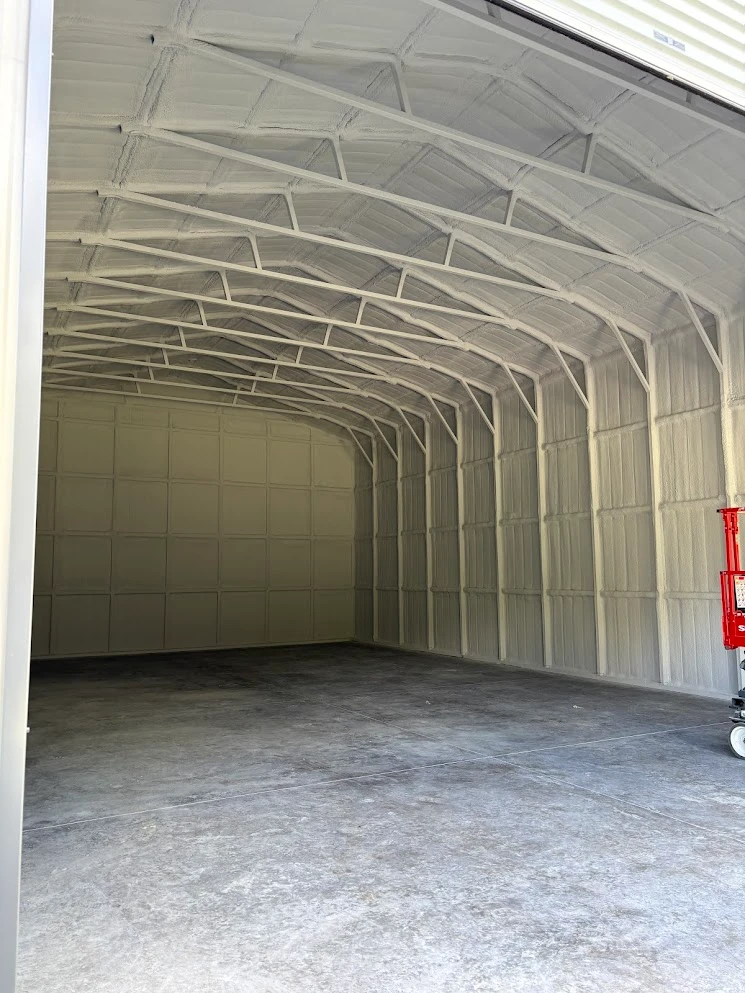
Closed-cell spray foam insulation stands out as the optimal solution for indoor pools in Lantana, Florida, due to its exceptional…


The short answer is yes, proper insulation acts as a formidable defense against outdoor allergens, but only if it creates an effective air barrier. While many homeowners view insulation solely as a way to control temperature, its ability to seal your home against air infiltration is what prevents pollen, dust, and mold spores from drifting indoors. In a humid climate like Okeechobee, having thick insulation alone isn’t enough; the material must effectively block airflow and manage moisture to keep your indoor environment healthy.
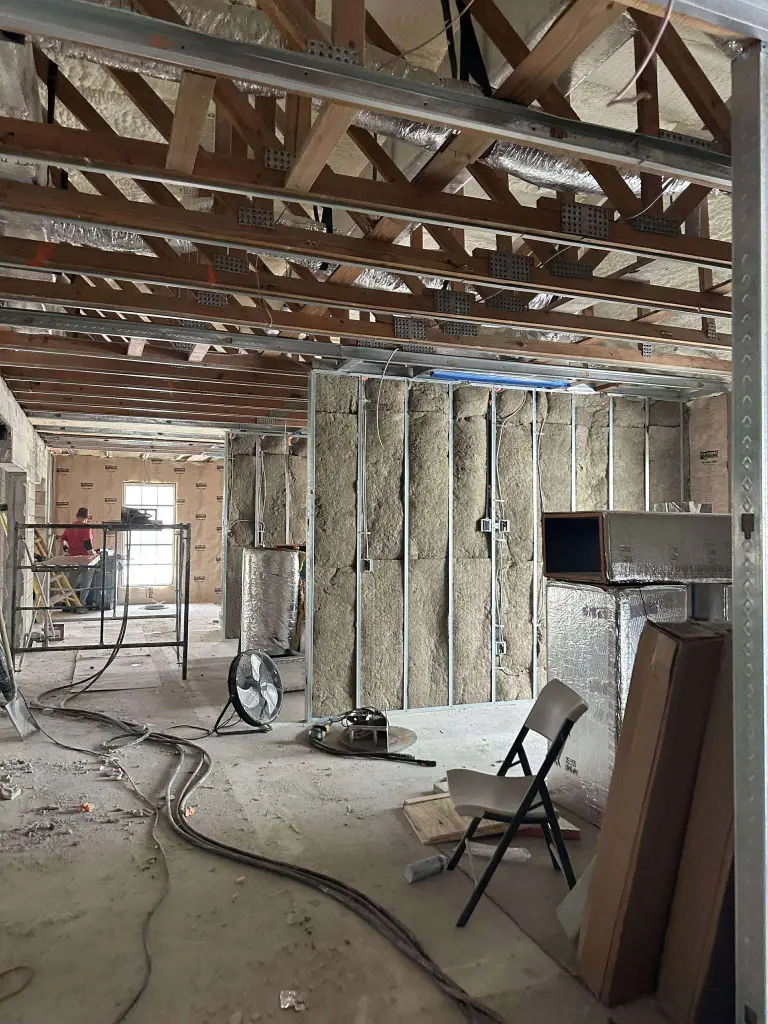
Standard fiberglass batts often filter air rather than blocking it, allowing microscopic particles to pass through gaps and enter your living space. To truly keep allergens out, you need an insulation solution that seals cracks and crevices where outside air leaks in. By addressing the “stack effect,” the process where hot air escapes through the roof and pulls outdoor air in through the bottom of the house, you significantly reduce the amount of pollen and outdoor pollutants entering your home.
This guide draws on years of field work sealing homes against the harsh Florida elements. We understand the specific challenges posed by local pollen seasons and the constant battle against humidity.
Most people do not realize that their homes breathe. Air constantly moves in and out through tiny penetrations around windows, doors, outlets, and the attic floor. This air movement brings outdoor contaminants inside. When you stop the airflow, you stop the allergens.
According to the Asthma and Allergy Foundation of America, improving indoor air quality requires controlling the source of pollutants. In the context of your home, the “source” is the outdoor air leaking into your conditioned space.
Your home acts like a chimney. As heat rises into your attic, it creates negative pressure on the lower levels. This suction pulls unconditioned, allergen-filled air in through gaps in your siding, windows, and crawl spaces. Effective insulation, particularly spray foam, caps this chimney effect. It seals the attic floor or roof deck, neutralizing the pressure difference and stopping the active suction of outdoor air.
In Okeechobee, pollen is not the only enemy. The high humidity levels near the lake create a perfect breeding ground for mold, a potent allergen. Suppose your insulation absorbs moisture or allows humid air to touch the terrific drywall, and condensation forms. This leads to hidden mold growth inside your walls.
Information published by the Department of Energy indicates that moisture control is a vital function of proper insulation systems in hot-humid climates. Open-cell and closed-cell spray foams offer different levels of moisture protection, but both are superior to traditional materials that can act like a sponge.
Bonus Tip: Keep your indoor relative humidity below 50% using your HVAC system or a dehumidifier. Even the best insulation needs help from mechanical ventilation to keep mold spores dormant.
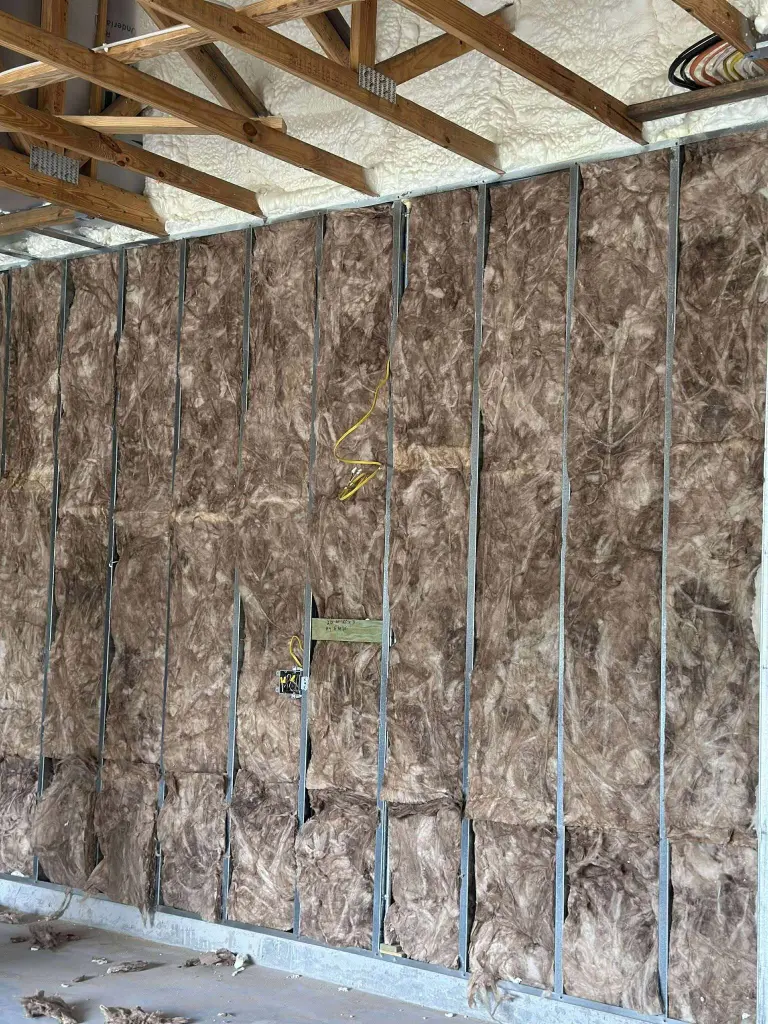
Not all insulation materials perform the same when it comes to air quality. This table compares common materials found in Florida homes based on their ability to block allergens and moisture.
| Insulation Type | Air Barrier Capability | Moisture Resistance | Allergen Blocking Potential | Best Application |
|---|---|---|---|---|
| Fiberglass Batts | Poor (Filters air) | Low (Absorbs water) | Low | Basic temperature control |
| Cellulose (Blown) | Fair (Settles over time) | Low (Absorbs water) | Moderate | Retrofitting attics |
| Open-Cell Spray Foam | High (Expands to seal) | Moderate (Breathable) | High | Attics and walls |
| Closed-Cell Spray Foam | Excellent (Vapor barrier) | Excellent (Waterproof) | Maximum | High-humidity areas, crawl spaces |
A study by the EPA on school environments highlights that controlling moisture and air leakage is fundamental to maintaining healthy indoor air quality.
Before you commit to an insulation upgrade to reduce allergies, evaluate your home’s current condition. Insulation is a powerful tool, but it works best as part of a system.
Never insulate over existing mold. If you have active mold growth in your attic or walls, adding insulation will only hide the problem while it continues to impact your health. You must remediate any water damage and remove the mold source before installing new materials.
When you seal a home tightly to block allergens, you also trap indoor pollutants, such as cooking odors and CO2. “Build it tight, ventilate it right” is the industry standard. You may need to install an energy recovery ventilator (ERV) or a fresh-air intake on your AC unit to ensure clean, filtered air circulates.
Insulation does more than keep your electric bill low; it serves as a shield for your indoor environment. For residents in Okeechobee, blocking out high pollen levels and managing humidity are essential for a healthy home. The right approach involves sealing air leaks that let outdoor contaminants in and choosing a material that resists moisture.
Assess your current attic conditions and consider how airflow moves through your house. If you wake up congested or notice dust returning immediately after cleaning, your home’s envelope likely needs attention. Prioritizing air sealing alongside insulation will provide the most significant relief from outdoor allergens.
If you are ready to secure your home against allergens and humidity, ALL IN OVERHALL is here to help. We specialize in creating energy-efficient, healthy environments for Florida families.
Email: [email protected] Phone: (561) 406-3835
Yes. Old fiberglass or cellulose can break down, releasing fibers and dust into the air. Additionally, if rodents have nested in the old material, their droppings and urine become severe airborne allergens that circulate through your home.
Removing old insulation is often necessary if water, pests, or heavy dust accumulation damage it. Starting with a clean slate allows for proper air sealing of gaps and cracks that were previously hidden under the old material.
By reducing the infiltration of triggers like pollen, mold spores, and dust mites, a well-sealed and insulated home creates a safer environment for asthma sufferers. It stabilizes humidity, which also helps control dust mite populations.
Spray foam insulation does not settle or degrade significantly over time, meaning the air seal remains intact for the life of the building. Fiberglass and cellulose may settle or shift, reducing their effectiveness as an air barrier after 10 to 15 years.