Why cheap insulation solutions often end up costing more in Wellington, FL
admin-allinoverhall
January 19th, 2026
Cheap insulation solutions cost more over time through higher energy bills, frequent replacements, and potential property damage. In Wellington’s hot, humid climate, low-cost insulation materials typically break down faster, lose their effectiveness quickly, and can lead to mold growth, moisture problems, and structural damage that far exceed any initial savings. This article provides practical insights from years of experience working with Florida homes to help homeowners make informed decisions about insulation investments.
The Hidden Price Tags Behind Bargain Insulation
When homeowners choose budget insulation options, they’re often focusing solely on upfront installation costs. However, the real expenses emerge months or years later through multiple channels that weren’t apparent during the initial purchase decision. The highest hidden cost comes from increased energy consumption. According to the U.S. Department of Energy, proper insulation can save homeowners 10-50% on heating and cooling bills, but cheap materials lose their R-value quickly, leading to continuously rising utility costs.
Moisture-related problems represent another major expense category. Wellington’s humidity averages around 75% annually, creating ideal conditions for mold and mildew when inferior insulation fails to manage moisture properly. All in OverHall has encountered countless cases where homeowners paid thousands for mold remediation after their budget insulation trapped moisture against walls and ceilings. These remediation costs often exceed what they would have spent on quality insulation initially.
Structural damage is the third significant hidden cost. When insulation doesn’t properly seal against Florida’s weather extremes, moisture can penetrate building materials, leading to wood rot, drywall damage, and even foundation problems in severe cases. These issues require expensive repairs that could have been avoided with proper insulation from the start.
Wellington’s Climate Demands More Than Basic Protection
Wellington’s unique climate presents specific challenges that basic insulation products aren’t designed to handle. The combination of intense heat, high humidity, and occasional hurricane-force winds requires insulation systems that do more than just slow heat transfer. They must also manage moisture effectively, resist wind-driven rain, and maintain their structural integrity under extreme conditions.
During summer months, Wellington temperatures regularly exceed 90°F with humidity levels above 80%. This creates a significant pressure differential between air-conditioned interiors and hot, humid exteriors. Quality insulation must handle this pressure without allowing moisture condensation within wall cavities. Cheap fiberglass batts often fail this test, sagging and creating gaps that allow humid air to infiltrate, where it condenses on cooler surfaces inside walls.
Hurricane season adds another layer of complexity. Wellington experiences tropical storms and hurricanes that can subject homes to wind-driven rain at extreme pressures. Premium insulation products are designed and tested to resist this moisture intrusion, while budget alternatives can become saturated, become essentially useless, and create a perfect environment for mold growth.
Material Performance Comparison
Insulation Type
Expected Lifespan
R-Value Maintenance
Moisture Resistance
Cheap Fiberglass
5-8 years
Loses 30%+
Poor
Quality Fiberglass
20-25 years
Maintains 95%
Good
Spray Foam (Closed Cell)
50+ years
Maintains 99%+
Excellent
Cheap Cellulose
8-12 years
Loses 25%
Fair
Quality Cellulose
30+ years
Maintains 90%
Good
Table includes estimated energy costs, replacement expenses, and potential remediation costs over 10 years.
Why cheap insulation solutions often end up costing more in Wellington, FL 2
Things to Consider Before Making a Decision
Before selecting insulation for your Wellington home, evaluate several critical factors that impact long-term performance and cost-effectiveness. The first consideration should be the specific R-value recommendations for your home’s design and Wellington’s climate zone. The International Energy Conservation Code provides minimum requirements, but these represent the floor rather than the optimal choice for comfort and efficiency.
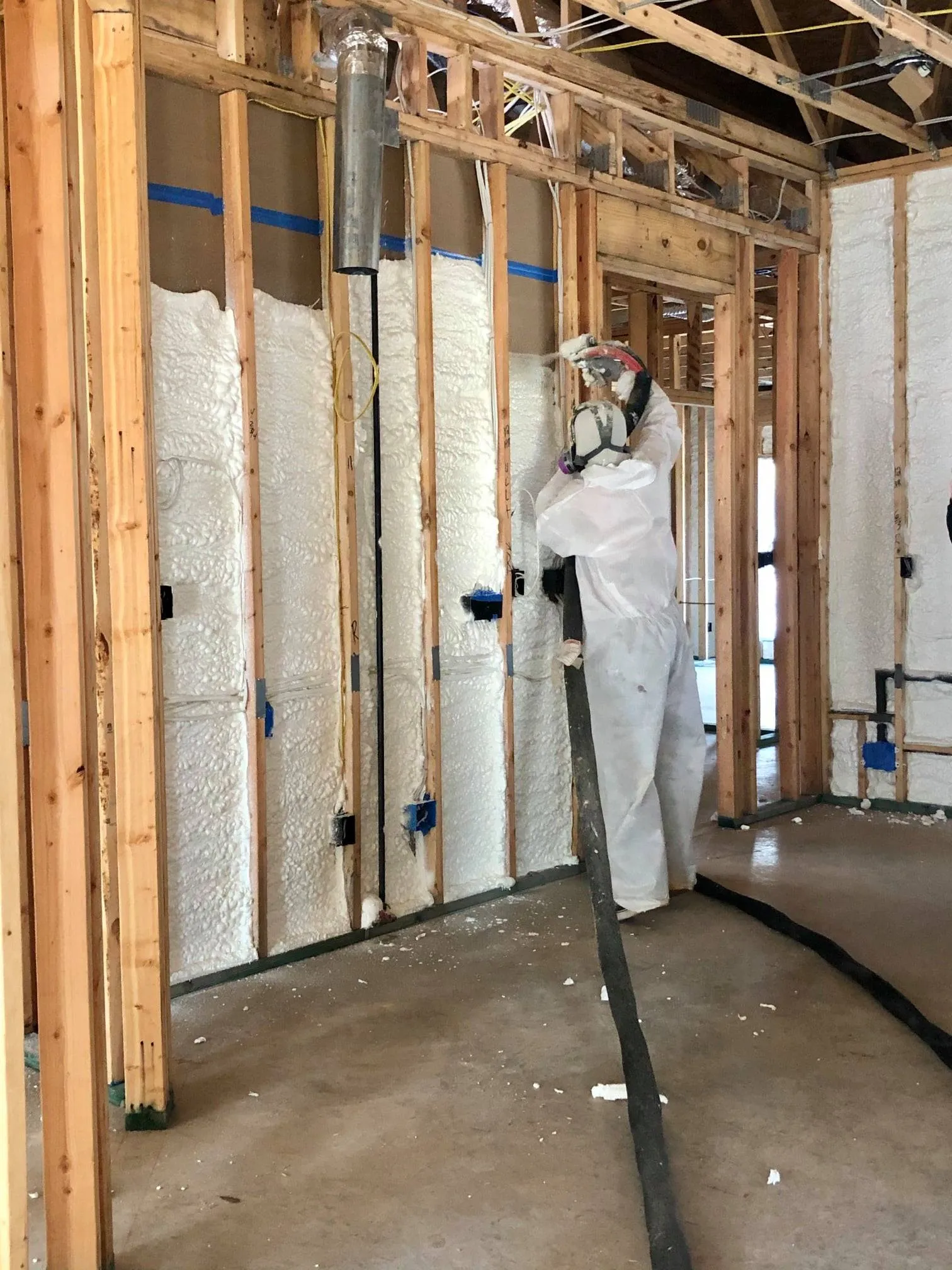
Moisture management capabilities deserve equal attention to R-value ratings. In Wellington’s climate, insulation must work as part of a complete system that includes proper vapor barriers, air sealing, and ventilation. Materials that resist moisture absorption, such as closed-cell spray foam or properly faced fiberglass, typically perform better than unfaced materials in this environment.
Installation quality cannot be overlooked. Even the most expensive insulation will perform poorly if installed incorrectly. Gaps, compression, and improper sealing around penetrations can reduce effectiveness by 25% or more. Professional installers understand the specific techniques required for Wellington’s climate conditions and local building code requirements.
Bonus Tip: When comparing bids, request detailed breakdowns of materials, installation methods, and warranty coverage. Low bids often use materials with shorter warranties or skip critical steps like air sealing that significantly impact performance.
Bonus Tip: Ask about air leakage testing before and after installation. This provides concrete data on actual performance improvements rather than relying solely on theoretical R-values.
Bonus Tip: Request utility bill history from the contractor for similar homes they’ve insulated. This provides real-world data rather than theoretical savings projections.
Making the Right Investment Decision
The choice between cheap and quality insulation ultimately comes down to short-term savings versus long-term value. In Wellington’s challenging climate, investing in proper insulation from the start prevents expensive problems and provides consistent energy savings for decades. Consider your home as a complete system where insulation works with your air conditioning, roofing, and windows to manage heat, moisture, and air flow. When evaluating options, look beyond initial costs to consider total ownership costs, including energy bills, maintenance, and potential replacement expenses.
Every home has unique characteristics that affect insulation needs, including age, construction type, existing insulation levels, and specific problem areas, all of which influence the optimal solution. Start with a professional energy audit to identify your home’s specific insulation requirements, then compare options based on long-term performance rather than just initial price tags.
Get Professional Guidance for Your Home
For homeowners in Wellington, FL seeking expert insulation advice and installation, All in OverHall provides comprehensive assessment services tailored to local climate conditions. Our team understands how Wellington’s heat and humidity impact insulation performance and can recommend solutions that balance effectiveness with budget considerations. Contact [email protected] or call (561) 406-3835 to schedule a home evaluation and discuss insulation options designed specifically for Florida’s challenging climate. Professional guidance ensures your insulation investment delivers the comfort, energy efficiency, and protection your home needs.
Frequently Asked Questions
How much should I budget for proper insulation in a typical Wellington home?
Budgeting for insulation depends on your home’s size and installation accessibility, with the initial investment typically recovered through long-term energy savings.
Can I install insulation myself to save money?
DIY installation is possible for some materials, but risky in Wellington’s climate. Professional installers understand specific techniques for moisture management and air sealing that are critical in this environment. Improper installation can lead to moisture problems that cost far more than professional installation would have cost initially.
What type of insulation works best for Wellington’s humidity?
Closed-cell spray foam provides the best moisture resistance but comes at a higher initial cost. Quality fiberglass with proper vapor barriers and facing also performs well when installed correctly. The key is proper installation regardless of material type.
How often should insulation be replaced in Florida?
Quality insulation should last 25-50 years when properly installed and protected from moisture. Budget materials typically need replacement every 5-10 years, often due to moisture damage, compression, or settling that reduces effectiveness.
Will adding more insulation over cheap materials fix the problem?
Simply adding more insulation over compromised materials rarely solves underlying issues. If existing insulation is moisture-damaged or poorly installed, removing it and starting fresh usually provides better long-term results and prevents hidden moisture problems.
Sources
U.S. Department of Energy – Energy Saver website providing information about insulation types, R-values, and energy savings potential
Spray foam insulation outperforms traditional fiberglass batts primarily because it creates an airtight seal while providing superior thermal resistance. Unlike…
Cheap insulation solutions cost more over time through higher energy bills, frequent replacements, and potential property damage. In Wellington’s hot,…